How to Fly Fish for Michigan Steelhead
The thrill of chasing Michigan steelhead on a fly rod is something truly special, but let's be honest, it can also be incredibly daunting. Many anglers feel overwhelmed by the sheer amount of gear, the specific techniques, and the mystique surrounding these powerful fish, often leading to frustration and fewer hookups. This guide is here to demystify the process, walking you through everything you need to know to confidently pursue Michigan steelhead with a fly rod, from understanding their habits to mastering the essential techniques.
Understanding Michigan Steelhead: The Elusive Rainbow
Michigan's steelhead, which are actually migratory rainbow trout, are truly magnificent fish that offer an unparalleled challenge for fly anglers. They spend most of their lives in the expansive waters of the Great Lakes, growing large and strong before making their epic journey up tributary rivers to spawn. This anadromous lifestyle imbues them with incredible fighting prowess, making every hookup a memorable battle.
Why Michigan Steelhead Are a Unique Challenge
Unlike resident trout that spend their entire lives in a river, steelhead are driven by instinctual migrations. When they enter the rivers from the Great Lakes, they aren't necessarily feeding aggressively in the same way a resident trout might be. Instead, their behavior is often influenced by spawning urges, water conditions, and their incredible wariness. This means that presentations need to be precise, subtle, and often repetitive to entice a strike. They've seen it all out in the big lake and in the lower river sections, making them particularly astute at identifying anything that looks unnatural.
Moreover, Michigan's steelhead rivers, like the Pere Marquette River or the Manistee River, can present a variety of challenges, from fast, turbulent runs to slow, deep pools. Changing water levels due to rain or snowmelt can drastically alter their holding lies and feeding patterns, requiring anglers to adapt constantly. It’s not just about finding the fish; it’s about presenting your fly in a way that convinces a powerful, wary creature to eat something that isn't primarily food. This is where the real art and science of fly fishing for steelhead comes into play, demanding patience, skill, and a deep understanding of their movements.
Prime Seasons for Steelhead Fly Fishing
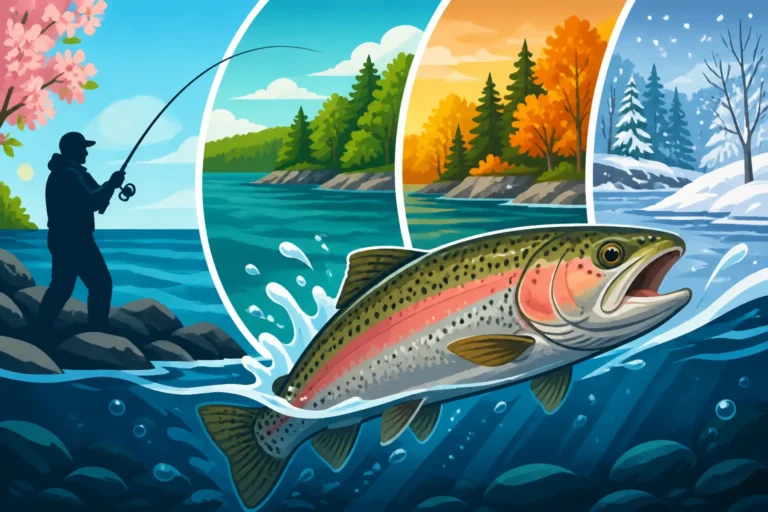
Michigan offers fantastic opportunities for steelhead fly fishing throughout much of the year, each season presenting its own unique charm and challenges. Understanding the nuances of each run is crucial for success. For a broader overview of their movements, check out our guide on Michigan Steelhead Run Timing.
Fall Steelhead Run: As autumn colors explode across the landscape, Michigan's rivers welcome the first wave of "chrome" steelhead. These early-run fish typically enter the rivers from September through November, often in response to increased water flows from fall rains and cooling lake temperatures. They are generally aggressive, having not yet endured the rigors of spawning, and can be found staging in deeper pools and runs, eager to hit egg patterns, nymphs, and even streamers. The fall run is a favorite for many anglers due to the beautiful scenery and the strong, fresh fish. You can learn more in depth about the Fall Steelhead Run in Michigan Rivers.
Winter Steelhead Run: Don't let the cold deter you! Winter can be one of the most rewarding times to pursue steelhead. While fishing can be slower and more challenging, the rewards are often bigger fish and fewer crowds. From December through February, steelhead hold in deep, slow-moving pools, conserving energy in the frigid water. They become less active, requiring extremely subtle presentations with small egg patterns, stoneflies, and nymphs drifted slowly along the bottom. Proper layering and gear are paramount for comfort and safety during this brutal but beautiful season. Our guide on the Winter Steelhead Run in Michigan Rivers has all the details.
Spring Steelhead Run: This is often considered the peak season for Michigan steelhead. As snow melts and water temperatures begin to rise in March, April, and into May, the remaining winter-over fish become more active, and new waves of fresh steelhead push into the rivers to spawn. The rivers become alive with activity, and fish can be found throughout the system. Spawning fish are often found on gravel redds, while pre-spawn and post-spawn ("drop-back") steelhead will be scattered in runs and pools. This season offers diverse opportunities for targeting fish with egg patterns, nymphs, and sometimes even aggressive streamer retrieves. It’s a truly exhilarating time to be on the water.
Essential Fly Fishing Gear for Michigan Steelhead
Successfully fly fishing for Michigan steelhead isn't just about having a fly rod; it's about having the right fly rod and the accompanying gear tailored to these powerful fish and their river environments. Skimping on quality here can lead to heartbreak when that trophy fish takes your fly.
Rod, Reel, and Line Selection
Choosing the proper setup is paramount for both casting effectiveness and fighting power. You wouldn't bring a butter knife to a sword fight, and the same applies to steelhead.
Rods: For traditional single-hand fly fishing, a 9 to 10-foot rod in a 7- to 9-weight is the standard. This length provides excellent line control for mending, especially when nymphing in varied currents, and the heavier weight classification gives you the backbone needed to cast larger flies and effectively fight strong, often acrobatic steelhead. A 10-foot 8-weight rod is often considered a sweet spot for versatility on many Michigan rivers. If you're looking into two-hand rods, often called spey or switch rods, a 11 to 13-foot switch rod in a 6- to 8-weight, or a full spey rod in a 7- to 9-weight, allows for incredible line control and effortless casting of heavy tips and flies across wide rivers, which is fantastic for swinging flies. We delve deeper into this in our piece on Best Rod Length for River Steelhead.
Reels: A high-quality, large arbor reel with a smooth, reliable drag system is non-negotiable. Steelhead make powerful, drag-screaming runs, and a sticky or inconsistent drag will quickly result in broken leaders or lost fish. The large arbor design helps retrieve line quickly, which can be crucial when a steelhead charges back toward you. Look for reels with sealed drag systems to prevent water, sand, and ice (in winter) from impacting performance. Brands like Lamson, Ross, and Orvis offer excellent options that stand up to the rigors of steelhead fishing.
Line: This is where things get a little more complex, as your line choice depends heavily on your chosen technique.
- Weight-Forward (WF) Lines: For single-hand nymphing, a general-purpose weight-forward floating line that matches your rod weight is a good starting point. You'll often be adding poly leaders or sink tips to get your flies down.
- Integrated Sink Tip Lines: These lines have a floating running line with a built-in sinking tip, perfect for swinging streamers or fishing deeper nymph rigs. They simplify casting compared to adding separate sink tips.
- Shooting Heads (for Two-Hand Rods): Spey and switch rods typically use shooting heads with various sinking densities (e.g., Skagit, Scandi) connected to a thin running line. These are specifically designed to cast heavy sink tips and flies with minimal effort, covering vast amounts of water efficiently.
- Monofilament or Braided Running Line: For two-hand setups, you'll need a slick running line to maximize casting distance. Monofilament running lines are popular for their minimal friction, while braided options offer durability.
For a comprehensive look at reel choices, consider our guide on the Best Reels for Steelhead Fishing, and for more on line considerations, check out Best Line Weight for Michigan Steelhead.
Waders, Boots, and Layering for Comfort
Michigan weather is famously unpredictable, and when you're wading in cold rivers for hours, staying warm and dry is absolutely critical. Being uncomfortable detracts from your focus and can even be dangerous.
Waders: Breathable stockingfoot waders are the standard. Look for durable, multi-layered construction (often 4- to 5-layer fabric) in high-wear areas like the knees and seat. Brands like Simms, Orvis, and Redington offer excellent options. Make sure they fit well, allowing for layers underneath without being too baggy to wade safely. In winter, some anglers opt for heavier neoprene waders for added warmth, though they are less breathable. Ensure you size them to accommodate thermal layers beneath.
Wading Boots: Traction is key. Felt soles provide excellent grip on slick river rocks, but they can be prohibited in some areas due to concerns about invasive species. Vibram rubber soles with aggressive lug patterns are a more universal choice, especially when paired with studded inserts or screw-in cleats for maximum grip on challenging terrain. Choose boots that offer good ankle support, as navigating rocky riverbeds can be treacherous.
Layering: This is where you master the elements.
- Base Layer: Moisture-wicking synthetics or merino wool next to your skin are essential. Avoid cotton, as it loses its insulating properties when wet.
- Mid-Layers: Fleece pants and jackets provide excellent insulation. In colder weather, a heavier insulated jacket or vest is crucial.
- Outer Layer (under waders): A pair of fleece or synthetic pants under your waders will add significant warmth.
- Socks: Multiple pairs of wool or synthetic socks are a must.
- Headwear: A warm hat is crucial as a significant amount of body heat is lost through the head.
- Gloves: Neoprene or fleece gloves, often with convertible finger designs, keep your hands warm while allowing for dexterity.
Proper layering allows you to adjust to changing conditions throughout the day. When you're comfortable, you're a much more effective angler. For more insights on staying dry and warm, see our guide on Best Waders for River Fishing. Remember to pick up good quality layers; you can often find great deals on synthetic base layers and fleece options on Amazon.
Essential Flies and Terminal Tackle
The "secret sauce" of steelhead fishing often lies in your fly selection and the way you rig your terminal tackle. Steelhead can be incredibly finicky, and presenting the right fly at the right depth and speed makes all the difference.
Flies: Your fly box should be diverse, covering various life stages and colors.
- Egg Patterns: These are absolute staples, imitating salmon or trout eggs. Colors like roe, orange, chartreuse, and natural creams in sizes #8-#14 are critical. Popular patterns include Clown Eggs, Glo Bugs, and Estaz Eggs.
- Nymphs: Stoneflies (Pat's Rubber Legs, Copper Johns, Prince Nymphs in black, brown, olive), Caddis larvae (chartreuse, green), and Mayfly nymphs (Pheasant Tail, Hare's Ear) are all effective. Sizes #10-#16 are common, depending on water clarity and insect activity.
- Streamers: For aggressive fish or high water, streamers can be deadly. Patterns like black or olive Woolly Buggers, Sculpzillas, or articulated baitfish patterns in sizes #4-#8 can elicit aggressive strikes, especially when swung or stripped.
- Spey Flies/Soft Hackles: These traditional patterns, often in bright colors or more subtle natural tones, are excellent for swinging on two-hand rods, mimicking aquatic insects or baitfish.
Terminal Tackle:
- Leaders and Tippet: You'll generally use heavier leaders and tippet than for resident trout, typically 8-12 lb test fluorocarbon for its abrasion resistance and invisibility underwater. Fluorocarbon is your friend when fishing clear water. Tapered leaders from 9-12 feet, often with added tippet, help with turnover and presentation.
- Split Shot/Tungsten Putty: Absolutely essential for getting your nymphs and egg patterns down to the fish. A variety of sizes allows you to adjust your weight for different current speeds and depths.
- Strike Indicators: Critical for nymphing, these allow you to detect subtle takes. Adjustable indicators like Thingamabobbers or various yarn indicators are popular choices.
- Forceps/Pliers: For safely removing hooks, especially important for catch and release.
- Net: A large, deep-hooped net with a rubberized mesh is ideal for safely landing and handling steelhead. It protects the fish's slime coat and scales, and its size helps control a thrashing fish.
Make sure your leader knots are strong, like the surgeon's knot for connecting tippet, and your improved clinch knot for securing flies. A good pair of nippers and a zinger to keep them handy on your vest or pack are also must-haves. When shopping for these smaller items, Amazon often has a great selection.
Mastering Michigan Steelhead Fly Fishing Techniques
Getting your fly in front of a steelhead and enticing a strike requires skill, patience, and the right technique. There's no single "magic bullet" technique, as conditions and fish behavior change constantly.
Nymphing and Indicator Fishing Strategies
Nymphing is arguably the most consistent and popular method for catching steelhead in Michigan rivers, especially during fall, winter, and early spring. The core idea is to drift your fly naturally along the river bottom, where steelhead typically hold.
The Setup: You'll typically use a long, tapered leader (9-12 feet), with a section of fluorocarbon tippet (often 10-12 lb test) tied on. Your flies, usually one or two egg patterns or nymphs, are spaced 12-24 inches apart. Above your flies, you'll add split shot or tungsten putty, carefully selecting the amount to tick the bottom without constantly snagging. Finally, a strike indicator is placed high on your leader, typically 1.5-2 times the depth of the water you're fishing.
The Drift: Cast upstream and slightly across the current, allowing your flies time to sink. Immediately begin mending your line to eliminate drag and ensure your indicator drifts at the same speed as the current, creating a "dead drift." Watch your indicator intently for any hesitation, twitch, or sudden movement – even a slight pause can indicate a take. Set the hook decisively with an upstream sweep if you suspect a fish. The goal is to present your flies as if they are natural debris or insects tumbling along the riverbed. Finding the right amount of weight is crucial; too little and your flies won't get to the fish, too much and you'll be constantly snagging. This can be a frustrating balance, but it's essential for success. This technique is closely related to Float Fishing for Michigan River Steelhead and Drift Fishing Michigan Rivers for Steelhead.
Table: Common Nymphing Rigs for Michigan Steelhead
| Rig Type | Leader Length (feet) | Tippet (lb test) | Flies | Weight | Indicator Type | Target Water Speed |
|---|---|---|---|---|---|---|
| Standard Nymph | 9-12 | 10-12 Fluorocarbon | 1-2 Eggs/Nymphs | Split Shot/Tungsten | Thingamabobber/Yarn | Moderate to Fast |
| Czech Nymph | 7-9 (shorter) | 10-15 Fluorocarbon | 2-3 Heavy Nymphs | Built into flies | None (tight line) | Fast, Deep Runs |
| Suspension | 10-15 | 8-10 Fluorocarbon | 1-2 Smaller Eggs/Nymphs | Small Shot | Sensitive Yarn/Pinch-on | Slow to Moderate |
Swinging Flies: The Art of the Presentation
Swinging flies is a classic and highly effective method, particularly with two-hand (spey or switch) rods, though it can also be done with single-hand setups. It's a more active and often more visually rewarding technique, triggering aggressive takes from steelhead.
The Concept: The idea is to cast your fly across the current, let it swing downstream in an arc, and then retrieve or allow it to hang for a moment at the end of the swing before recasting. The swinging motion mimics a baitfish or insect swimming across the current, and steelhead often hit the fly hard as it transitions or "hangs" at the end of the swing. This technique primarily uses streamers, spey flies, or large soft hackles.
Execution: Cast quartering downstream, allowing the current to catch your line and swing the fly. As the fly swings, make small mends to control its speed and depth. Some anglers use a "downstream dangle" where they let the fly hang in the current for a few seconds at the end of the swing, which can be a trigger for hesitant fish. Adjust your sink tip (if using a two-hand rod) and fly weight to get to the desired depth. You might need to cover a run with multiple casts, varying your angle and swing speed slightly until you find the sweet spot. When a steelhead takes a swung fly, it's often a jarring, powerful strike that will get your heart pounding!
Reading the Water for Steelhead Holds
Knowing where to cast is just as important as how you cast. Steelhead are creatures of habit, and understanding their preferred lies in different conditions will dramatically increase your success.
Current Seams and Edges: Steelhead, like most trout, love current seams – the distinct lines where two different currents meet or where fast water transitions to slower water. These seams often provide a conveyor belt of food while requiring less energy expenditure from the fish. Look for these along riverbanks, around submerged structure, or behind large rocks.
Pools and Runs: Deeper pools offer refuge and rest, especially in colder water or during high flows. Look for the deepest sections, often at the head or tail of a pool, or areas with current breaks. Runs, which are stretches of moderately flowing water, can also hold actively feeding or migrating fish. The "sweet spot" in a run is often where the current slows slightly near structure or depth changes.
Structure: Submerged logs, large boulders, undercut banks, and gravel bars all provide cover and current breaks. Steelhead will often tuck into these areas to escape strong currents, ambush prey (though less so when spawning), or simply rest. Don't overlook the obvious, but also scan for subtle changes in the riverbed or surface that indicate unseen structure.
Water Temperature and Oxygen: In colder water (e.g., winter), steelhead will conserve energy and often be found in deeper, slower pools. As temperatures rise (e.g., spring), they become more active and will move into faster, more oxygenated runs. Spawning fish will seek out gravelly bottom areas with good current to deposit their eggs. Knowing the Steelhead Life Cycle in Michigan Rivers can provide further insights into their seasonal movements. Pay attention to water color and clarity as well; murky water after a rain may push fish closer to the banks or into slower current.
Ethical Angling and Conservation for Michigan Steelhead
As fly anglers, we have a responsibility to not only enjoy the resource but also to protect it for future generations. Steelhead are a precious resource, and proper handling ensures their survival and the health of the fishery.
Proper Catch and Release Practices
While Michigan does allow for harvest within certain limits, many steelhead anglers practice catch and release, especially for these wild-spawned or returning hatchery fish. It's crucial to minimize stress and injury to the fish.
- Minimize Fight Time: Use appropriate tackle (a sufficiently stout rod and line) to land the fish as quickly as possible without over-stressing it. A prolonged fight can exhaust a steelhead, making it less likely to survive.
- Keep Fish in Water: This is perhaps the single most important rule. Keep the fish submerged as much as possible, especially its gills. Removing a fish from water, even for a quick photo, deprives it of oxygen and can damage its delicate slime coat, leaving it vulnerable to disease. If you must take a photo, do so quickly with the fish barely out of the water, and return it immediately.
- Wet Hands: Always wet your hands thoroughly before touching a fish. Dry hands can remove the fish's protective slime layer, which is its first defense against parasites and bacteria.
- Barbless Hooks: Using barbless hooks (or crimping down barbs on existing hooks) makes hook removal much easier and quicker, reducing damage to the fish's mouth.
- Gentle Hook Removal: Use forceps or pliers to carefully remove the hook. If the hook is deeply embedded and cannot be easily removed without causing significant trauma, it's often best to cut the leader as close to the hook as possible. The hook will eventually rust out.
- Revive the Fish: Hold the fish gently in the current, supporting its belly, facing upstream. Allow water to flow over its gills until it is strong enough to swim away under its own power. Don't move it back and forth; this doesn't help oxygen flow. Watch for strong tail kicks and when it can maintain its upright position, let it go.
These practices are vital for the sustainability of our steelhead populations. For more in-depth advice on ethical handling, you can often find good crossover with resources like Catch-and-Release Techniques for Michigan Muskellunge, as many of the principles are shared across large, powerful game fish.
Respecting the Resource and Fellow Anglers
Michigan's steelhead rivers can be popular, and showing respect for the environment and other anglers is a hallmark of responsible fishing.
- Leave No Trace: Pack out everything you pack in. This includes all trash, broken line, and discarded fishing tackle. Leave the riverbank cleaner than you found it.
- Wade Responsibly: Be mindful of spawning redds (red-colored depressions on gravel where fish lay eggs). Avoid wading through them, as you can destroy eggs and future generations of fish. Be aware of your footing and try not to disturb the riverbed unnecessarily.
- Maintain Distance: Give other anglers ample space. If someone is fishing a run, don't wade in directly above or below them. A general rule of thumb is to give them enough room so you're not interfering with their fishing water or spooking fish they might be working.
- Share the Water: If a spot is crowded, consider moving to another area or politely asking to "run through" a section if there's an opening. Communication and courtesy go a long way.
- Know and Follow Regulations: Always carry your Michigan Fishing Regulations Every Angler Should Know digest and understand the specific rules for the river you are fishing, including season dates, bait restrictions, and harvest limits. Ignorance of the law is no excuse. These rules are in place to protect the fishery and ensure everyone has a fair chance to enjoy it.
Fly fishing for Michigan steelhead is a lifelong pursuit, filled with learning, challenges, and incredible rewards. By understanding the fish, gearing up properly, mastering techniques, and practicing ethical angling, you'll not only increase your chances of success but also contribute to the conservation of this magnificent fishery. Get out there, be patient, and enjoy the chase – there's nothing quite like Michigan chrome on a fly rod.
Disclaimer
Please note that fishing regulations can change. It is always the angler's responsibility to check the latest Michigan Department of Natural Resources (DNR) fishing guide or website for the most current regulations before heading out on the water. This guide is for informational purposes only and should not be considered a substitute for official DNR publications.