Best Fall Techniques for Michigan Salmon
The crisp autumn air, the changing leaves, and the vibrant colors make fall in Michigan absolutely breathtaking. But for many anglers, these beautiful days also signal one of the most exciting, yet sometimes frustrating, fishing opportunities of the year: the Michigan fall salmon run. Getting a handle on where and how to intercept these powerful fish can feel like a puzzle, especially with fluctuating river conditions and ever-changing salmon behavior. This comprehensive guide will break down the best techniques and strategies to help you successfully target Michigan salmon as they make their way upstream to spawn.
Understanding the Michigan Fall Salmon Run
The annual fall salmon run in Michigan is a natural spectacle, drawing anglers from all over. These powerful fish, primarily Chinook (King) and Coho (Silver) salmon, migrate from the Great Lakes into their natal rivers to spawn, marking the culmination of their life cycle. Understanding this crucial biological drive and how it influences their behavior is the first step to successful fall fishing.
The Urge to Spawn and River Entry
As late summer turns to fall, a primal urge compels salmon to leave the vast expanse of the Great Lakes and head upstream. This migration is triggered by a combination of factors, including the shortening daylight hours, cooling lake temperatures, and increased flow in the rivers from autumn rains. Initially, these fish stage near river mouths, gathering in large schools before making their final push. They are driven by an instinctual need to reproduce, and once they enter the rivers, their feeding habits diminish significantly. Instead, they become territorial and aggressive, often striking at lures or baits out of irritation or defense, rather than hunger. This transition from lake-dwelling, active feeders to river-bound, spawning fish dictates the techniques we use to catch them. Early in the run, fresh salmon are still relatively chrome-bright and strong, holding in deeper pools and runs. As they progress further upstream and near their spawning grounds, their bodies begin to change, becoming darker and more discolored, and their energy is entirely focused on spawning.
Peak Run Timing and Water Conditions
Timing is everything when it comes to the fall salmon run. While there isn't a single "perfect" day, the peak of the run typically occurs from mid-September through October, though it can start as early as late August and extend into November, depending on the species and river system. Chinook salmon usually start first, followed by Coho. Factors like water temperature and flow play a massive role. Cooler water, ideally in the 40s to low 50s Fahrenheit, encourages salmon to move. Heavy rains can be a double-edged sword: they increase river flow, which salmon love for pushing upstream, but they can also blow out rivers, making the water high and murky. When conditions are just right – stable, cooler temperatures and moderate flow – the fishing can be incredible.
For instance, iconic rivers like the Manistee River Steelhead and Salmon Fishing in Michigan, the Au Sable River Trout Fishing in Michigan, and the Muskegon River are prime destinations for fall salmon. These rivers offer varied conditions, from wide, deep stretches to narrow, rocky runs, each requiring slightly different approaches. Anglers often keep a close eye on river gauges and water temperature reports before planning a trip. Understanding What Triggers the Fall Salmon Run in Michigan can give you a significant advantage in predicting when and where to find the most active fish.
Essential Gear for Fall Salmon Fishing
You wouldn't bring a butter knife to a sword fight, and the same goes for tackling Michigan's powerful fall salmon. These fish are strong, often running hard and making incredible leaps, so having the right gear is non-negotiable. Investing in quality equipment that can handle the abuse is crucial for success and to avoid heartbreaking break-offs.
Rods, Reels, and Line Choices
When it comes to rods, a medium-heavy to heavy power rod, typically 8 to 11 feet long, is ideal. The longer length helps with casting heavier lures, managing line in current, and absorbing powerful runs. For drift fishing or float fishing, a longer rod (10-13 feet) with a moderate action is preferred, as it allows for better line control and cushion against headshakes. Shorter, more powerful casting rods (7-9 feet) might be favored for throwing heavy spoons or crankbaits from piers or boats.
For reels, a robust spinning reel in the 3000-5000 series or a reliable baitcasting reel with a smooth, strong drag system is a must. You'll need enough line capacity to handle long runs from a powerful King salmon. When choosing line, many anglers opt for a braided main line (20-30 lb test) for its sensitivity and strength, often paired with a fluorocarbon leader (15-25 lb test) for its abrasion resistance and invisibility underwater. Monofilament (12-20 lb test) is also a classic choice, offering good stretch for fighting fish and being easier on the wallet. The type of line you choose will often depend on the specific technique you're employing and the clarity of the water you're fishing. Remember, salmon fishing can be brutal on gear, so choose wisely. Best Rod Length for Steelhead Fishing offers some transferable advice for salmon too.
Key Lures and Baits for Aggressive Salmon
Since salmon in the rivers aren't actively feeding, you're primarily appealing to their aggression, territorial instincts, or simply making them curious enough to strike. This means a variety of lures and natural baits come into play.
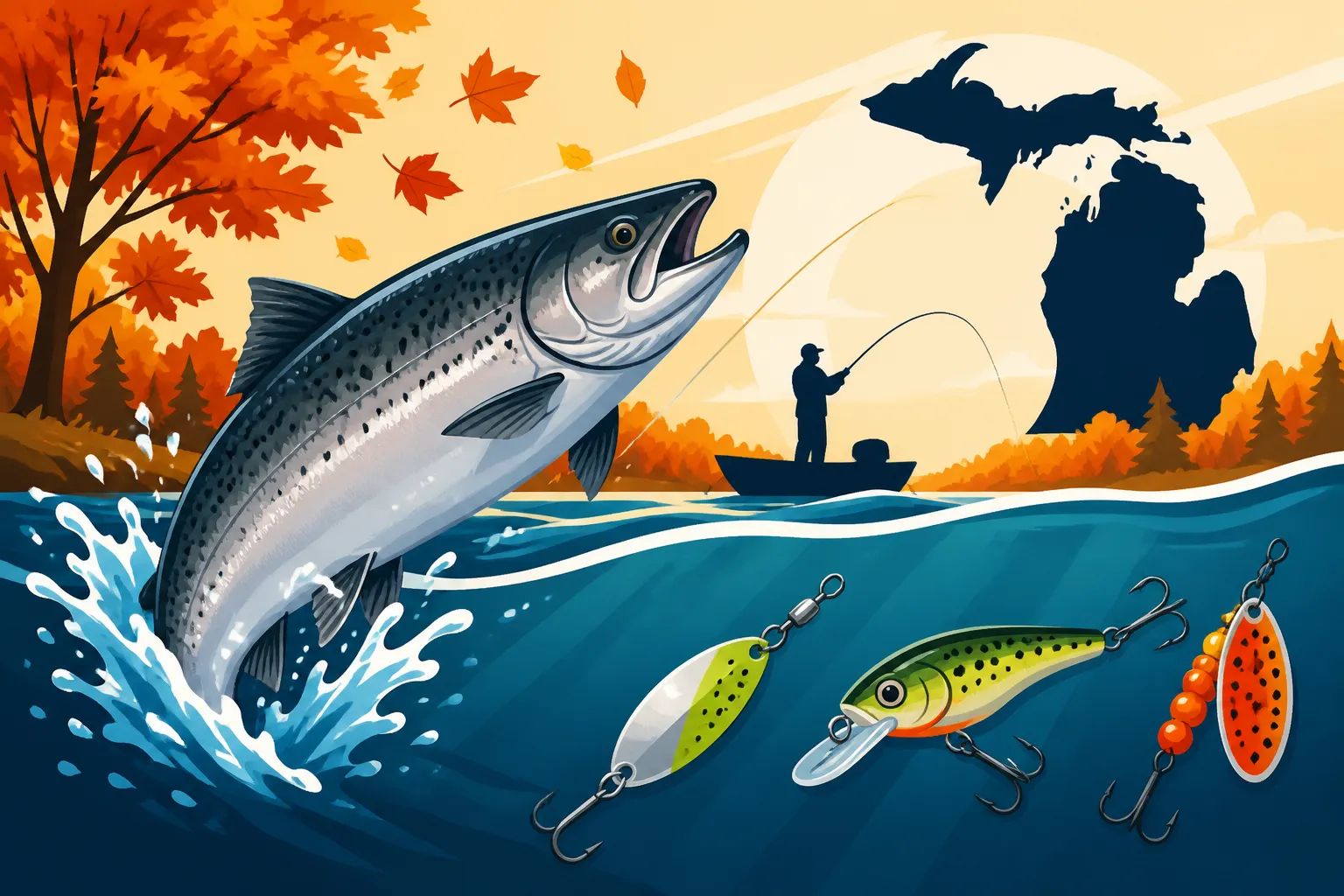
- Spoons: Classic metal spoons like those from Dardevle, Little Cleo, or Krocodile are highly effective. Their wobbling action mimics injured baitfish, provoking strikes. Popular colors include orange, chartreuse, silver, and fire tiger. Cast them upstream and let them swing through prime holding water, or retrieve them with a jigging motion.
- Crankbaits: Diving crankbaits from Rapala or Storm are excellent for targeting salmon in deeper holes or current seams. Their aggressive wobble and vibrant colors can be irresistible. They excel in stained water where their vibration can be felt by fish.
- Spinners: Large, flashy spinners with Colorado or French blades, like those from Mepps or Blue Fox, create significant flash and vibration. They are particularly good for fresh, aggressive salmon early in the run.
- Spawn Bags/Skein: This is often the undisputed king of natural baits. Cured salmon or steelhead eggs, tied into small mesh bags (spawn bags) or fished as whole chunks of skein, are incredibly effective. The scent and natural appearance can trigger a bite, especially from fish near spawning beds. You can often find pre-tied spawn bags or all the materials on sites like Amazon, making it easy to prepare for your trip.
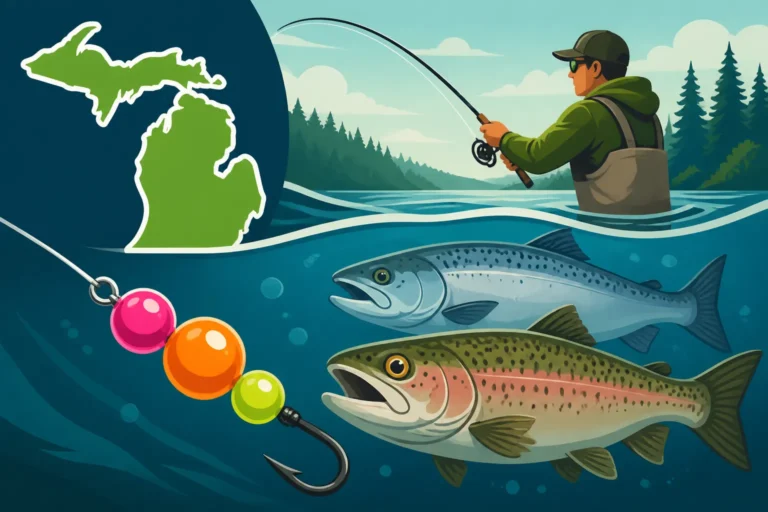
- Beads: Imitation salmon eggs, or beads, are increasingly popular, especially in clear water. They offer a subtle presentation, mimicking a loose egg drifting in the current. Rigged correctly, they can be incredibly lifelike. Just be sure to check Michigan Fishing Regulations Every Angler Should Know on what constitutes an artificial lure if you're fishing trout-designated waters.
Carrying a diverse selection of these options will allow you to adapt to changing conditions and fish preferences throughout the day.
Wading and Safety Essentials
Michigan's fall rivers can be cold, swift, and deceptively deep. Proper wading gear is not just about comfort; it's about safety. Neoprene waders are typically preferred over breathable waders during the cold fall months for their superior insulation. Pair these with sturdy wading boots that provide excellent ankle support and grip on slippery river bottoms. Felt soles or cleated rubber soles are often best.
Beyond just staying dry and warm, consider these safety items:
- Wading Staff: Indispensable for checking depth and stability before taking a step, especially in murky or fast water. Many collapse for easy carrying when not in use.
- PFD (Personal Flotation Device): While not always legally required for wading, wearing a low-profile PFD or an inflatable vest is a smart choice, especially if you're fishing alone or in unfamiliar, swift currents. Accidents can happen quickly.
- Layered Clothing: Dress in layers underneath your waders to regulate your body temperature effectively. Synthetic or wool layers are best, as cotton loses its insulating properties when wet.
- Headlamp/Flashlight: If you plan on fishing early mornings or late evenings, a reliable headlamp is crucial for navigating riverbanks and tying knots in low light.
- First-Aid Kit: A small, waterproof kit with basic supplies for cuts, scrapes, or minor emergencies is always a good idea when in the outdoors.
Don't underestimate the power and cold of these rivers. Being prepared ensures a safer and more enjoyable fishing experience.
Top Fall Salmon Fishing Techniques
Now that you're geared up, let's dive into the actual fishing! Fall salmon techniques often revolve around presenting bait or lures in the salmon's immediate vicinity, triggering a strike. Each method has its time and place, and successful anglers are often those who can adapt.
Drifting and Float Fishing for River Salmon
This is arguably one of the most effective and popular methods for river salmon. The goal is to present a natural bait (like a spawn bag or skein) or an artificial (like a bead) in a way that perfectly mimics a natural drift downstream.
- Drift Fishing: This technique involves using just enough weight (often split shot or pencil lead) to tick the bottom without dragging. You cast upstream and allow your bait to tumble naturally downstream with the current. The key is to keep your line relatively tight to feel subtle bites. A longer rod really shines here for mending your line and keeping it out of the current.
- Float Fishing (Centerpinning): This method takes drift fishing to the next level, offering even more precise control and natural presentation. You use a float (bobber) to suspend your bait at a specific depth, allowing it to drift freely with the current. This is particularly effective in runs with consistent depth. Centerpin reels, designed for minimal drag, allow for incredibly long, natural drifts, but spinning reels can be used with a proper float setup. The idea is to make your bait look like a loose, unsuspecting piece of food or an egg drifting downriver. For more on this technique, check out How to Float Fish for Steelhead, as many principles apply directly to salmon.
Both methods require careful observation of current seams, depth changes, and where salmon are holding, often in slower pockets behind structure or in deeper runs.
Casting and Retrieving Lures
While more active, casting and retrieving can be deadly, especially for fresh, aggressive salmon.
- Spoons and Spinners: Cast these lures slightly upstream and across the current, allowing them to sink briefly before beginning a slow, steady retrieve. The current will impart action to the lure, and you want it to swing through potential holding lies. Experiment with retrieve speeds and add pauses or twitches to entice strikes. These are excellent choices when salmon are still aggressive, often early in the run or after a fresh push of fish into the river.
- Crankbaits: These are great for searching deeper holes and when the water might be a bit stained. Cast them out and retrieve them at a pace that allows them to dive and wobble, bumping off the bottom occasionally. The vibration created by the crankbait can attract salmon even in low visibility. Some anglers will let crankbaits "back-troll" downstream with the current, occasionally twitching the rod.
- Jigging: In deeper holes, vertical jigging with heavy jigs tipped with soft plastics or even a piece of bait can trigger strikes from salmon holding near the bottom. This is a common tactic in larger river sections or near structures.
This active approach requires covering water and feeling for strikes that can sometimes feel like a snag.
Back-Trolling and Trolling the Bays
For anglers fishing from boats, especially in wider river sections or the bay mouths of the Great Lakes, trolling techniques are highly effective.
- Back-Trolling (River): This involves using your boat's motor (often an electric trolling motor) to slowly move downstream, slightly slower than the current, while presenting lures or baits. You can use large crankbaits, spoons, or even divers with spawn bags. This allows you to meticulously cover prime holding water, presenting your offerings to fish that might not be accessible from shore. The Saginaw Bay on Lake Huron or the Grand River near Grand Rapids are places where this might be employed in the lower stretches.
- Trolling the Bays (Lake/River Mouth): Early in the fall, before salmon fully commit to the rivers, they often stage in the shallower bay areas near river mouths. Here, traditional Great Lakes trolling methods with downriggers, Dipsy Divers, or planer boards can be very productive. You'd typically target them with spoons, plugs, or even flasher/fly combinations. This is a great way to intercept a fresh push of fish before they make it far upstream. Keep an eye on Michigan's Great Lakes Fishing Guide for specific Great Lakes techniques.
Remember, Great Lakes fishing for salmon also has its own set of detailed regulations, including Michigan Bag and Size Limits Explained for different species.
Pier and Shore Fishing Strategies
Not everyone has a boat or wants to wade into a cold river, and thankfully, Michigan offers fantastic pier and shore fishing opportunities for fall salmon, especially along the Great Lakes.
- Pier Fishing: Many of Michigan's Great Lakes piers, like those in Ludington, Manistee, or Holland, become hotspots in the fall. Anglers typically use long, heavy-action rods to cast heavy spoons, large spinners, or even bait rigs a significant distance. The key is to target the deeper water at the end of the piers or the channels where salmon enter the harbor. Fishing early morning or late evening often yields the best results. How to Catch Salmon From a Pier at Night is an excellent resource if you're planning an evening excursion.
- Shore Fishing (River Mouths/Beaches): At river mouths or along certain stretches of beach near river entries, shore fishing can also be productive. Casting spoons, large crankbaits, or even bottom-fishing with spawn can work. The challenge here is usually reaching the fish, which often hold further out or in deeper channels. Using a pyramid sinker with a spawn bag rig can be effective for bottom fishing from shore. Look for areas with deeper drop-offs or defined current seams.
Patience is a virtue in pier and shore fishing, as salmon move in waves, and you might have to wait for a school to pass through.
Mastering the Fight and Catch-and-Release
Hooking a Michigan salmon is one thing; landing it is quite another. These fish are renowned for their incredible power, stamina, and aerial acrobatics. Knowing how to play a fish effectively and practice proper catch-and-release is vital for both success and conservation.
Playing a Hard-Fighting Salmon
When a salmon hits, especially a Chinook, be prepared for a fight. They'll often make blistering runs, stripping line off your reel, and thrilling leaps out of the water. Here's how to maximize your chances:
- Set the Hook Firmly: A strong, sweeping hookset is crucial to drive the hook point home through their tough mouths.
- Maintain Pressure: Keep your rod tip up and a steady bend in the rod. This constant pressure helps tire the fish and prevents slack line, which can lead to thrown hooks. Don't high-stick your rod too much, or you risk breaking it.
- Use Your Drag: Your reel's drag system is your best friend. Set it appropriately—tight enough to put pressure on the fish, but loose enough to allow line to be taken when the fish makes a strong run. Resist the urge to crank down the drag when a fish is peeling line; let it run and tire itself out.
- Pump and Reel: This technique involves lifting your rod to gain line, then dropping the rod tip while reeling in the slack. It's a rhythmic motion that helps bring the fish closer without overpowering it.
- Be Patient: A big salmon can take 5-15 minutes or more to land, especially in current. Don't rush it. They will often make several strong runs before finally tiring out.
Losing a salmon at the net or boat can be gut-wrenching, a frustration many of us have faced. Patience and proper technique will drastically improve your landing rate.
Ethical Catch-and-Release Practices
Michigan's salmon runs are precious, and practicing good catch-and-release is essential for ensuring healthy populations, especially as Michigan Salmon Species Explained can vary in their recovery post-spawn. Even if you plan to keep some fish, you'll likely release others, so these practices are important for everyone.
- Minimize Fight Time: While you need to be patient, try to land the fish as quickly as possible without overstressing it. A prolonged fight can exhaust a fish to the point where it can't recover.
- Keep Fish in Water: If possible, try to unhook and release the fish while it's still in the water. Lifting a large salmon out of the water, especially horizontally, can damage its internal organs.
- Wet Hands: Always wet your hands before handling a fish. Dry hands can remove the protective slime coat, making the fish susceptible to disease.
- Use Barbless Hooks (if possible): Barbless hooks make unhooking much easier and quicker, reducing stress on the fish.
- Appropriate Net: Use a large, knotless, rubber-coated net. These nets are much gentler on the fish's fins and slime coat than traditional nylon nets. A large rubber net from a brand like Frabill, available on Amazon, can be a great investment.
- Revive the Fish: If a fish is heavily exhausted, hold it gently in the current, facing upstream, until it regains its strength and can swim away on its own.
Processing Your Catch
If you decide to keep your salmon within Michigan's Michigan Bag and Size Limits Explained, proper handling after the catch is important for ensuring the best possible table fare.
- Bleed Immediately: If you intend to eat your salmon, bleeding it immediately after landing helps to improve the quality of the meat by removing blood from the muscle tissue. A quick cut to the gills or under the jaw will suffice.
- Keep Cold: Get your fish on ice as soon as possible. A quality cooler packed with ice will preserve the freshness of the meat. Don't let your salmon sit in warm water or air for extended periods.
While many anglers target salmon for the thrill of the fight, the fresh, delicious meat is a fantastic bonus!
Fall Salmon Fishing Techniques Comparison Table
To help visualize the different approaches, here's a quick comparison of some popular fall salmon fishing techniques:
| Technique | Primary Target Areas | Optimal Conditions | Pros | Cons | Typical Gear |
|---|---|---|---|---|---|
| Drift Fishing | River runs, holes, current seams | Moderate current, clear to slightly stained water | Highly natural presentation, very effective, covers water | Requires skill to read water, can get snagged easily | 10-11 ft med-heavy rod, spinning reel, mono/fluoro leader |
| Float Fishing | River runs, consistent depth | Moderate current, varying water clarity | Precise depth control, visual strike detection, natural drift | Requires specialized floats, can be slower to cover water | 11-13 ft float rod, centerpin or spinning reel, light leader |
| Casting Lures (Spoons/Crankbaits) | River pools, pier ends, river mouths | Varying clarity, active fish, searching | Covers large areas, triggers aggressive strikes, versatile | Can require heavy gear, less natural presentation | 7-9 ft heavy action rod, baitcaster/spinning reel, braid |
| Back-Trolling | Wide river sections, bay mouths | Moderate current, deeper channels | Covers specific depths, good for boat anglers, precise speed control | Requires boat, can be slow, less "active" fishing | Trolling rods, line counter reels, heavy line |
| Pier/Shore Casting | Pier ends, harbor mouths, beaches | Variable conditions, early/late light | Accessible without a boat, good for specific entry points | Limited mobility, can be crowded, requires long casts | 9-11 ft heavy surf rod, large spinning reel, heavy braid |
Remember that combining these techniques or switching between them based on what the fish are doing is often the most effective strategy. Sometimes, just a slight change in presentation can make all the difference between a slow day and a banner day.
Disclaimer
Fishing involves inherent risks, including but not limited to drowning, injury from hooks or equipment, and exposure to the elements. Always prioritize your safety. Wear appropriate personal flotation devices (PFDs) when on or near water, especially in cold weather or swift currents. Consult and adhere to all local, state, and federal fishing regulations, including those set by the Michigan Department of Natural Resources (DNR), before engaging in any fishing activities. The information provided in this guide is for informational purposes only and does not constitute professional advice. We assume no liability for accidents, injuries, or legal violations incurred while following these techniques.