Catch-and-Release Techniques for Michigan Muskellunge
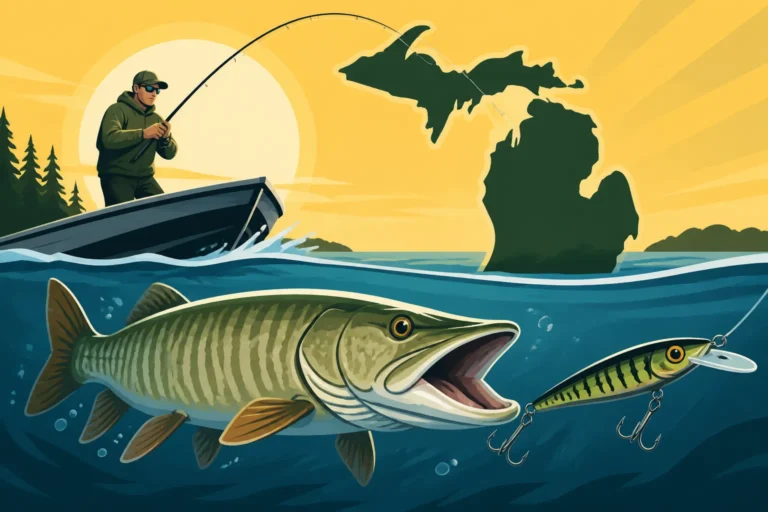
Landing one of Michigan's magnificent muskellunge is a dream for many anglers, but the sheer power and size of these fish can also make them vulnerable if not handled correctly. The challenge isn't just in hooking a muskie; it's in ensuring its survival after the catch, a commitment that demands respect and proper technique. This guide will walk you through the essential catch-and-release strategies specifically designed to protect Michigan's cherished muskies, so they can continue to thrive for generations to come.
Understanding the Muskellunge: Why Catch-and-Release is Crucial
Muskellunge, often affectionately called "muskies," are apex predators in Michigan's aquatic ecosystems. They are truly magnificent creatures, but their very nature makes them particularly susceptible to stress and injury during angling. Understanding their biology and the specific conservation efforts in Michigan is the first step toward becoming a responsible muskie angler.
The Muskellunge's Vulnerability and Ecological Role
Unlike many faster-growing fish species, muskies grow incredibly slowly. It can take many years for a muskie to reach the impressive sizes that make them so sought after by anglers. This slow growth, coupled with a naturally low reproductive rate, means that every individual fish is incredibly valuable to the population's health. If too many large muskies are removed or don't survive a release, it can take decades for the population to recover. They are also solitary, territorial fish, and their presence helps maintain the balance of smaller fish populations, preventing overpopulation and disease.
When a muskie fights hard on the end of your line, it expends a tremendous amount of energy. This can lead to lactic acid buildup and severe exhaustion, particularly in warmer water or during prolonged battles. Post-release mortality is a real concern, often occurring hours or even days after the fish swims away, due to injuries, exhaustion, or infection from improper handling. Our goal, as stewards of the sport, is to minimize this stress and ensure the fish has the best possible chance of survival.
Michigan's Conservation Ethos for Muskies
Michigan's Department of Natural Resources (DNR) recognizes the unique challenges and importance of muskellunge conservation, which is reflected in some of the strictest fishing regulations in the state. For instance, Michigan often implements high minimum size limits for muskies, ranging from 42 to 50 inches, depending on the body of water. For a truly comprehensive look at these guidelines, you'll want to review the full details on Michigan Muskellunge Daily Catch Limit. This isn't just about setting a challenging goal for anglers; it's about protecting the breeding stock, allowing these fish to mature and contribute to future generations.
Beyond size, there's also a strict rule for anglers: Michigan's One Muskellunge Per Year Rule. This regulation highlights just how precious each muskie is. Furthermore, certain lakes, such as Lake Hudson and Thornapple Lake, are designated as specific muskie waters and may have even higher minimum size limits, sometimes pushing the mark to 50 inches, as explained in articles like Michigan Lakes With a 50-Inch Muskellunge Minimum. These regulations are designed to encourage a strong catch-and-release ethic and ensure that only truly exceptional, fully mature fish are ever considered for harvest. For most muskie anglers, the thrill is in the chase and the brief encounter, knowing that magnificent fish will fight another day.
Essential Gear for Responsible Muskie Catch-and-Release
Approaching muskie fishing with inadequate gear is a recipe for disaster, both for the angler and, more importantly, for the fish. The goal is to land the fish quickly and safely, minimizing its stress and time out of the water. This requires specialized, heavy-duty equipment that can handle the sheer power of a muskie.
The Right Rod, Reel, and Line for Muskies
When you're targeting muskies, you absolutely cannot skimp on your tackle. You need a powerful rod, typically 8 to 9.5 feet long, with a heavy or extra-heavy action. This isn't about overpowering the fish, but about having the leverage to control its runs and bring it to the boat or shore as efficiently as possible. A softer, lighter rod will prolong the fight, exhausting the muskie and increasing its chances of post-release mortality. Imagine trying to fight a powerful dog on a tiny leash – it's just not fair to either party.
Pair that robust rod with a high-quality baitcasting reel, specifically designed for large game fish. Look for a reel with a strong drag system and a high line capacity, capable of holding at least 80-100 pound test braided line. Braided line is non-negotiable for muskie fishing. Its lack of stretch provides superior hook-setting power and allows you to feel every subtle movement. When it comes to strength, remember that What Pound Test Line for Muskellunge is a serious consideration – you want enough backbone to turn a muskie's head and prevent it from burying itself in cover. Many anglers find great options for these heavy-duty setups on platforms like Amazon, ensuring they have the right tools before hitting the water. For a general overview of suitable gear, check out Best Rods and Reels for Michigan Fishing.
Crucial Tools for Handling and Hook Removal
This is perhaps the most critical section for muskie conservation. Without the right tools readily accessible, you risk severe injury to yourself and irreversible damage to the fish. Forget the small pliers and basic nets; muskie require specialized equipment.
First and foremost, you need a large, heavy-duty, rubber-coated landing net. This isn't optional; it's essential. The net should be big enough to fully encompass the muskie, preventing it from thrashing and injuring itself or you. The rubber coating protects the fish's slime coat, which is its primary defense against disease. A quality net designed for large fish is often available from major retailers like Amazon. For more details on choosing the right net, consider reading Best Net for Landing Muskellunge.
Next, you need a long-handled hook remover or heavy-duty pliers, at least 11-12 inches long. Muskies have incredibly sharp teeth and can clamp down with surprising force. These long tools keep your hands safe while giving you the reach to access deeply embedded hooks. In addition, a pair of quality bolt cutters is a non-negotiable item. If a muskie swallows a lure or a hook is deeply lodged in a sensitive area, cutting the hook is often the safest option for the fish. This minimizes trauma and speeds up the release process. Finally, a set of jaw spreaders can be helpful for those instances where a muskie clamps down, but they should be used sparingly and carefully to avoid injuring the fish's jaw. Having all these tools on hand, ready to go before you even hook a fish, is a sign of a responsible muskie angler.
Recommended Lures and Tackle Considerations
While muskies are known for hitting large, aggressive lures, responsible angling practices extend to your lure choice. Whenever possible, consider modifying your lures to feature single hooks instead of treble hooks, or at the very least, crush the barbs on your hooks. Single hooks cause less damage and are easier to remove, especially from delicate areas like gills or eyes. Crushing barbs (simply flatten them with pliers) makes hook removal much faster and less traumatic for the fish, without significantly impacting your hook-up ratio if you keep adequate tension on the line.
Your leader system is another critical component. Muskies have razor-sharp teeth that can easily sever monofilament or fluorocarbon line. A heavy-duty fluorocarbon, titanium, or wire leader is absolutely essential to prevent bite-offs, which would leave the muskie trailing a lure, almost certainly leading to its death. Leaders should be at least 12-18 inches long to protect against those head shakes. Many dedicated muskie anglers build their own leaders, or you can find high-quality pre-made options from brands available on Amazon. To learn more about selecting effective baits and the overall tackle setup, check out articles like Best Lures for Muskellunge and Best Tackle for Michigan Muskellunge. For specific leader information, including material and length recommendations, refer to Best Leader for Muskellunge Fishing.
On-the-Water Techniques for Minimizing Stress
Even with the best gear, how you handle the actual fight and landing of a muskie can make all the difference in its survival. Speed, precision, and a clear understanding of the fish's physiology are paramount. The goal is always to get the fish in, unhooked, and released with minimal fuss and minimal time out of the water.
The Fight: Landing a Muskie Efficiently
When a muskie hits, it's an adrenaline rush like no other. These fish are incredibly powerful, and their initial runs can be breathtaking. The key during the fight is to apply constant, firm pressure. Don't "play" the fish unnecessarily. A prolonged fight, especially in warmer water conditions, can completely exhaust a muskie, leading to severe lactic acid buildup in its muscles. This metabolic stress can be fatal, even if the fish swims away initially. Think of it like a human running a marathon without proper training – the body simply shuts down.
Use your heavy-duty rod and reel to your advantage. Pump the rod, gain line, and keep the fish moving towards you. Try to keep its head up and out of the water when it gets close, as this prevents it from making deep, powerful dives under the boat or into snags. If the fish makes a strong run, let the drag do its job, but don't give it unnecessary line. The faster you can safely bring the muskie to the boat or shore, the better its chances of a full recovery.
Netting and Immobilization Best Practices
Once the muskie is boat-side or close to shore, the netting process is crucial. As mentioned earlier, use that large, rubber-coated net. Do not try to lift a muskie by hand or by the gills. Instead, lead the fish headfirst into the net. Once the fish is fully in the net, keep the net in the water. This is vital. Muskies need oxygen, and removing them from the water immediately for hook removal adds unnecessary stress. A net that's large enough will allow the muskie to remain submerged while you prepare for hook removal.
With the fish safely contained in the net, in the water, you can then focus on calming it down. Gently but firmly hold the net, preventing the fish from thrashing. Sometimes a muskie will calm down once it feels contained. If you're in a boat, you might even consider leaving the net in the water, partially submerged next to the boat, while you gather your tools. The less time the muskie spends out of its natural element, the better. Avoid dragging the fish onto the boat carpet, sand, or rocks – this strips its protective slime coat, making it vulnerable to infection.
Safe Hook Removal and Damage Control
Now for the critical moment: hook removal. This is where your long-handled pliers and bolt cutters come into play. Take a moment to assess the situation: where are the hooks? How many hooks are in the fish? Is it in a fleshy part of the jaw, or is it deeply embedded in the gills or throat?
If the hooks are visible and accessible in the mouth or jaw, use your long-handled pliers to carefully dislodge them. Work quickly but deliberately. If you encounter a hook that's deeply embedded, or if the fish has taken the lure too far back, do not try to rip it out. This is where the bolt cutters become your best friend. Cut the hook at the bend, as close to the shank as possible, leaving the rest of the hook in the fish. A small piece of stainless steel hook will often rust away or be naturally expelled, causing less trauma than trying to force it out.
Here's a simple table to guide your hook removal strategy:
| Hook Location | Recommended Action | Why |
|---|---|---|
| Visible, in Jaw or Lip | Use long-handled pliers to gently twist and remove. | Minimal damage, quick removal. |
| Deeply Embedded in Throat | Cut the hook with bolt cutters as close to the eye/shank as possible. Leave the rest. | Forcing removal causes severe, often fatal, internal damage. Hook will degrade. |
| Embedded in Gills | Cut the hook with bolt cutters as close to the eye/shank as possible. Avoid pulling. | Gills are extremely delicate and vital for oxygen exchange. Pulling causes catastrophic bleeding. |
| External, near Eye or Fin | Use pliers, or cut the hook if removal causes too much stress. | Minimize damage to sensitive areas. |
Always prioritize the fish's welfare over saving a lure. Muskies are tough, but they're also delicate where it counts. Having all your tools organized and ready, perhaps in a dedicated tackle box available from Amazon, will make this process much smoother under pressure.
Handling, Photography, and Release Protocols
Once the hooks are out, the next critical phase involves safe handling for any photos and, most importantly, the proper release to ensure the muskie's recovery and survival. This isn't just about letting it go; it's about giving it the best possible chance to swim away strong.
Minimizing Air Exposure and Proper Holding Techniques
The absolute golden rule for muskellunge is to minimize their time out of the water. Think of it as "CPR" for fish: Catch, Photo, Release. Ideally, a muskie should not be out of the water for more than 5-10 seconds for a quick photo. Any longer, and the fish starts to suffer from oxygen deprivation, potentially leading to brain damage and other physiological issues.
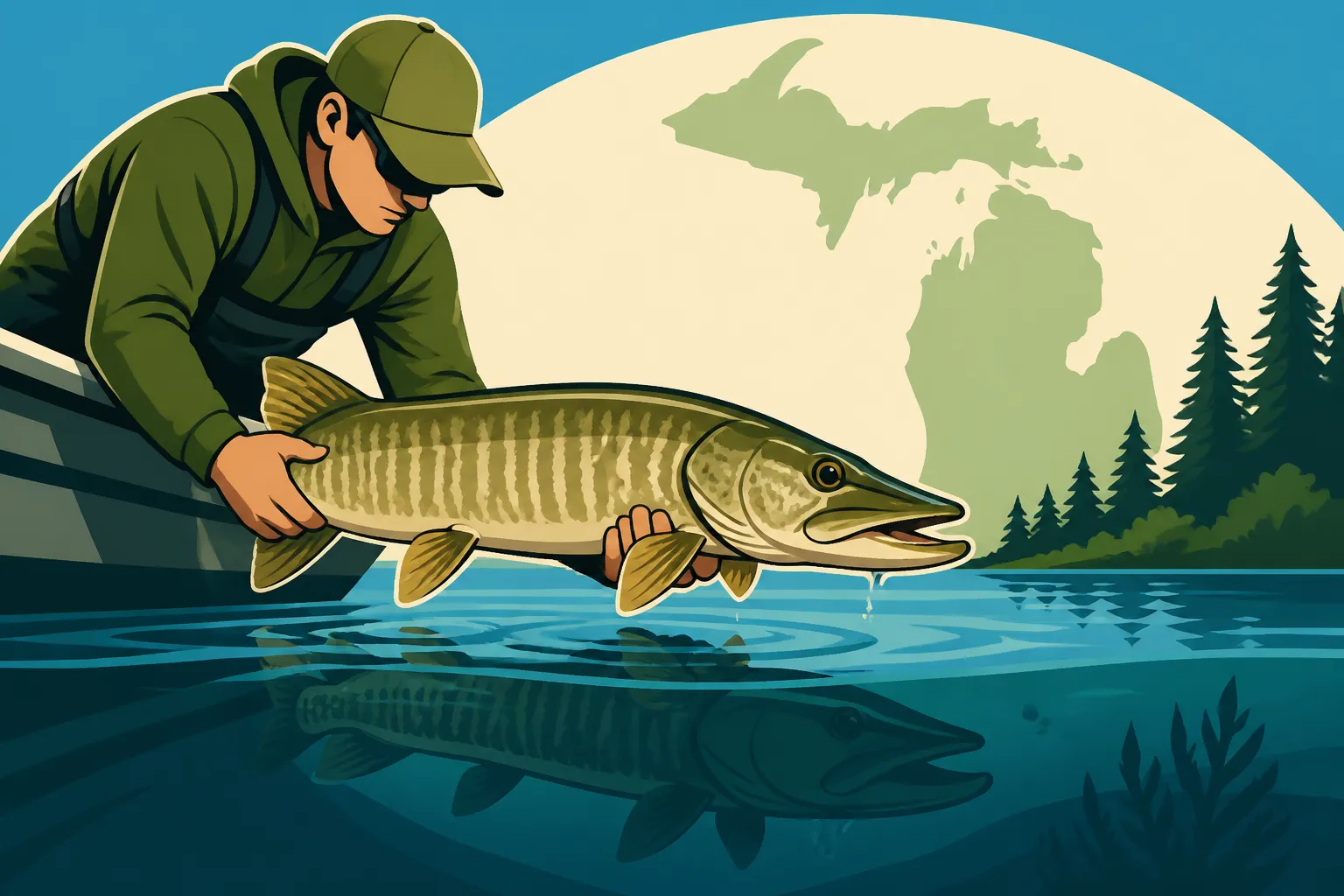
When you do lift a muskie for a photo, use a two-handed cradle hold. One hand should support the belly just behind the pectoral fins, and the other hand should support the tail base. Keep the fish horizontal and close to your body. This evenly distributes its weight and supports its internal organs. Never, ever hold a muskie vertically by the jaw or gills. Their internal organs are not designed for vertical suspension out of water, and this can cause severe, often fatal, damage to their spine, jaw, and internal organs. Even if the fish swims away, it may have sustained injuries that lead to its demise later. For a visual guide and further tips on safe handling, consider resources like How to Catch and Release a Muskellunge.
The Quick Photo: Capturing the Moment Responsibly
We all want that trophy photo, and there's nothing wrong with that! But it needs to be done with the utmost respect for the fish. The key is preparation and speed. Before you even lift the fish, have your camera ready, set to a burst mode or with someone already poised to snap the picture. Know exactly where you're going to stand and how you're going to hold the fish.
Once the hooks are removed and the fish is out of the net, quickly perform your two-handed cradle lift, hold it horizontally, get one or two shots, and immediately return the fish to the water. Avoid excessive posing, multiple angles, or attempting to get the "perfect" shot if it means keeping the fish out of the water for too long. A good photo is a quick photo. Remember, the fish's life is more important than your Instagram feed. Modern waterproof cameras and phone cases, often found on Amazon, can help capture these moments efficiently and without risking your electronics.
The Revival and Release: Ensuring Survival
This is the final, and arguably most important, step in the catch-and-release process. Don't just toss the muskie back into the water and assume it's fine. Muskies, especially after a hard fight, often need time to recover and regain their strength.
Hold the muskie gently but firmly by the tail, supporting its belly if possible, and position it upright in the water. Move it slowly back and forth to force water over its gills. This helps to oxygenate its blood and flush out lactic acid. Watch the fish's behavior closely. You'll feel it start to regain strength and make strong tail kicks. When it tries to swim away from your grip with authority, that's your cue. Release it gently, allowing it to swim off on its own power. Sometimes, this revival process can take several minutes, especially in warmer water. Be patient. If you release a muskie too early, and it just rolls over or struggles to swim, chances are it won't make it. Your patience here dramatically increases its survival odds.
Post-Release Responsibilities and Ethical Angling
Your commitment to the muskie doesn't necessarily end when it swims away. Responsible angling extends to being aware of its welfare post-release and contributing to the broader conservation efforts that sustain Michigan's incredible muskie fishery.
Monitoring and Follow-Up Considerations
After releasing a muskie, take a moment to observe its departure. Did it swim away strongly, or did it struggle? Did it dive deep, or did it linger near the surface? While you can't control what happens after it leaves your sight, observing its immediate behavior can give you valuable insight into the effectiveness of your catch-and-release techniques. If you notice a fish struggling or showing signs of distress even after a proper revival, it can be a learning experience to refine your future practices. For instance, you might adjust your fight time, ensure faster hook removal, or spend more time reviving the next fish.
Understanding the conditions on the day you fished is also important. Was the water exceptionally warm? Did the fish fight harder than usual? These factors all play a role in a muskie's post-release survival. By paying attention to these details, you become a more effective and ethical angler, continually improving your approach to protect these magnificent creatures.
Michigan's Muskellunge Harvest Reporting Rules
While our focus here is squarely on catch-and-release, it's vital for any muskie angler to be fully aware of Michigan's specific regulations regarding muskie. Michigan has a mandatory harvest reporting system for muskellunge. If, by chance, you were to harvest a muskie (which, given the strict one-fish-per-year limit and high size minimums, is a rare event for most), you are legally obligated to report it to the DNR. This data is critical for biologists to monitor populations, assess health, and make informed management decisions.
Even though released fish don't require mandatory reporting, knowing these rules reinforces the significant value placed on each muskie. If you are fortunate enough to harvest a legal muskie, ensure you understand the details of Michigan Muskellunge Harvest Reporting Rules and adhere to the Michigan's 24-Hour Muskellunge Reporting Requirement. This commitment to reporting, whether voluntary or mandatory, helps ensure the long-term sustainability of the muskie fishery for everyone.
Becoming an Advocate for Muskie Conservation
Beyond practicing responsible catch-and-release yourself, becoming an advocate for muskie conservation is a powerful way to contribute to the future of this fishery. Many organizations, such as Muskie Inc., are dedicated to the research, conservation, and promotion of muskellunge. By joining such groups, you can support critical habitat projects, participate in stocking programs, and help educate other anglers.
Sharing your knowledge and demonstrating proper catch-and-release techniques to fellow anglers is also incredibly valuable. Lead by example on the water, showing patience during revival, using appropriate gear, and taking quick, respectful photos. Supporting the Michigan DNR's efforts through license purchases and adherence to regulations is another fundamental way to contribute. Every muskie angler plays a role in ensuring that these incredible "fish of 10,000 casts" continue to challenge and inspire future generations.
Disclaimer
The information provided in this guide is for educational and informational purposes only and is not a substitute for official Michigan DNR fishing regulations. Always consult the most current Michigan Fishing Guide or the Michigan Department of Natural Resources website for the latest and most accurate rules and regulations before fishing. Fishing conditions and regulations can change, and it is the angler's responsibility to be aware of and comply with all applicable laws.