How to Catch Trout on the Spring Opener
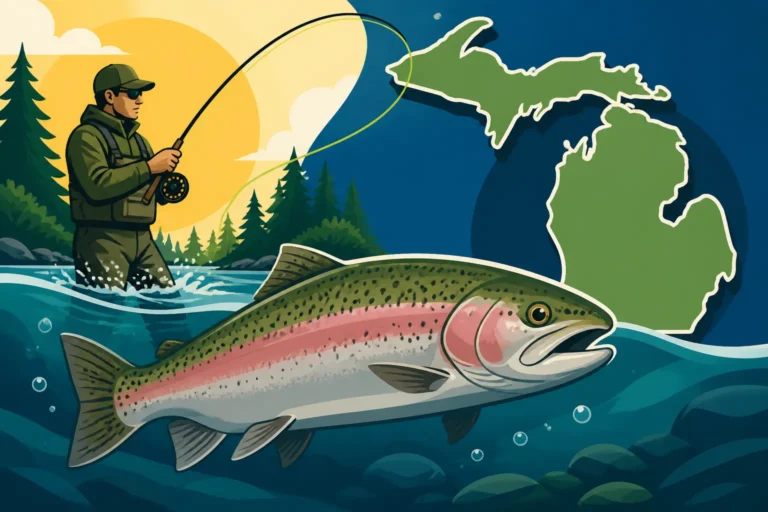
Ah, the Michigan trout opener! It's a date circled on calendars across the state, sparking a mix of unbridled anticipation and a good bit of head-scratching. We've all been there: bundles of tackle laid out, dreams of big browns dancing in our heads, only to be met with frigid temperatures, roaring high water, or frustratingly finicky fish. This guide isn't about guaranteeing you a trophy, but it is about equipping you with the knowledge and confidence to approach that first day of inland trout season with a plan, making the most of those often challenging, yet incredibly rewarding, spring conditions.
Understanding Michigan's Spring Trout Opener
For many of us, the spring trout opener isn't just another day on the water; it's a cherished tradition, a pilgrimage to our favorite rivers and streams. After a long Michigan winter, the thought of wading into cold, clear water, casting a line, and feeling that tell-tale tug is what gets us through those dreary late-winter days. But to truly succeed, we need to understand the unique challenges and opportunities this time of year presents.
The Significance of the Spring Opener
The official start of Michigan's inland trout season typically kicks off in late April, a date eagerly awaited by fly anglers and spin fishermen alike. While some of our larger rivers and the Great Lakes tributaries offer year-round trout opportunities, this specific date marks the opening of literally thousands of miles of smaller, intimate streams and rivers that have been closed to fishing through the colder months. It’s a chance to pursue species like brook trout, brown trout, and rainbow trout in their prime, often as they're emerging from their winter doldrums and beginning to feed more actively. The specific date can vary slightly year to year, so it's always a good idea to consult the most current Michigan Fishing Season Dates and Rules published by the DNR to ensure you're compliant and ready for action.
Beyond the regulatory aspect, the opener carries a deep cultural significance for many Michigan anglers. It's often a time for family gatherings, rekindling friendships on riverbanks, and passing down traditions. There's a palpable excitement in the air, from the early morning frost on the grass to the steam rising off the river as the sun begins to peek through the trees. It’s a symbol of renewal, of nature waking up, and a reminder of why we love spending time in Michigan's wild places. But don't let the romance distract you entirely; preparation for these early season conditions is paramount.
Reading the Water: Conditions to Expect
Spring in Michigan can be a fickle beast, and the trout opener is often right in the thick of it. You might encounter anything from warm, sunny days to late-season snow squalls, and the water conditions will reflect that variability. Typically, you're looking at cold water temperatures, often still in the 30s or low 40s, which means trout are lethargic and trying to conserve energy. This affects where they hold and how aggressively they'll feed. High flows are also a common challenge, especially after heavy spring rains or rapid snowmelt, which can turn your favorite clear-running creek into a muddy torrent.
These fluctuating conditions present significant hurdles. High, turbid water can make finding fish incredibly difficult, as they'll often tuck into slack water or behind cover to escape the current. Even when the water is clear, the sheer volume can make wading treacherous and presentation challenging. The frustration of arriving at your favorite spot only to find it unfishable or seeing no signs of life is a rite of passage for opening day anglers. However, by understanding these conditions, you can adapt your approach. Trout will seek out warmer water, even if it's just a degree or two, so understanding tributary influences or sunny banks can be key. They'll also gravitate towards structure that breaks the current, offering them a reprieve and ambush points for passing food.
Essential Gear and Tackle for Spring Trout
Getting your gear dialed in before opening day is crucial. You don't want to be fumbling with unfamiliar equipment or realizing you're missing a critical piece of tackle when you're standing knee-deep in freezing water. Early season trout fishing demands a thoughtful approach to what you bring to the bank or the boat.
Rods, Reels, and Line for Opening Day
For the vast majority of Michigan's inland trout streams on opening day, a light to medium-light action rod is going to be your best friend. If you're spin fishing, a 6 to 7-foot rod with a fast action tip will give you the sensitivity to detect subtle bites and the backbone to fight a decent fish in current. Pair this with a small, lightweight spinning reel, perhaps a 1000 or 2000 series, spooled with 4-6 pound test monofilament or fluorocarbon. Monofilament offers a bit more stretch, which can be forgiving with powerful trout strikes, while fluorocarbon is nearly invisible in the water and offers greater abrasion resistance, a real plus in snaggy environments. You can often find excellent combos or individual components on platforms like Amazon, ensuring you have reliable gear without breaking the bank. For a more comprehensive look at options, check out our guide on Best Rods and Reels for Michigan Fishing.
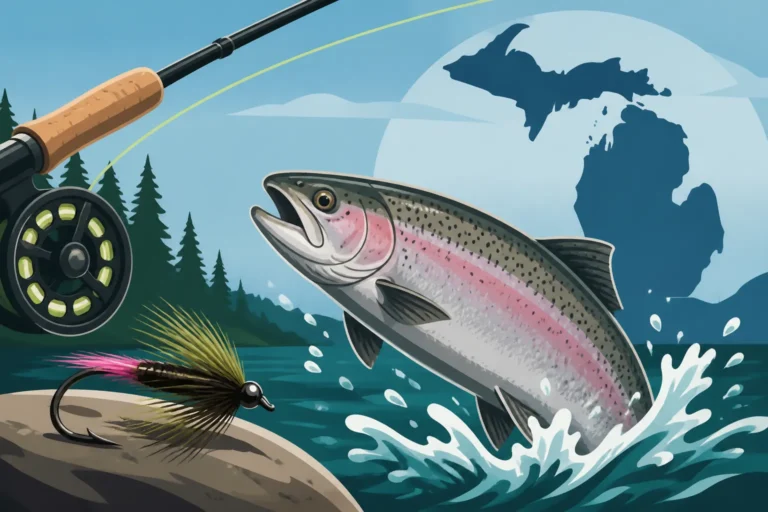
Fly anglers will typically opt for a 3-weight to 5-weight fly rod, depending on the size of the stream and the fish expected. A moderate-fast action rod will handle both delicate nymph presentations and the occasional streamer toss. Floating fly line is standard, with leaders and tippet in the 4x to 6x range to match small nymphs or spring creek conditions. Remember, cold hands can make tying knots a nightmare, so ensure your leader and tippet are pre-rigged or easily accessible. Having a sturdy landing net is also a smart move, especially when dealing with cold water and larger trout.
Baits and Lures That Shine Early Season
Trout in cold water are often less aggressive and more opportunistic. This means your bait and lure selection needs to appeal to their survival instincts rather than just their predatory ones. Natural baits are often highly effective. Live worms, particularly nightcrawlers or garden worms, are perennial favorites. Their natural scent and movement are incredibly enticing to sluggish trout. For those targeting larger brown trout or steelhead remnants, cured salmon or steelhead spawn can be irresistible. You can rig these in small spawn bags, drifting them naturally along the bottom. Just remember to check the What Counts as an Artificial Lure Under Michigan's Trout Rules to ensure compliance, especially if fishing designated artificial-lure-only waters.
For artificial presentations, small inline spinners (sizes #0 to #2) with bright blades (gold, silver, chartreuse) can be very productive. Their flash and vibration can trigger strikes from trout holding in current seams. Small spoons, jigs tipped with minnow imitations or soft plastics, and beads are also excellent choices. Beads, mimicking fish eggs, can be incredibly effective when drifted naturally, especially if there's any residual spawning activity or if steelhead are still in the system. Learning How to Rig a Bead for Steelhead can easily transfer to early season trout tactics. When shopping for these essentials, you'll find a vast selection of colors and sizes on sites like Amazon, allowing you to stock up on a variety to match local conditions.
Dressing for Success: Staying Warm and Dry
This isn't just about comfort; it's about safety and endurance. Michigan spring weather can be notoriously unpredictable, often swinging from pleasant to piercingly cold in a matter of hours. The misery of being soaked and freezing can quickly ruin a fishing trip and even lead to dangerous hypothermia. The key to staying comfortable on the spring opener is layering. Start with a moisture-wicking base layer, add insulating fleece or wool layers, and top it off with a waterproof and windproof outer shell.
Your feet and hands are particularly vulnerable. Quality waders, preferably breathable chest waders, are essential for staying dry, even if you don't plan on wading deep. Pair them with warm, moisture-wicking socks and insulated wading boots. If you're looking for durable and comfortable options, a quick search on Amazon for Best Waders for River Fishing will show you plenty of choices. For your hands, consider thin liner gloves for dexterity, covered by waterproof, insulated gloves for when you're not actively casting. A warm hat is non-negotiable, as you lose a significant amount of body heat through your head. Don't forget polarized sunglasses to reduce glare and spot fish, and perhaps a neck gaiter for added warmth.
Proven Techniques for Opening Day Trout
The unique conditions of the spring opener require specific strategies. Trout aren't chasing bugs on the surface yet, and they're not always aggressively hitting flashy lures. Instead, your focus should be on presenting baits and lures slowly, naturally, and in the right places.
Drifting and Dead-Drifting Natural Baits
When the water is cold and fish are sluggish, getting your offering right into their strike zone and keeping it there for as long as possible is paramount. This is where drifting natural baits truly shines. Whether you're using worms or spawn, the goal is to make your bait tumble along the bottom as if it were a natural piece of stream debris. Use just enough weight – split shot or an unweighted jig head – to get your bait down quickly without hindering its natural drift. A small bobber or strike indicator will help you detect subtle bites and keep your bait at the proper depth.
Focus your drifts on deeper pools, current seams, and the edges of eddies where trout might be holding. Cast upstream, allowing your bait to sink and drift naturally with the current, leading it through potential holding lies. Pay close attention to your line; any pause, twitch, or sudden movement could indicate a bite. Many anglers find this technique particularly effective for larger How to Catch Brown Trout in Michigan Rivers during the early season, as browns are often bottom-oriented and will readily take a well-presented worm or egg. The key is patience and a keen eye, as strikes can be incredibly light when the water is cold.
Utilizing Spinners and Spoons in Moving Water
While a natural drift is often the top producer, spinners and spoons have their place, especially if the water has a bit more color or if you suspect more aggressive fish might be present. The flash and vibration can be just enough to irritate a sluggish trout into striking. Choose smaller sizes, generally #0 to #2, with blades that spin easily even at slow retrieve speeds. Gold and silver are classic choices, but experiment with brighter colors like chartreuse or fire tiger if the water is murky.
The technique involves casting slightly upstream and across the current, then retrieving just fast enough to get the blade spinning, allowing the lure to swing through current seams and into slack water. Target eddies, log jams, and undercut banks – places where trout might be hiding out of the main current but are still looking for an easy meal. Vary your retrieve speed and depth until you find what triggers a response. Sometimes, a slow, steady retrieve is best; other times, a subtle twitch or pause can provoke a strike. Remember, trout don't have to expend much energy to grab a passing spinner, making it an attractive option in cold water.
Fly Fishing: Streamers and Nymphs for Cold Water
For fly anglers, the spring opener is almost exclusively a subsurface game. The insect hatches that bring trout to the surface typically don't begin in earnest until the water warms up considerably. Therefore, your fly box should be stocked with streamers and nymphs. Streamers, mimicking baitfish or leeches, are excellent for probing deeper water and targeting larger, predatory trout. Patterns like Woolly Buggers, Sculpin patterns, or small Clouser Minnows in olive, black, or brown can be deadly. Fish them with short strips or a slow swing, allowing the current to impart natural movement.
Nymphing is another highly effective method. Trout in cold water are often glued to the bottom, feeding on the larval stages of insects that haven't hatched yet. Patterns like Pheasant Tail Nymphs, Hare's Ear Nymphs, or caddis larvae imitations in sizes #12-18 are good starting points. The key is getting your nymph deep enough to drift naturally right along the streambed. Techniques like high-stick nymphing, where you keep as much line off the water as possible, or using a strike indicator and split shot, will help achieve the necessary depth and detect subtle takes. Our detailed guide on Fly Fishing Techniques for Michigan Trout Streams offers more insights into these methods. Don't forget to consider a robust fly rod for fighting those feisty spring fish. You can find excellent options, like a solid 5-weight rod, by browsing Best Fly Rod for Michigan Trout Streams listings on Amazon.
Where to Find Early Season Trout
Knowing how to fish is only half the battle; knowing where to fish is equally important, especially on the spring opener when trout behavior is heavily influenced by water temperature and flow. They're trying to conserve energy, so they won't be in fast, turbulent water unless there's a significant advantage to being there.
Targeting Deeper Pools and Slow Runs
In cold water, trout will gravitate towards areas that offer them a thermal advantage and a break from strong currents. Deeper pools are prime real estate, as they often hold slightly warmer water and provide more stable conditions. Look for the deepest sections of a pool, particularly those with overhead cover like fallen logs or undercut banks. These spots offer both shelter and a sense of security for the fish. Slow runs, especially those immediately downstream of riffles or rapids, can also hold trout. They can sit in these slower currents, letting food wash down to them without expending much energy.
Don't overlook the margins of the river either. The very edge of the bank, where the current is weakest, or the inside bends of a river can be excellent holding water. Trout will often tuck right against the bank, particularly if there's structure like root wads or submerged branches. Focus your efforts on thoroughly working these areas with repeated, careful drifts or casts. The fish might be stacked up, so if you catch one, there's a good chance others are nearby.
Tributary Mouths and Confluence Areas
One of the best places to find early season trout is near the mouths of tributaries or at confluence areas where a smaller stream meets a larger river. Why? Because the smaller stream might be warming up faster due to its shallower depth or different geology, bringing a slight influx of warmer water into the colder main river. This temperature difference, even if only a couple of degrees, can be a magnet for trout.
Furthermore, these tributary junctions often concentrate food sources. Insects or baitfish from the smaller stream might be washed into the main river, creating an easy meal for trout. Focus on the seam where the two currents meet, or just inside the slack water created by the confluence. These areas are known to hold fish and can be incredibly productive spots, such as those found along the famed Au Sable River Trout Fishing in Michigan. Always approach these spots quietly and cautiously, as trout can be easily spooked in the clear, low-angled light of early spring.
Understanding Michigan's Inland Trout Streams
Michigan boasts an incredible network of inland trout streams, each with its own character and nuances. Some are small, brushy creeks perfect for a stealthy approach, while others are wider, more open rivers. It's important to remember that while the Great Lakes offer year-round trout and salmon fishing, our inland streams have specific seasons. Michigan's Great Lakes Year-Round Trout Season is an exception to the inland stream opener. On the inland waters, the official opening date is when anglers across the Lower and Upper Peninsulas celebrate What Happens on Michigan's Trout Opener Weekend.
The When Does Trout Season Open on Inland Michigan Waters marks the start for streams like the Pere Marquette, Manistee, Au Sable, and countless smaller, unnamed creeks. Familiarize yourself with the regulations for your chosen stream, as some may have special regulations like artificial lure-only rules or specific harvest limits. A little scouting before the opener, even if it's just a drive-by to check water levels and clarity, can give you a significant advantage and help you decide where to focus your efforts for the best chance at success.
Here's a quick look at how various spring conditions might influence your gear and bait choices:
| Water Condition | Clarity | Temperature | Recommended Gear | Recommended Baits/Lures | Technique Focus |
|---|---|---|---|---|---|
| High & Turbid | Poor | Cold | Heavier rod (6-7ft, M-Light) | Worms, Spawn Bags, Large Nymphs | Slow, heavy drifts along bottom |
| Heavier line (6-8lb mono/fluoro) | Bright Spinners (#1-2) | Focus on slack water, eddies | |||
| Moderate Flow, Clear | Good | Cold | Lighter rod (5-6.5ft, L-UL) | Small Worms, Spawn Bags, Small Nymphs | Subtle, natural drifts |
| Lighter line (4-6lb mono/fluoro) | Subtle Spinners (#0-1), Beads | Target deeper pools, current seams | |||
| Low & Clear | Excellent | Cold | Longer, lighter rod (7ft+, UL) | Small Nymphs, Tiny Streamers | Delicate, stealthy presentations |
| Lightest line (2-4lb fluoro) | Small Jigs, Micro Spoons | Long casts, careful wading | |||
| Post-Snowmelt/Rain | Variable | Cold | Waterproof outerwear, Waders | Higher contrast lures | Focus on protected banks, confluences |
| Spare layers |
Disclaimer
This article is for general informational purposes only and does not constitute professional advice. Laws, prices and regulations vary by location and change over time. Consult a qualified professional for guidance on your specific situation.