What Happens on Michigan’s Trout Opener Weekend
That buzzing excitement you feel as spring approaches, knowing Michigan's inland trout opener is just around the corner? It's a feeling every angler in this state knows well. But if you're new to the scene, or just want to make sure you're fully prepared, understanding exactly what happens on Michigan's trout opener weekend can feel a bit overwhelming, with so many specific rules, local traditions, and the sheer number of enthusiastic anglers. This guide is here to break down everything you need to know to navigate the excitement, the regulations, and those first glorious casts of the season, ensuring you're ready to hit the water safely and successfully.
The Grand Anticipation: Shaking Off Winter's Chill
For many Michigan anglers, the inland trout opener isn't just a date on the calendar; it's a deeply ingrained tradition, a personal holiday marking the true arrival of spring. The winter months are spent dreaming of rushing rivers and rising fish, tying flies, spooling fresh line, and meticulously checking over gear. The anticipation builds through March, reaching a fever pitch in the days leading up to the last Saturday in April when the season officially kicks off on designated trout streams and rivers.
Pre-Opener Preparations and Scouting
Long before opening day, the real work for dedicated trout anglers begins. This often involves poring over maps, consulting stream reports (where available), and recalling past seasons' successes and failures. You might see anglers driving along river roads, pausing at bridges, or even taking short hikes to get a visual on water levels, clarity, and any significant changes in the landscape that winter floods or ice might have wrought. They're looking for prime lies, potential holding water, and identifying access points that might be less crowded come the big weekend. It's a blend of science, memory, and a good old gut feeling.
This pre-opener reconnaissance is about more than just finding fish; it's about connecting with the environment and understanding the conditions. Rivers like the Au Sable, Manistee, and Pere Marquette each have their own quirks, and understanding these before the crowds descend can make all the difference. Many anglers also use this time to refresh their knowledge of Michigan Fishing Regulations Every Angler Should Know, paying particular attention to any updates regarding specific river sections or species. It’s better to be over-prepared than caught off guard by a new rule.
The Buzz and Brotherhood on the Banks
As opening day draws near, a unique sense of community fills the air. Tackle shops become hubs of activity, buzzing with excited chatter, last-minute purchases, and friendly debates about the best flies or techniques. You'll hear stories, advice, and a shared sense of camaraderie among strangers who are all bound by their love for trout fishing. Many anglers will arrive at their chosen stretch of river the evening before, setting up camp or finding lodging nearby, eager to be among the first on the water at dawn.
This shared experience is a huge part of the trout opener's charm. You might see groups of friends gathered around campfires, sharing meals and telling tall tales of monster trout from years past. Families often make it a multi-generational outing, passing down traditions and teaching younger anglers the ropes. Even solo anglers find a quiet kinship on the water, sharing knowing glances or a friendly nod with fellow enthusiasts. It's truly a special time to be part of Michigan's angling community.
Navigating Regulations: Knowing the Rules of the River
While the excitement is palpable, understanding and adhering to Michigan's specific fishing regulations is paramount. The Department of Natural Resources (DNR) works tirelessly to manage fish populations, and these rules are in place to ensure sustainable fishing for generations to come. Ignoring them can lead to hefty fines and a spoiled weekend, which no one wants.
Inland Trout vs. Great Lakes Waters: Different Rules Apply
One of the most crucial distinctions to grasp is the difference between inland trout stream regulations and those for the Great Lakes and their connecting waters. For the general inland trout season, the opener is typically the last Saturday in April. However, certain stretches of the Great Lakes and their major tributaries may have different, often year-round, regulations for species like steelhead and lake trout. This is why it’s absolutely essential to consult the most current Michigan Fishing Regulations Digest before you head out, specifically looking at the maps and detailed descriptions for your chosen body of water.
For instance, while an inland stream might have a strict minimum size limit and a low daily possession limit for brown trout, a major Great Lakes tributary could have different rules for steelhead, which are essentially rainbow trout that migrate from the Great Lakes. Understanding these nuances is key to staying legal. The DNR's online resources and their DNR Hunt Fish App are excellent tools for checking specific regulations for any given body of water right from your phone.
Here’s a simplified look at typical distinctions, though always check the current digest for exact rules:
| Regulation Aspect | Typical Inland Trout Stream Rules (Opener) | Typical Great Lakes/Connecting Waters Rules (Steelhead/Lake Trout) |
|---|---|---|
| Opening Date | Last Saturday in April (for designated trout streams) | Often year-round, or different specific dates depending on species/location |
| Species Targeted | Brown Trout, Brook Trout, Rainbow Trout (resident populations) | Steelhead (migratory Rainbow Trout), Chinook Salmon, Coho Salmon, Lake Trout, etc. |
| Minimum Size Limit | Varies greatly by stream and species (e.g., 8-10 inches) | Varies by species and location (e.g., 10-14 inches for some trout/salmon) |
| Daily Possession | Generally lower (e.g., 5 total trout, with specific limits per species) | Often higher for certain species, but specific rules apply |
| Gear Restrictions | Some streams are "flies only" or "artificial lures only" | Generally more flexible, but check local rules |
Licensing, Bag Limits, and Artificial Lures
Before you even think about casting a line, ensure you have a valid Michigan fishing license. Anyone aged 17 or older needs one, and revenues from these licenses go directly back into conservation efforts, fisheries management, and improving access points across the state. You can easily purchase a Michigan Fishing License Online or at many retail locations. This also brings up the question of Do You Need a License to Fish in Michigan? — the answer is almost always yes, unless it's a designated free fishing weekend or you're under 17.
On the trout opener, daily possession limits and minimum size limits are strictly enforced. These limits vary significantly depending on the specific body of water and the species you're targeting. For example, some streams might have a 10-inch minimum for brown trout and a daily limit of 3, while others might allow for 5 brook trout at 7 inches. Pay close attention to these details in the regulations digest. Also, be mindful of specific gear restrictions. Some of Michigan's blue-ribbon trout streams are designated "flies only" or "artificial lures only." This means no live bait, and even certain types of artificial baits, like scented dough or soft plastics, might be prohibited. Understanding What Counts as an Artificial Lure Under Michigan's Trout Rules is critical, as violating this can lead to penalties.
Essential Gear, Tactics, and Making the Most of Opening Weekend
Once you've got your license and you're clear on the rules, it's time to talk gear and strategy. The trout opener can be a challenging time to fish due to cold water, unpredictable weather, and often finicky fish, but with the right approach, it can be incredibly rewarding.
What to Bring: Rods, Reels, and Terminal Tackle
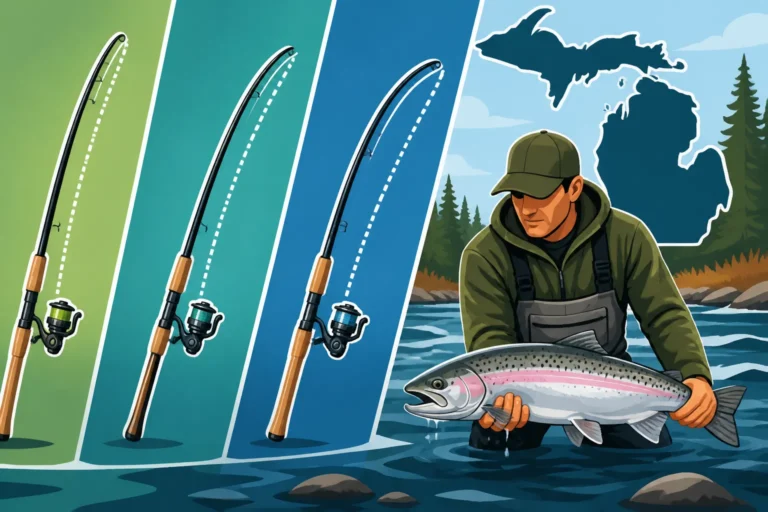
Your gear setup for trout opener depends a lot on your preferred fishing style and the type of water you'll be fishing. For most inland trout streams, a light to medium-light spinning rod (6' to 7') paired with a small spinning reel spooled with 4-6 lb monofilament or fluorocarbon line is a versatile choice. If you're a fly angler, a 4 to 6-weight fly rod is generally ideal for Michigan's trout streams, allowing for delicate presentations while still having enough backbone to handle larger fish. Many anglers find quality rods, reels, and even waders through retailers like Amazon, ensuring they have reliable gear for the diverse conditions Michigan offers.
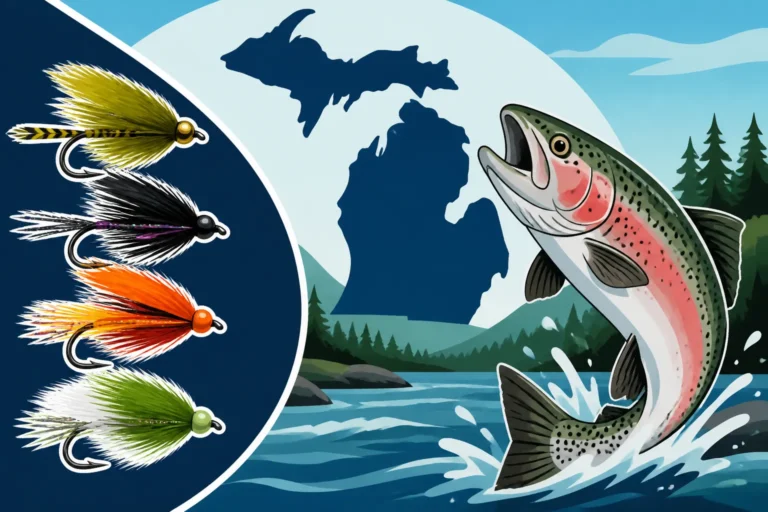
Beyond the rod and reel, a good selection of terminal tackle is crucial. This includes various hooks (sizes 8-14 are common), split shot sinkers, swivels, and a selection of lures or flies. For spinning anglers, small inline spinners, spoons, and various stickbaits can be very effective in cold spring waters. Fly anglers will want a range of nymph patterns (like Prince Nymphs, Hare's Ears, and Stoneflies), as well as some streamers for actively feeding fish. Don't forget a net! A rubberized net is best for safely landing and releasing fish, minimizing harm to their protective slime coat.
Effective Techniques for Cold Water Trout
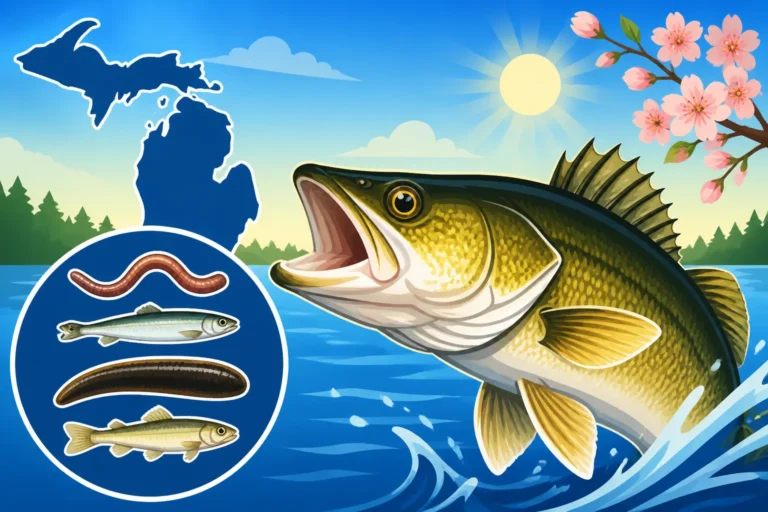
Spring trout fishing on opening weekend often means cold water, which can make fish less active and more reluctant to chase fast-moving baits. Slow and deliberate presentations are often the most effective. For spinning anglers, try drifting live bait (like worms or minnows, if allowed) or small jigs and spinners slowly through deeper pools and runs. Fan casting upstream and allowing your lure to drift naturally downstream can also be very productive. Remember that trout in cold water will often hug the bottom, so getting your bait down to their level is critical.
Fly anglers often excel with nymphing techniques during the opener. This involves using weighted nymphs and an indicator to drift flies along the bottom, mimicking insects that have been dislodged from the stream bed. Streamer fishing can also be effective, especially during warmer parts of the day or in slightly off-color water. Casting streamers across current and retrieving them with a strip-pause motion can entice aggressive strikes from larger brown trout. For more specific tactics, checking out a guide on Michigan's Spring Trout Opener Techniques can provide invaluable insights.
Waders, Warmth, and Safety First
Michigan spring weather is famously unpredictable. One moment it can be sunny and mild, the next a cold rain or even snow squall moves in. Layering your clothing is essential. Waterproof and breathable waders are almost a necessity for comfortable river fishing, allowing you to access prime spots while staying dry and warm. Many anglers will wear wool or synthetic base layers under their waders to provide insulation. A good waterproof jacket, a warm hat, and waterproof gloves are also highly recommended. You can find a vast selection of these items on Amazon, often with reviews that can help you choose the right gear for Michigan's diverse conditions.
Safety should always be your top priority. Cold water can be extremely dangerous. Always inform someone of your fishing plans and expected return time. If wading, use a wading staff for stability, especially in swift currents or on slippery river bottoms. Be mindful of rising water levels, which can happen rapidly with spring rains. Always exercise caution and common sense; no fish is worth risking your safety.
Beyond the Cast: Community, Conservation, and Continued Enjoyment
The trout opener weekend is more than just catching fish; it's about connecting with nature, enjoying the peacefulness of the river, and participating in a shared passion. It’s also a powerful reminder of our responsibility as anglers to protect these precious resources for the future.
Practicing Responsible Angling
While the thrill of catching a trout is undeniable, practicing responsible angling, especially during the opener, is crucial. This means knowing your Michigan Bag and Size Limits Explained and strictly adhering to them. If you're planning to release fish, handle them gently with wet hands, keep them in the water as much as possible, and revive them fully before letting them go. Consider using barbless hooks, which make for easier and less damaging releases. These conservation practices ensure that the fish populations remain healthy and that future generations can experience the same joy of the trout opener.
Many anglers view the opener as an opportunity to harvest a few fish for the table, which is perfectly fine within the legal limits. However, there's a growing trend towards catch-and-release, particularly for larger, older fish that are vital for spawning. Whether you keep or release, do so ethically and legally. The health of our trout streams depends on all of us being good stewards.
Planning for Future Trips and Exploring New Waters
The trout opener weekend might be the first big splash of the season, but it's just the beginning. Michigan offers incredible trout fishing opportunities throughout the spring, summer, and fall. As the season progresses, water temperatures will rise, insect hatches will become more prolific, and different techniques will come into play. Many anglers use the opener to get a feel for the rivers and then plan return trips as conditions change.
Consider exploring different rivers and streams as the season progresses. The state is crisscrossed with fantastic trout water, each offering its own unique challenges and rewards. Whether you're interested in Au Sable River Trout Fishing in Michigan or exploring the remote streams of the Upper Peninsula, there's always a new adventure waiting. The trout opener weekend is a fantastic start, but Michigan's trout fishing season is a long and glorious one, full of endless possibilities for the dedicated angler.
Disclaimer
This article is for general informational purposes only and does not constitute professional advice. Laws, prices and regulations vary by location and change over time. Consult a qualified professional for guidance on your specific situation.