Best Time to Fish Lake St. Clair for Smallmouth Bass
Trying to figure out the perfect time to chase those feisty smallmouth bass on Lake St. Clair can feel like a never-ending puzzle, with changing seasons, unpredictable weather, and bass behavior that seems to shift on a dime. It's frustrating when you spend a whole day out there only to come up empty-handed. This guide is here to untangle that complexity, giving you a deep dive into the best times to hit Lake St. Clair for smallmouth, broken down by seasons, daily patterns, and the subtle cues that signal a prime bite.
Understanding Smallmouth Bass Behavior on Lake St. Clair
Smallmouth bass, often called "bronzebacks" for their distinctive coloration, are truly one of Michigan's most sought-after game fish, and Lake St. Clair is a world-class fishery for them. But to consistently catch them, you need to understand their natural rhythms throughout the year. Their behavior is heavily influenced by water temperature, forage availability, and their reproductive cycle. If you understand what makes them tick, you can be in the right place at the right time.
Pre-Spawn and Spawning Patterns
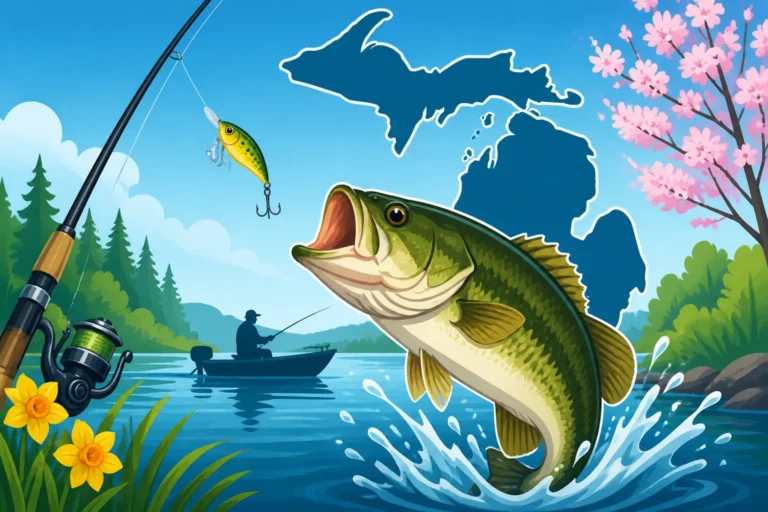
Spring on Lake St. Clair brings with it a palpable excitement for smallmouth anglers, as these fish begin their annual migration from deeper wintering grounds to shallower, rocky areas in preparation for spawning. This is known as the pre-spawn period, and it's an incredible time to target them. As the water temperature climbs from the low 40s into the low to mid-50s Fahrenheit, smallmouth become increasingly active, feeding aggressively to build up energy reserves for the strenuous spawning process. They'll stage near drop-offs, reefs, and rocky points where they can ambush baitfish like gobies and emerald shiners.
Once the water temperature consistently hits the mid-50s to low 60s, typically from late April through June, the smallmouth will move onto their beds in shallower, protected bays and flats with hard bottoms. During the actual spawn, males become very territorial, guarding the nests and eggs fiercely. While they'll strike out of aggression, catching them off beds can be controversial, as it removes the guardian and leaves eggs vulnerable. Many anglers opt to target them heavily during the pre-spawn and post-spawn periods, showing respect for the reproductive cycle.
Post-Spawn and Summer Habits
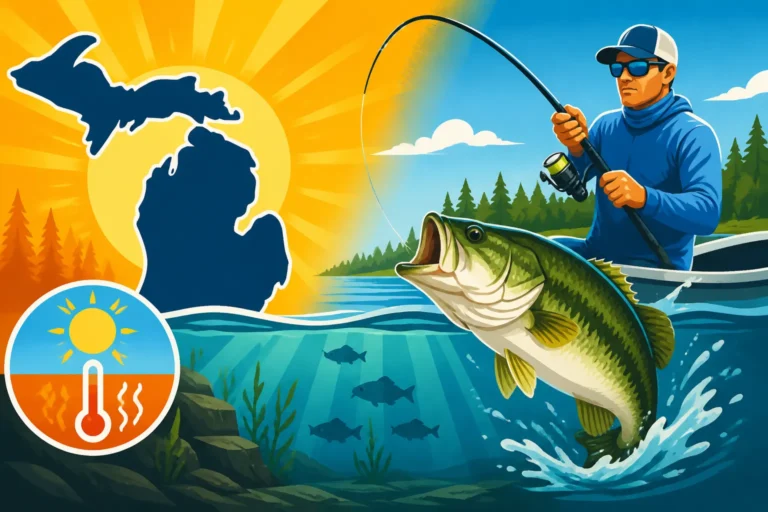
After the spawn, usually by late June or early July, smallmouth bass enter the post-spawn period. This can be a bit tricky, as fish may be exhausted and lethargic immediately after spawning. However, once they recover, they quickly transition into their summer feeding patterns. Lake St. Clair's vast, clear waters and abundant forage mean smallmouth grow fast and aggressively throughout the warmer months. You'll find them scattered across expansive flats, along weed edges, and near any structural elements that offer ambush points or shade, such as scattered rock piles, docks, or even navigation markers.
During the peak of summer, smallmouth on Lake St. Clair become more pelagic, often suspending over deeper grass beds or chasing baitfish in open water. They remain highly active and will readily strike a variety of presentations. Understanding the thermocline isn't as critical on Lake St. Clair due to its relatively shallow average depth, but finding areas with slightly cooler water or good oxygenation, often associated with current or deeper weed growth, can be key. For a comprehensive look at these incredible fish, check out our guide on Smallmouth Bass Identification in Michigan.
Fall Feeding Frenzy
As summer fades and autumn colors begin to grace the Michigan landscape, Lake St. Clair's smallmouth bass enter another phenomenal feeding period: the fall bite. As water temperatures drop from the 70s into the 60s and then the 50s, smallmouth begin to sense the impending winter and embark on a mission to bulk up their fat reserves. This means they become incredibly aggressive and will hit almost anything that crosses their path. They will often school up in larger numbers, making it possible to have truly epic days if you locate a productive area.
During this time, smallmouth will often move back to deeper edges and points, similar to their pre-spawn staging areas, but they're now focused purely on feeding. They follow schools of baitfish, often chasing them right up into shallow flats or concentrating on humps and deep weed lines. The cooler water temperatures also mean they can be active throughout the entire day, not just during low-light periods. This makes fall one of the most consistent and exciting times to target smallmouth on Lake St. Clair.
Seasonal Breakdown for Lake St. Clair Smallmouth Fishing
Each season presents unique opportunities and challenges for smallmouth bass anglers on Lake St. Clair. Being prepared for these changes will significantly increase your chances of success.
Spring: The Awakening
Spring, from April through early June, is truly a magical time for smallmouth on Lake St. Clair. As the ice recedes and the water begins to warm, the bass start to emerge from their winter slumber in deeper channels and basins. Initially, they'll be lethargic, hugging the bottom in slightly deeper water. But as soon as the sun has a chance to warm the shallows, particularly dark-bottomed bays and flats, those fish will follow the warmth and the bait.
The key to spring success is to follow the warming water. Look for protected bays and areas with dark bottoms that absorb sunlight, as these areas will warm up first. Smallmouth will stack up on the edges of these warmer zones, waiting for the perfect moment to move onto their spawning grounds. Lures that can be fished slowly and deliberately, such as jerkbaits, hair jigs, and tube baits, are incredibly effective during this period. The fishing can be phenomenal, with some of the biggest smallmouth of the year often caught during the pre-spawn. If you're looking for specific tactics for this time, our guide on How to Fish for Smallmouth Bass in the Spring offers some fantastic tips. Remember to always be aware of the Michigan Smallmouth and Largemouth Bass Daily Limit to ensure you're fishing legally.
Summer: High Action and Adaptability
Summer, typically from late June through August, offers consistent and exciting smallmouth action on Lake St. Clair, though it requires a slightly different approach than spring. The fish are fully recovered from spawning and are actively feeding on the abundant forage throughout the lake. The sheer size and uniformity of Lake St. Clair mean bass can be found almost anywhere, from shallow weed flats to deeper open water.
During the hottest parts of summer, smallmouth might hold slightly deeper, around expansive weed beds, rock piles, or channel edges, especially during the middle of the day. Early mornings and late evenings often provide excellent shallow-water bites as bass move up to feed. This is the time for fast-moving baits like crankbaits, spinnerbaits, and topwater lures, especially when targeting actively feeding fish over large areas. Drop-shot rigs, Ned rigs, and various soft plastics are also incredibly effective for probing specific structures or when the bite slows down. Lake St. Clair offers some amazing opportunities during this season for anglers willing to cover water and adapt to changing conditions.
Fall: Bulking Up for Winter
Hands down, for sheer consistency and the chance at trophy-sized fish, many anglers consider fall (September through November) to be the absolute best time to fish Lake St. Clair for smallmouth bass. As the water cools, the smallmouth become extremely aggressive, putting on as much weight as possible before winter's chill. They often school up tightly, and once you find a school, the action can be non-stop.
The tactics in fall often revolve around locating baitfish. Smallmouth will follow schools of emerald shiners, gobies, and other forage, concentrating in areas with abundant food. Look for transition zones, such as where hard bottom meets soft bottom, or along deeper weed lines. Vertical jigging with tubes or blade baits can be deadly when fish are schooled up, as can jerkbaits and crankbaits worked over flats and along drops. The key here is to keep moving until you find them, and then prepare for some serious battles. The cooler temperatures mean these fish fight even harder, making for truly memorable days on the water.
Daily Timing and Weather Considerations
While the seasonal patterns are crucial, the daily timing and prevailing weather conditions can also dramatically influence smallmouth bass activity on Lake St. Clair. Paying attention to these subtle nuances can turn a slow day into a stellar one.
Optimal Times of Day
Generally, smallmouth bass on Lake St. Clair, especially during warmer months, are most active during low-light conditions. This means early mornings, from first light until a couple of hours after sunrise, and late evenings, from a few hours before sunset until dusk, are often prime times. During these periods, bass tend to move shallower to feed aggressively, making them more accessible to anglers using a variety of presentations, including exciting topwater action.
However, the middle of the day isn't always a bust. On overcast days, or during spring and fall when water temperatures are cooler, smallmouth can remain active throughout the entire day. In summer, during bright sunny periods, they might retreat to deeper weed lines, rock piles, or areas with current, requiring different techniques like deep cranking, drop-shotting, or jigging. It's all about understanding where they're likely to be and how they're likely to be feeding based on the light and temperature.
Impact of Weather and Water Conditions
Weather plays an enormous role in smallmouth fishing success. Stable weather patterns, even if they're not "perfect," are generally better than sudden, drastic changes. A slowly falling barometer before a front can often trigger an aggressive feeding binge, while a rapidly rising barometer after a cold front can make fish extremely lethargic and finicky. Overcast days with a light chop on the water are often ideal, as the diffused light encourages bass to stay active in shallower water and the chop breaks up the surface, making it harder for them to detect your presence.
Wind direction and speed are also critical on a large, shallow lake like St. Clair. A consistent wind can push baitfish into certain areas, concentrating smallmouth. It can also create current over shallow flats, which smallmouth love. However, too much wind can make boat control difficult and muddy up the water in certain areas. Always check the forecast and adjust your fishing plan accordingly. Regarding regulations, always make sure you're up to date on Michigan Fishing Regulations Every Angler Should Know before heading out.
Gear and Techniques for Lake St. Clair Smallmouth Success
Having the right tools and knowing how to use them is paramount to consistently catching smallmouth bass on Lake St. Clair, regardless of the season. The clear waters and sometimes finicky nature of these fish demand specific approaches.
Recommended Lures and Baits
Lake St. Clair smallmouth respond well to a wide array of lures and baits, but some consistently stand out.
- Tubes: Without a doubt, tube jigs are perhaps the most iconic and consistently effective smallmouth bait on Lake St. Clair. They imitate gobies, which are a primary forage. Colors like green pumpkin, watermelon, and smoke are excellent. Rigged on an internal jig head, they can be dragged, hopped, or vertically jigged. You can find a huge selection of tube baits on services like Amazon, ready to ship to your door.
- Jerkbaits: Suspending jerkbaits are killer in cooler water, particularly during spring and fall. Brands like Rapala, Lucky Craft, and Megabass are favorites. These lures mimic dying baitfish and can elicit vicious strikes when twitched and paused.
- Drop-Shot Rigs: When fish are finicky or holding tight to structure, a drop-shot rig with a small soft plastic (like a minnow imitation or worm) is unbeatable. This technique presents the bait just off the bottom, right in the smallmouth's strike zone.
- Crankbaits: Both shallow-diving and medium-diving crankbaits are excellent for covering water, especially over shallow flats or along weed edges in summer and fall. Colors that imitate perch, crayfish, or shad are usually reliable.
- Spinnerbaits/Chatterbaits: These are great for covering water, especially in windy conditions or around sparse cover. The vibration and flash can draw fish from a distance.
- Topwater Lures: In low-light conditions during summer, topwater baits like walking baits (e.g., Heddon Super Spook) and poppers can provide explosive, heart-stopping strikes.
- Hair Jigs: Especially effective in cold water during spring and late fall. They can be fished very slowly and subtly, mimicking a variety of forage.
Understanding Best Technique for Smallmouth Bass on Lake St. Clair and Casting Techniques for Smallmouth Bass will help you deploy these lures effectively.
| Season | Best Lures/Baits | Key Techniques | Target Areas |
|---|---|---|---|
| Spring | Tubes, Jerkbaits, Hair Jigs, Blade Baits | Slow retrieve, twitch-pause, vertical jigging, dragging | Protected bays, rocky points, shallow flats |
| Summer | Tubes, Drop-shots, Crankbaits, Topwater, Spinnerbaits | Fast retrieve, jigging, walking the dog, cranking | Weed edges, open flats, deeper rock piles, current |
| Fall | Tubes, Jerkbaits, Blade Baits, Swimbaits | Vertical jigging, ripping, twitch-pause, casting | Deeper breaks, humps, current areas, baitfish schools |
Essential Tackle and Electronics
Having the right rod, reel, line, and electronics can make a significant difference. For Lake St. Clair smallmouth, a medium-light to medium power spinning rod (6'6" to 7'6") with a fast action is a versatile choice for most techniques, especially when fishing with lighter lures and plastics. Pair it with a 2500-3000 series spinning reel spooled with 8-10 lb braided line and a fluorocarbon leader (6-10 lb test). Baitcasting setups can also be used for heavier presentations like larger jerkbaits or crankbaits.
Boat control is crucial on Lake St. Clair, particularly when dealing with wind or current. A reliable trolling motor with GPS Spot-Lock functionality, like those from Minn Kota or Lowrance, is almost a necessity. This allows you to hold your position precisely over structure or schools of fish, maximizing your fishing time. Modern marine electronics, including powerful side-imaging and down-imaging sonar, are invaluable for locating structure, identifying baitfish, and finding those elusive smallmouth. Brands like Humminbird and Garmin offer excellent options for navigating and finding fish in the lake's vast expanses. You can find plenty of great deals on these essential items on Amazon. For specific advice on where the action often is, check out our guide to Lake St. Clair Smallmouth Bass Hot Spots. Don't forget, having a valid Michigan Fishing License Guide for Residents and Nonresidents is the first step to enjoying all the great fishing Michigan has to offer!
Disclaimer
Fishing conditions and regulations in Michigan can change frequently. Always consult the latest Michigan Department of Natural Resources (MDNR) fishing guide before heading out on the water. This information is intended for general guidance and educational purposes only.