How to Fish a Spinner for Michigan Steelhead
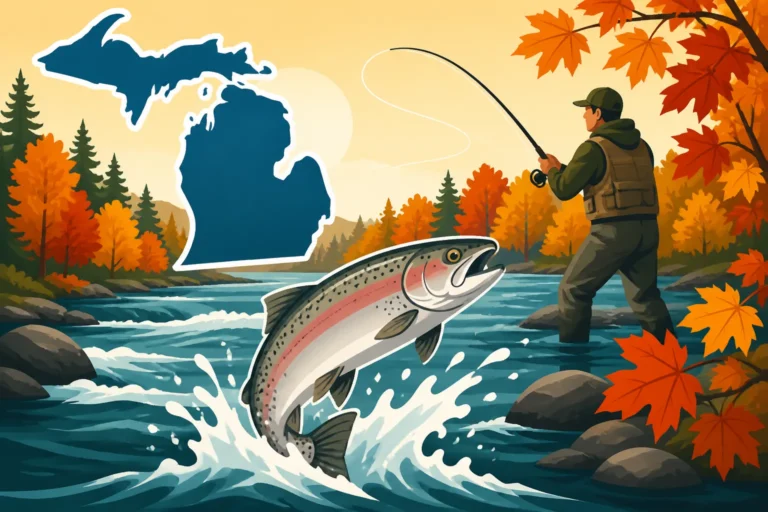
There's nothing quite like the thrill of a Michigan steelhead hitting your line, and for many anglers, especially those new to river fishing, the sheer number of techniques can feel overwhelming. You might have tried various baits or flies with limited success, leaving you wondering if there's a more active, dynamic approach. This guide is all about simplifying one of the most effective and exciting ways to target these chrome beauties: fishing with spinners. We're going to dive deep into how you can effectively use spinners to entice those powerful steelhead in Michigan's rivers.
Understanding Steelhead Behavior and Spinner Appeal
Before you even tie on your first spinner, it's incredibly helpful to understand why steelhead are so drawn to them. These fish are powerful, aggressive, and often reactive, especially when they've recently entered a river from the Great Lakes. Spinners tap into several of their predatory instincts, making them an irresistible target when presented correctly.
Why Steelhead Love Spinners
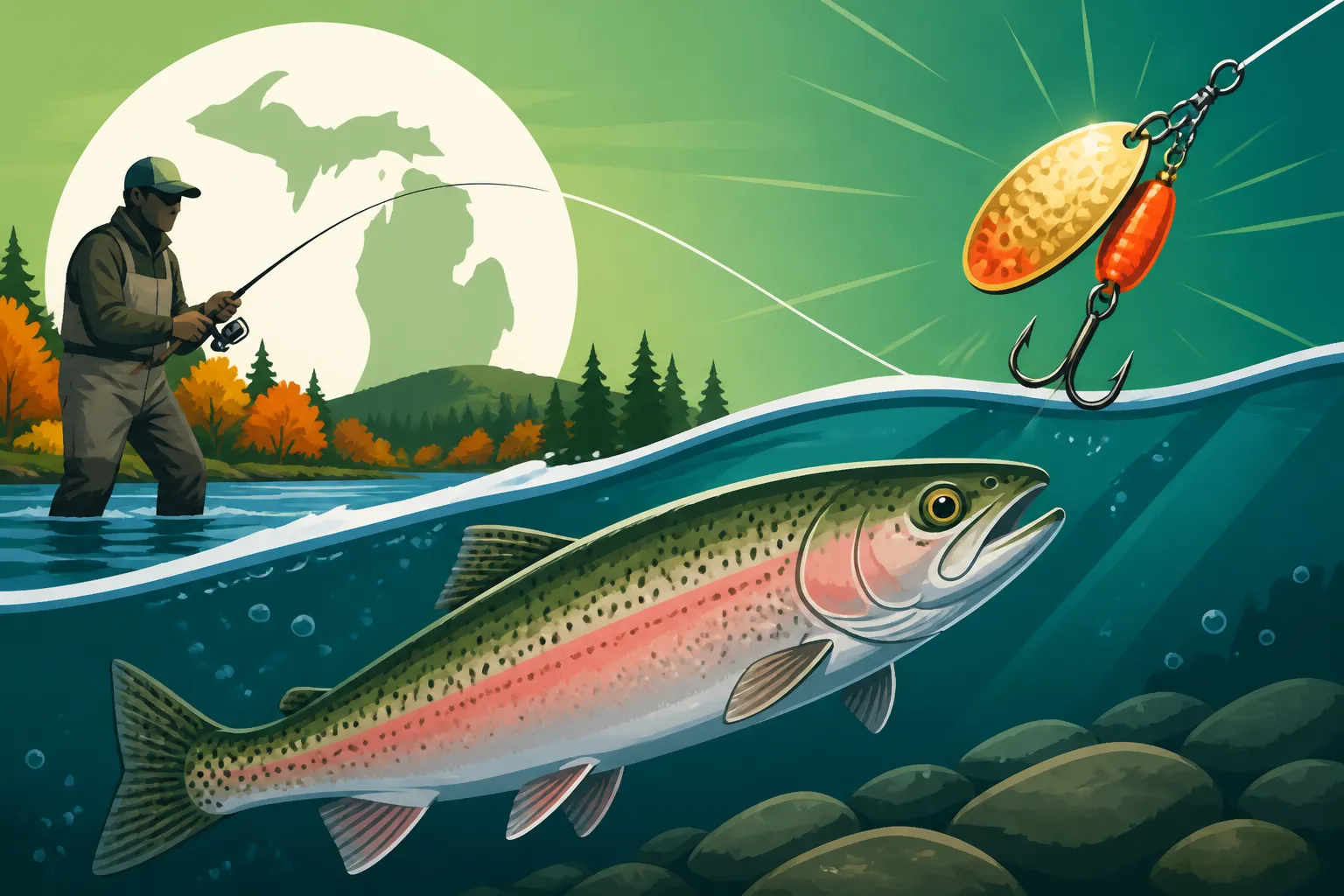
Steelhead, which are essentially rainbow trout that migrate to the Great Lakes and return to rivers to spawn, are visual predators. They rely heavily on sight and lateral line senses to detect prey and react to movement in the water. Spinners excel in this regard because they create a dynamic presentation that mimics injured baitfish or other aquatic organisms. The flash from the spinning blade is a major attractant, often catching their eye even in murky conditions or from a distance. Think of it like a shiny, distressed minnow darting through the current – it's an easy meal opportunity that a steelhead can't often resist.
Beyond the visual appeal, spinners also generate significant vibration. As the blade rotates, it displaces water, sending pressure waves through the current that steelhead can feel with their lateral line, a sensory organ running along their sides. This tactile stimulation can alert fish to the spinner's presence long before they see it, especially in faster water or when visibility is low. It's a combination of "look at me!" and "feel me!" that triggers an aggressive strike response. The action of a well-tuned spinner is designed to provoke a reaction, not just a casual inspection.
Reading the River: Where to Find Steelhead
Knowing how steelhead react to spinners is one thing; knowing where to put that spinner is another entirely. Steelhead aren't just everywhere in a river; they hold in specific types of water that offer them comfort, safety, and access to food or spawning grounds. Understanding these holding lies is paramount to success. Look for areas where the current breaks or slows down, offering a respite from the main flow. This could be behind large rocks, submerged logs, or gravel bars. These "current seams" are prime spots because fish can conserve energy while waiting for food to drift by.
Riffles, which are shallow, fast-moving sections of the river, are often followed by deeper pools. The tail-out of a riffle, where the fast water begins to slow and deepen, is an excellent place to find actively feeding steelhead. They'll often stage here before moving into the deeper, calmer pools. Similarly, the head of a pool, where fresh water pours in, can also be productive. As for deeper pools themselves, look for structure. Drop-offs, undercuts in the bank, or even just subtle changes in bottom contour can create prime holding areas. Steelhead will often hug the bottom or structure to avoid predators and the full force of the current. Learning to read these subtle signs comes with experience, but knowing what to look for will give you a huge head start. For a deeper dive into where these magnificent fish reside, check out our guide on Michigan Steelhead Run Timing.
Essential Spinner Gear for Michigan Steelhead
Having the right equipment makes a huge difference when fishing for steelhead with spinners. It’s not just about comfort; it’s about sensitivity, casting accuracy, and the ability to control a powerful fish in strong currents. Don’t skimp on your setup, as a cheap rod or weak line can quickly lead to heartbreak when you hook into a chrome missile.
Rod, Reel, and Line Selection
For spinner fishing for steelhead, a medium-light to medium power spinning rod, typically 8 to 9.5 feet in length, is ideal. This length provides the leverage needed for long casts, better line control in the current, and excellent shock absorption when a steelhead makes a powerful run. A sensitive tip is crucial for detecting subtle bites, while a strong backbone helps you steer and fight the fish effectively. Think of it as an extension of your arm, allowing you to feel every bump, tic, and, most importantly, the aggressive strike. You can find some great options for various price points on Amazon. If you're wondering about the specifics, our article on Best Rod Length for River Steelhead can provide more detail.
Pair your rod with a quality spinning reel in the 2500-4000 series size. This size offers a good balance of line capacity, retrieve speed, and drag power. A smooth, reliable drag system is non-negotiable, as steelhead are notorious for explosive runs that test your equipment to its limits. For your main line, 8-12 pound monofilament or fluorocarbon is a popular choice for its shock absorption and abrasion resistance. Many anglers, however, prefer 10-20 pound braided line for its superior sensitivity and casting distance, especially when paired with a fluorocarbon leader (6-10 pound test) for stealth in clear water. The no-stretch nature of braid helps transmit even the slightest tap, crucial for detecting those light steelhead bites in cold water. For more information on what reels to consider, our guide on Best Reels for Steelhead Fishing is a must-read. If you're undecided on line choices, take a look at our insights on Best Line Weight for Michigan Steelhead.
Choosing the Right Spinner
The world of spinners can be a bit overwhelming with all the different shapes, sizes, and colors. However, for Michigan steelhead, you can narrow down your choices significantly. The most common and effective spinner sizes range from 1/8 oz to 3/8 oz. These sizes offer a good balance between castability, sink rate, and presentation in river currents. Larger spinners might be used in high, murky water, while smaller ones are better for low, clear conditions.
Blade type is another critical factor. The three main types are Colorado, Indiana, and Willow. Colorado blades are round and wide, creating maximum flash and vibration, making them excellent for stained water or when you need to really call attention to your lure. Indiana blades are a hybrid, offering a good balance of flash and vibration, a versatile choice for many conditions. Willow blades are long and slender, providing less flash and vibration but allowing for faster retrieves and better penetration through current, often favored in clearer water or when fish are less aggressive. Color choice often depends on water clarity and light conditions: bright colors like chartreuse, orange, or hot pink are great for dark or murky water, while natural tones like silver, gold, or brass work well in clear water or on sunny days. Having a selection of these blade types and colors on hand, perhaps from a selection you've ordered from Amazon, will prepare you for varying river conditions.
Step-by-Step Spinner Fishing Techniques
Once you have your gear dialed in, it's time to learn how to present that spinner effectively. It's not just about casting and reeling; it's about making the spinner look as natural and enticing as possible to a hungry steelhead. Precision and control are key here.
Casting and Presentation
The cardinal rule of spinner fishing for steelhead is to cast upstream and slightly across the current. This allows your spinner to sink to the desired depth and drift naturally downstream before you begin your retrieve. Aim for seams, eddies, or behind structure where you suspect steelhead might be holding. The goal is to have your spinner enter the fish's strike zone before the line and reel become obvious. If you cast directly at them, you risk spooking them. When you cast, use a smooth, controlled motion to avoid line twists, which can foul your spinner's action.
As your spinner drifts downstream, keep a "tight line" – not taut, but just enough tension to feel the spinner working and detect a bite. You'll often feel the blade vibrating through your rod tip. This is critical for maintaining contact with your lure and feeling those subtle strikes. Allow the spinner to pendulum down-current, keeping your rod tip pointed towards the line at about a 45-degree angle. This angle helps you absorb sudden strikes and maintain control. Resist the urge to start reeling too quickly; let the current do some of the work, allowing the spinner to tumble and flash naturally through the strike zone. You can find more about river fishing techniques, including complementary methods like Drift Fishing Michigan Rivers for Steelhead, in our comprehensive guides.
Retrieval Methods and Speed
The retrieval is where the magic happens, but it's not a one-size-fits-all approach. Your retrieval speed should primarily be dictated by the current speed. The goal is to keep the spinner's blade spinning, but not so fast that it's zipping unnaturally through the water, nor so slow that it's just dragging. In faster water, a slower retrieve might be necessary to allow the spinner to stay in the strike zone longer and maintain a natural appearance. In slower pools, you'll need a faster retrieve to get that blade spinning effectively.
Varying your retrieve can also be incredibly effective. Instead of a steady crank, try adding subtle pauses, small twitches, or speed bursts. This erratic action can mimic a wounded baitfish, often triggering a reactionary strike from a hesitant steelhead. Pay close attention to how the current affects your spinner. If it's washing out too quickly, you might need a heavier spinner or a slower retrieve. If it's barely spinning, speed up your retrieve or try a lighter spinner with a more aggressive blade. The key is to experiment until you find what the fish are reacting to on that particular day. Feeling the resistance and vibration of the blade working correctly is your best indicator that you're in the zone.
Hook Set and Fighting the Fish
When a steelhead hits a spinner, it's often not a subtle tap. Be prepared for a jarring, aggressive strike that can nearly rip the rod from your hands! The moment you feel that definitive "thump" or the line goes slack (which can indicate a fish swimming towards you after the strike), set the hook immediately and firmly. A strong, sweeping motion of the rod tip upwards and slightly to the side is usually sufficient to drive the hook home. Do not hesitate; steelhead can spit a lure incredibly quickly.
Once the hook is set, the real battle begins. Steelhead are renowned for their powerful runs, acrobatic jumps, and general refusal to quit. The most important thing is to maintain constant tension on the line, but avoid "horsing" the fish. Let your reel's drag do its job. When a steelhead runs, let it take line, but be ready to reel quickly when it pauses or swims towards you to regain line and keep tension. Use the rod's backbone to guide the fish, keeping its head pointed away from snags and structure. Keep the rod tip up to maximize your leverage and keep the fish from gaining slack line. Steelhead are masters of finding ways to throw the hook, so patient and persistent fighting is critical. Once you've successfully landed your fish, remember to handle it gently, especially if you plan to practice catch and release, as many anglers do with Michigan Muskellunge Harvest Reporting Rules.
Advanced Tips for Michigan Steelhead with Spinners
Fishing for steelhead with spinners is an art that can be refined over time. These advanced tips will help you elevate your game, whether you're looking to tweak your lure, understand seasonal nuances, or ensure you're a responsible angler on the river.
Spinner Modifications and Scent
Sometimes, a spinner right out of the package isn't quite enough to seal the deal. Small modifications can significantly increase your success rate. Adding a small, colored bead directly above the treble hook (or a single hook, if you've swapped it out for conservation reasons) can add an extra visual trigger. Beads in egg-mimicking colors like orange, chartreuse, or even a natural clear/pearl can make your spinner appear like a baitfish chasing an egg, or a minnow with a colorful morsel. Some anglers also add small soft plastic skirts or tails to their spinners for added bulk and undulation in the water. These subtle additions can be enough to turn a follow into a strike.
Scent can also play a vital role, especially in colder water or when fish are less active. Steelhead possess a keen sense of smell, and adding a dab of fish attractant gel or paste to your spinner's blade or skirt can provide that extra olfactory cue. Scents like anise, garlic, or various baitfish formulas can mask human odors and entice hesitant fish to hold onto the lure longer, giving you more time to set the hook. You can find a wide array of scents on Amazon, and experimenting with different types can reveal local preferences. Just be mindful of local regulations regarding scent use, though they are generally permitted for spinners.
Seasonal Considerations
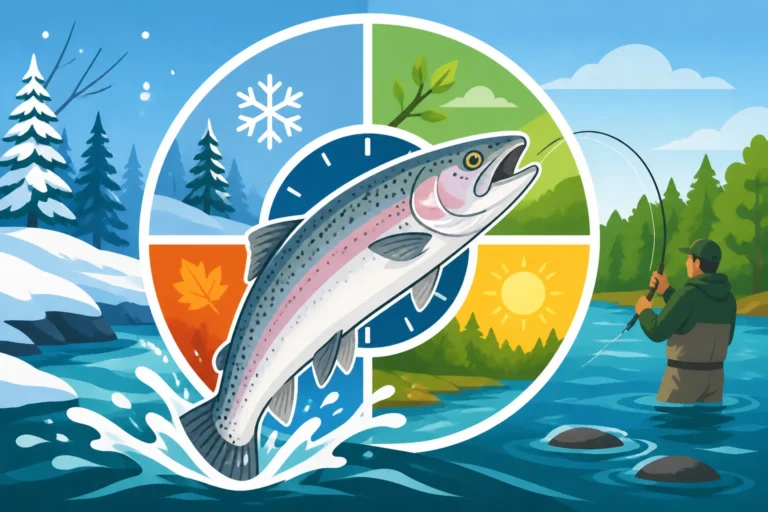
Michigan's steelhead runs offer exciting opportunities throughout much of the year, but the conditions and fish behavior change dramatically with the seasons. Understanding these shifts is crucial for spinner success. The Fall Steelhead Run in Michigan Rivers often sees fish entering rivers to feed on salmon eggs, making smaller, egg-imitating spinners or those in bright colors particularly effective. Water levels can be lower and clearer, requiring a stealthier approach and more natural spinner colors.
As we move into the Winter Steelhead Run in Michigan Rivers, the water gets colder, and steelhead become more lethargic. They often hold in deeper, slower pools and require a slower, more deliberate presentation. Spinners need to be worked slowly and deep, sometimes with pauses to really get in front of the fish's face. In contrast, the Michigan Spring Fishing Season Guide brings warmer water and more aggressive fish as they prepare to spawn. Higher, murkier water might call for larger, brighter spinners that create more flash and vibration. Water temperatures significantly influence fish activity, so matching your retrieve and spinner choice to the conditions is paramount for consistent success. Our comprehensive guide on Michigan Fishing Seasons Explained offers a full rundown of what to expect throughout the year.
Safety and Etiquette on Steelhead Rivers
Steelhead rivers can be challenging environments, and safety should always be your top priority. Wading boots with good traction (felt or studded soles) and a wading staff are essential for navigating slippery rocks and strong currents. Always know your limits and avoid wading in water that's too deep or too fast. Dress in layers, as Michigan weather can change quickly, and always inform someone of your fishing plans and expected return time.
River etiquette is just as important. These popular fisheries can get crowded, especially during peak runs. Always give other anglers ample space and avoid crowding their spots. If you're wading, try not to disturb the water directly upstream of another angler. Communicate, be polite, and remember that everyone is out there to enjoy the experience. If you're practicing catch and release, handle fish with wet hands, support their body, and release them quickly and gently to ensure their survival. Always carry your Michigan Fishing License Guide for Residents and Nonresidents and be aware of specific Michigan Fishing Regulations Every Angler Should Know for the river you're on, including any special tackle restrictions or catch limits. Respecting the fish, the river, and your fellow anglers ensures a positive experience for everyone and helps conserve these amazing resources.
Disclaimer
This article is for general informational purposes only and does not constitute professional advice. Laws, prices and regulations vary by location and change over time. Consult a qualified professional for guidance on your specific situation.