Best Technique for Smallmouth Bass on Lake St. Clair
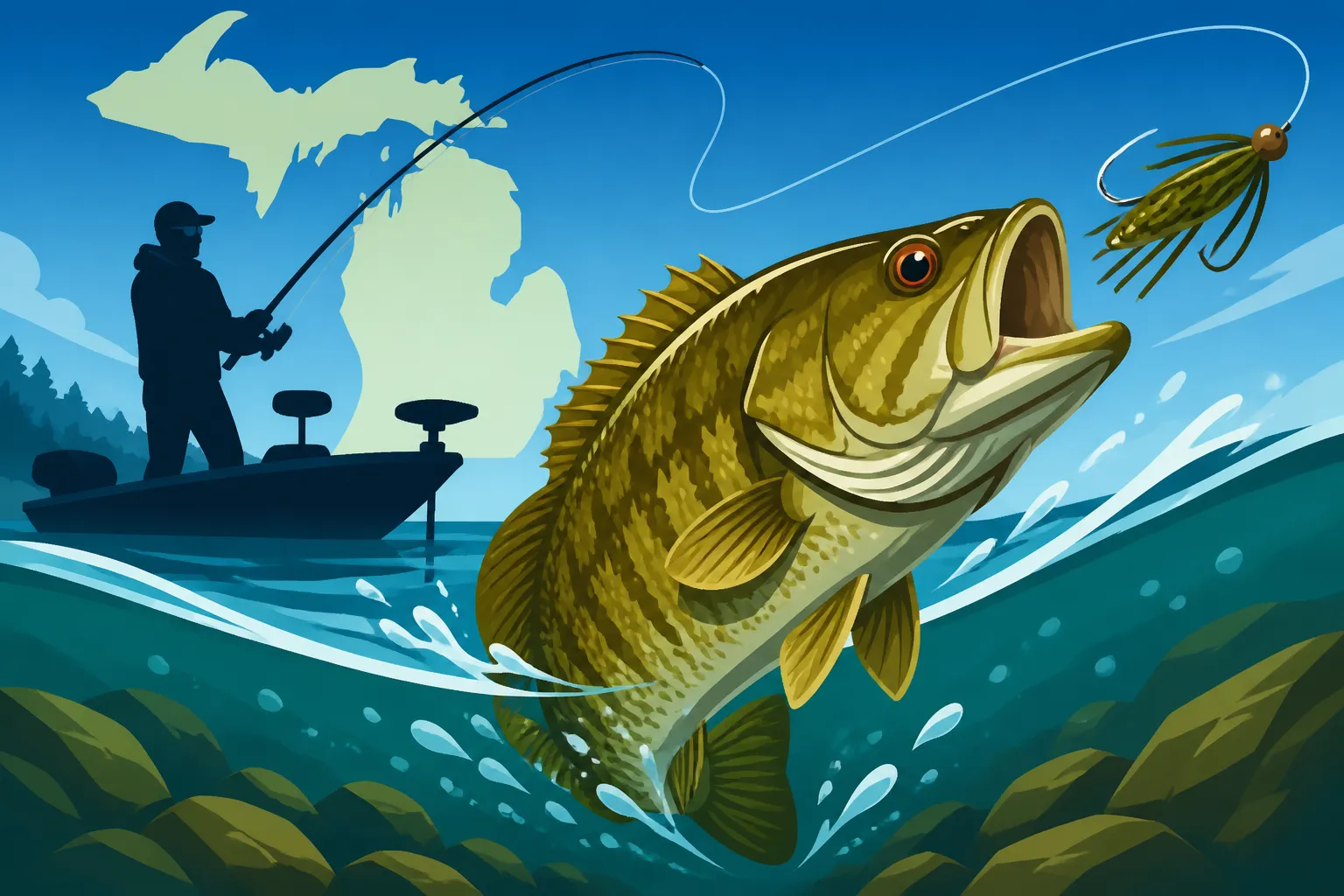
It can be incredibly frustrating when you’re out on the legendary waters of Lake St. Clair, known for its incredible smallmouth bass, but the fish just aren't cooperating. You know they're there, but figuring out the best way to get them to bite can feel like a secret code. This guide will dive deep into the most effective techniques to consistently catch smallmouth bass on Lake St. Clair, ensuring your next trip is a success.
Understanding Lake St. Clair's Smallmouth Bass Habitat
Before you even think about casting a line, it's vital to understand the unique environment that makes Lake St. Clair such a prime smallmouth fishery. This massive body of water, though often overlooked next to its Great Lakes neighbors, provides an ideal habitat that influences how these bronze beauties feed and behave. Grasping these nuances will give you a significant advantage, moving beyond just blindly throwing lures to making informed, strategic decisions.
The Unique Lake St. Clair Environment
Lake St. Clair is truly one of a kind. It’s a relatively shallow lake, often described as a "big bowl," with an average depth of around 11 feet, though channels can go deeper. This shallow nature, combined with its connection to Lake Huron and Lake Erie via the St. Clair and Detroit Rivers, means constant water movement and incredible clarity. This clarity is a double-edged sword: it allows smallmouth to see your baits from afar, but it also means they can spot unnatural presentations or heavy line with ease. You'll find expansive flats covered in various types of weeds – milfoil, coontail, and even cabbage patches – mixed with scattered rocky shoals, shell beds, and artificial structures like docks and break walls. These diverse features create a mosaic of prime smallmouth holding areas throughout the lake.
The clarity of Lake St. Clair's water demands a more stealthy approach than you might use on murkier lakes. Bass here are visual hunters, often relying on their keen eyesight to ambush prey. This means line choice, lure color, and presentation become absolutely critical. When the sun is high and the water is calm, these fish can become incredibly wary, often retreating to deeper weed edges or hunkering down in dense cover. Conversely, during overcast conditions or when a chop is on the water, they become more aggressive and less cautious, presenting a fantastic opportunity for anglers who understand how to capitalize on these shifts.
Seasonal Movements and Forage
Smallmouth bass on Lake St. Clair are highly migratory, their movements dictated by water temperature, spawning cycles, and the availability of their primary food sources. In the spring, as water temperatures rise, they move into shallower areas to spawn, often congregating around protected bays and rocky points. This is a crucial time, but anglers must respect their spawning beds. Post-spawn, they disperse but will remain relatively shallow, feeding heavily to recover their energy. As summer progresses and water temperatures peak, many smallmouth will move to deeper weed lines, current seams, or rocky humps, seeking cooler water and denser cover. The fall sees them once again moving shallower as baitfish congregate before winter, offering some of the most exciting fishing of the year.
Their diet is varied but heavily relies on a few key species that thrive in Lake St. Clair. The invasive round goby is a predominant food source, making smallmouth incredibly adept at eating bottom-dwelling prey. This has drastically influenced their behavior and favored specific bait presentations. Beyond gobies, they also feast on crayfish, various minnow species like emerald shiners, and young-of-the-year perch. Understanding what they’re eating at any given time can help you "match the hatch" with your lure selection, giving you an edge over other anglers. If you're keen to learn more about identifying these species, check out our guide on Smallmouth Bass Identification in Michigan.
Top Techniques for Targeting Lake St. Clair Smallmouth
Now that we understand the smallmouth's world on Lake St. Clair, let's talk about the techniques that consistently put fish in the boat. These aren't just generic bass methods; they're refined approaches that capitalize on the specific conditions and feeding habits of these particular fish.
Drop-Shotting for Finicky Bass
When Lake St. Clair smallmouth are being particular, or when the water is crystal clear and conditions are tough, the drop-shot rig is often the ultimate savior. This technique presents a bait just above the bottom, keeping it visible and enticing while minimizing unwanted movement, making it perfect for targeting fish holding tight to structure or deep weed edges. It's incredibly versatile and allows for a subtle, natural presentation that wary bass can't resist. Many anglers swear by it, especially during midday lulls or post-front conditions when bass are less active.
To set up a drop-shot, you'll need a hook (often a specialized drop-shot hook or an octopus hook) tied directly to your main line, with a leader extending below it to a sinker. The key is to select the right weight for the depth and current, usually between 1/4 to 1/2 ounce on St. Clair. The magic happens with your bait: small soft plastics like straight worms, minnow imitations, or tiny creature baits work wonders. Colors that mimic gobies or shiners are often best. Cast your rig out, let it sink to the bottom, and then subtly shake your rod tip to impart action to the bait without moving your sinker. This makes the bait quiver enticingly in place, mimicking a dying or feeding baitfish. You can find excellent drop-shot weights and soft plastics on Amazon, offering a wide variety of shapes and colors. This technique allows for precise targeting, which is essential when fishing around specific cover.
Tube Jigs and Jigging for Structure
Tube jigs are another iconic Lake St. Clair smallmouth killer, especially when fish are relating to rocky bottoms, gravel patches, or shell beds. Their hollow, skirted design, when rigged correctly, allows them to spiral and glide enticingly on the fall, mimicking a dying goby or a scurrying crayfish – two of the smallmouth's favorite meals. The beauty of a tube jig is its ability to imitate different prey depending on how you work it.
To fish a tube effectively, you'll typically use an internal jig head, which slides up inside the tube's body, creating a natural, weedless profile. Weights can vary from 1/4 to 5/8 ounce, depending on depth and current. Cast your tube jig to your target structure, let it sink, and then work it back with short hops, drags, or a combination of both. Pay close attention to the retrieve: many strikes occur as the tube flutters on the fall after a hop. Common tube colors include green pumpkin, watermelon, and various browns and purples that imitate gobies and crayfish. When you’re fishing around rocky areas, the tube's soft plastic body helps it deflect off snags, making it an excellent choice for navigating tricky bottom contours where big smallmouth often hide. For more insights on this, read our detailed article on Lake St. Clair Smallmouth Bass Fishing.
Crankbaits and Jerkbaits for Aggressive Fish
When smallmouth are actively feeding and more aggressive, especially in stained water conditions or during periods of low light, crankbaits and jerkbaits can be absolutely devastating. These lures excel at covering water quickly and drawing reaction strikes from fish that might ignore more subtle presentations. They are fantastic tools for identifying active fish in an area before slowing down with other techniques.
Crankbaits: Medium-diving crankbaits that reach depths of 5-10 feet are ideal for much of Lake St. Clair's shallow-to-moderate depths. Look for baits with natural baitfish patterns like chrome and blue, or go with brighter colors like chartreuse or fire tiger when the water is a bit off-color. Retrieve them with a steady reel, occasionally pausing or twitching to trigger a strike. The key is to make contact with the bottom or weed tops, deflecting the lure and imitating a panicked baitfish. This deflection often prompts an aggressive bite.
Jerkbaits: Jerkbaits, with their erratic darting action, are phenomenal for mimicking injured baitfish and triggering smallmouth, especially in cooler water or when fish are suspended. Long, slender jerkbaits in natural finishes are usually the ticket. The retrieve is crucial: a series of sharp jerks followed by pauses is the standard, allowing the bait to suspend enticingly. The length of the pause can be critical, sometimes as long as 10-15 seconds, especially in colder water. Brands like Rapala and Lucky Craft offer excellent jerkbaits you can easily find on Amazon. If you're interested in refining your casting for these lures, check out our guide on Casting Techniques for Smallmouth Bass.
Essential Gear and Setup for Success
Having the right techniques is only half the battle; the other half is ensuring you have the appropriate tools for the job. Lake St. Clair's clear water and strong smallmouth demand specific gear choices that enhance your presentation and improve your chances of landing that trophy fish. Skimping on tackle here can lead to heartbreak.
Rod, Reel, and Line Selection
For Lake St. Clair smallmouth, versatility is key, but so is sensitivity and power. You’ll want a setup that can handle accurate casts, detect subtle bites, and have enough backbone to fight strong, hard-running bass in open water or around cover.
- Rods: For drop-shotting and lighter tube jigging, a 6'8" to 7'2" medium-light to medium power spinning rod with a fast or extra-fast action is ideal. This combination offers the sensitivity to feel light bites and the tip action for subtle lure manipulation, yet enough power to set the hook effectively. For crankbaits and jerkbaits, a 6'6" to 7'0" medium power casting rod with a moderate-fast action will provide the right flex for accurate casts and absorbing the shock of aggressive strikes.
- Reels: For spinning setups, a 2500 or 3000 series spinning reel provides a good balance of line capacity and smooth drag. For casting, a high-speed baitcasting reel with a gear ratio of 7.1:1 or higher is beneficial for quickly reeling in slack and keeping up with fast-moving bass.
- Line: This is paramount on St. Clair. Many anglers opt for a braided main line (10-15 lb test) for its sensitivity and strength, paired with a 6-10 lb fluorocarbon leader. Fluorocarbon is nearly invisible underwater, which is a huge advantage in clear water, and its abrasion resistance helps around rocky areas. The leader length can vary, but 6-10 feet is a good starting point. This setup gives you the best of both worlds.
Terminal Tackle and Accessories
Don't underestimate the small stuff; your terminal tackle can make or break your day on Lake St. Clair.
- Hooks: For drop-shotting, size 1 or 1/0 octopus hooks or specialized drop-shot hooks work well. Ensure they are sharp! For tube jigs, internal jig heads ranging from 1/4 to 5/8 ounce are essential, with hook sizes appropriate for the tube (usually 3/0 to 4/0).
- Weights: Tungsten drop-shot weights are preferred over lead because they are denser, providing better feel, and are more environmentally friendly. Use cylindrical or pencil weights in current, and round or teardrop shapes in calmer water.
- Swivels and Snaps: When fishing jerkbaits or crankbaits, a small, high-quality snap or snap swivel can prevent line twist and allow for quick lure changes without compromising action.
- Net: A good landing net, preferably one with rubberized mesh, is crucial for safely landing smallmouth bass, especially the big ones. It protects the fish and helps you avoid hook mishaps. You can even find great deals on these accessories through Amazon. Additionally, for safety and comfort, consider investing in quality polarized sunglasses to cut glare and help spot those elusive fish or submerged structures.
Reading the Water and Adjusting Your Approach
Fishing on Lake St. Clair is rarely static. The conditions can change quickly, and the smallmouth, being the intelligent predators they are, will adjust their behavior accordingly. The best anglers are not those who stick rigidly to one technique, but those who can read the water and adapt on the fly. This adaptive mindset is what separates a good day from a great one.
Interpreting Conditions and Locating Fish
Successful smallmouth fishing on Lake St. Clair requires keen observation. Start by paying attention to the weather: wind direction and speed, cloud cover, and recent temperature changes. A strong north wind can muddy up certain areas, while a south wind might bring warmer water. Water temperature is another critical factor; smallmouth become more active and willing to chase in warmer water, while cold fronts can shut them down.
Next, learn to interpret your electronics. A good fish finder can be your best friend, helping you identify baitfish schools, locate deep weed lines, rock piles, or even individual fish. Look for "hard returns" on your sonar that indicate rocky bottom, or distinct weed edges where bass often ambush prey. Side imaging can reveal hidden structure well off to the sides of your boat. Don't just motor around; actively scan and mark waypoints when you find promising areas. If you're considering upgrading your electronics, our guide on Fish Finders for Michigan Boat Fishing offers some valuable insights. Sometimes, the best way to locate fish is to watch for bird activity, especially gulls diving, which can indicate schooling baitfish and, consequently, hungry smallmouth.
The Importance of Boat Control
Boat control is paramount on Lake St. Clair, especially when fishing specific structures or in windy conditions. Simply drifting aimlessly rarely yields consistent results. A reliable trolling motor, particularly one with GPS-enabled spot-lock features (like those from Minn Kota or Motorguide), is invaluable. This allows you to hold your position precisely over a productive hump or along a weed edge, enabling you to make repeated, accurate casts.
When fishing larger flats or drifting with the current for extended periods, a drift sock can help slow your boat down and ensure a more controlled presentation. Position it strategically to control your drift speed and angle over a target area. Learn to use the wind to your advantage, positioning your boat so the wind pushes you along a weed line or a drop-off, allowing you to cast ahead and work your lure through the strike zone naturally. Practice driving your boat in reverse with the trolling motor to maintain precise control, which can be crucial when trying to stay on a hot bite. For those who prefer a more nimble approach, Kayak Fishing in Michigan offers excellent boat control for targeting specific pockets, although remember to check Do Kayaks Need to Be Registered in Michigan? if you're using a motor.
| Technique | Best Conditions | Lure Type(s) | Key Characteristic |
|---|---|---|---|
| Drop-Shot | Clear water, calm, finicky fish | Soft plastic worms, minnows, creature baits | Subtle, natural, suspended |
| Tube Jigging | Rocky bottom, shell beds, current | Soft plastic tubes (goby/crayfish colors) | Spirals, glides, mimics bottom prey |
| Crankbaits | Active fish, searching, stained water | Medium-diving crankbaits (baitfish patterns) | Covers water, deflects, reaction strike |
| Jerkbaits | Cooler water, suspended fish, aggressive | Long, slender jerkbaits (natural finishes) | Erratic darting, long pauses |
Disclaimer
Fishing conditions and regulations in Michigan can change. Always consult the latest Michigan Department of Natural Resources (DNR) fishing guide before heading out on the water. This article is for informational purposes only and does not constitute official legal advice or replace current DNR guidelines.