How to Catch Fish During Summer Heat in Michigan
Ah, summer in Michigan! There's nothing quite like the feeling of the sun on your face, a gentle breeze coming off the lake, and the promise of a great day on the water. But let's be honest, those beautiful, hot summer days, especially when the sun is high and relentless, can make fishing feel incredibly frustrating. You've packed your cooler, loaded your boat, driven to your favorite spot, and then… nothing. It feels like the fish have vanished into thin air, leaving you wondering if it's even worth casting a line. This guide is here to unravel the mysteries of fishing in Michigan's summer heat, giving you actionable strategies to turn those slow, hot days into successful angling adventures.
Understanding Summer's Impact on Michigan Fish
When the temperatures soar, both the water and the fish undergo significant changes. It's not just about comfort for us; it's a matter of survival and energy expenditure for our finned friends. If you understand why fish behave differently, you'll be much better equipped to find them and entice them to bite.
Water Temperature and Oxygen Levels
Think about stepping into a hot bath versus a cool swimming pool. Fish feel something similar, but for them, it's about their very breath. As Michigan's lakes and rivers warm up in the summer, especially in shallower areas, the water's ability to hold dissolved oxygen decreases significantly. Imagine trying to run a marathon in a room with very little fresh air – you'd feel sluggish, tire quickly, and seek out any cooler, more oxygen-rich spot you could find.
That's exactly what many fish species do. They become less active, their metabolism slows down, and they instinctively move to areas where the water is cooler and oxygen levels are higher. This often means deeper sections of a lake or river, areas with springs or cold-water inlets, or even simply denser shade. This is why you might find your usual shallow-water hot spots completely barren during a midday summer sizzler. It's not that the fish are gone from the lake; they've simply moved to more hospitable neighborhoods. Understanding these fundamental shifts is key to unlocking summer success.
Fish Metabolism and Behavior Changes
With rising water temperatures and lower oxygen, a fish's entire biological system slows down. Their metabolism, which dictates how much energy they burn and how often they need to eat, decreases dramatically. This means they're not nearly as hungry or as aggressive as they might be during spring or fall. They’re simply trying to conserve energy and survive the heat.
Instead of actively chasing down prey across open flats, they'll become more opportunistic. They might tuck themselves into cool, shaded cover, waiting for an easy meal to drift by. This means your presentation needs to be slower, more precise, and often closer to their hiding spots. Fast, erratic retrieves that work wonders in cooler water often just spook lethargic summer fish. You’re not just trying to catch a fish; you’re trying to tempt a fish that’s feeling a bit like you do on a humid August afternoon – maybe a little tired, not terribly motivated, but perhaps willing to snack if the effort is minimal. This behavioral shift applies to many popular Michigan species, from bass to walleye and even some trout.
Prime Time Strategies for Summer Angling
Knowing how fish react to heat is one thing; actually adjusting your game plan on the water is another. There are several key strategies that seasoned Michigan anglers employ to beat the summer heat and find success.
Early Mornings and Late Evenings: The Golden Hours
This is probably the most widely preached piece of advice for summer fishing, and for good reason: it works! Just like humans, fish find the hours around sunrise and sunset to be the most comfortable. During these "golden hours," the sun is lower, the air temperature is cooler, and the water temperatures, especially in shallower zones, have had a chance to drop overnight or begin to cool down as the sun sets. This causes an increase in oxygen levels and a boost in fish activity.
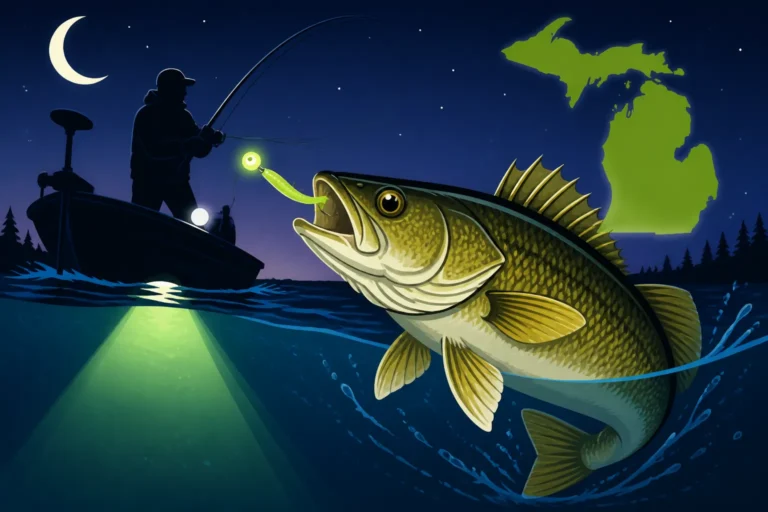
Fish that were lethargic and hunkered down during the day often emerge to feed during these times. They're more willing to chase lures and take bait, making your efforts much more productive. For example, if you're targeting smallmouth bass on a lake like Lake St. Clair, casting topwater lures right at dawn can be incredibly exciting as bass aggressively smash surface presentations. Similarly, walleye, which are often nocturnal feeders, will be most active in the low light of evening and into the night. It really is worth setting that alarm for an early start or planning for a late finish, even if it means sacrificing a bit of sleep.
Finding Cooler Water: Depth, Structure, and Shade
Since fish are constantly seeking out cooler, more oxygenated water, your primary mission in summer is to find those spots. This often means going deeper, but it's not always just about depth.
- Go Deep: On larger inland lakes or the Great Lakes, this is often the most straightforward approach. Target fish that have moved to the thermocline – the layer in the water where the temperature changes rapidly. Many species, like lake trout and even walleye, will congregate just above, in, or below this layer where conditions are optimal. Using a good fish finder can help you locate the thermocline and any fish holding there. If you're interested in pursuing fish in Michigan's deeper waters, you'll want to review Michigan's Great Lakes Fishing Guide for specific insights.
- Target Structure: Underwater points, humps, ledges, and channels provide both depth and current, which can bring in cooler water and concentrate baitfish. Fish will use these structures as highways and ambush points.
- Seek Out Shade: On smaller lakes and rivers, shade can be a fish magnet. Overhanging trees, docks, bridges, and even thick weed beds provide relief from direct sunlight. Largemouth bass, for instance, are notorious for holding tight to thick cover and under docks during the brightest parts of the day. A carefully placed cast into these shaded pockets can often result in a strike when open water is quiet.
- Look for Springs or Inlets: Rivers and streams fed by natural springs will often have pockets of significantly cooler water. On lakes, stream inlets can also provide a localized cooling effect that attracts fish. This is especially true for trout, which absolutely depend on cold, clean water. For those interested in When Does Trout Season Open in Michigan, understanding these cold water refuges is crucial.
Adapting Your Lures and Presentation
When fish are less active, a subtle and well-presented offering is usually more effective than something flashy and fast.
- Slow Down Everything: Your retrieve speed, your jigging motion, even how long you let your bait soak – slow it all down. A lethargic fish isn't going to chase a fast-moving crankbait across the lake. They want an easy meal.
- Downsize Your Baits: Sometimes, a smaller profile bait is more appealing to a fish with a slower metabolism. A smaller worm, a tiny jig, or a compact spinner might get a bite when larger offerings are ignored.
- Natural Colors and Live Bait: In clear summer waters, natural colors that mimic local forage often work best. Think greens, browns, and subtle shiners. And honestly, it's hard to beat live bait when fish are finicky. Worms, leeches, and minnows are often irresistible to hesitant summer fish. Check out tips on Best Bait for Michigan Walleye for more insights on what's working for that specific species.
- Change Your Tackle: Your equipment needs to match the conditions. Lighter line can sometimes be crucial in clear summer water to avoid spooking fish. For specialized setups, look into resources like Best Rods and Reels for Michigan Fishing to ensure your gear is up to par.
| Species | Summer Behavior | Best Times | Recommended Techniques |
|---|---|---|---|
| Walleye | Deeper, less active midday, more nocturnal. | Dawn, Dusk, Night | Jigging, Trolling, Live Bait, Crankbaits at depth |
| Bass (LMB) | Seeking thick cover, shade, ambush points, less chasing. | Early morning, late evening, overcast | Topwater (early/late), Soft Plastics (worms, jigs), Crankbaits near structure |
| Bass (SMB) | Deeper rock piles, points, current, more active than LMB. | Early morning, late evening | Drop-shot, Tubes, Jigging, Smallmouth crankbaits |
| Panfish | Near weed lines, docks, submerged structure, consistent but prefer cooler hours. | Consistent, but prefer cooler parts of day | Bobber fishing with live bait, Small Jigs, Micro-crankbaits |
| Trout | Seek cold spring-fed streams, deep river pools, oxygenated riffles. | Early morning, late evening (if cool), overcast | Fly fishing (dry flies, nymphs), Drifting small baits, Spinners in fast water |
Species-Specific Approaches to Summer Heat
While the general principles of finding cooler water and slowing down your presentation apply broadly, certain species require specific adjustments to your summer strategy.
Walleye: Deep Dwellers and Night Feeders
Walleye are often one of the first species to go deep when summer heat sets in. They are highly sensitive to light and temperature, making them prime candidates for deeper water and nocturnal activity. On large bodies of water, they'll often suspend over deep basins or hug contours along ledges and humps, usually near the thermocline where the water is cool and baitfish are abundant.
Your best bet for walleye during the day is to target these deep structures with vertical jigging techniques using spoons or heavy jigs tipped with minnows or leeches. Trolling crankbaits or crawler harnesses at the appropriate depth can also be highly effective. The key is finding that precise depth where they are holding. However, if you really want to maximize your walleye success in the summer, focus on the low light hours. As the sun dips below the horizon, walleye often move shallower to feed. This is when Night Fishing Techniques for Walleye really shine. Casting shallow-diving crankbaits or working stickbaits over weed flats and rocky points can produce incredible results. Don't forget to review Michigan Walleye Fishing Techniques for more year-round strategies.
Bass: Seeking Cover and Ambush Points
Both largemouth and smallmouth bass react to summer heat, but in slightly different ways due to their preferred habitats.
- Largemouth Bass: These green monsters love cover, and in summer, that love intensifies. They'll burrow into thick weed beds, hide under lily pads, tuck themselves under docks, and cling to submerged timber. These areas provide shade and often slightly cooler water. During the hottest parts of the day, they become ambush predators, waiting for an easy meal to swim by. Forget aggressive retrieves; instead, focus on pitching and flipping jigs or soft plastics into the densest cover you can find. Let your bait sit for an extended period, giving a lethargic bass ample time to decide to strike. Early mornings and late evenings are great for topwater lures worked slowly over weed mats or near shore.
- Smallmouth Bass: While still appreciative of cooler temperatures, smallmouth often prefer deeper, rockier structures with good current. They'll school up on offshore humps, deep points, rock piles, and along current seams in rivers. For these brown bombers, vertical presentations like drop-shot rigs, tube jigs, and Ned rigs can be incredibly effective when worked slowly along the bottom. In rivers, finding deeper pools with good current breaks or shaded undercut banks can hold concentrations of smallmouth. Remember to check local regulations like the Michigan Smallmouth Bass Daily Limit before you head out.
Panfish: Staying Consistent in Shallow Cover
Panfish like bluegill, crappie, and perch can be surprisingly consistent through the summer, but they also seek comfort. While they might not go as deep as walleye, they will certainly retreat from open, sun-exposed shallow areas.
During the summer heat, panfish tend to congregate around structure in slightly deeper shallow water. Think the edges of weed lines, submerged brush piles, deep docks, and fallen trees. They still need to eat, and these areas offer both food and protection from the sun and predators. A simple bobber rig with a worm, crickets, or a small jig can be highly effective. The key is to present your bait right in their face and give them time to find it. Early mornings and evenings might bring them slightly shallower, but throughout the day, focus on those denser cover areas. You can often fill a cooler with persistent effort, even when other species are sluggish. For a relaxed summer outing, targeting panfish is often a great choice.
Trout: Spring-Fed Havens and Cooler Rivers
Trout, particularly native brook trout and brown trout, are extremely sensitive to warm water. Anything above 68-70 degrees Fahrenheit can be stressful or even lethal for them due to reduced oxygen levels. Therefore, summer trout fishing in Michigan requires a very specific approach: finding truly cold water.
This means focusing your efforts on spring-fed streams, the deepest pools in larger trout rivers, or high-gradient streams in the Upper Peninsula where water stays naturally cooler. Look for areas with dense overhead canopy that provides consistent shade, or where cold groundwater seeps into the stream. Fly fishing with nymphs, small dries, or wet flies can be effective, particularly in the early mornings or late evenings. Spin anglers should opt for small, subtle spinners or drifted live bait like worms or crickets.
During severe heat waves, it's often best to avoid targeting trout altogether, as the stress of being caught and released can be fatal in warm water. Conservation is key, and sometimes the best fishing decision is to simply let them be.
Essential Gear and Safety for Summer Fishing
Summer fishing isn't just about fish behavior; it's also about angler comfort and safety. Those long, sunny days demand attention to what you bring and how you protect yourself.
Staying Hydrated and Protecting Yourself from the Sun
This isn't just good advice; it's critical. Dehydration and sunstroke are real risks on the water, especially when you're absorbed in fishing and might forget to take care of yourself.
- Hydrate Relentlessly: Bring plenty of water, and drink it often, even if you don't feel thirsty. Sports drinks can help replenish electrolytes lost through sweating. A good insulated water bottle or cooler, easily found on Amazon, is a must-have.
- Sun Protection is Non-Negotiable:
- Sunscreen: Apply a broad-spectrum, water-resistant sunscreen with at least SPF 30 generously and reapply throughout the day. Don't forget your ears, neck, and the tops of your hands.
- Hats: A wide-brimmed hat offers much better protection than a baseball cap, shielding your face, ears, and neck.
- Clothing: Lightweight, long-sleeved shirts made from UPF-rated fabric are fantastic. They keep you cool by wicking away sweat and block harmful UV rays. Many brands offer great options on Amazon.
- Sunglasses: Polarized sunglasses not only protect your eyes but also cut glare off the water, helping you spot fish and submerged structure more easily.
Taking these precautions means you can enjoy your time on the water without paying for it later with a nasty sunburn or worse.
Selecting the Right Tackle for Summer Conditions
Your gear choices can make a significant difference in your summer fishing success and comfort.
- Lighter Lines: As mentioned, clear summer waters often call for lighter fishing lines. This makes your presentation more stealthy and less visible to wary fish. If you're struggling to get bites, consider dropping down a line size or two.
- Appropriate Rods and Reels: For many summer techniques, especially when finesse is required, a medium-light to medium power spinning rod with a fast action tip is ideal. It allows for accurate casting of lighter baits and detects subtle bites from sluggish fish. Pair it with a smooth-drag spinning reel. For specific recommendations, check out resources like Best Rods and Reels for Michigan Fishing.
- Tackle Box Essentials: Ensure your tackle box is stocked with a variety of soft plastics (worms, creature baits), jigs, topwater lures, and smaller crankbaits in natural colors. Don't forget a selection of hooks, weights, and leaders appropriate for the species you're targeting. And of course, always have a good pair of pliers and line cutters handy. A well-organized tackle box makes adapting to changing conditions much easier.
Responsible Catch and Release in Warm Water
Finally, let's talk about being good stewards of Michigan's fisheries, especially during the summer. Warm water can significantly increase stress on fish during a fight, making successful catch and release more challenging.
- Minimize Fight Time: When you hook a fish, try to land it as quickly as possible without overstressing your gear. A prolonged fight can exhaust the fish to the point of no return.
- Handle with Care: Keep the fish in the water as much as possible. If you must remove it for a photo, do so quickly and gently, supporting its body. Avoid touching gills or eyes.
- Use the Right Tools: A rubberized net is far gentler on a fish's slime coat and fins than a traditional nylon net. Long-nosed pliers or a de-hooking tool are invaluable for quickly removing hooks, especially if the fish has swallowed the bait deeply. Many great options are available on Amazon.
- Revive the Fish: If a fish seems lethargic after release, hold it gently in the water, facing into the current, until it regains its strength and swims away on its own. Never vigorously shake it back and forth; this pushes water the wrong way through its gills.
- Know When to Keep or Release: For species like trout, if water temperatures are consistently high (above 70 degrees F), consider avoiding them altogether, or if you do catch one, immediately release it with utmost care, even if it's within the legal limits to keep. Protecting these valuable resources ensures future generations can enjoy the thrill of fishing in Michigan. Always consult the Michigan Fishing Regulations Every Angler Should Know before your trip to be fully prepared.
Disclaimer
This article is for general informational purposes only and does not constitute professional advice. Laws, prices and regulations vary by location and change over time. Consult a qualified professional for guidance on your specific situation.