Best Time to Fish Saginaw Bay for Walleye
If you've ever dreamt of filling your cooler with gleaming walleye, Saginaw Bay is likely high on your list. But let's be honest, standing on the shore or out on the vastness of the bay, wondering when those elusive fish are truly biting can be incredibly frustrating. It's a huge body of water, and walleye movements change with the seasons, water temperatures, and even the time of day. This guide is here to cut through the guesswork, giving you a detailed look at the best times to fish Saginaw Bay for walleye, ensuring your next trip is more productive and less about just hoping for the best.
Understanding Saginaw Bay's Walleye Fishery
Saginaw Bay, a massive arm of Lake Huron, isn't just a good walleye fishery; it's often considered the premier walleye factory in the Great Lakes region. This isn't by accident. Its unique geography and ecological makeup create the perfect storm for a thriving walleye population, making it a bucket-list destination for anglers across the Midwest and beyond.
Why Saginaw Bay is a Walleye Haven
The secret to Saginaw Bay's success as a walleye hotspot lies in a few critical factors. First and foremost, the Saginaw River system, which feeds into the bay, provides an incredible spawning ground. Every spring, massive numbers of walleye migrate up the river to reproduce, replenishing the bay's population year after year. The Michigan Department of Natural Resources (DNR) also plays a crucial role, managing the fishery with thoughtful regulations and monitoring programs that help ensure sustainable numbers. It's a testament to good conservation practices that we have such a vibrant fishery today.
Beyond spawning, the bay itself offers an almost ideal habitat. It's relatively shallow, especially the inner bay, which warms up quickly in the spring, accelerating fish metabolism and increasing feeding activity. This also leads to a rich and diverse forage base. Saginaw Bay is absolutely teeming with baitfish, particularly alewives, gizzard shad, and various forms of panfish. Walleye are opportunistic predators, and with such an abundant food supply, they grow big and healthy. The bay's structure, with its subtle depth changes, channels, and weed beds, provides ample ambush points and resting areas for walleye, making it a dynamic and productive fishing environment throughout the year.
Key Walleye Behaviors Throughout the Year
Walleye in Saginaw Bay exhibit predictable, yet sometimes nuanced, behaviors that are largely dictated by water temperature and the availability of their preferred forage. Understanding these patterns is fundamental to knowing when and where to target them.
In early spring, as ice recedes and water temperatures begin to climb, walleye stages for their spawning run up the Saginaw River. This is a massive migration, and the fish are concentrated, albeit often less interested in feeding until after they've spawned. Post-spawn, these fish begin to filter back into the bay, often lingering in the warmer, shallower waters of the inner bay to recover and feed.
As summer progresses and water temperatures rise further, walleye spread out across the bay. They'll follow baitfish schools into deeper, cooler waters, often suspending over open water or congregating around structure like reefs and humps. This is when the classic open-water trolling bite heats up, as anglers cover vast areas to intercept schools of actively feeding fish. The walleye are typically chasing alewives, so finding the bait is often key to finding the walleye.
Come fall, as the bay waters cool, walleye again undergo a transition. They move from the deeper, open waters back towards shallower areas, reefs, and river mouths, often to feed aggressively in preparation for winter. This "fall bite" can be incredibly productive, as fish are putting on weight before the cold sets in. Finally, in winter, if the bay freezes sufficiently, walleye can be found under the ice, often near structure or along drop-offs, continuing to feed, though at a slower pace. Each season offers a unique challenge and reward, catering to different fishing styles and preferences.
Seasonal Breakdown: Best Times for Walleye
Saginaw Bay truly offers incredible walleye fishing across all four seasons, but each period demands different tactics and yields distinct opportunities. Pinpointing the "best" time often depends on your preferred fishing style and what you hope to experience.
Spring (Pre-spawn & Post-spawn)
Spring on Saginaw Bay is a time of immense excitement and can arguably be one of the best times to fish Saginaw Bay for walleye, especially if you're targeting numbers of fish. The season kicks off with the famed walleye run up the Saginaw River and its tributaries. Even before the official Lower Peninsula Trout and Walleye Opener, anglers gather to target these pre-spawn and spawning fish. While they might be less aggressive in their bite, the sheer concentration of fish makes for some incredible action.
Once the spawning ritual is complete, typically from late April through May, these spent fish begin their journey back into the bay. This post-spawn period is fantastic because the walleye are hungry and looking to replenish their energy. They often stack up in the shallower, warmer waters of the inner bay, particularly in areas like the Callahan Reef, Black Hole, and around the Spark Plug. You'll find success with a variety of methods:
- Jigging: Using plastics or live bait (like minnows or worms) on jigs can be incredibly effective when fish are concentrated. Look for subtle changes in depth or structure.
- Casting: Shallow-running crankbaits cast to flats and points can entice aggressive walleye.
- Trolling: As the waters warm, slow trolling with crawler harnesses or small crankbaits becomes very productive, especially covering larger flats between 8 and 15 feet of water.
Remember to keep an eye on the Michigan Fishing Season Dates and Rules and Michigan Walleye Size and Possession Limits as they are strictly enforced, especially during this popular time.
Summer (Peak Trolling Season)
When summer hits, typically from June through August, Saginaw Bay transforms into a vast trolling playground. This is when the walleye spread out into the deeper, cooler waters of the outer bay, following their primary forage, the alewives. For many, this is considered the absolute best time to fish Saginaw Bay for walleye because of the potential to catch truly massive numbers of fish, often in the 18 to 25-inch range, with some giants mixed in.
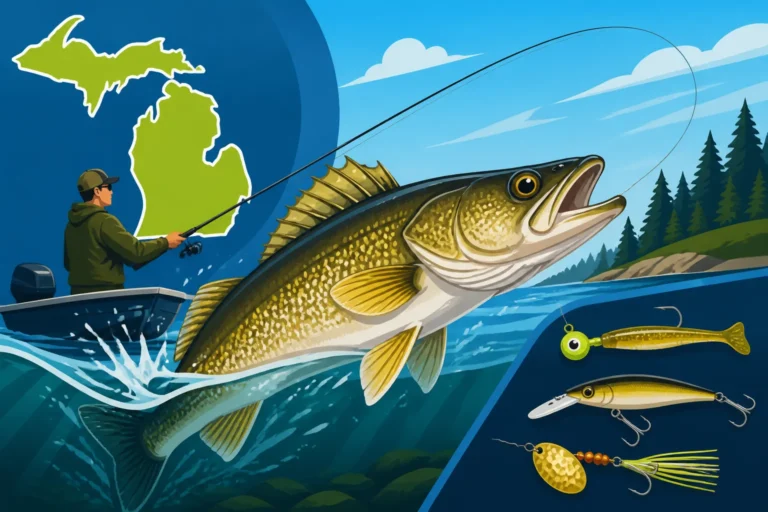
The name of the game here is covering water and adapting to where the baitfish are. Trolling with planer boards is a staple technique, allowing you to spread out multiple lines and present lures over a wide swath. You'll often see boats running lines out 100-200 feet from their side with crankbaits like Bandits, Reef Runners, and Thundersticks. These can be purchased readily from retailers like Amazon, ensuring you have a wide array of colors and sizes.
- Target Depths: While walleye might be found in various depths, the sweet spot often ranges from 15 to 30 feet, or sometimes even suspended over much deeper water. Your fish finder is your best friend here, as you're looking for baitfish schools and arcs of walleye below.
- Lure Selection: Bright, metallic colors often work well on sunny days, while more natural patterns can shine in stained water or on overcast days. Don't be afraid to experiment!
- Speed: A trolling speed of 1.2 to 2.5 mph is common, but adjust based on what the fish are telling you. Sometimes a subtle speed change can trigger a bite.
This is a fantastic time for a group outing on a charter or a well-equipped boat. For more on the specifics, check out guides on Saginaw Bay, Michigan, Walleye Fishing on Lake Huron.
Fall (Transition & Feeding Frenzy)
As the crisp air of autumn descends, typically from September through November, Saginaw Bay walleye begin to transition again, leading to another prime fishing window. The cooling water temperatures signal an urgent need for the fish to feed aggressively, packing on calories before the long winter. This creates another "feeding frenzy" period that can be incredibly rewarding.
During the fall, walleye often move back into shallower areas, especially around reefs, humps, and the mouths of rivers. They become less nomadic than in summer and can often be found concentrated in specific locations.
- Trolling: While open-water trolling can still be effective, many anglers shift their focus to trolling shallower diving crankbaits or crawler harnesses in areas of 10-20 feet.
- Jigging: Vertical jigging with minnow-imitating lures or traditional jigs tipped with live bait can be deadly on specific structure or drop-offs.
- Casting: In very shallow water, casting crankbaits or even blade baits can trigger aggressive strikes from hungry walleye.
This period offers excellent opportunities for both boat and shore anglers, particularly near river mouths where some walleye may start their preliminary movements for the next spring's spawn.
Winter (Ice Fishing Opportunities)
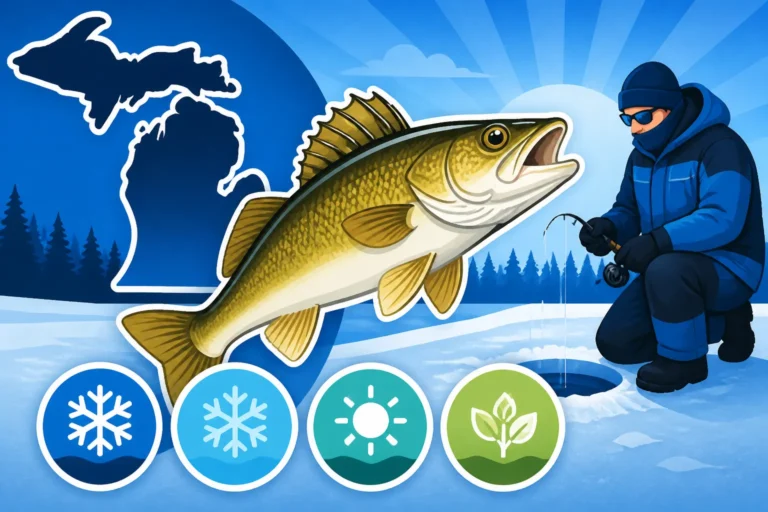
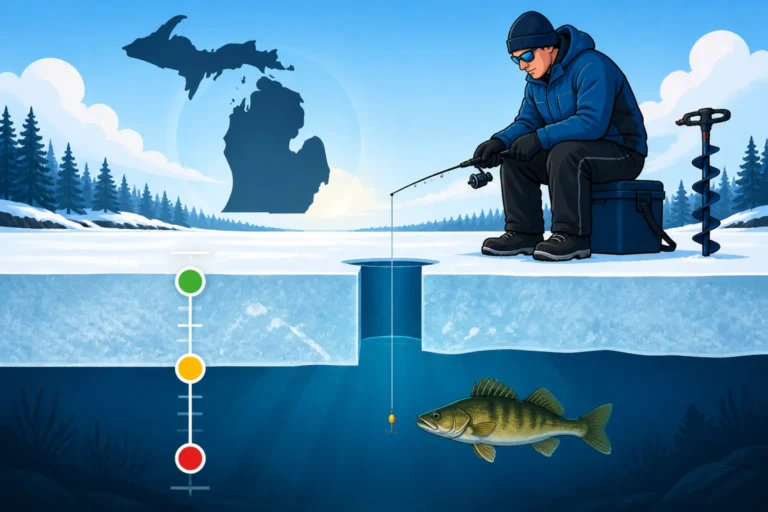
For the dedicated angler, winter doesn't mean hanging up the rods. If Saginaw Bay freezes over sufficiently, it becomes an expansive ice fishing destination, offering yet another best time to fish Saginaw Bay for walleye. Typically from late December through March, depending on ice conditions, you'll find shanties dotting the landscape.
Ice fishing for walleye in Saginaw Bay requires patience and specialized gear, but the rewards can be significant. The fish are often slower moving, but they still need to eat.
- Location: Popular ice fishing spots include the inner bay near Sunset Bay Marina, around the Spark Plug, and near the mouth of the Saginaw River. Always prioritize ice safety; consult local bait shops and fellow anglers for current conditions.
- Techniques:
- Jigging: Small to medium-sized jigging spoons (like Swedish Pimples or Do-Jiggers) or soft plastics on lead-head jigs are effective. Tip them with a minnow head or a wax worm for added enticement.
- Tip-ups: Setting up multiple tip-ups with live minnows is a classic and often highly productive strategy, allowing you to cover more area. For more detailed instructions, refer to Ice Fishing Techniques for Michigan Walleye or a general Michigan Ice Fishing Guide.
- Shelters: A good ice shelter, whether a portable flip-over or a permanent shanty, is essential for comfort and warmth during long days on the ice.
Always remember that ice conditions can change rapidly. Check with the Michigan DNR or local bait shops for current advisories and ensure you're practicing safe ice fishing habits.
| Season | Best Months | Primary Locations | Key Techniques | Recommended Gear |
|---|---|---|---|---|
| Spring | Late April – May | Saginaw River (early), Inner Bay (Spark Plug, Callahan Reef) | Jigging, Casting Crankbaits, Slow Trolling (Crawler Harnesses, Small Crankbaits) | Medium-light spinning rods, Jigging spoons, Crawler harnesses, Small crankbaits (e.g., Rapala, Berkley) |
| Summer | June – August | Outer Bay, Open Water | High-speed Trolling (Planer Boards, Downriggers) | Trolling rods, Line counter reels, Large diving crankbaits (e.g., Bandit Walleye Deep, Reef Runner), Planer boards (Church Tackle) |
| Fall | September – November | Reefs, Humps, River Mouths | Trolling (shallow crankbaits, harnesses), Jigging, Casting Blade Baits | Medium-heavy casting/spinning rods, Diving crankbaits, Blade baits, Live bait (minnows, worms) |
| Winter | Late Dec – March (ice dependent) | Inner Bay (Sunset Bay, Spark Plug) | Jigging (spoons, plastics), Tip-ups with live minnows | Ice fishing rods, Small reels, Jigging spoons, Tip-ups, Live minnows, Portable ice shelter (Eskimo, Clam) |
Factors Influencing Walleye Success
While understanding the seasonal movements is crucial, walleye fishing on Saginaw Bay is rarely as simple as just showing up during the right month. Several dynamic environmental factors constantly influence walleye behavior, making success often dependent on your ability to read the conditions and adapt.
Water Temperature and Clarity
Water temperature is perhaps the most critical driver of walleye activity. Walleye are cold-blooded, and their metabolism, feeding patterns, and location are directly tied to the water temperature.
- Ideal Temperatures: Walleye are most active and feed heavily in water temperatures ranging from the mid-40s to low 70s Fahrenheit. In spring, they'll seek out warming water; in summer, they'll often retreat to cooler, deeper zones. Knowing the ideal temperature range helps you predict where they might be holding. You can find this information on your boat's fish finder or a portable water thermometer.
- Thermal Stratification: In deeper parts of the bay during summer, temperature layers can form. Walleye will often be found near the thermocline – the layer where warm surface water meets cooler deep water – as this often concentrates baitfish and offers comfortable temperatures.
- Water Clarity: Saginaw Bay can experience significant variations in water clarity, from gin-clear to heavily stained. Walleye generally prefer slightly stained or turbid water, which offers them cover for ambush predation and protects their light-sensitive eyes.
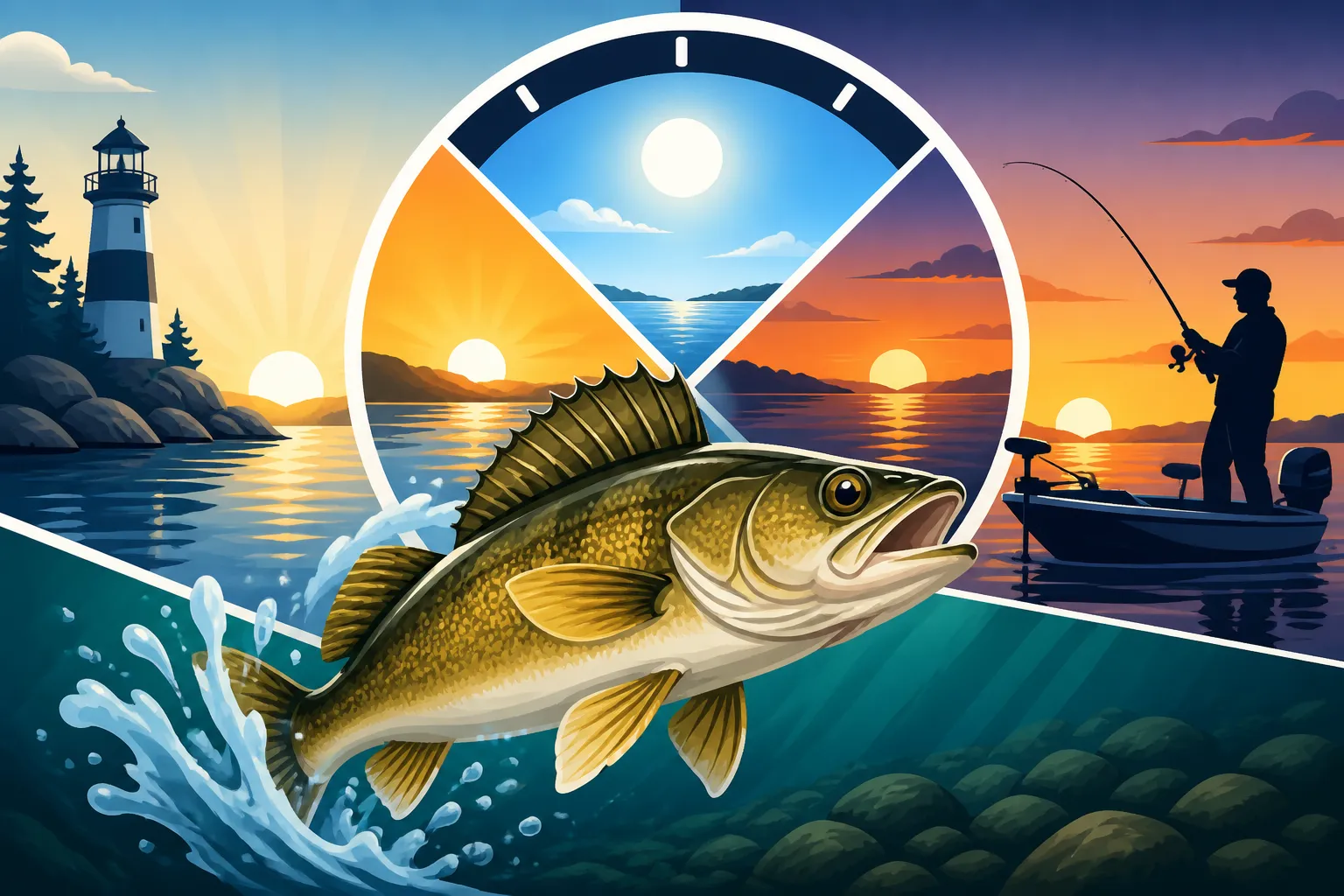
- Clear Water: In very clear conditions, walleye might move deeper, become more active at dawn, dusk, or night, or be more wary of presentations. Lure colors might need to be more natural.
- Stained Water: In stained or muddy water, walleye rely more on their lateral line and scent. Brighter, more vibrant lure colors (like chartreuse, orange, or firetiger) or lures that create more vibration and noise can be very effective.
Forage Base and Predation
Walleye are constantly on the hunt, and their movements are heavily influenced by the availability and location of their prey. Saginaw Bay boasts an incredibly rich Michigan's Great Lakes Fish Species Guide of baitfish, including alewives, gizzard shad, emerald shiners, and even yellow perch.
- Following the Bait: If you can locate schools of baitfish, you're often one step closer to finding walleye. Modern fish finders are invaluable tools for identifying these schools. Walleye will patrol the edges of these schools, or even drive them to the surface or into structure.
- Seasonal Forage Shifts: The dominant forage can shift seasonally. In spring, post-spawn walleye might target smaller minnows or even insect larvae. In summer, alewives often dominate the diet, leading walleye to suspend in open water. Understanding what they're likely eating can help you select the right lures and presentations. For instance, if alewives are prevalent, a crankbait that mimics their silver flash and profile would be a wise choice. Check out some of the Best Bait for Michigan Walleye for more ideas.
- Predator-Prey Dynamics: A strong walleye fishery relies on a healthy ecosystem. The abundance of prey species is a direct indicator of good fishing potential. The DNR continuously monitors these populations to ensure a balanced fishery.
Weather Patterns and Wind
Beyond seasonal changes, daily weather patterns, especially wind and barometric pressure, play a huge role in walleye behavior and your ability to fish effectively.
- Wind Direction and Strength: Wind creates currents, moves baitfish, and can concentrate walleye along specific shorelines, reefs, or points where food is being pushed.
- Walleye Chop: Many anglers swear by a "walleye chop" – a moderate chop on the water surface caused by a steady breeze. This breaks up the light penetration, making walleye more comfortable feeding in shallower water, and also adds natural movement to your lures.
- Strong Winds: While a chop is good, strong winds can make fishing difficult and dangerous, especially on a large body of water like Saginaw Bay. Always prioritize safety and check weather forecasts before heading out.
- Barometric Pressure: Changes in barometric pressure can significantly impact fish activity.
- Falling Pressure (Pre-Front): Often signals an approaching storm and can trigger an aggressive feeding frenzy as fish sense the change. This can be one of the best times to fish Saginaw Bay for walleye if you can get out before the weather breaks.
- Stable Pressure: Generally leads to consistent, predictable fishing.
- Rising Pressure (Post-Front): After a cold front moves through, rising, high pressure often makes fish sluggish and less willing to bite. They might move deeper, become suspended, or simply shut down for a day or two. Adjusting your presentation to be slower and more subtle can sometimes coax a bite.
Keeping an eye on these factors, not just the calendar, will elevate your walleye fishing game on Saginaw Bay.
Essential Gear and Techniques for Saginaw Bay Walleye
Successfully tackling Saginaw Bay's walleye requires more than just knowing when to go; it also demands having the right tools and knowing how to use them. The vastness of the bay and the varying conditions mean a versatile and well-equipped angler will always have an edge.
Rods, Reels, and Line
Having the right rod and reel setup is paramount, especially when you consider the different techniques employed throughout the year.
- Trolling Setups: For the open-water trolling that dominates summer, you'll want medium-heavy action trolling rods, typically 7 to 9 feet long. These rods need enough backbone to handle large crankbaits and lead core line, as well as the powerful runs of a good-sized walleye. They should also have a soft enough tip to indicate subtle bites. Pair these with line-counter reels, which are indispensable for replicating successful depths and patterns. Reels like the Shimano Tekota or Daiwa Accudepth are popular choices, and you can find a good selection on Amazon.
- Jigging and Casting Setups: For spring and fall jigging or casting, a medium-light to medium action spinning rod, 6.5 to 7.5 feet in length, offers the sensitivity needed to detect light bites and the power to set the hook. A good quality 2500-4000 series spinning reel spooled with 8-12 lb braided line (with a fluorocarbon leader) is ideal. Braid offers superior sensitivity and hook-setting power, while the fluorocarbon leader provides stealth in clearer water.
- Line Choices:
- Braided Line: Excellent for sensitivity and strength, particularly for jigging and casting.
- Monofilament: Often preferred for trolling with planer boards due to its stretch, which can act as a shock absorber.
- Fluorocarbon: Used primarily as a leader material for its invisibility underwater and abrasion resistance.
- Lead Core: Essential for deep trolling without downriggers, allowing lures to reach specific depths based on the amount of colored line deployed.
Understanding these different line types and their applications is crucial for maximizing your chances.
Lures and Bait
The world of walleye lures is vast, but on Saginaw Bay, a few categories consistently outperform the rest. Your tackle box should be stocked with a variety to adapt to changing conditions and fish preferences.
- Crankbaits: These are the bread and butter of Saginaw Bay walleye fishing, especially during the summer trolling season. Diving crankbaits like the Bandit Walleye Deep, Reef Runner 800 Series, and Bagley Rumble B are incredibly effective. You'll want a wide range of colors – from natural silver and blue to vibrant chartreuse, orange, and firetiger. Always keep an eye on what's working for other successful anglers, as color preferences can change daily. Amazon is a great resource for stocking up on these, often at competitive prices.
- Crawler Harnesses: Also known as "Walleye Spinners," these are deadly, especially in spring and fall. They consist of a series of beads, a clevis with a spinning blade, and two snelled hooks, typically fished with a live nightcrawler. You can run these behind bottom bouncers, snap weights, or even off planer boards. The flash and vibration of the blade combined with the natural scent and action of a nightcrawler are irresistible to walleye.
- Jigs and Soft Plastics: For vertical jigging or casting to structure, various jigs are essential. Lead-head jigs (1/4 to 1/2 oz) tipped with live minnows, shiners, or soft plastics like Berkley Gulp! Minnows or Z-Man ElaZtech plastics can be incredibly effective. Consider bright colors for stained water and more natural or subdued colors for clear water.
- Live Bait: While artificials dominate trolling, live bait remains king for jigging, still-fishing, or under tip-ups for ice fishing. Nightcrawlers, minnows (especially emerald shiners or fatheads), and leeches are prime choices. Remember to check Michigan Fishing Regulations Every Angler Should Know for any restrictions on bait use.
Electronics and Navigation
On a body of water the size of Saginaw Bay, modern marine electronics aren't just luxuries; they're necessities. They enhance safety, efficiency, and ultimately, your fishing success.
- Fish Finders/Chartplotters: A high-quality fish finder is your window into the underwater world. Look for units with clear sonar (2D, Side Imaging, Down Imaging) to identify baitfish schools, individual walleye, and bottom structure. Integrated chartplotter capabilities are equally important for navigation, marking waypoints of productive fishing spots, and following contours. Brands like Humminbird (Helix, Solix series) and Lowrance (HDS, Elite FS series) offer excellent options. For an in-depth dive, check out guides on Fish Finders for Michigan Boat Fishing.
- GPS: Even without a full chartplotter, a reliable GPS unit is crucial for navigating Saginaw Bay, especially when fog rolls in or you're miles from shore. It helps you stay on course, return to specific spots, and avoid hazards. Many fish finders come with integrated GPS.
- Marine Radio: A VHF marine radio is a critical safety device. It allows you to communicate with other boats, shore stations, and the Coast Guard in case of emergency. On the Great Lakes, where weather can change rapidly, it’s a non-negotiable piece of gear.
- Electric Trolling Motor (with Spot-Lock): While primarily used for boat positioning, electric trolling motors with GPS-enabled "Spot-Lock" or "Anchor" features are game-changers. They allow you to hold your boat precisely over a productive area when jigging or drift fishing, even in wind or current, without having to drop anchor. This can be a huge advantage when you find a concentration of fish.
Equipping yourself with these essential items and understanding how to use them will significantly improve your walleye fishing adventures on Saginaw Bay. When thinking about your Best Tackle for Michigan Walleye Fishing, remember that an investment in quality gear pays off in both comfort and catches.
Disclaimer
Please be aware that fishing regulations, season dates, and limits can change annually. Always consult the most current Michigan DNR Fishing Guide or website before heading out on the water to ensure compliance with all state laws. This article is intended for informational purposes only and does not constitute legal advice.