Best Time to Fish the Au Sable River
For many Michigan anglers, the Au Sable River isn't just a river; it's a legendary stretch of water that calls to the soul. But figuring out the "best" time to cast a line into its famous currents can feel like cracking a secret code, leaving many folks wondering when their efforts will truly pay off. This comprehensive guide will meticulously break down the Au Sable's seasonal nuances, helping you understand precisely when and how to maximize your fishing success, no matter your target species.
Understanding the Au Sable River's Seasonal Rhythms for Anglers
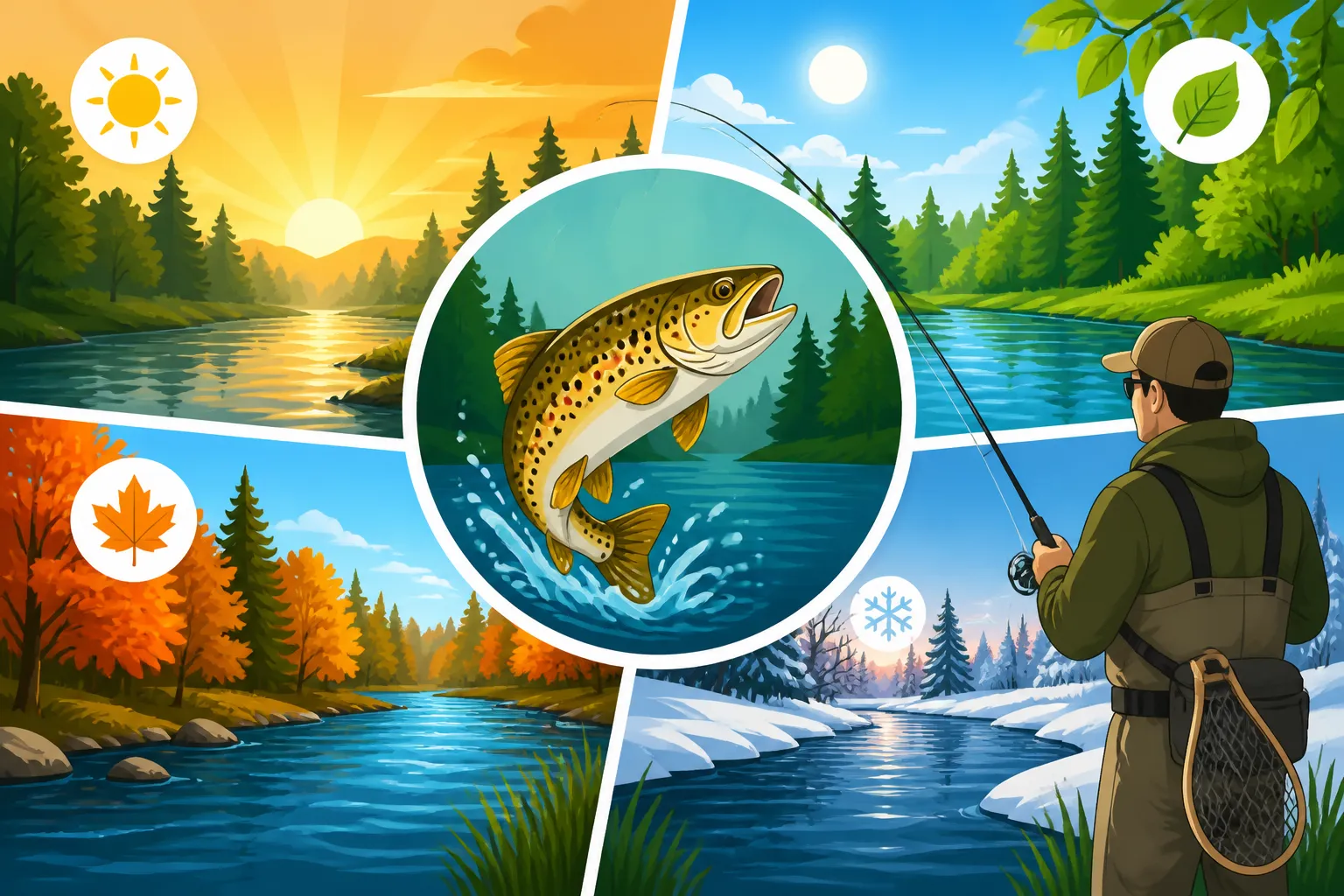
The Au Sable River, particularly its revered Holy Water and surrounding stretches, isn't a static fishery. It pulses with life through four distinct seasons, each offering unique challenges and incredible rewards. What works in April might be a complete bust in August, and knowing these shifts is paramount to enjoying your time on the water and, more importantly, finding fish.
Spring: The Awakening of Trout and Steelhead
As Michigan shakes off its winter slumber, the Au Sable River truly comes alive. Early spring, usually from April through May, is a period of transition, often marked by rising water levels from snowmelt and increasing water temperatures. This is a fantastic time for trout, especially brown trout and rainbow trout, as they become more active after the lean winter months. You'll find them eagerly feeding on nymphs and various subsurface offerings as insect activity begins to pick up. Stoneflies and Caddis larvae are often on the menu, and streamer fishing can be incredibly effective, especially on overcast days or when water levels are slightly elevated and carrying a bit of color.
Further downstream, particularly in the lower sections of the Au Sable nearer Lake Huron, spring ushers in the tail end of the steelhead run. These magnificent migratory rainbow trout, having spent their winters in the Great Lakes, push upriver to spawn. While the peak of the run might have been earlier in the year, late spring can still offer thrilling opportunities to intercept chrome-bright steelhead before they return to the lake. Anglers often employ methods like float fishing with spawn bags or drifting nymphs under indicators in these deeper, faster sections. Remember to always consult the current Michigan Fishing Regulations Every Angler Should Know before heading out, as specific rules for certain sections or species can change annually.
Summer: Prime Dry Fly and Terrestrial Fishing
When summer truly settles in, typically from June through August, the Au Sable transforms into a dry fly paradise, especially in its upper reaches. Water levels generally stabilize, and temperatures warm, leading to consistent insect hatches that can bring eager trout to the surface. Iconic hatches like Sulphurs, Isonychias, and often, the revered Hexagenia limbata (Hex hatch) can create unforgettable fishing experiences. The Hex hatch, which usually occurs in late June or early July and often at dusk or into the night, draws some of the largest trout to feed on the surface, making for truly explosive takes. For those seeking this specific thrill, having large, meaty Hex patterns on hand is essential.
Beyond the specific hatches, summer is also prime time for terrestrial fishing. Think grasshoppers, ants, and beetles falling into the water from overhanging branches. These offerings can be incredibly effective, especially during the heat of the day when specific insect hatches might be sparse. Fishing foam hoppers or beetle patterns along cut banks and under trees can yield surprising results from wary brown trout. It's also a great time to explore the river by wading, enjoying the warm weather and longer daylight hours. Don't forget your sunscreen and a good pair of polarized sunglasses – essential items you can easily find on Amazon.
Fall: A Spectacle for Brown Trout and Spawning Runs
As the leaves begin to turn vibrant shades of red and gold, the Au Sable River enters another prime season for trout anglers, typically from September through November. Fall fishing on the Au Sable is particularly renowned for its brown trout. As these fish prepare for their spawning rituals, they become incredibly aggressive, often feeding heavily to build up energy. This is a fantastic time for streamer fishing, as large, meaty patterns mimicking baitfish can elicit violent strikes from trophy-sized browns. Anglers often wade or use drift boats to cover water efficiently, targeting deeper pools and undercut banks where these larger fish tend to hold.
While the Au Sable isn't as famous for its salmon runs as some of Michigan's other major rivers, its lower sections can see a limited push of Chinook and Coho salmon, followed by the initial waves of migratory steelhead. The main focus for most Au Sable anglers, however, remains firmly on the resident trout, especially the big browns. The cooler water temperatures of fall invigorate the trout, making for some of the most consistent and exciting fishing of the year. It's a truly picturesque time to be on the river, with the stunning fall foliage providing a breathtaking backdrop to every cast. Make sure you check the Michigan Fishing Season Dates and Rules for specific dates and regulations, especially concerning trout season closures in certain areas.
Winter: Challenging Yet Rewarding Opportunities
Winter fishing on the Au Sable, from December through March, is not for the faint of heart. It demands patience, specialized techniques, and a true appreciation for solitude. However, for those willing to brave the cold, it can be incredibly rewarding. Many sections of the Au Sable remain open and ice-free throughout the winter due to spring-fed flows, offering unique opportunities. Trout, particularly brown trout, will still feed, albeit less aggressively. Their metabolism slows down, and they tend to hold in deeper, slower pools, conserving energy.
Nymphing is by far the most effective technique during the winter months. Small, subtle patterns like midge larvae, tiny stoneflies, and scuds, presented with a very slow, natural drift, are key. The fish aren't moving much, so you need to bring the fly directly to them. This is a time when having a sensitive rod and good line management can make all the difference. While the overall numbers of fish caught might be lower than in other seasons, the size of the fish can often be impressive, and the sheer quiet beauty of a snow-covered river is a reward in itself. Proper cold-weather gear, including insulated waders and layers, is absolutely crucial for comfort and safety.
Pinpointing the Best Times for Specific Au Sable Species
While the Au Sable is primarily a trout fishery, understanding the peak times for different species, and even different trout, can significantly boost your success. It’s about being in the right place at the right time with the right presentation.
Targeting Michigan's Iconic Trout Species
The Au Sable River is globally recognized for its incredible trout fishing, particularly its wild populations of brown trout.
- Brown Trout: These wily fish are the kings of the Au Sable. While you can catch them year-round, their peak activity often coincides with major insect hatches in summer (especially during the Hex hatch), and again in fall when they become aggressively territorial and feed heavily before and during their spawn. Early spring streamer fishing can also land some true monsters. The middle and upper sections of the Au Sable, including the famous Holy Water, are prime brown trout territory. To delve deeper into these fish, check out our guide on Michigan Trout Species Explained.
- Rainbow Trout (and Steelhead): Resident rainbow trout are present throughout the river, often mixed with brown trout. They are generally opportunistic feeders and can be caught using similar techniques. The migratory form, steelhead, primarily impacts the lower Au Sable River, closer to Lake Huron. Their main runs occur in late fall, through winter, and into spring. If you're specifically chasing steelhead, focus on those lower sections during these migratory periods.
- Brook Trout: While less prevalent in the main stem of the Au Sable compared to browns and rainbows, brook trout can be found in some of the colder, smaller tributaries that feed into the main river. These beautiful native fish prefer pristine, cold water. The best time to target them is often in late spring or early summer, using small dry flies or nymphs. Their presence indicates excellent water quality.
Chasing Migratory Steelhead and Salmon (Lower Au Sable)
It's important to differentiate. When people talk about "fishing the Au Sable River," they are usually referring to the famed trout waters of the main branch. However, the Au Sable River system extends all the way to Lake Huron, and the lower stretches offer different opportunities.
- Steelhead: As mentioned, the lower Au Sable experiences strong steelhead runs in late fall, throughout winter, and particularly in spring. These fish are powerful fighters, and anglers targeting them will use heavier gear than for resident trout. Float fishing with beads, spawn, or small jigs under an indicator is a popular method. Drift fishing also works well. The Best Rod Length for River Steelhead is often debated, but a longer rod offers better line control.
- Salmon: While not a primary salmon river like the Manistee or Pere Marquette, some Chinook and Coho salmon do enter the lower Au Sable during the fall spawning migration. These fish are usually targeted by casting spoons, spinners, or drifting skein. The window for salmon fishing can be shorter and more dependent on water levels and temperatures.
Essential Techniques and Gear for Each Au Sable Season
Matching your technique and gear to the season and the species you're pursuing is crucial on a diverse river like the Au Sable.
Adapting Your Approach for Seasonal Success
- Spring:
- Techniques: Nymphing is highly effective, especially with larger stonefly or caddis patterns. Streamer fishing can be deadly, targeting aggressive post-winter trout. In the lower river, traditional steelhead tactics like float fishing or drift fishing with spawn are standard.
- Considerations: Watch water levels and clarity. Higher, murkier water favors streamers and larger subsurface flies. As things clear and warm, nymphing becomes more refined.
- Summer:
- Techniques: Dry fly fishing reigns supreme during hatches. Have a variety of patterns, including Sulphurs, Isonychias, Caddis, and Hex patterns. Terrestrial patterns like hoppers and ants are also excellent choices, especially on sunny afternoons. When fish aren't rising, light nymphing or swinging wet flies can still produce.
- Considerations: Fish can be very selective during heavy hatches. "Matching the hatch" becomes critical. Stealth is key, as summer flows are often lower and clearer. Longer leaders and fine tippets are your friends. For specific tactics, explore Fly Fishing Techniques for Michigan Trout Streams.
- Fall:
- Techniques: Streamer fishing is king for big brown trout. Patterns mimicking sculpins, baitfish, and even juvenile trout are highly effective. Nymphing with egg patterns or larger nymphs can also work, especially near spawning grounds (though avoid disturbing spawning fish).
- Considerations: The fall "push" of aggressive trout makes this a prime time for active fishing. Focus on cover, deeper pools, and current seams. Water temperatures are cooling, so fish may hold in different areas than in summer.
- Winter:
- Techniques: Primarily nymphing with small, subtle patterns like midges, tiny stoneflies, and scuds. A very slow, deliberate drift is paramount. Light tippets are a must, and a sensitive strike indicator helps detect the often-subtle takes.
- Considerations: Focus on deep, slow pools and runs where fish are conserving energy. Dress warmly in layers; good quality base layers and outer shells can be found on Amazon. Fish will feed, but presentations must be impeccable.
Recommended Gear for the Au Sable's Diverse Conditions
Having the right equipment ensures both your comfort and your fishing success.
- Rods and Reels: For the classic Au Sable trout experience, a 9-foot, 4 or 5-weight fly rod is a versatile choice. This setup handles dry flies, nymphs, and smaller streamers effectively. For larger streamers or if you're targeting steelhead in the lower river, a 6 or 7-weight rod might be more appropriate. Pairing your rod with a reliable reel that has a smooth drag is important. You can find excellent options for Best Fly Fishing Gear for Trout Rivers through various outdoor retailers and online marketplaces like Amazon.
- Line and Leader: A good quality floating fly line is standard for most trout fishing. Carry a range of tapered leaders (from 7.5 to 12 feet) and spools of fluorocarbon tippet in various strengths (e.g., 3X-6X) to match conditions. For heavier streamer fishing or steelhead, a sinking tip line might be beneficial.
- Waders and Boots: The Au Sable is primarily a wading river. A comfortable pair of breathable chest waders is essential for year-round fishing, along with sturdy wading boots that provide good ankle support and grip on slippery riverbeds. Don't skimp on quality here; comfort means longer days on the water. Many anglers swear by brands like Simms or Orvis, available on Amazon, for their durability and performance. Consider our guide on Best Waders for River Fishing for more insights.
- Flies and Tackle: Your fly box should be well-stocked for the season. In spring, focus on nymphs and streamers. Summer demands a wide array of dry flies. Fall means streamers and egg patterns, and winter calls for tiny midges and nymphs. Always carry a net, forceps, nippers, and a reliable strike indicator.
- Safety Gear: A wading staff can provide crucial stability in swift currents. A PFD (Personal Flotation Device) is wise for float trips. Always let someone know where you're going and when you expect to return.
Here's a quick summary to help you plan your next Au Sable adventure:
| Season | Primary Target Species | Recommended Techniques | Key Considerations |
|---|---|---|---|
| Spring | Brown, Rainbow Trout, Steelhead (lower) | Nymphing, Streamers, Float Fishing (lower) | High water, increasing insect activity. |
| Summer | Brown, Rainbow Trout | Dry Flies (hatches, terrestrials), Light Nymphing | Clear, lower water. Stealth. Iconic hatches. |
| Fall | Brown Trout, Steelhead (lower) | Streamers, Nymphing (egg patterns) | Aggressive feeding, spawning runs, beautiful foliage. |
| Winter | Brown, Rainbow Trout | Small Nymphs, Slow Presentations | Cold weather, slower metabolism, solitude. |
No matter when you choose to visit, the Au Sable River offers a truly special Michigan fishing experience. Armed with this knowledge, you're now much better equipped to pick your moment and create lasting memories on this iconic waterway.
Disclaimer
Fishing conditions and regulations in Michigan can change. Always consult the latest Michigan Department of Natural Resources (DNR) fishing guide before heading out. This content is for informational purposes only and does not constitute official legal or professional advice.