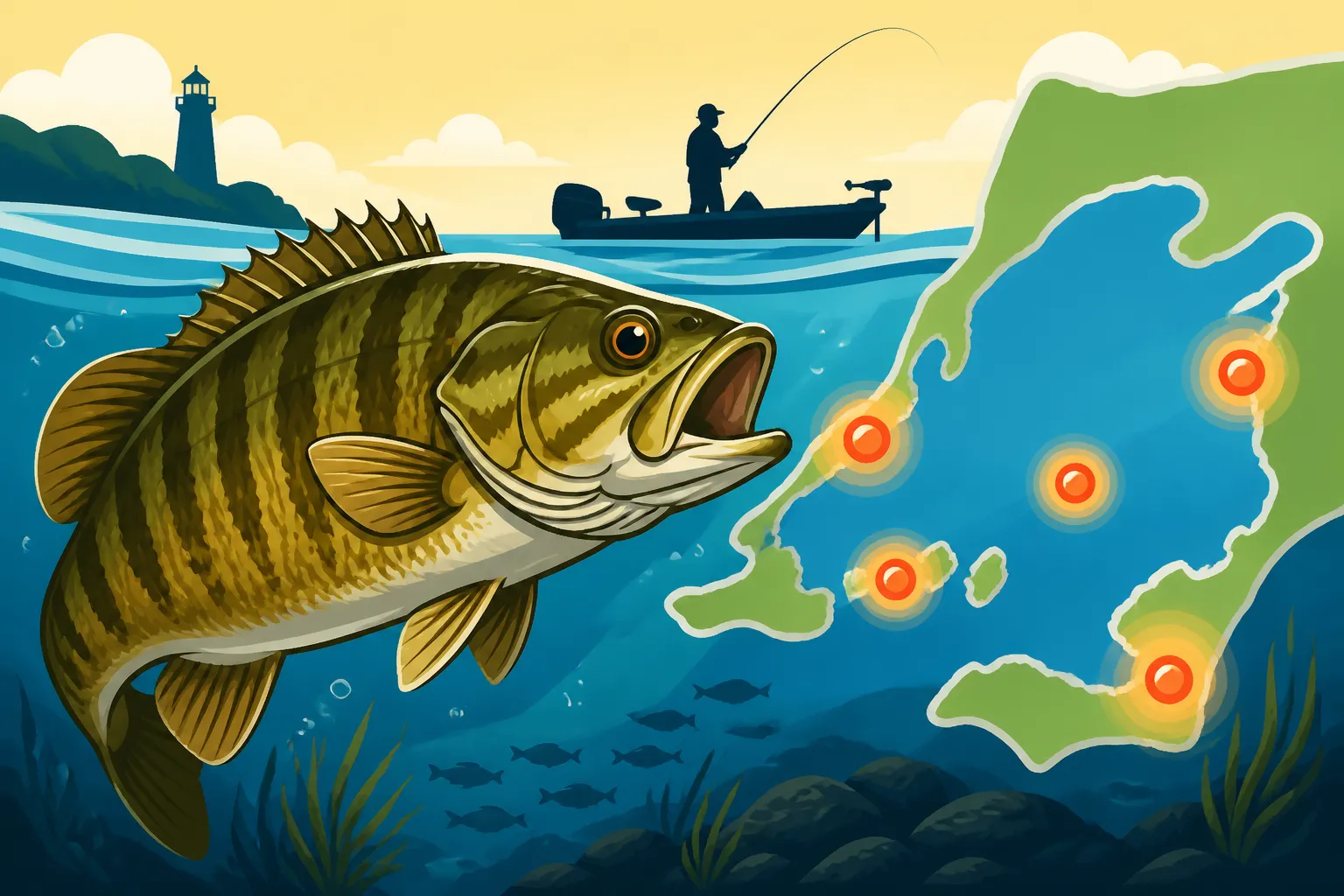
Lake St. Clair Smallmouth Bass Hot Spots
Lake St. Clair is a truly remarkable fishery, but for many anglers, especially those new to its vast expanse, pinpointing where to find those feisty smallmouth bass can feel like searching for a needle in a haystack. This massive, shallow lake, straddling the U.S. and Canadian border, offers some of the best smallmouth action in North America, yet its sheer size and subtle underwater features can be intimidating. This guide is dedicated to helping you unlock the secrets of Lake St. Clair, revealing the prime locations where these bronzebacks love to hang out, and how you can target them effectively.
Understanding Lake St. Clair's Smallmouth Bass Appeal
Before we dive into specific coordinates and casting angles, it’s important to appreciate why Lake St. Clair is such a powerhouse for smallmouth bass. It’s not just a big body of water; it’s a perfectly sculpted habitat that caters to every need of a growing, thriving smallmouth population. The ecological balance here is truly something special.
Why Smallmouth Thrive Here
Lake St. Clair possesses a unique combination of factors that create an ideal environment for smallmouth bass. First and foremost, its relatively shallow depth, averaging around 11 feet, means sunlight penetrates easily, fostering dense growth of various aquatic vegetation. While too much vegetation can be problematic, St. Clair's blend of hard and soft bottom areas, mixed with varying weed types, creates perfect ambush points and foraging grounds. The water itself is incredibly clear, thanks to the filtering power of zebra mussels, which allows smallmouth to hunt by sight, adding to the challenge and excitement of the catch.
Beyond the clarity and depth, Lake St. Clair is teeming with an abundant forage base. From gobies, which have become a significant food source, to crayfish, minnows, and shiners, smallmouth bass here have a smorgasbord to choose from. This rich diet contributes to the impressive size and fighting spirit these bass are known for. It's not uncommon to land several smallmouth over four pounds in a single outing, a testament to the lake's incredible productivity. For anglers looking to understand more about these prized catches, our detailed guide on how big do smallmouth bass get in Michigan provides further insight into their growth and potential.
The Thrill of the Fight
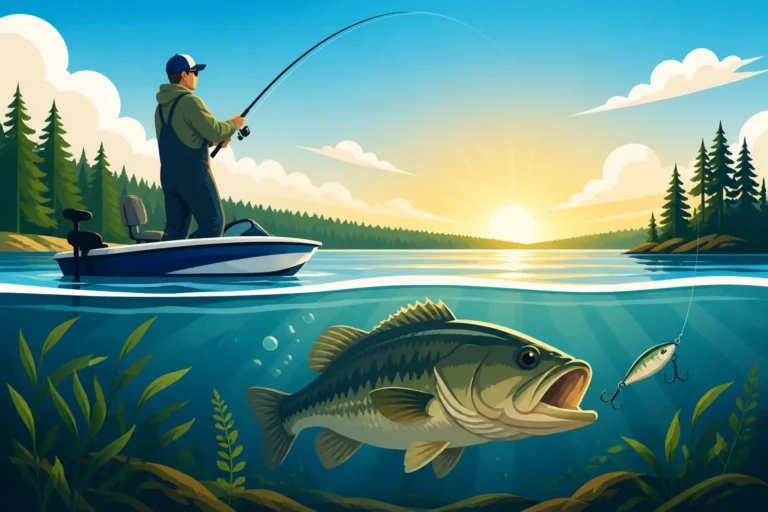
Let's be honest, part of the allure of smallmouth bass fishing, especially on Lake St. Clair, is the sheer thrill of the fight. These fish are renowned for their acrobatic jumps, powerful runs, and never-say-die attitude once hooked. Unlike their largemouth cousins, smallmouth often prefer open, rocky, or clear-water environments, making them particularly adept at using current and structure to their advantage during a battle.
When you hook a smallmouth on Lake St. Clair, be prepared for an adrenaline rush. They'll often leap clear out of the water, shaking their heads violently in an attempt to dislodge the hook. Then, they'll make powerful, deep dives, trying to burrow into weeds or rock crevices. This intense, action-packed fight is why so many anglers travel from across the country to experience this fishery. It’s a testament to the lake’s health and the vibrant, strong fish it produces. If you're serious about your catch, remember to consult the Michigan Smallmouth Bass Daily Limit to ensure you're fishing within legal parameters.
Key Features that Attract Smallmouth Bass on Lake St. Clair
Knowing where to fish often comes down to understanding what fish prefer. Smallmouth bass on Lake St. Clair are no different. They are creatures of habit and structure, and once you learn to "read" the lake and identify these key features, your success rate will soar. This requires a bit of detective work, often done with good electronics, but the rewards are well worth it.
Reefs and Shoals
If there's one type of structure that consistently holds smallmouth on Lake St. Clair, it's the numerous reefs and shoals scattered across its bottom. These underwater elevated areas, often composed of rock, gravel, or a mix of hard bottom, act as natural congregation points. Smallmouth use them for ambush points, shelter from current, and as staging areas for spawning. The clearer waters of St. Clair allow sunlight to penetrate these shallower areas, often leading to sparse weed growth on top or around their edges, which further enhances their appeal.
When scouting these spots, look for subtle depth changes. Even a few feet of difference can be a game-changer. Smallmouth will often sit on the deeper edges of these reefs, darting up onto the shallower flats to feed. The famed "Mile Roads," which we'll discuss more in detail, are essentially a series of long, linear shoals and reefs running parallel to the shoreline. These structures are absolute magnets for smallmouth, especially during the pre-spawn and post-spawn periods. Having good sonar will be invaluable here, helping you mark these underwater peaks and valleys and identify potential holding spots for fish.
Transition Zones and Drop-offs
Smallmouth bass are opportunistic predators, and transition zones and drop-offs provide perfect ambush scenarios. A transition zone might be where a hard, rocky bottom suddenly gives way to a softer, muddier bottom, or where a dense weed bed ends abruptly, creating an edge. Drop-offs, even slight ones, offer bass a quick escape route to deeper water while still allowing them to patrol shallower feeding grounds. These areas provide the best of both worlds: access to food in the shallows and security in the depths.
Consider fishing areas where a flat stretches out, then suddenly dips down a few feet. Smallmouth will often patrol these deeper edges, waiting for unsuspecting baitfish or gobies to wander too close. The mouth of the St. Clair River, for example, is full of these dynamic transition zones where the powerful current meets the more stable lake conditions, creating eddies and slack water that attract bait and, consequently, smallmouth. These spots are particularly effective during periods of changing weather or pressure, as bass can easily adjust their depth to find comfort.
Weed Lines and Clumps
While smallmouth are often associated with rocky bottoms, don't overlook the importance of weed lines and isolated weed clumps on Lake St. Clair. Unlike largemouth that might bury themselves in dense mats, smallmouth prefer sparser, harder-bottom weeds like chara or milfoil that grow in discrete patches or along clear edges. These weeds provide cover, oxygen, and attract baitfish, making them prime habitat.
The key is finding the right kind of weeds and the right structure within or around them. Look for distinct weed lines, especially those that parallel a depth change or a hard bottom. Isolated clumps of weeds on an otherwise bare flat can also hold significant numbers of fish, providing them with a hidden lair. Pitching a tube jig or a soft plastic into these pockets and edges can be incredibly effective. As the season progresses and water temperatures rise, understanding the "Best Time to Fish Lake St. Clair for Smallmouth Bass" often means adjusting your focus to these deeper weed edges.
Top Lake St. Clair Smallmouth Bass Hot Spots
Alright, let's get down to the brass tacks: where specifically on this incredible body of water can you find those hard-fighting smallmouth? While smallmouth can be found almost anywhere on Lake St. Clair, some areas consistently produce better than others due to their unique features. This is where local knowledge and a good fishing map come into play.
The Mile Roads (8-Mile to 12-Mile)
Without a doubt, the "Mile Roads" are the most famous smallmouth bass fishing grounds on Lake St. Clair. These are not actual roads but refer to a series of parallel, linear reefs and shoals extending north from the mouth of the Detroit River, running roughly parallel to the Michigan shoreline. They are often designated by their corresponding mile marker, from 8-Mile Road up to 12-Mile Road, though the productive structure extends even further.
These areas are a smallmouth angler's dream because they offer a consistent mix of rock, gravel, sand, and scattered weeds, all at varying depths. The shallower sections of these roads (often 8-12 feet deep) are fantastic during the pre-spawn and post-spawn periods, with fish using the hard bottom for staging and spawning. As summer progresses, smallmouth will often move to the deeper edges and pockets (12-18 feet) of these same structures. Popular techniques here include drifting with tube jigs, casting jerkbaits, or dragging deep-diving crankbaits along the edges. The immense popularity of these spots means you'll often see several boats, especially during peak season, but don't let that deter you; there's plenty of fish for everyone. If you’re planning a trip, booking a charter through services like FishingBooker can give you an invaluable advantage, as experienced captains know these roads intimately.
Anchor Bay
Moving north from the Mile Roads, Anchor Bay represents another massive and incredibly productive area for smallmouth bass. This large, shallower bay in the northern part of the lake offers a different character than the deeper, rocky Mile Roads. While it still features hard bottom sections, Anchor Bay is characterized by its vast shallow flats, extensive weed beds, and subtle channels.
Smallmouth in Anchor Bay often relate heavily to the vast weed beds. Look for clean weed edges, isolated clumps, and pockets within the weeds, particularly where a hard bottom is present. The channels and deeper cuts that snake through the bay can also be excellent, acting as travel corridors and deeper holding areas. Spinnerbaits, swim jigs, and soft plastics rigged Texas or Carolina style are very effective here for probing the weeds. In early spring, the shallower protected areas of Anchor Bay can be phenomenal for pre-spawn bass seeking warmer water. As the season progresses, these fish will often move to the outer edges of the bay and into slightly deeper water, often still relating to the extensive weed lines.
St. Clair River Mouth
The confluence of the St. Clair River and Lake St. Clair is a dynamic and ever-changing fishery, making it a challenging but highly rewarding area for smallmouth bass. The powerful current of the St. Clair River, flowing south into the lake, creates numerous current breaks, eddies, and subtle transition zones that smallmouth absolutely love. These areas are constantly bringing in new baitfish and oxygen, creating a vibrant feeding ground.
Focus your efforts on the edges where the main current meets slack water. This could be behind islands, around navigation markers, or along the inside bends of channels. The shipping channels themselves, with their deep edges and nearby shallower flats, are also key. Smallmouth will often sit just out of the main current, waiting for an easy meal to drift by. Vertical jigging with tubes or drop-shot rigs can be deadly here, allowing you to present your bait precisely in the strike zone. Tossing jerkbaits or crankbaits that can be worked against the current are also great options. Remember that the current can be swift, so heavier tackle may be needed to maintain control. For those who frequently visit these waters, understanding the Michigan Great Lakes Fishing Regulations Guide is crucial, as river-lake boundary waters can have unique rules.
Offshore Humps and Reefs
While many anglers focus on the more obvious "Mile Roads" or the vastness of Anchor Bay, don't overlook the numerous offshore humps and reefs scattered throughout the central and eastern portions of Lake St. Clair. These are often less pressured and can hold some truly giant smallmouth, especially during the summer and fall. These spots require good electronics to locate and navigate, but the reward can be immense.
These humps and reefs are essentially miniature versions of the Mile Roads, rising up from the surrounding deeper flats. They provide a high-relief structure in an otherwise relatively flat environment, making them natural congregating points for baitfish and, consequently, smallmouth. Look for these structures using your sonar, paying close attention to any hard bottom, rock piles, or scattered weed growth on top or around their edges. Once you find one, position your boat to drift over or around it, dragging tube jigs, Carolina rigs, or using a drop-shot setup. These are often deeper water tactics, so having plenty of line and an understanding of how to present baits effectively in deeper water is key. If you're struggling to find these hidden gems, considering a guided trip through FishingBooker could dramatically shorten your learning curve.
Seasonal Strategies for Lake St. Clair Smallmouth
The beauty of Lake St. Clair is that it offers excellent smallmouth fishing throughout the open water season, but how you fish and where you focus your efforts will change dramatically with the seasons. Adapting your approach to water temperature and fish behavior is paramount to consistent success.
Spring Pre-Spawn and Spawn
Spring on Lake St. Clair is an exciting time for smallmouth anglers. As ice recedes and water temperatures begin to climb into the 40s and 50s Fahrenheit, smallmouth start to move out of their deeper wintering areas and into shallower staging grounds. This pre-spawn period is characterized by fish aggressively feeding to build energy for the spawn. Look for them on the deeper edges of the Mile Roads, channels, and transitional areas in Anchor Bay, especially those with darker, heat-absorbing bottoms.
As water temperatures reach the high 50s to mid-60s, smallmouth will move onto their spawning beds. These are typically hard-bottom areas (rock, gravel, sand) in 5-15 feet of water, often near protected bays or on the shallower tops of reefs. During the spawn, fish can be very visible, but they may be less interested in feeding aggressively and more focused on reproduction. Gentle presentations like tube jigs, soft plastic creature baits, or even slow-moving jerkbaits are effective. Remember to practice catch-and-release during this sensitive time, especially if you encounter bedding fish, to ensure the health of the fishery. Understanding Michigan's Combined Largemouth and Smallmouth Bass Limit is important, as bass regulations can be nuanced during these periods.
Summer Deep Water and Structure
Once the spawn is complete and water temperatures consistently climb into the 70s and beyond, Lake St. Clair smallmouth generally move to deeper, cooler water. This is when the offshore humps, deeper sections of the Mile Roads (15-25 feet), and deep weed lines really shine. The fish will relate heavily to any significant structure that offers a break from the sun and access to deeper, cooler water.
Summer fishing often involves more open-water techniques. Trolling with crankbaits can be highly effective for covering vast expanses of water and locating schools of fish. Once found, switch to vertical jigging with tube jigs or drop-shotting soft plastics to pick off individual fish. Carolina rigging craws or lizards can also be deadly when dragged across hard bottoms. Don't be afraid to experiment with different depths and retrieve speeds until you find what the fish are responding to. The clear water of Lake St. Clair means bass can be easily spooked by boat traffic, so a stealthy approach, perhaps utilizing a Minn Kota Ultrex trolling motor with spot-lock, can make a huge difference.
Fall Aggressive Feeding
As autumn arrives and water temperatures begin to drop, Lake St. Clair smallmouth enter an aggressive feeding period, trying to pack on weight before winter. This can be one of the best times of the year for trophy smallmouth. Fish will often move shallower again, similar to the pre-spawn, but their focus is purely on feeding. Look for them on the edges of remaining green weed beds, the shallower tops of the Mile Roads, and other prominent structures in 10-20 feet of water.
Jerkbaits become incredibly effective during the fall, as their erratic action mimics distressed baitfish. Crankbaits, especially those that dive to medium depths, are also excellent for covering water and triggering strikes. As the water cools further, tube jigs and blade baits can be very productive when jigged along hard bottom or rocky areas. The fish are often schooled up, so once you find one, there are likely many more nearby. This seasonal change, and the movement of fish, is why understanding the "Best Technique for Smallmouth Bass on Lake St. Clair" really depends on the time of year.
Essential Gear and Techniques for Success
Having the right tools for the job can make all the difference, especially on a challenging and rewarding fishery like Lake St. Clair. While you don't need to break the bank, investing in quality gear tailored to smallmouth fishing will significantly improve your experience and your catch rates.
Rods, Reels, and Line Choices
For Lake St. Clair smallmouth, versatility is key, but finesse tactics often rule. A good starting point is a medium-light to medium power spinning rod, typically 6'6" to 7'6" in length, with a fast action tip. This setup is ideal for casting lighter baits like tube jigs, drop-shot rigs, and small jerkbaits, while still having enough backbone to handle a hard-fighting bass. Pair this with a 2500 or 3000 series spinning reel, spooled with 8-10 lb braided line, with a 6-8 lb fluorocarbon leader. The braid offers sensitivity and casting distance, while the fluorocarbon leader is virtually invisible underwater and abrasion-resistant.
For more aggressive techniques, such as casting heavier crankbaits or spinnerbaits, a medium-heavy baitcasting setup might be preferred. A 6'10" to 7'4" medium-heavy, fast-action casting rod paired with a high-speed baitcasting reel (7.1:1 gear ratio or higher) spooled with 10-15 lb fluorocarbon or braided line will give you the power and control needed. Remember, the clear waters of Lake St. Clair often necessitate lighter lines and more subtle presentations. If you're a newcomer, you might want to look into the Michigan Fishing License Guide for Residents and Nonresidents to ensure you're compliant before heading out.
Lure Selection for Lake St. Clair
Smallmouth on Lake St. Clair are primarily sight feeders, and their diet consists largely of gobies, crayfish, and various baitfish. Your lure selection should mimic these forage items effectively.
- Tube Jigs: These are arguably the most iconic and consistently productive smallmouth lures on Lake St. Clair. Green pumpkin, watermelon, and smoke colors with flake are top producers, mimicking gobies and crayfish. Rig them with an internal jig head and drag, hop, or twitch them along the bottom.
- Jerkbaits: Brands like Rapala, Lucky Craft, and Megabass make excellent jerkbaits that are deadly during the spring and fall. These lures suspend in the water column and, with a "twitch, twitch, pause" retrieve, perfectly imitate a wounded baitfish. Natural baitfish colors work best in the clear water.
- Crankbaits: Deep-diving crankbaits are fantastic for covering water and targeting deeper smallmouth, especially during summer and fall. Look for models that dive to 10-20 feet in natural crawfish or baitfish patterns.
- Drop-Shot Rigs: A finesse technique that excels in clear water and for suspended fish. Small worm imitations, minnow-style baits, or even small tubes can be rigged on a drop-shot, keeping the bait off the bottom but in the strike zone.
- Swim Baits: Paddle tail swimbaits, rigged on an open jig head or a weighted swimbait hook, can be excellent for mimicking shad or shiners, especially when fished around weed edges or over rocky flats.
- Carolina Rigs: This is a classic for dragging soft plastics (lizards, craws, worms) across hard bottoms, especially on the Mile Roads or offshore humps. The weight tumbles along the bottom, creating a commotion, while the bait trails behind naturally.
Electronics and Navigation
On a lake as vast and subtle as Lake St. Clair, good marine electronics are not just a luxury; they are a necessity. A reliable fish finder with side-imaging and down-imaging capabilities will be your best friend for locating those elusive reefs, humps, and weed lines. Brands like Humminbird and Lowrance offer excellent units that provide detailed views of the underwater world, helping you identify hard bottoms, rock piles, and even individual fish.
GPS functionality is equally important for marking hot spots, saving productive drifts, and navigating safely, especially when conditions can change quickly. With modern mapping, you can overlay detailed charts that highlight depth contours and navigational aids. Having a powerful trolling motor with GPS capabilities, like a Minn Kota Ulterra or Garmin Force, allows you to hold your position precisely over a spot, even in wind and current, which is invaluable for targeting smallmouth schools. Moreover, don't forget to review the Michigan Fishing Regulations Every Angler Should Know to ensure smooth sailing and compliance with all boating and fishing laws.
| Hot Spot Area | Primary Features | Ideal Seasons | Recommended Lures/Techniques | Depth Range (feet) |
|---|---|---|---|---|
| Mile Roads | Rocky/gravel reefs, hard bottom | Spring, Summer, Fall | Tube jigs, Jerkbaits, Crankbaits | 8-20 |
| Anchor Bay | Weed lines, shallow flats, channels | Spring, Summer, Fall | Spinnerbaits, Swim Jigs, Soft Plastics | 5-15 |
| St. Clair River Mouth | Current breaks, eddies, channels | Spring, Summer, Fall | Tube jigs, Drop-shots, Jerkbaits | 10-30+ |
| Offshore Humps/Reefs | Isolated hard bottom structure | Summer, Fall | Tube jigs, Carolina Rigs, Drop-shots | 15-25 |
| Nearshore Weed Beds | Sparse weeds, hard bottom pockets | Spring, Summer (early) | Swimbaits, Jig & Pigs, Topwater | 5-12 |
This table provides a quick overview, but remember that fish are constantly on the move, and conditions can change. Stay vigilant, experiment, and pay close attention to your electronics and surroundings. Utilizing resources like FishingBooker to find a local guide can significantly enhance your chances of success by tapping into their vast experience on these complex waters.
Disclaimer
Fishing conditions and regulations in Michigan can change. Always consult the latest Michigan Department of Natural Resources (DNR) fishing guide or website for the most up-to-date rules, regulations, and advisories before heading out on the water. This guide is for informational purposes only and does not constitute legal advice.