Why Michigan Muskellunge Must Be Registered Within 24 Hours
Landing a trophy muskellunge in Michigan is an exhilarating experience, a moment etched into memory for any angler. But amidst the excitement, there’s a crucial step that often sparks questions: why on earth do you have to register that magnificent catch within 24 hours? It can feel like an extra hurdle when all you want to do is celebrate, but this seemingly strict rule is actually a cornerstone of Michigan's robust conservation efforts, ensuring the future of muskie fishing for everyone. This guide will dive deep into the reasoning behind the 24-hour registration requirement, explaining its importance for both the fish and the anglers who pursue them.
The Critical Role of Muskellunge Registration for Conservation
Michigan's muskellunge populations are a precious resource, and managing them effectively requires careful attention and accurate data. Unlike some more prolific species, muskies grow slowly, are long-lived, and don't reproduce in the same numbers, making every individual fish incredibly valuable to the overall health of the fishery. The 24-hour registration rule is a direct reflection of this understanding, providing the Michigan Department of Natural Resources (DNR) with vital information needed to make informed management decisions.
Understanding Michigan's Muskie Population Management
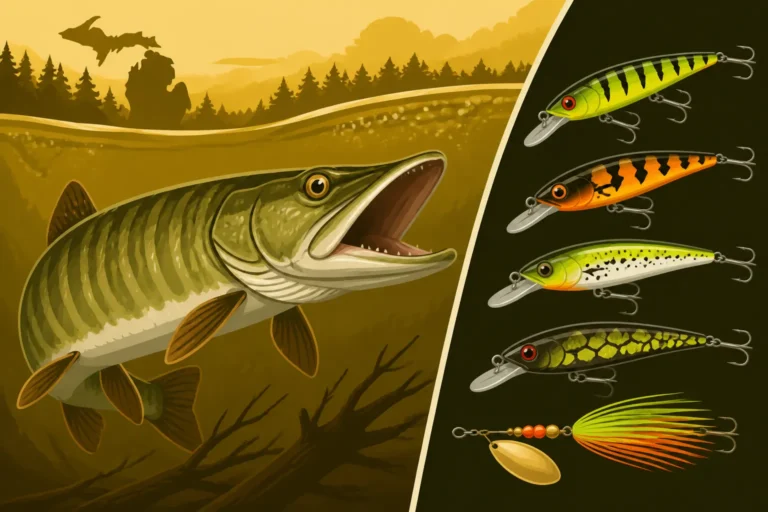
Muskellunge, often called the "fish of 10,000 casts," are truly apex predators in Michigan's waters. Their elusive nature and impressive size make them a highly sought-after species, but this popularity also means their populations need careful stewardship. Many of Michigan's muskie fisheries are sustained, at least in part, by active stocking programs. These programs are incredibly expensive and labor-intensive, relying on dedicated hatcheries and biologists to raise and release young muskies into suitable habitats.
The DNR constantly monitors these populations to ensure they are healthy and sustainable. When an angler harvests a muskellunge, that fish represents years, sometimes decades, of growth and potentially a successful stocking effort. Because the vast majority of muskie fishing in Michigan, especially on waters like Lake St. Clair or Lake Hudson, is geared towards catch-and-release, the relatively few fish that are kept become extraordinarily important data points. Each registration provides a snapshot of the population, helping the DNR track the success of their management strategies and identify areas that might need more support or different approaches. This information helps them decide on important aspects like "Michigan's One Muskellunge Per Year Rule" or if specific waters need special "Michigan Lakes With a 50-Inch Muskellunge Minimum" regulations.
Data Collection: The Backbone of Sustainable Fishing
At its heart, the 24-hour muskellunge registration is a critical data collection tool. When you register a harvested muskie, you're not just reporting a catch; you're contributing invaluable scientific information directly to the DNR. This data includes several key pieces of information: the exact date and time of capture, the body of water where the fish was caught, its length and weight, and details about the angler who caught it. Think of it as a detailed biological survey that anglers actively participate in, providing information the DNR simply couldn't collect on their own through traditional surveys.
This rich dataset allows fisheries biologists to analyze trends over time. They can track average growth rates in different lakes, understand the geographical distribution of harvested fish, and even gauge the age structure of the population. For instance, if registrations consistently show smaller muskies being harvested from a particular lake, it might signal an issue with recruitment or habitat, prompting further investigation. Conversely, if registrations reveal a healthy number of large, mature fish, it validates existing management practices. Without this immediate and accurate data, the DNR would be flying blind, making it much harder to implement effective conservation measures and maintain the high-quality muskie fisheries that Michigan is known for. This is a crucial part of why everyone needs to be aware of "Michigan Fishing Regulations Every Angler Should Know".
Why the 24-Hour Window is Non-Negotiable
The strict 24-hour deadline for muskellunge registration might seem a bit arbitrary at first glance, especially when you're still reeling from the excitement of landing such a magnificent fish. However, this tight timeframe is not about inconveniencing anglers; it's a carefully considered element designed to ensure the integrity and accuracy of the critical data being collected.
Ensuring Accuracy and Preventing Misreporting
Imagine the potential for errors if there were no firm deadline. An angler might catch a muskie, go home, celebrate, and then try to remember the exact length or location a few days later. Details could become fuzzy, leading to less accurate data. Even more concerning, a lack of a strict deadline could open the door to intentional misreporting or even the transfer of an already caught fish to another angler for registration purposes, which would severely skew population data and undermine the entire conservation effort. The 24-hour rule significantly minimizes these risks.
By requiring registration within a day, the DNR ensures that the details provided are as fresh and accurate as possible. Most anglers are still buzzing from the catch, and the fish itself is likely still intact, allowing for precise measurements and location details. This immediate reporting helps to create a trustworthy database, which is paramount for sound scientific analysis and management decisions. It’s about creating a system where the data reflects reality as closely as possible, without the distortions that can creep in over time.
The Practicalities of Catching and Keeping a Trophy Muskie
Let's be realistic: landing a large muskellunge is often the culmination of immense patience and effort. Once you've decided to harvest one (remembering that "Catch-and-Immediate-Release Rules for Muskellunge" are the norm for most catches), the next steps typically involve getting the fish home, taking photos, and often preparing it for processing. This usually happens within a day or so of the catch. The 24-hour window aligns with this natural progression of events.
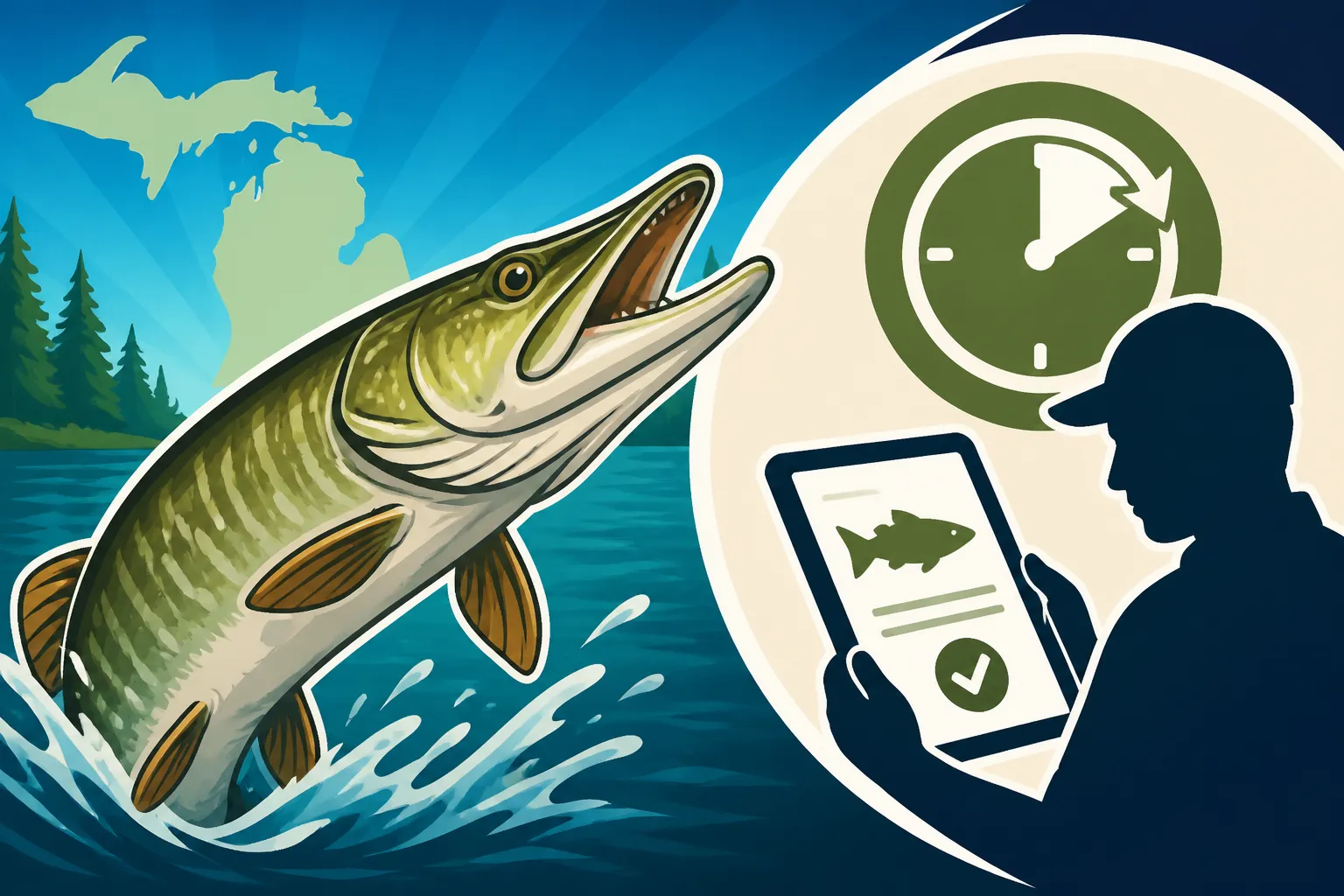
While it might sound like a short timeframe, modern technology has made compliance incredibly simple. You no longer have to drive to a distant DNR office. Instead, you can often register your fish right from your boat or at the access site using a smartphone. The expectation is that once you’ve made the decision to keep such a prized fish, registering it promptly is part of being a responsible steward. This deadline ensures that the information is logged before the fish might be filleted, shared, or otherwise become unavailable for inspection or verification if needed. It connects the catch directly to the moment and circumstances of its harvest, providing context that would be lost with a longer, more lenient reporting period. If you’re wondering exactly "How to Register a Muskellunge Catch in Michigan", the process has been streamlined for your convenience.
How the Muskie Registration Process Benefits Anglers and the Ecosystem
While the 24-hour muskie registration requirement might seem like a regulatory hoop to jump through, it's actually a vital mechanism that yields significant benefits for both the muskellunge species and the passionate anglers who pursue them. It's a testament to the idea that responsible angling and robust data collection go hand-in-hand with creating sustainable, world-class fisheries.
Informed Regulation and Future Fishing Opportunities
The data collected through these mandatory registrations forms the bedrock of Michigan's fisheries management strategy for muskellunge. Every piece of information – the size, location, and date of harvest – is meticulously analyzed by DNR biologists. This cumulative knowledge allows them to understand population dynamics, assess the effectiveness of stocking programs, and evaluate the overall health of specific muskie fisheries across the state. Without this precise data, the DNR would be unable to make truly informed decisions about critical regulations such as size limits, bag limits, and even season dates.
Consider the impact: if data consistently shows a decline in large, mature muskies in a particular body of water, the DNR might consider implementing stricter size limits or even temporary harvest closures to allow the population to rebound. Conversely, if robust populations are identified, certain areas might see opportunities for carefully managed harvest. This adaptive management, directly fueled by angler reporting, ensures that the species can thrive while still offering legitimate fishing opportunities. It means that future generations will have the chance to experience the same thrill of pursuing Michigan's iconic "fish of a thousand casts." Understanding these regulations, like those found in the "Michigan Bag and Size Limits Explained" or "Michigan Fishing Season Dates and Rules", is crucial for every angler.
Easy Reporting Methods in the Modern Age
Gone are the days when registering a fish meant a dedicated trip to a physical DNR office during business hours. Today, Michigan has embraced technology to make the 24-hour registration process as convenient as possible, acknowledging that anglers might be far from population centers when they land their trophy. The primary methods for registration are digital, offering immediate access from almost anywhere.
Many anglers choose to register their muskie online through the Michigan DNR website, which is accessible 24/7. Even more convenient is the "Michigan's DNR Hunt Fish App for Licenses and Reporting", which allows you to log your catch right from your smartphone, often directly from the boat launch or even the water's edge if you have a signal. This app is a game-changer for adhering to the 24-hour window, making it easy to comply before you've even packed up your gear. To make sure you're always ready, having a charged phone and perhaps a waterproof case (easily found on online retailers like Amazon) can ensure you're never caught off guard. While you’re likely "Buying a Michigan Fishing License Online", you can also take advantage of the same online platform for reporting. If digital isn't your preference, designated license agents across the state can also assist with registration in person.
Consequences of Non-Compliance
While the intent behind muskie registration is purely for conservation and data collection, it's also a legal requirement, and failing to adhere to it carries consequences. Fishing regulations are put in place to protect natural resources and ensure fair access for all, and skirting these rules undermines those efforts. If an angler harvests a muskellunge but fails to register it within the specified 24-hour period, they could face significant penalties.
These penalties can range from substantial fines to the revocation of fishing privileges. Law enforcement, including DNR conservation officers, takes these regulations seriously. The fines associated with such violations are designed to be a deterrent, reinforcing the importance of compliance and discouraging actions that could harm the muskie fishery. Beyond the legal ramifications, failing to report a harvested fish also deprives the DNR of critical data, which can negatively impact future management decisions and potentially reduce fishing opportunities for everyone. It's a small but significant act of responsibility that ensures the longevity of Michigan's exceptional muskie angling. It's worth remembering that these are serious regulations, and it's always better to know "What Happens if You Fish in Michigan Without a License" or fail to follow specific species rules.
Here's a quick look at the critical data points collected during muskie registration and why they matter:
| Data Point | Purpose for Conservation | Angler Benefit |
|---|---|---|
| Date & Time of Catch | Tracks seasonal harvest patterns, informs season dates. | Ensures fishing opportunities align with fish behavior. |
| Water Body | Identifies specific population health, assesses stocking success in different lakes/rivers. | Helps ensure management is tailored to local fisheries, maintaining quality. |
| Length of Fish | Monitors growth rates, age structure, and compliance with size limits. | Confirms legal harvest, contributes to data that sets sustainable size limits. |
| Weight of Fish | Provides condition factor data, helps identify healthy populations. | Offers insight into overall health of the fishery and potential for trophy fish. |
| Angler Information | Helps track repeat catches (if applicable) and overall angler participation. | Validates catch, demonstrates commitment to conservation through participation. |
| Method of Catch | Informational for DNR, may identify selective harvest issues. | Contributes to a comprehensive understanding of fishing pressure and techniques. |
Disclaimer
Please remember that fishing regulations, including those for muskellunge, can change. Always consult the most current Michigan Fishing Regulations Digest published by the Michigan Department of Natural Resources (DNR) before heading out on the water. This article is intended for informational purposes and should not be considered a substitute for official DNR publications.