How to Catch Salmon From a Pier at Night
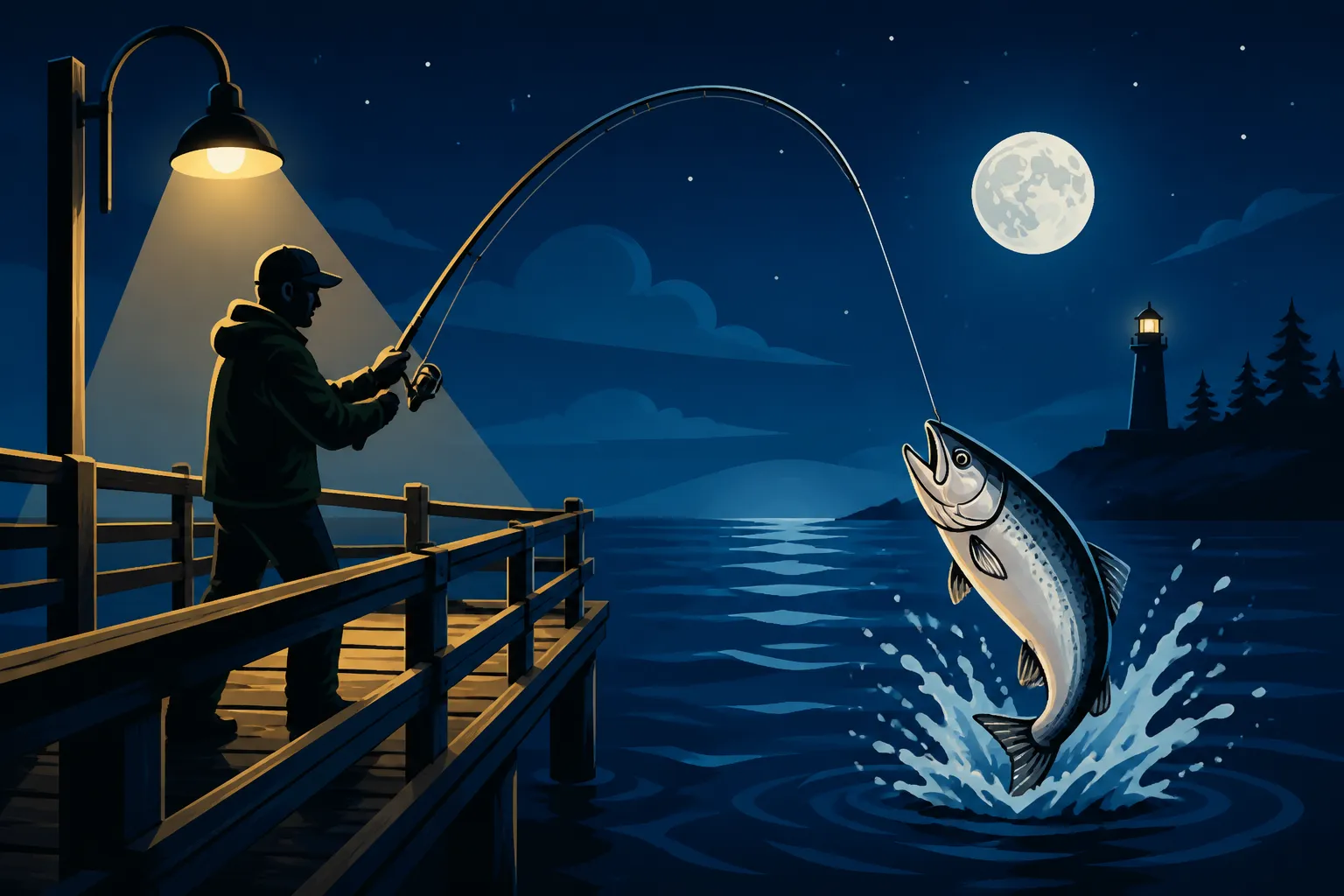
There's a special kind of thrill, a quiet anticipation, that comes with standing on a Michigan pier long after the sun has dipped below the horizon, knowing that big, silvery salmon are cruising just beyond the reach of daylight anglers. Many folks get frustrated trying to crack the code of night fishing, wondering if it's even worth the effort when they can't see a thing. But trust me, catching salmon from a pier at night is not only possible but can be incredibly productive and an unforgettable experience, and this guide is here to walk you through exactly how to do it successfully and safely.
The Allure of the Dark: Why Night Fishing for Salmon from Michigan Piers?
Let's face it, fishing during the day can be a real hustle, especially on popular piers along the Great Lakes. You're jostling for space, dealing with boat traffic, and often competing with a lot of other anglers. Night fishing offers a completely different vibe, one that many dedicated salmon anglers swear by. It’s not just about solitude, though that's a huge bonus; it’s about understanding how salmon behave when the sun goes down and how that behavior plays right into our hands as pier anglers.
Understanding Salmon Behavior at Night
Salmon, particularly Chinook (King) and Coho, are often more active feeders and less wary in low-light conditions. During the bright daylight hours, these fish can be skittish, staying deeper or further offshore to avoid predators and bright sun. As dusk settles and darkness takes over, they often move closer to shore and into shallower waters, including the areas directly surrounding piers and harbor mouths, to forage. This is their comfort zone, a time when they feel safer to chase baitfish without the constant pressure of boat motors or glaring sunshine.
Think about it: the pier lights, or even ambient light from nearby towns, can create subtle shadows and attract baitfish, which in turn draws in the salmon. It’s a natural food chain phenomenon that plays out right where you're standing. Their vision adapts, making them efficient hunters even in what seems like pitch black to us. So, while you might feel blind, the salmon are perfectly at home and often much more willing to strike. This shift in behavior is why night fishing can be so incredibly effective, turning those quiet piers into potential hot zones.
Less Crowded Piers and Better Opportunities
One of the most immediate benefits you'll notice when heading out for a night session is the significant drop in angler traffic. During the prime daytime hours, popular fishing piers can resemble a bustling boardwalk, especially during peak salmon runs. Finding a good spot, casting without tangling lines, and simply enjoying the peace of the lake can be challenging. This frustration often leads many anglers to give up on pier fishing altogether.
By contrast, night fishing offers a more serene and less competitive environment. You'll often have ample space to spread out your gear, make long, unobstructed casts, and truly immerse yourself in the experience. Fewer lines in the water often means less pressure on the fish, potentially making them bolder and more likely to bite. Plus, the quiet solitude of fishing under the stars or the moonlight, with only the sounds of the waves and your reel, is an experience in itself. It's a chance to truly connect with the water and the pursuit, free from the distractions of a busy day. It also allows you to move along the pier, experimenting with different depths and spots, which is much harder to do when the pier is packed. This strategic flexibility can be a game-changer for finding those elusive schools of salmon. If you're wondering which specific locations are best, you might find some great ideas by checking out some Best Lake Michigan Fishing Piers and Harbors.
Gearing Up for the Midnight Run: Essential Tackle and Tools
Don't just grab your daytime gear and hope for the best. Night fishing for salmon from a pier requires a thoughtful selection of equipment. You're operating in low light, potentially colder temperatures, and often dealing with larger, hard-fighting fish. Having the right rods, reels, line, lures, and most importantly, lighting and safety equipment, will not only increase your success but ensure your experience is comfortable and secure.
Rods, Reels, and Line for Pier Fishing
When targeting salmon from a pier, you'll want gear that can handle powerful fish and long casts. A medium-heavy to heavy action spinning or casting rod, typically between 8 to 10 feet long, is ideal. The extra length helps with casting distance, managing lines around other anglers (if there are any), and providing better leverage when fighting a strong salmon. A good quality graphite or composite rod will offer sensitivity for detecting subtle night bites and enough backbone to turn a charging fish. Many anglers find that longer rods, like those described in articles about Best Rods and Reels for Michigan Fishing, are perfect for this scenario.
Pair your rod with a sturdy spinning reel in the 4000 to 6000 size range, or a baitcasting reel capable of holding a good amount of line. Smooth drag is absolutely crucial; a screaming salmon can spool you in seconds if your drag isn't set properly or isn't smooth enough to pay out line consistently. For line, 15 to 20-pound test monofilament or fluorocarbon is a solid choice for its abrasion resistance against pier pilings and its ability to absorb shock. Alternatively, 20 to 30-pound braided line with a 15-20 pound fluorocarbon leader provides excellent sensitivity and casting distance. Remember, a thin, strong leader is less visible to cautious salmon, even in the dark. For added convenience, many anglers pick up their fishing essentials from online retailers like Amazon, where a wide selection of reliable brands is readily available.
Choosing the Right Lures and Bait for Night
This is where night fishing gets really interesting. While many daytime lures work, some truly shine after dark. The key is often contrast, vibration, and scent. Glo-in-the-dark spoons and crankbaits are perennial favorites. Brands like Little Cleo, Krocodile, or Dardevle spoons in luminescent finishes can be charged with a bright flashlight and will glow underwater, providing a beacon for curious salmon. Erratic wobbling plugs and stickbaits that imitate wounded baitfish, even in dark colors, create vibrations that salmon can detect with their lateral lines. Consider sizes in the 3-5 inch range.
For bait, skein (salmon roe) is a proven killer, especially when drifting it under a slip bobber. The natural scent trail is irresistible to salmon. Nightcrawlers, often paired with a small spinner or floating jig head, can also be effective. If you're using cut bait, make sure it's fresh and consider soaking it in a fish attractant for an extra boost. Sometimes, the subtle scent of natural bait outperforms flashy lures when salmon are being particularly finicky. Experimentation is key; what works one night might not work the next. It also pays to know your target species, as different salmon, like the ones discussed in Michigan Salmon Species Explained, might prefer different presentations.
Here's a quick comparison of popular night fishing tackle for salmon:
| Tackle Type | Description | Best Use | Night Considerations |
|---|---|---|---|
| Spoons | Metal lures designed to wobble and flash; often come in varied weights and colors. | Casting & retrieving; imitating baitfish; good for covering water. | Choose glow-in-the-dark, reflective, or dark contrasting colors. Charge with light. |
| Crankbaits/Plugs | Hard-bodied lures with a lip that creates diving action and vibration. | Steady retrieve; targeting specific depths; mimicking swimming baitfish. | Dark colors (black, blue, purple) for silhouette; rattles for sound. |
| Skein/Spawn Bags | Natural salmon roe, often tied in mesh bags; strong scent trail. | Drifting under a bobber; still fishing; targeting scent-feeders. | Most effective with a slip bobber to control depth. Natural appeal. |
| Jigs | Weighted hook with soft plastic or hair dressing; can be tipped with bait. | Vertical jigging; slow retrieve; bottom bouncing. | Glow jigs or those with reflective eyes; add scent. |
| Slip Bobbers | Allows bait to be set at any depth; slides freely on the line until stopped by a bobber stop. | Presenting bait at precise depths; detecting subtle bites. | Lighted bobbers are essential for visibility. |
Lighting and Safety Equipment
This is non-negotiable for night fishing. You need to see, and you need to be seen. A quality headlamp with both a bright white light and a red light option is essential. The red light preserves your night vision better than white light and is less disruptive to other anglers and potentially the fish. A small, portable lantern can be handy for lighting up your immediate tackle area, allowing you to re-tie lines or rummage through your bag without holding your headlamp in your mouth. Many anglers consider checking Amazon for compact, rechargeable lanterns that offer multiple light settings.
Beyond lighting, safety means a sharp fillet knife (handled with extreme care in the dark), pliers or forceps for hook removal, and a sturdy net with a long handle. A larger net, capable of scooping a thrashing 20-pound King salmon, is a must. Bring a cooler with ice to keep your catch fresh, and don't forget bug spray. Dressing in layers is smart, as night temperatures can drop significantly, even after a warm day. Consider wearing a reflective vest or having reflective tape on your clothing, especially if the pier is near a road or open to public access. While not directly relevant to pier fishing, remembering general boating safety, like having a Best Life Jacket for Cold Water Boating on hand if you're ever near the water, is always a good practice.
Mastering the Night Shift: Techniques for Pier Salmon Success
Fishing at night might feel daunting initially because you're relying more on feel and sound than sight. But with the right techniques, patience, and a bit of practice, you’ll quickly adapt. It's about paying attention to subtle cues and understanding how to present your offerings effectively when visibility is low.
Casting and Presentation in the Dark
When casting at night, precision isn't always as easy as during the day. If the pier is unlit, you'll need to rely on the feel of your rod and the sound of your lure hitting the water. Always be mindful of your surroundings; look around with your headlamp before each cast to ensure no one has moved into your casting zone. A smooth, controlled cast is better than a powerful, erratic one that might tangle or overshoot.
Once your lure or bait is in the water, the presentation becomes paramount. If you're casting spoons or crankbaits, vary your retrieve speed until you find what the fish are reacting to. A slow, steady retrieve can be effective, making your lure appear as an easy meal. Occasionally pausing or adding a twitch can sometimes trigger a strike from a hesitant salmon. For bait fishing with a slip bobber, ensure your bait is presented at the right depth. Salmon might be cruising just under the surface, or they could be holding closer to the bottom, especially near the pier pilings or any underwater structure. Don't be afraid to adjust your depth frequently until you start getting bites. This kind of careful presentation is crucial, whether you're targeting salmon or trying to master How to Fish a Harbor for Salmon in Michigan.
Identifying Strikes and Setting the Hook
This is arguably the biggest challenge for new night anglers. You can't see the line twitch, so you have to feel it. Pay close attention to your rod tip. Any sudden tap, pull, or even a subtle feeling of "weight" that wasn't there before could be a salmon mouthing your bait or nipping at your lure. Some anglers prefer braided line at night for its superior sensitivity, transmitting even the lightest bites directly to your hand.
When you suspect a bite, don't hesitate. A quick, firm sweep of the rod tip upwards or to the side is usually enough to set the hook. Salmon have tough mouths, so a good hook set is vital to ensure they don't throw the hook during the fight. Once hooked, keep steady pressure on the fish, letting your drag do the work. Remember, salmon are powerful, and they'll make runs. Be prepared for a fight that might take you up and down the pier. Don't rush it; wear the fish down. This is particularly true for larger fish you might encounter during the Best Months for Salmon Fishing in Michigan. Once you've landed your catch, it can be helpful to know How to Tell a Coho Salmon From a Chinook Salmon for identification purposes before deciding to keep or release.
Adapting to Conditions
Night fishing, like all fishing, is about adaptation. Water conditions, weather, and even lunar cycles can influence salmon behavior. If the water is calm and clear, fish might be more wary of bright lights or noisy movements on the pier. If there's a chop on the water or some murkiness, they might be bolder. Wind can make casting tricky and make it harder to feel subtle bites, so adjusting your lure weight or line choice might be necessary.
Don't be afraid to move along the pier if your current spot isn't producing. Salmon can move in schools, and they might be concentrated in one area one moment and gone the next. Try casting at different angles, varying your retrieve, or switching between lures and bait. If you notice baitfish activity – splashes, ripples, or even just the subtle "boil" of water – focus your efforts there, as salmon are likely nearby. Always consult the local regulations for daily bag and possession limits; understanding Michigan's Combined Trout and Salmon Possession Limit is crucial before you head out. Being adaptable and patient is your greatest asset under the cover of darkness.
Safety First, Always: Staying Secure After Dark
Fishing at night from a pier offers a unique tranquility, but it also comes with its own set of risks. Ignoring safety can quickly turn a peaceful outing into a dangerous situation. Prioritizing your well-being and being prepared for the unexpected is just as important as having the right gear.
Personal Safety and Companionship
One of the biggest pieces of advice I can give you for night fishing is this: don't go alone if you can avoid it. Having a fishing buddy significantly enhances safety. If you slip, fall, or have a medical emergency, a companion can provide immediate assistance or call for help. Even for basic tasks like netting a large fish, an extra set of hands makes a huge difference. If you absolutely must go solo, make sure someone knows where you are, your planned return time, and have your cell phone fully charged and easily accessible.
Furthermore, always be aware of your surroundings. Piers can have uneven surfaces, broken boards, or slippery spots from water or fish slime. Use your headlamp to scan the area around you regularly, not just directly in front of you. Avoid taking unnecessary risks, like climbing over railings or venturing onto unstable sections of the pier. Trust your gut; if a situation feels unsafe, it probably is. You can enhance your visibility to others by wearing light-colored clothing or even a reflective vest, especially if the pier is popular or in an area with some vehicle access.
Navigational and Environmental Awareness
The Great Lakes can be unpredictable, even from the seemingly stable platform of a pier. Keep an eye on weather forecasts, not just for rain, but for wind and sudden temperature drops. Strong winds can create dangerous waves that can wash over piers, making them extremely hazardous. A sudden gust can also make casting difficult and even dangerous if your line snags something or someone. Even on a clear night, cold temperatures can lead to hypothermia if you're not dressed appropriately in layers.
Be mindful of the water itself. Are there strong currents that could pull a lost item or even a person away? Are there any submerged obstacles near the pier that could snag your line or pose a tripping hazard? Knowing the general layout and hazards of the pier you're fishing during the day can be incredibly helpful for navigating it safely at night. Always look for any "no fishing" or "closed after dark" signs, as some piers might have restrictions for safety or local ordinance reasons.
Emergency Preparedness
Even with the best planning, things can go wrong. It’s important to have a small emergency kit with you. This could include a basic first-aid kit for minor cuts or scrapes, a whistle to signal for help, and perhaps a small, high-powered air horn if you need to alert boaters or distant individuals. A fully charged power bank for your cell phone is also a smart addition, as chilly temperatures can drain phone batteries faster.
In the event of an emergency, stay calm and assess the situation. If someone falls into the water, call for help immediately and only attempt a rescue if it's safe to do so and you have the proper training and equipment. Otherwise, focus on keeping the person in sight and guiding rescuers. Having a clear plan for how to handle common mishaps, whether it's a minor injury or losing a piece of gear in the dark, will give you peace of mind and help you react effectively if the unexpected happens. Many anglers will also consider what Best Gear for Pier Fishing Salmon to bring beyond just rods and reels to enhance their overall safety and preparedness.
Ultimately, night fishing for salmon from a Michigan pier is a rewarding experience that combines the thrill of the catch with the peaceful solitude of the dark. By understanding salmon behavior, preparing with the right gear, mastering specific techniques, and always prioritizing safety, you'll be well on your way to creating unforgettable angling memories under the stars.
Disclaimer
This article is for general informational purposes only and does not constitute professional advice. Laws, prices and regulations vary by location and change over time. Consult a qualified professional for guidance on your specific situation.