Michigan Fishing Seasons Explained
One of the biggest head-scratchers for anglers in Michigan, especially newcomers or those venturing to a new part of the state, is figuring out when, where, and for what you can actually fish. Our beautiful state, with its vast Great Lakes, countless inland waters, and winding rivers, presents a glorious bounty of fishing opportunities, but it also comes with a mosaic of regulations that shift not just by species, but by the calendar. This comprehensive guide is here to untangle the complexities of Michigan's fishing seasons, helping you understand the ebb and flow of angling opportunities throughout the year.
Understanding Michigan's Fishing Calendar: A Year-Round Pursuit
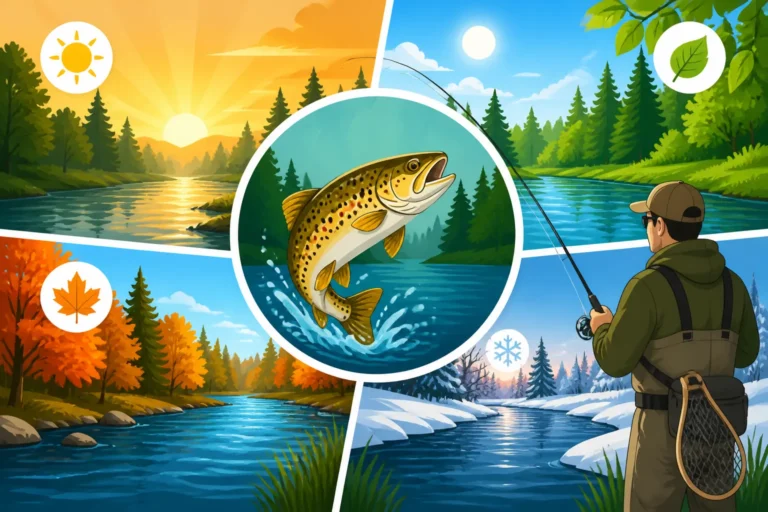
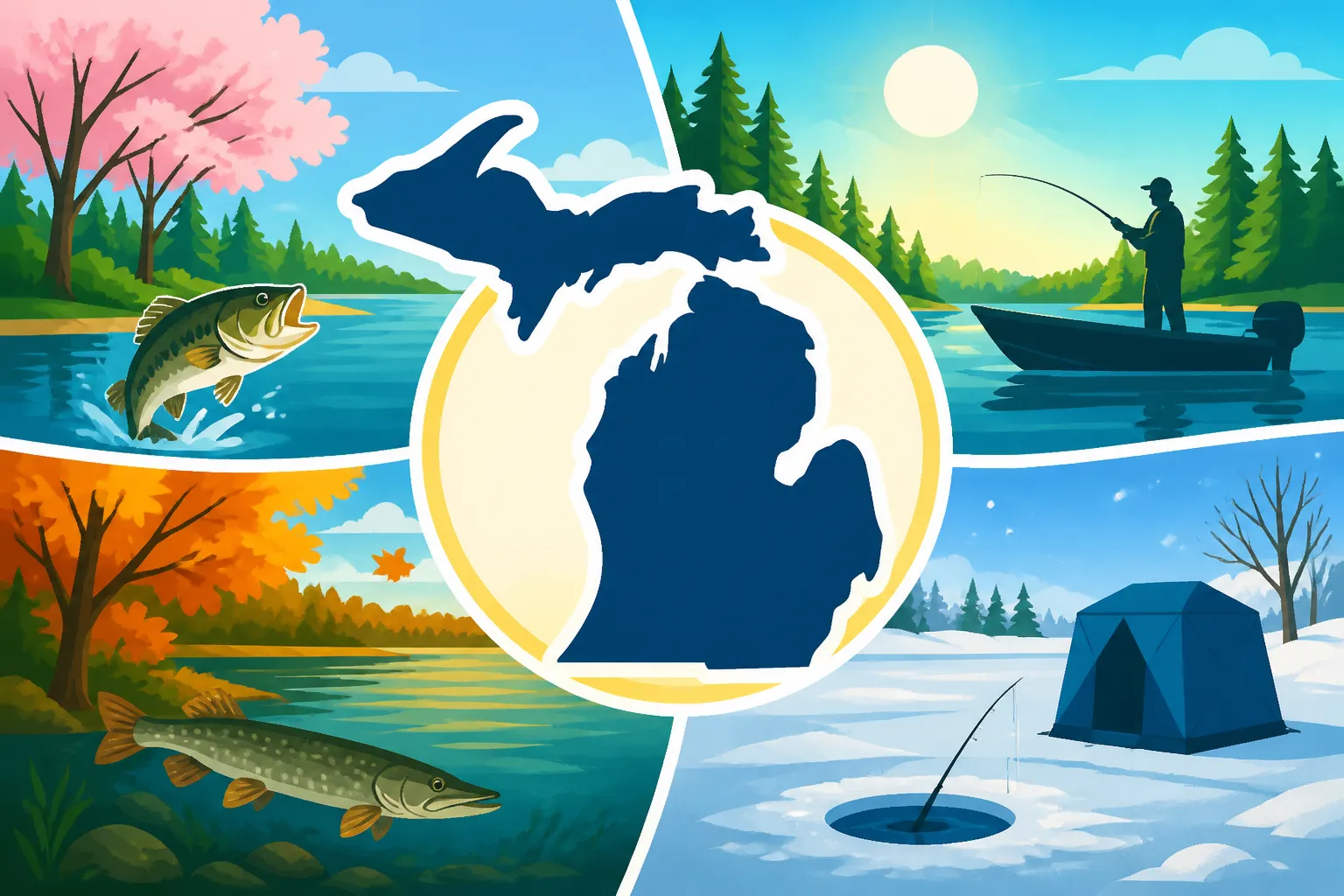
Michigan is truly a four-season fishing destination, but that also means the rules and target species change dramatically with the weather. It’s not just about what month it is, but often about what specific body of water you’re on, whether it’s a Great Lake, an inland lake, or a designated trout stream. This ever-shifting landscape can be daunting, making it feel like you need a law degree just to cast a line without worry. But with a bit of understanding, you'll see the logic behind these seasonal shifts, primarily aimed at protecting fish populations during critical periods like spawning.
The Dynamic Nature of Michigan's Seasons
Unlike some states where fishing might be a more straightforward, open-all-year affair for many species, Michigan's diverse ecosystems and prime spawning grounds necessitate a more nuanced approach. Think about it: a cold-water species like lake trout behaves very differently from a warm-water species like largemouth bass, and their breeding cycles occur at different times of the year. The Department of Natural Resources (DNR) designs these seasons to ensure sustainable fishing for generations to come, often closing certain fisheries during peak spawning to allow fish to reproduce undisturbed.
For example, imagine a pristine trout stream like the Au Sable River, where wild brown trout are trying to spawn in the fall. If the season remained wide open for harvest during this sensitive time, the population could suffer significantly. Similarly, the spring walleye spawn in Saginaw Bay requires careful management to ensure a robust future for this beloved species. These specific closures aren't meant to frustrate anglers; they're vital conservation efforts. Always consult the latest Michigan Fishing Regulations Every Angler Should Know to stay informed about these critical dates.
General Principles of Season Openers and Closures
While the specifics vary, there are some overarching patterns in Michigan's fishing seasons. Generally, warm-water species like bass, pike, and panfish often have more open seasons, especially on larger inland lakes and the Great Lakes, though specific harvest limits and size restrictions apply. Cold-water species like trout and salmon, especially in rivers, tend to have more defined open and closed periods, particularly during their spawning runs.
For many species, the general trend sees a flurry of openers in the spring, a relatively stable period through summer, massive runs in the fall, and then a shift to ice fishing in winter. However, certain areas, particularly the Great Lakes, offer year-round opportunities for some species, albeit with different techniques and target depths. It’s a good idea to think of the fishing year in phases: the early spring excitement, the summer leisure, the fall frenzy, and the winter solitude. Understanding these broader patterns helps you mentally prepare for the opportunities each part of the year presents.
Spring into Action: The Rebirth of Fishing
Spring in Michigan is a time of immense excitement for anglers. As the ice recedes and water temperatures begin to climb, fish become more active, moving into shallower waters to feed and spawn. It's a season of fresh starts, new opportunities, and often, incredible fishing action. The air hums with anticipation as anglers prepare their gear, knowing that some of the year's most iconic openers are just around the corner.
Inland Trout Season Opens: A Fly Angler's Dream
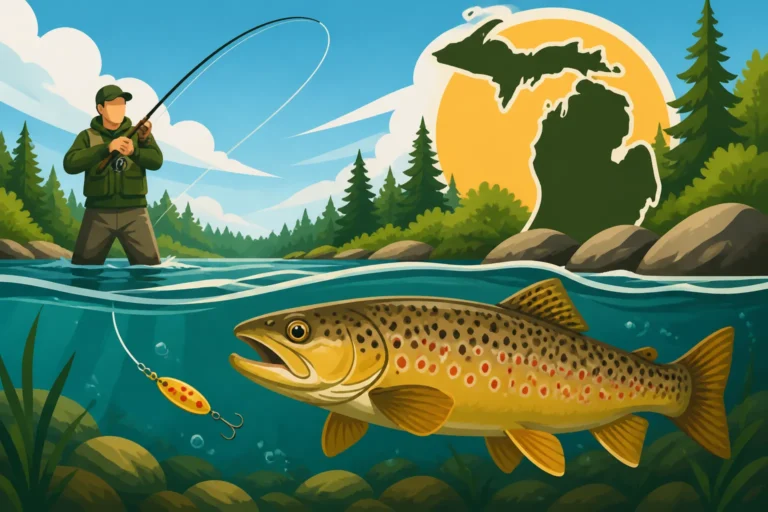
For many, spring officially begins with the opening of Michigan's inland trout season, typically on the last Saturday of April. This is a hallowed tradition, especially for fly anglers who have spent the winter tying flies and dreaming of rising trout. Rivers and streams across the state, from the legendary Au Sable to smaller, intimate creeks, come alive. The early season can mean cold, high water, but it also brings opportunistic trout eager to feed on nymphs and emerging insects.
Imagine standing in a secluded bend of the Pere Marquette River, the crisp spring air invigorating your senses as you meticulously cast a streamer towards a promising logjam. The thrill of a wild brown trout striking your fly is an experience that resonates deep within an angler's soul. As the spring progresses and insects like Hendrickson mayflies and caddis begin to hatch, dry fly fishing can become absolutely phenomenal. For those new to fly fishing, a good online resource or local fly shop can help you choose the right gear; even on platforms like Amazon, you can find excellent starter kits and instructional books to get you going. Remember to check local regulations carefully, as some streams have special regulations, including catch-and-release only sections or specific gear restrictions. Knowing your Michigan Bag and Size Limits Explained is crucial for a responsible and enjoyable trip.
Walleye and Pike Openers: Lower and Upper Peninsula Differences
One of the most anticipated spring events is the walleye opener, and Michigan handles this with a distinct geographical split to account for differing environmental conditions. In the Lower Peninsula, the walleye and northern pike seasons typically open on the last Saturday of April, aligning with the inland trout opener. This usually coincides with or immediately follows the walleye spawn, when these prized game fish are congregated in predictable locations, making them a prime target for anglers.
However, if you're venturing north, the Upper Peninsula has a slightly different schedule. The walleye and pike season in the U.P. often opens a couple of weeks later, usually on May 15th. This delay is due to the colder climate and later ice-out dates in the Upper Peninsula, which push back the walleye spawning period. This difference highlights the importance of checking specific regulations for your chosen fishing location. Imagine the excitement of targeting post-spawn walleye in the Detroit River or Saginaw Bay in late April, then later in May, heading to a U.P. lake like Lake Gogebic or Indian Lake for their opener. Each presents unique challenges and rewards. The staggered opening ensures that walleye populations across the state have the best chance to successfully reproduce before angling pressure increases. You can find more details on these specific dates in articles like Lower Peninsula Trout and Walleye Opener and Upper Peninsula Walleye Season Opener.
Early Season Bass and Panfish Opportunities
While bass season typically has specific opening dates for harvest (often the Saturday before Memorial Day weekend for catch-and-release, and Memorial Day weekend for keeping them), many anglers eagerly anticipate the ability to target smallmouth and largemouth bass on a catch-and-release basis even earlier in some waters. These early season opportunities, particularly in warmer shallow bays or along rocky points, can be fantastic as bass shake off their winter lethargy.
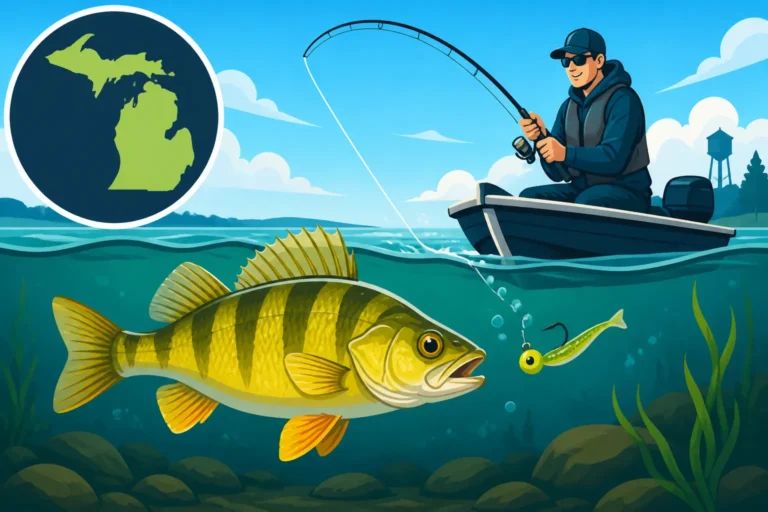
Panfish, including bluegill, crappie, and perch, are often available year-round in many inland waters, and spring can be an exceptional time to target them. As water temperatures rise, panfish move into shallow areas to spawn, making them accessible and aggressive. Picture yourself in a small boat or from shore, casting tiny jigs or bobber fishing with worms in a weed bed for a stringer full of plump bluegills. This is a perfect activity for families or those looking for consistent action. The ease of catching panfish in spring makes it a wonderful way to introduce new anglers to the sport, building confidence and fostering a love for Michigan's waters.
Summer's Bounty: Long Days and Warm Waters
Summer in Michigan offers some of the most diverse and relaxed fishing experiences. With warm weather, long daylight hours, and generally stable conditions, anglers can pursue a wide array of species across the state's vast waters. From the depths of the Great Lakes to the shallows of inland ponds, summer is a time for adventure, whether you're chasing trophy fish or simply enjoying a peaceful day on the water.
Great Lakes Salmon and Trout Trolling Peaks
For many, summer means Great Lakes trolling. From late spring through late summer, the vast waters of Lake Michigan, Lake Huron, and Lake Superior become a playground for those seeking Chinook salmon, Coho salmon, lake trout, and even steelhead. As surface temperatures rise, these fish often move into deeper, cooler waters, requiring specialized techniques like downriggers, Dipsy Divers, and planer boards to present lures at specific depths.
Charter boats out of ports like Ludington, Manistee, and Traverse City often experience peak success during these months, with anglers hoping for a scream of the reel signalling a massive Chinook. Coho salmon tend to be shallower early in the season, while lake trout can be found hugging the bottom in deep water throughout the summer. The sheer size and power of a Great Lakes salmon are something to behold, offering a truly memorable fight. It's not uncommon for anglers to outfit their boats with high-tech fish finders and GPS units, many of which can be researched and purchased on platforms like Amazon, to aid in locating these pelagic predators.
Inland Lake Bass and Panfish Action
While the Great Lakes beckon, Michigan's thousands of inland lakes truly shine in the summer for bass and panfish. Largemouth and smallmouth bass are in their prime, actively feeding and patrolling weed lines, rocky structures, and drop-offs. Topwater action at dawn and dusk can be explosive, with bass smashing poppers and walking baits. During the heat of the day, flipping jigs or throwing crankbaits to deeper cover can be highly effective.
Panfish remain a summer staple, providing continuous action for anglers of all ages. Bluegills, crappies, and perch can be found near weed beds, docks, and submerged timber. A simple bobber and worm setup can yield a cooler full of delicious panfish, perfect for a summer fish fry. Families often gravitate towards panfish fishing during summer vacations, creating lasting memories. Lakes like Houghton Lake or Higgins Lake are renowned for their consistent summer panfish and bass fishing. Understanding the Michigan Yellow Perch Limit on Lake St. Clair can be a useful reference, even if you're on a different lake, for understanding common panfish regulations.
Muskellunge Season: The Pursuit of a Trophy
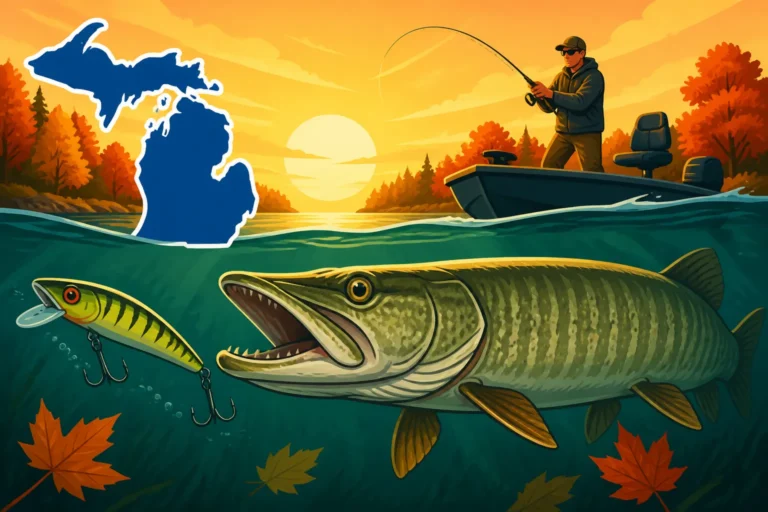
Summer also marks the prime season for muskellunge, often referred to as "the fish of 10,000 casts." These apex predators are active in many of Michigan's larger lakes and rivers, including Lake St. Clair, Lake Bellaire, and some sections of the Detroit River. The season for muskellunge in most Michigan waters opens the first Saturday of June and extends through the year. Pursuing a muskie is a commitment, requiring heavy tackle, large lures, and immense patience.
The thrill of seeing a massive muskie follow your lure right to the boat, or the sudden, violent strike, is what keeps dedicated anglers coming back. Catch-and-release is strongly encouraged, and often required, for muskellunge due to their slow growth rates and the desire to protect these trophy fish populations. If you're lucky enough to land one, remember Michigan has a strict Michigan Muskellunge Harvest Reporting Rules that requires you to register your catch within 24 hours. The summer months, with stable weather and active fish, provide the best window for encountering one of these magnificent beasts.
Autumn's Embrace: The Spectacle of the Salmon and Steelhead Runs
As the vibrant greens of summer give way to the fiery reds and golds of autumn, Michigan's rivers transform into prime angling destinations for one of the most exciting phenomena in freshwater fishing: the fall salmon and steelhead runs. This season brings a unique blend of challenge, beauty, and the chance for truly powerful fish encounters.
Fall Salmon Runs in Tributaries
Starting in late August and peaking through September and October, the Great Lakes Chinook and Coho salmon begin their annual pilgrimage from the big lakes into tributary rivers to spawn. Rivers like the Manistee River, Au Sable River, Muskegon River, and Pere Marquette River become bustling hubs of activity as thousands of salmon push upstream. Anglers line the banks and drift from boats, using a variety of techniques from drift fishing with spawn bags to casting large spoons and crankbaits.
The power of a fresh-run Chinook is unmatched, offering a battle that can test even the most experienced angler's gear and resolve. Coho salmon, often found in slightly smaller rivers or the lower sections of larger ones, provide a spirited fight and are a favorite for their table fare. This time of year isn't just about the fishing; it's about the entire experience—the crisp air, the stunning fall foliage, and the primal urge of the salmon pushing relentlessly upstream. It’s a truly iconic Michigan experience. For more on this, check out Fall Steelhead Run in Michigan Rivers.
Early Fall Steelhead Opportunities
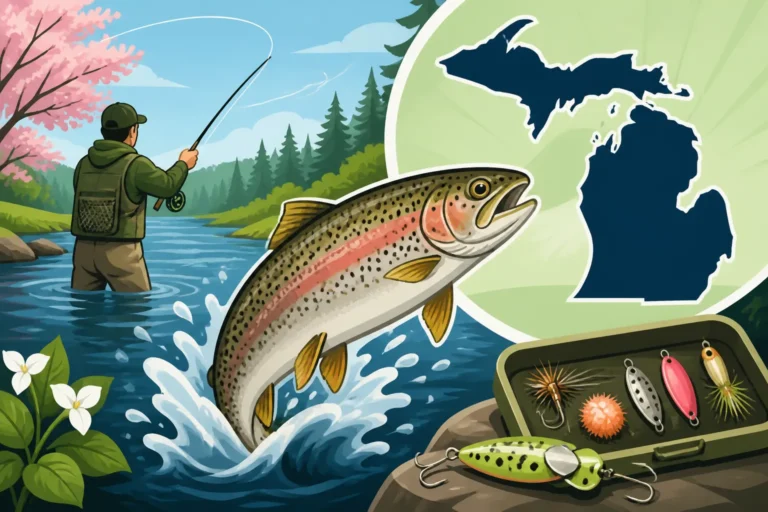
Hot on the heels of the salmon, and often overlapping with them, are the first waves of "fall-run" steelhead. These magnificent rainbow trout, having spent years growing large in the Great Lakes, follow the salmon into the rivers, often feeding on salmon eggs and parr. Early fall steelhead are renowned for their incredible acrobatics and blistering runs, making them a top target for many river anglers.
As water temperatures cool further into November, more steelhead continue to enter the rivers, staging in deeper pools and runs. Techniques like float fishing with beads, small spawn bags, or flies can be incredibly effective. Imagine the intense focus required to detect a subtle bite from a steelhead in the cold, swift current, followed by the exhilarating chaos of a hooked fish leaping clear of the water. Equipping yourself with the right gear is key, and searching for specialized steelhead rods and reels on sites like Amazon can help you prepare for these powerful fish.
Great Lakes Perch and Walleye in the Shallower Waters
While the river action takes center stage, don't overlook the Great Lakes themselves in the fall. As water temperatures drop, many species that dispersed into deeper water during the summer begin to move back into shallower bays and nearshore areas. Yellow perch, in particular, can offer fantastic fishing in the fall, congregating in large schools in places like Saginaw Bay and Lake St. Clair.
Walleye, too, become more active and accessible in the fall, often feeding aggressively to put on weight for the upcoming winter. Trolling or casting crankbaits in shallower depths can yield impressive catches. These opportunities often continue until ice-up, providing a pleasant transition between summer's heat and winter's chill. It's a great time to enjoy the last vestiges of open-water boating and take advantage of hungry fish before the hard water season arrives.
Winter's Chill: The Magic of Ice Fishing
When the brutal cold descends and Michigan's countless lakes and bays transform into a frozen wonderland, a different kind of angling adventure begins: ice fishing. Far from a dormant period, winter offers a unique opportunity to connect with nature and target fish that are otherwise difficult to reach. It’s a testament to the dedication of Michigan anglers that fishing doesn't stop just because the water freezes solid.
Safe Ice and Early Season Ice Fishing Targets
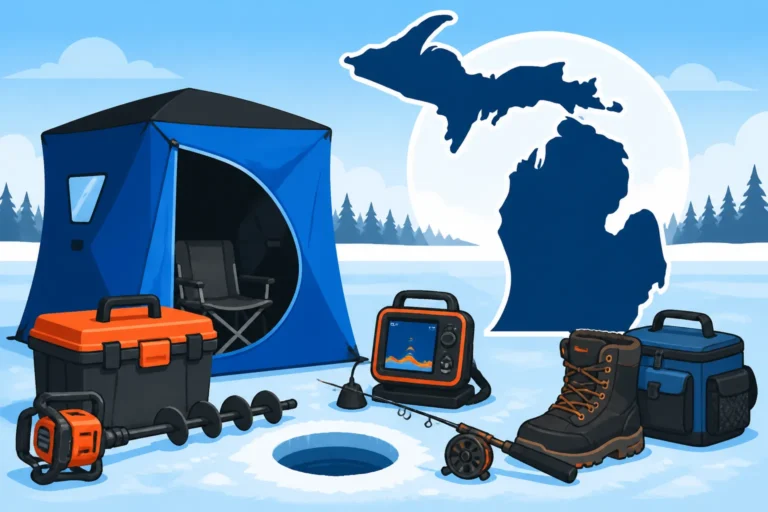
The absolute first rule of ice fishing is safety. "No ice is safe ice" is a mantra for a reason, but generally, 4 inches of clear, solid ice is considered the minimum for foot travel, with more required for ATVs or vehicles. Early season ice, when it's first forming and still relatively clear, can offer some of the hottest action as fish haven't yet seen much pressure.
During this early window, panfish like bluegill and crappie are often found in predictable patterns, frequently in shallow weed beds or near drop-offs. Anglers use small jigs tipped with wax worms or plastics, often fishing multiple holes with portable shelters. Walleye can also be very active under the early ice, especially during dawn and dusk, venturing into shallower feeding grounds. The quiet solitude of an early winter morning on the ice, waiting for that subtle twitch of a jig rod, is an experience truly unique to ice fishing. For a comprehensive guide, check out the Michigan Ice Fishing Guide.
Mid-Winter Strategies for Walleye and Perch
As winter progresses and the ice thickens, fish patterns can change. Mid-winter often means fish moving to deeper structures, sometimes becoming a bit more lethargic. However, with the right techniques, anglers can still find excellent success. Walleye, for instance, might be found hugging basin contours or relating to deep water humps. Jigging spoons, vertical jigs, or setting tip-ups with live bait like minnows are common strategies.
Yellow perch, another mid-winter favorite, often school up in large numbers over soft bottom areas or deep flats. Finding one usually means finding many. Electronics, like a Vexilar or Humminbird flasher, become invaluable for identifying these schools and presenting your lure precisely. Imagine the satisfying sight of a school of perch appearing on your flasher, followed by the quick thumps of multiple bites on your jig rod. It’s an effective and social way to fish, often with portable shanties creating temporary communities on the ice.
Ice Fishing for Pike and Panfish
Beyond walleye and perch, northern pike are a popular ice fishing target, especially in lakes known for their populations. Pike are often caught using tip-ups rigged with large live or dead baits, strategically placed near weed beds or along drop-offs. The thrill of watching a tip-up flag fly, followed by a sprint across the ice to set the hook, is pure adrenaline. Just ensure you're using proper steel leaders to prevent their sharp teeth from cutting your line.
Panfish remain a reliable target throughout the winter. While they might move deeper in mid-winter, they still provide consistent action. Many anglers brave the elements in elaborate ice shanties, often equipped with heaters and even televisions, turning a day on the ice into a cozy retreat. The simplicity of a small jig and a tiny mealworm can bring a smile to any angler’s face when a fat bluegill tugs on the line. Winter fishing teaches patience, resilience, and the beauty of Michigan's frozen landscapes.
Great Lakes Fishing: A World of Its Own
Michigan's identity is inextricably linked to the Great Lakes. These vast inland seas offer fishing opportunities that rival saltwater experiences, with an incredible diversity of species and year-round potential. However, fishing on the Great Lakes comes with its own set of rules, challenges, and immense rewards.
Year-Round Opportunities on the Big Water
Unlike many inland waters with more restrictive closed seasons, large portions of the Great Lakes offer remarkably continuous fishing throughout the year for certain species. For example, the open waters of Lake Michigan, Lake Huron, and Lake Superior generally have a year-round open season for lake trout, salmon (Chinook, Coho, Atlantic), and steelhead, although specific regulations regarding bag and size limits still apply. This means that even in the dead of winter, if weather permits and boats can launch, anglers might be out chasing these cold-water giants.
Of course, the techniques and target locations change drastically with the seasons. Spring sees fish in shallower waters, summer drives them deep, and fall brings them nearshore for spawning runs. Early spring and late fall can be phenomenal for brown trout and steelhead close to shore, while summer is king for deep-water trolling for Chinook and lake trout. This constant availability, weather permitting, is one of the unique appeals of Great Lakes fishing. Make sure your vessel is properly registered and adheres to all Michigan Boat Registration Requirements, regardless of the season.
Species-Specific Seasons on the Great Lakes
While many Great Lakes species enjoy open seasons, some still have specific regulations. Walleye fishing on the Michigan waters of Lake Erie and Saginaw Bay (Lake Huron), for example, follows similar season openers to inland Lower Peninsula walleye, typically opening on the last Saturday of April. These fisheries are incredibly popular, with anglers targeting massive schools of walleye in the spring and throughout the summer.
Yellow perch on the Great Lakes also have specific limits that vary by body of water. For instance, Lake St. Clair has unique regulations for yellow perch to manage its population effectively. Lake Superior has its own distinct rules for brook trout, reflecting the unique ecology of its cold, clear waters. It’s absolutely vital to consult the Michigan Fishing Guide for the most current information, as Great Lakes regulations can have specific zones or exceptions. Understanding Michigan's Great Lakes Fishing Regulations Guide is paramount before embarking on any big water adventure.
Key Species and Their Seasonal Windows
To truly master Michigan fishing, it helps to understand the typical seasonal patterns for the most popular game fish. While exceptions exist for specific waters, these general windows provide a roadmap for when and where to focus your efforts for a particular species.
Michigan Walleye Season Specifics
Walleye are one of Michigan's most sought-after fish, prized for their delicious fillets and challenging fight. As discussed, the general season in the Lower Peninsula and Lake Erie opens the last Saturday of April, while the Upper Peninsula opens May 15th. These dates are designed to protect spawning fish, which typically occurs when water temperatures reach the low 40s to low 50s Fahrenheit.
- Spring (Late April/Mid-May to June): This is prime time, as walleye are either spawning or recovering post-spawn and feeding aggressively in shallower waters. Targeting river mouths, rocky points, and shallow flats with jigs, crankbaits, or live bait is highly effective. Saginaw Bay and Lake Erie are hotspots.
- Summer (July to August): Walleye often move to deeper structures, humps, and drop-offs to find cooler water. Trolling with crankbaits or crawler harnesses becomes popular, especially at night or during low-light conditions.
- Fall (September to November): As water temperatures cool, walleye again become active in shallower depths, feeding heavily in preparation for winter. Night fishing can be particularly productive.
- Winter (December to March): Ice fishing for walleye can be excellent, especially during early and late ice periods, with fish often found on deep flats or near structural changes.
For more specific details on daily limits and protected slots, be sure to check Michigan Walleye Size and Possession Limits.
Trout and Salmon Seasonal Variations
Trout and salmon fishing in Michigan is a year-round endeavor, but the focus shifts dramatically with the seasons and by water type.
- Inland Trout Streams: Open from the last Saturday of April through September 30th for harvest. Many streams have catch-and-release seasons outside of this, or special regulations, so always check. Spring through early summer offers excellent dry fly and nymph fishing, while late summer often means targeting deeper pools or early morning/evening rises.
- Great Lakes Tributaries (Salmon & Steelhead):
- Spring Steelhead (March to May): These "chromers" run up rivers to spawn as snow melts and water warms. Centerpinning, float fishing, and fly fishing are common techniques.
- Fall Salmon (August to November): Chinook and Coho salmon enter rivers to spawn. Intense river fishing with various methods.
- Fall/Winter Steelhead (October to March): Following the salmon, steelhead enter rivers in waves and overwinter there. This provides opportunities for dedicated winter river anglers.
- Great Lakes (Lake Trout, Salmon, Steelhead, Brown Trout): Generally open year-round for many species.
- Spring: Nearshore trolling for brown trout and steelhead.
- Summer: Deep-water trolling for Chinook, Coho, and lake trout.
- Fall: Nearshore trolling for staging salmon and steelhead as they prepare for river runs.
- Winter: Limited open-water opportunities (weather permitting) or ice fishing for lake trout in select bays.
The Michigan's Combined Trout and Salmon Possession Limit is an important regulation to be aware of when fishing the Great Lakes or their tributaries.
Muskellunge Regulations and Best Times
The muskie season for most Michigan waters typically opens on the first Saturday of June and continues year-round. However, certain specified waters, like Lake St. Clair and the Detroit River, have a continuous open season all year for catch-and-immediate-release only. This is where you'll find some of the state's biggest muskie.
- Summer (June to August): This is peak season for muskie, as they are most active in warm water, feeding heavily. Casting large bucktails, crankbaits, or glide baits is popular, as is trolling.
- Fall (September to November): Many muskie anglers consider fall the best time for trophy fish. As water temperatures drop, muskies feed aggressively, bulking up for winter. They are often found on deeper breaks, rocky points, and expansive weed flats. This is when some of the biggest fish of the year are caught.
Remember, all muskellunge caught and kept in Michigan must be immediately registered with the DNR within 24 hours. The specific rule about Michigan Muskellunge Harvest Reporting Rules exists to help biologists track populations.
Navigating the Regulations: Your Essential Guide
Michigan's fishing regulations can feel like a labyrinth, especially with so many diverse water bodies and fish species. The key to staying legal and enjoying your time on the water is to understand where to find the most accurate and up-to-date information and how to interpret it.
The Michigan Fishing Regulations Digest
The absolute, undisputed bible for Michigan anglers is the annual Michigan Fishing Guide, published by the Michigan Department of Natural Resources (DNR). This comprehensive digest outlines all statewide and specific water body regulations, including season dates, bag limits, size limits, and gear restrictions. You can pick up a physical copy at any licensed fishing tackle dealer or DNR customer service center, or download a free PDF version directly from the DNR website.
Think of it as your essential onboard companion, right next to your tackle box. It’s easy to feel overwhelmed by the sheer volume of information, but the digest is logically organized. Start by looking up the specific body of water you intend to fish, then check the regulations for the species you’re targeting. Pay close attention to any "special regulations" listed for certain lakes or river sections, as these often override the general statewide rules. Having a current guide is critical, as Michigan Fishing Regulations Do Change Every Year, even if only in minor ways.
Understanding Catch and Release Versus Harvest Seasons
One common source of confusion for anglers revolves around the distinction between catch-and-release seasons and harvest seasons. For many popular species like bass and trout, Michigan often has an extended catch-and-release season where you can fish for them but must immediately release them unharmed. This allows anglers to enjoy targeting these fish outside of the traditional harvest windows while still protecting the populations during sensitive times like spawning or early development.
The harvest season, on the other hand, is when you are permitted to keep fish, subject to the specified Michigan Bag and Size Limits Explained. It’s crucial to know which kind of season you're in for your chosen species and water body. Accidentally keeping a fish during a catch-and-release only period can lead to fines and penalties. Always double-check the guide, and if in doubt, practice catch and release. It's better to be safe than sorry and ensures Michigan's fisheries remain robust for everyone. The convenience of apps like the Michigan's DNR Hunt Fish App for Licenses and Reporting makes checking these regulations on the go much easier.
| Season | Primary Species Targets | Key Opportunities | General Rule of Thumb |
|---|---|---|---|
| Spring | Walleye, Pike, Inland Trout, Panfish, Bass (C&R) | River mouth walleye runs, inland trout openers, panfish spawning in shallows | Excitement of openers, fish moving shallow to feed/spawn. |
| Summer | Great Lakes Salmon/Trout, Inland Bass, Panfish, Muskie | Deep-water trolling on Great Lakes, topwater bass, consistent panfish action, muskie hunt | Long days, warm waters, diverse opportunities, fish seeking cooler depths mid-day. |
| Autumn | River Salmon/Steelhead, Great Lakes Perch/Walleye, Inland Muskie | Spectacular salmon/steelhead runs in rivers, aggressive muskie, nearshore perch/walleye | Fall foliage, intense river action, fish feeding heavily for winter, some species move shallow again. |
| Winter | Walleye, Perch, Pike, Panfish, Lake Trout (ice) | Ice fishing for all major species, early/late ice hot bites, mid-winter structure fishing | Hard water, challenging but rewarding, emphasis on safety and specialized gear. |
Disclaimer
The information provided in this guide is for general informational purposes only and is not a substitute for the official Michigan Fishing Guide published by the Michigan Department of Natural Resources (DNR). Regulations can change, and it is always the angler's responsibility to consult the most current official DNR regulations before fishing.