How to Catch Muskellunge in the Fall
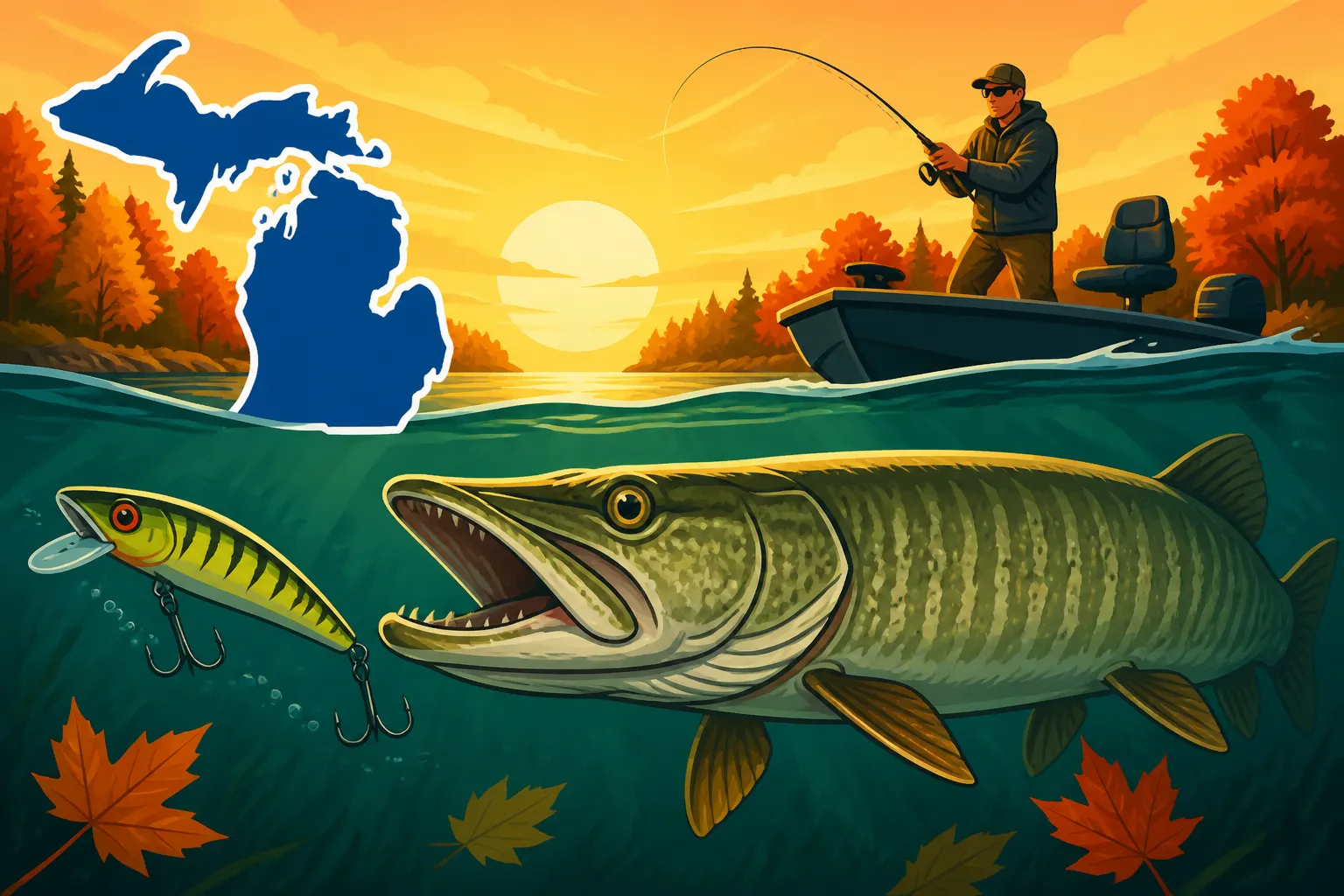
Trying to land a trophy muskellunge in Michigan during the fall can feel like searching for a ghost – you know they’re out there, big and lurking, but convincing one to bite is another story entirely. Many anglers get frustrated because the fish seem to vanish, or their usual summer tactics just don't cut it. This comprehensive guide will arm you with the knowledge and strategies you need to successfully target Michigan's elusive fall muskies, from understanding their behavior to picking the right gear and spots.
Understanding Fall Muskellunge Behavior in Michigan
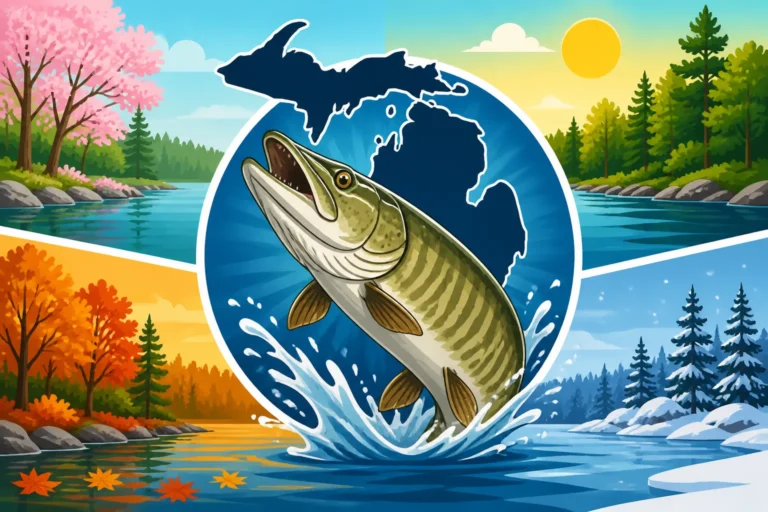
As the vibrant colors of autumn sweep across Michigan, signaling cooler temperatures and shorter days, the underwater world undergoes a dramatic shift. This transition profoundly impacts muskellunge, and understanding these changes is paramount to success. Unlike summer, when muskie might be found in predictable weed lines, fall calls for a different approach entirely.
Seasonal Transitions and Metabolism
When the water temperature begins to drop from the summer highs, usually dipping below 60 degrees Fahrenheit and continuing to fall, a muskie's metabolism actually kicks into overdrive. This might seem counterintuitive, as colder water often slows fish down, but for muskies, it's a critical feeding period. They're trying to pack on as much weight as possible before the long, lean winter months. This is often referred to as the "fall feedbag" or "peak feeding window," and it's when these apex predators are at their most aggressive. They're not just looking for a meal; they're looking for a big meal that provides maximum caloric intake.
This metabolic shift means muskies are more willing to chase larger baits and expend more energy. They'll move from their shallower summer haunts to deeper structure, following the thermocline (if one still exists) or simply seeking out areas with stable water temperatures and ample forage. The key is recognizing that their urgency to feed increases significantly, making them more susceptible to well-presented, high-profile offerings.
Baitfish Movements and Muskie Relocation
The fall transition isn't just about muskie metabolism; it's also heavily influenced by the movements of their primary food sources. As water cools, baitfish like ciscoes, smelt, and larger yellow perch often migrate from scattered summer locations to more concentrated, deeper areas. These baitfish schools become magnets for hungry muskellunge. If you can locate the bait, you're halfway to locating the muskie.
This means anglers need to shift their focus from shallow weed beds to deeper points, humps, offshore reefs, and steep breaks where baitfish are likely to congregate. Muskies will stage on the edges of these structures, ready to ambush unsuspecting schools. Pay close attention to your electronics to mark baitfish clouds, and then thoroughly work the areas immediately surrounding them. Sometimes, muskie will even follow baitfish into shallower bays during specific low-light conditions, but generally, the action moves deeper.
"Feeding Windows" and Optimal Activity
While muskie can be caught throughout the day in fall, there are definitely specific "feeding windows" when their activity peaks. These are often tied to major weather fronts, changes in barometric pressure, or specific times of day, particularly around dawn and dusk. Overcast days, especially those with stable or rising barometric pressure after a cold front has passed, can be incredibly productive. A light chop on the water also tends to improve muskie activity, breaking up light penetration and providing cover for ambushing predators.
Many seasoned anglers swear by the idea that the best muskie fishing often occurs during the nastiest weather – think blustery, drizzly days when most fair-weather fishermen are comfortably indoors. The colder and more uncomfortable it is for you, the more likely the muskie are on the prowl. Don't be afraid to fish through adverse conditions, as these are often when the biggest fish are most active.
Essential Gear and Lures for Fall Muskellunge
Fall muskellunge fishing is not for the faint of heart or the light-tackled angler. These are powerful, large fish, often in the best condition of the year, and they demand specialized gear that can stand up to their immense strength and vicious strikes. Skimping on tackle is a surefire way to lose the fish of a lifetime.
Heavy-Duty Rods, Reels, and Line
When you're chasing fish that can easily exceed 40 pounds and measure over 50 inches, your rod, reel, and line need to be industrial strength. For rods, look for heavy or extra-heavy power models, typically between 8 and 10 feet long. The longer rod provides better leverage for casting massive baits, setting hooks, and fighting big fish, especially when dealing with long leaders. Popular brands known for their muskie-specific rods include St. Croix, G. Loomis, and Shimano.
Reels should be robust baitcasting models with a high line capacity and a strong drag system. Gear ratios in the 5.0:1 to 6.4:1 range are common, offering a good balance of power for retrieving big baits and speed for quickly taking up slack. Some anglers prefer a lower gear ratio for maximum torque when cranking large bucktails or deep-diving crankbaits. For line, braided superline is the only real choice, typically in the 80 to 120-pound test range. Its lack of stretch provides excellent sensitivity for detecting subtle bites and superior power for hook sets. Make sure you use a high-quality leader, usually made of heavy fluorocarbon (100-150 lb test) or wire, to prevent bite-offs from their razor-sharp teeth. You can find a wide selection of these specialized items, including durable braided line, on platforms like Amazon. For more on this, check out our guide on "What Pound Test Line for Muskellunge".
Top Fall Lures: Big Baits for Big Fish
Fall muskie fishing is all about "go big or go home." These fish are focused on calorie intake, so they want a substantial meal. Large crankbaits, jerkbaits, glide baits, and soft plastics are the workhorses of fall muskie fishing.
- Large Crankbaits: These deep-diving plugs are excellent for trolling or casting over deep structure. Look for baits in the 8- to 14-inch range that can dive 10 to 30 feet or more. Colors that mimic local baitfish, like ciscoes, perch, or suckers, are often highly effective.
- Jerkbaits and Glide Baits: These lures are designed to be worked with a retrieve-and-pause cadence, mimicking an injured baitfish. Their erratic action can trigger aggressive strikes from otherwise hesitant muskie. Brands like Bagley, Suick, and Musky Mania offer proven jerkbaits.
- Soft Plastics: Giant rubber baits, like those from Bondy Baits or Musky Innovations, often come in sizes up to a foot long and can imitate large prey items. They can be jigged vertically or cast and retrieved, offering a more subtle presentation that can be deadly in colder water.
- Large Bucktails and Spinnerbaits: While often thought of as summer baits, oversized bucktails (those with large blades and generous flash) can still be effective in early fall, particularly when muskies are still somewhat active in shallower depths or during warmer spells.
Remember, the goal is to present something substantial and enticing that a muskie deems worth the chase. Our article on the "Best Lures for Muskellunge" delves deeper into specific recommendations.
Safety and Handling Equipment
Muskies are incredibly powerful, toothy predators, and handling them safely is crucial for both the angler and the fish. Mishandling can lead to serious injury for you and fatal damage to the muskie, especially since many anglers practice catch-and-release for this species.
You absolutely need a large, knotless rubberized landing net. This type of net minimizes damage to the fish's fins and slime coat while providing a secure way to bring it boat-side. A net with a hoop size of at least 30-40 inches is recommended. You'll also need long-nosed pliers or, even better, a specialized hook remover tool to safely extract hooks from their formidable jaws. Bolt cutters are also a smart addition to your kit; if a hook is deeply lodged, cutting the hook can be much safer and quicker than trying to pry it out. Finally, heavy-duty fishing gloves can protect your hands from teeth, gill plates, and sharp fins. Ensure all these items are readily accessible before you even start fishing. To learn more about proper release, consult our guide on "How to Catch and Release a Muskellunge". For netting, our article on the "Best Net for Landing Muskellunge" offers great advice.
Prime Locations and Tactics for Fall Muskellunge in Michigan
The shift in muskie behavior and baitfish movements means you need to adjust your fishing locations and techniques for fall success. While summer fishing might focus on expansive weed flats, autumn demands a more structural approach, often involving deeper water.
Targeting Weeds, Rocks, and Deep Structure
As fall progresses, muskies typically move away from the shallower, sparse weeds they might have frequented in summer. Instead, they seek out areas where baitfish congregate, which often means deeper structure. Look for distinct features:
- Deep Weed Lines and Green Weeds: If some thick, green weed growth persists in deeper water (10-20 feet), these can still hold muskie. However, they'll usually be concentrated in specific pockets or along the edges rather than widely dispersed.
- Rocky Reefs and Shoals: These submerged structures provide excellent ambush points and often hold schools of baitfish. Muskies will patrol the tops and sides of these reefs.
- Steep Breaks and Drop-offs: Where shallow flats suddenly plunge into deeper water, these "breaks" are prime muskie territory. They can sit on the edge, looking up at the flat for passing prey, or slide into deeper water as needed.
- Humps and Offshore Structure: Any isolated underwater hump or piece of structure away from the shoreline is worth investigating, especially if it rises significantly from the surrounding bottom. These are often overlooked but can be goldmines for big fish.
Use your boat's sonar and mapping capabilities extensively to identify these transition areas and hidden structures. You're not just looking for muskie; you're looking for the entire food chain concentrated in these key areas.
Trolling and Casting Strategies
Both trolling and casting can be incredibly effective for fall muskellunge, and often a combination of the two yields the best results.
- Trolling: This technique is fantastic for covering large areas, especially in big water bodies like the Great Lakes or larger inland lakes. It allows you to present large crankbaits or even oversized soft plastics at precise depths for extended periods. When trolling, vary your speed, make wide turns, and periodically change lure depth to trigger strikes. Pay close attention to your rod tips; sometimes a muskie will just "load up" on the bait without a violent strike, feeling like you've snagged a log. This can be particularly effective on lakes known for their big muskie, such as Lake St. Clair. If you're looking for where the big ones swim, explore our guide to the "Best Michigan Lakes for Muskellunge".
- Casting: For more precise presentations around specific structures like rock piles, deep weed edges, or specific breaks, casting is the way to go. Use your jerkbaits, glide baits, or soft plastics, working them aggressively with pauses and twitches. The "figure-eight" maneuver at the side of the boat after each retrieve is a classic muskie tactic that often draws following fish to strike right at the boat. This aggressive action can be found detailed in our general guide on "Michigan Muskellunge Fishing Techniques".
Experiment with both methods and adjust based on the conditions and how the fish are reacting. Sometimes, a subtle, slow presentation will win, while other times, a fast, aggressive retrieve is what they want.
The Importance of Patience and Persistence
Muskellunge fishing is famously known as the "sport of 10,000 casts." This moniker is especially true in the fall. These fish are apex predators, intelligent and often solitary. You might work an area for hours, make hundreds of casts, or troll for miles without a sniff. It's easy to get discouraged, but persistence is perhaps the most critical factor in landing a fall muskie.
Believe in your presentation, keep your focus sharp, and don't give up. The next cast could be the one that connects you with a monster. Many times, it's just a matter of being in the right place at the right time with the right bait, and maximizing your time on the water increases those odds. Celebrate every follow, every flash in the water, as a sign that you're on the right track, even if they don't commit. That sustained effort is often what separates successful muskie anglers from those who go home empty-handed.
Michigan Fall Muskie Hotspots and Regulations
Michigan is truly a fantastic state for muskie fishing, offering diverse waters from the vast Great Lakes to numerous inland gems. However, understanding where to go and what rules to follow is crucial for a legal and successful outing.
Noteworthy Michigan Muskie Lakes and Rivers
Michigan boasts several exceptional muskie fisheries. While the absolute best spot can vary year to year, some locations consistently produce trophy fish, especially during the fall feed.
- Lake St. Clair: This sprawling body of water, often considered the "Muskie Capital of the World," is perhaps Michigan's most famous muskie fishery. Its shallow, fertile waters support an incredible forage base, leading to both high numbers and trophy-sized fish. Fall muskie on Lake St. Clair will often relate to the deeper shipping channels, weed edges, and rocky reefs.
- Detroit River and St. Clair River: These rivers connecting Lake St. Clair to Lake Erie and Lake Huron, respectively, also hold transient muskie that move with the baitfish.
- Thornapple Lake and Lake Hudson: These inland lakes in the Lower Peninsula are managed specifically for trophy muskie, with a strict 50-inch minimum size limit. They are excellent choices for anglers specifically targeting a truly giant fish.
- Burt Lake and Mullett Lake: Located in Northern Michigan, these large inland lakes are part of the Inland Waterway and offer significant muskie populations, often relating to deep points, submerged islands, and main lake basins in the fall.
When planning your trip, consider checking recent fishing reports or local bait shop intel, as muskie patterns can be highly localized. For a broader overview, check out our guide on the "Best Michigan Lakes for Muskellunge".
Key Regulations for Michigan Muskellunge
Fishing for muskellunge in Michigan comes with specific regulations designed to protect these long-lived, slow-growing fish. It's absolutely vital to be aware of and adhere to these rules.
- Size Limits: Michigan has a statewide minimum size limit of 42 inches for muskellunge. However, as mentioned, some specific lakes like Thornapple Lake and Lake Hudson have a 50-inch minimum, so always check the current Michigan Fishing Regulations Digest for the specific water body you're fishing.
- Daily and Possession Limits: The daily possession limit for muskellunge in Michigan is one fish per angler. This means you can only keep one legal-sized muskie per day, and your total possession at any time cannot exceed this limit. This strict limit highlights the importance of "Michigan's One Muskellunge Per Year Rule" if you plan on harvesting one.
- Catch Reporting: This is a critical regulation for muskellunge. Any muskie harvested in Michigan waters must be registered with the DNR within 24 hours of capture. This data helps the DNR monitor populations and make informed management decisions. You can register your catch online or by phone. Our article on "How to Register a Muskellunge Catch in Michigan" provides detailed steps, and you'll want to be aware of the "Michigan's 24-Hour Muskellunge Reporting Requirement" if you do choose to keep one.
Always carry a copy of the current Michigan Fishing Regulations Digest or have the Michigan DNR Hunt Fish App on your phone to ensure you're up-to-date on all rules before hitting the water.
Here's a quick comparison of popular fall muskie lure types:
| Lure Type | Best Conditions | Retrieve Style | Pros | Cons | Typical Sizes |
|---|---|---|---|---|---|
| Deep Crankbaits | Trolling open water, deep breaks, structure | Steady retrieve, varied speeds, big turns | Excellent for covering water, reaches deep fish, varied actions | Can be tiring to cast all day, requires specific trolling gear | 8-14 inches |
| Jerkbaits/Glidebaits | Casting shallow to medium depths, specific cover | Erratic jerks and pauses | Mimics injured baitfish, triggers aggressive reaction strikes | Requires specific rod/reel and angler skill for proper action | 6-12 inches |
| Soft Plastics | Jigging deep structure, slow retrieve on breaks | Slow retrieve, jigging, long pauses | Subtle presentation, imitates natural forage, can be fished deep | Heavier baits require stout tackle, can be prone to tearing | 8-16 inches |
| Oversized Bucktails | Early fall, active fish, shallower weed lines | Fast, steady retrieve, "burn and kill" | High flash and vibration, good for drawing strikes from active fish | Less effective in very cold water, can be tiring to retrieve | #10-#14 blades |
Disclaimer
Fishing involves inherent risks, including but not limited to adverse weather, equipment malfunction, and personal injury. Always prioritize safety, wear appropriate personal flotation devices, and adhere to all local, state, and federal regulations. The information provided in this guide is for educational and informational purposes only and should not be considered a substitute for professional advice or strict adherence to all laws. The author and publisher are not responsible for any accidents, injuries, or legal infractions that may occur.