Upper Peninsula Walleye Season Opener
The chill of winter can feel endless in Michigan, especially when you're dreaming of that first bite of a fresh walleye. For those of us who love the rugged beauty and incredible fishing opportunities of the Upper Peninsula, the wait for walleye season to officially open can be particularly agonizing. This guide is here to walk you through everything you need to know about the U.P. walleye season opener, from understanding its unique timing to getting your gear ready for a successful first trip out.
Understanding the Unique U.P. Walleye Opener
If you've ever planned a fishing trip in Michigan, you've probably noticed that not all walleye seasons kick off at the same time. The Upper Peninsula, with its distinct climate and ecological characteristics, often operates on a slightly different schedule compared to the Lower Peninsula. This staggered opening can sometimes be a source of confusion for anglers, especially those crossing the Mackinac Bridge for their adventures. The U.P. walleye season typically opens a bit later than its southern counterpart, usually around May 15th, and runs through March 15th of the following year.
This later start isn't just an arbitrary date set by the Michigan Department of Natural Resources (DNR); it's a carefully considered decision based on the natural cycles of walleye in the colder northern waters. Imagine the frustration of heading up north, full of excitement, only to find out that the season you've been planning for isn't actually open yet! It's a common mistake many anglers make, and it underscores the importance of checking the regulations specific to the region you plan to fish. You can find comprehensive details in the Michigan Fishing Regulations Every Angler Should Know digest.
Why the Upper Peninsula Has a Later Walleye Opener
The reasons behind the delayed walleye opener in the Upper Peninsula are deeply rooted in biology and geography. It's not just about tradition; it's about protecting the future of this prized fishery. Understanding these factors can help you appreciate why these specific dates are so critical for maintaining healthy walleye populations across the state.
Ecological Factors and Spawning Cycles
The primary driver for the later opener in the U.P. is the distinct ecological conditions, particularly the longer, colder winters and later ice-out dates. Walleye, like many fish species, are triggered to spawn by water temperature. They typically begin their spawning rituals when water temperatures reach between 42 to 50 degrees Fahrenheit. In the Upper Peninsula, lakes and rivers remain ice-covered and cold for a significantly longer period than in the Lower Peninsula. This means the water temperatures necessary for successful walleye spawning are reached much later in the spring.
If the season were to open at the same time as the Lower Peninsula, anglers would be targeting walleye during their peak spawning activity in many U.P. waters. This intense pressure could severely disrupt reproduction, leading to fewer successful spawns and, over time, a decline in the overall walleye population. The DNR’s goal is to allow walleye to complete their spawning undisturbed, ensuring the next generation of fish can thrive. It’s a conservation measure that, while sometimes testing our patience, ultimately benefits every angler who loves chasing these incredible fish. This is also why understanding the nuances of Michigan Fishing Seasons Explained is so vital.
Management Strategies and Conservation Efforts
The staggered opening dates are a clear example of the Michigan DNR’s adaptive management strategies. They recognize that Michigan is a vast state with diverse environments, and a one-size-fits-all approach to fishing regulations simply wouldn't work. The DNR employs a team of fisheries biologists who continually monitor fish populations, spawning success rates, and environmental conditions in different regions. Their data-driven approach allows for regulations that are tailored to local needs.
For walleye in the U.P., this means providing an extended period of protection during their most vulnerable reproductive phase. This targeted management isn't just about preserving fish; it's about ensuring sustainable fishing opportunities for generations to come. It means that when you finally do hit the water in mid-May, you're fishing in a system that has been given the best possible chance to replenish itself. It's a testament to the fact that while we all want to catch fish, responsible angling also means respecting the natural processes that make our sport possible. This careful consideration is also reflected in rules like Michigan's Protected Walleye Slot Between 18 and 23 Inches, which further safeguards breeding-age fish.
Key Regulations for U.P. Walleye Fishing
Beyond knowing the opener date, being intimately familiar with all the regulations is non-negotiable for a legal and ethical fishing trip in the U.P. Ignorance of the law is never an excuse, and fines for violations can quickly put a damper on your long-awaited walleye adventure.
License Requirements and General Rules
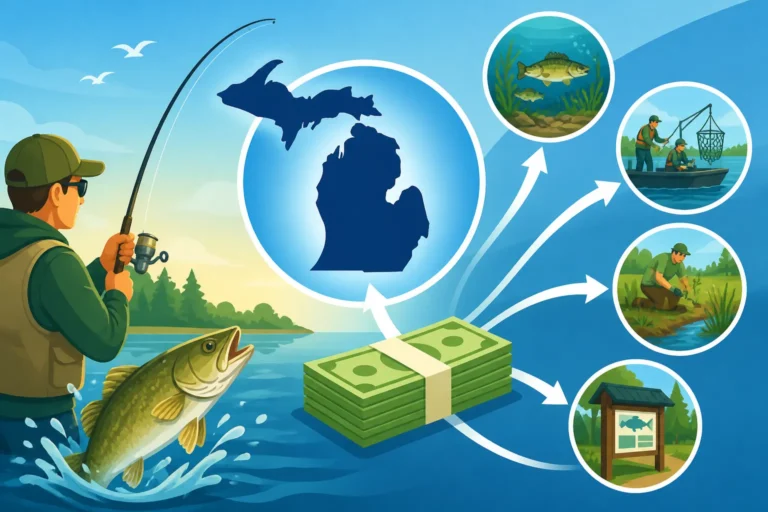
First and foremost, every angler 17 years of age and older needs a valid Michigan fishing license. This isn't just a formality; it's how our fisheries are funded and managed. Whether you're a long-time resident or visiting from out of state, there's a license option for you. You can learn more about specific types and costs in our Michigan Fishing License Guide for Residents and Nonresidents and easily purchase one online through the DNR website or via the Michigan's DNR Hunt Fish App for Licenses and Reporting. Always have your license, either physical or digital, readily available while fishing. A conservation officer could check at any time, and you don't want to be caught without it.
Beyond the license, general statewide rules apply, such as regulations on fishing methods, gear restrictions, and the number of lines you can use. Typically, Michigan allows up to three lines per angler when fishing. However, it's always wise to double-check the current Michigan Fishing Guide for any specific local exceptions or updates. The rules can be extensive, but Reading the Michigan Fishing Regulations Digest is a small price to pay for compliance and avoiding penalties.
U.P. Specific Walleye Limits
While the season opener is the most prominent U.P.-specific regulation for walleye, there are also particular daily possession and size limits that anglers must adhere to. These are critical for maintaining healthy fish populations in individual lakes and rivers.
Generally, the statewide daily possession limit for walleye is five fish, with a minimum size limit of 15 inches. However, there are numerous exceptions, especially in the U.P., where certain lakes or rivers might have slot limits, different minimum sizes, or even reduced daily possession limits. For example, some lakes might have a "protected slot" where walleye between, say, 18 and 23 inches, must be immediately released to protect prime spawning adults. Other lakes might have a higher minimum size limit to protect juvenile fish.
It's imperative to check the current Michigan Fishing Guide for the specific water body you plan to fish. You can't just assume the general rules apply everywhere. Many seasoned anglers keep a copy of the regulations in their tackle box or downloaded on their phone for quick reference, especially when exploring new waters. Trust me, it's far better to verify the rules before you start fishing than to accidentally keep an illegal fish and face a hefty fine. For a detailed breakdown of statewide rules, refer to our article on Michigan Walleye Size and Possession Limits.
Here's a simplified comparison of general walleye season dates in Michigan:
| Region | Walleye Season Opener | Walleye Season Closes | Daily Possession Limit (General) | Minimum Size Limit (General) | Notes |
|---|---|---|---|---|---|
| Upper Peninsula | May 15 | March 15 (next year) | 5 fish | 15 inches | Later opener due to colder temps, later spawn. |
| Lower Peninsula | Last Saturday in April | March 15 (next year) | 5 fish | 15 inches | Earlier opener, generally warmer waters. |
Always consult the current Michigan Fishing Guide for specific body-of-water exceptions.
Preparing for the U.P. Walleye Season
Getting ready for the Upper Peninsula walleye opener is about more than just checking a calendar. It's a ritual, a time to dust off the gear, perform necessary maintenance, and mentally prepare for the unique challenges and rewards of fishing in Michigan's wild north. The weather can be fickle, even in mid-May, so preparation is key to both comfort and success.
Gear Checks and Boat Prep
Before you even think about hitting the water, a thorough inspection of your fishing gear is in order. Start with your rods and reels. Check for any damage to guides, ensure reels are smooth, and consider spooling up with fresh line. Old, weakened line can lead to heartbreak when you hook into that trophy walleye. For many U.P. walleye anglers, a reliable medium-heavy rod paired with a quality spinning or baitcasting reel is standard. Consider brands like St. Croix for sensitive rods or Shimano for durable reels. You can often find great deals on these items on Amazon.
If you're bringing a boat, spring is the time for a full tune-up. Check your engine, lights, bilge pump, and all safety equipment, including life jackets, flares, and a sound-producing device. Make sure your boat registration is current; you don't want to get sidelined by an expired sticker. Don't forget your anchor and rope; U.P. weather can change rapidly, and anchoring might be essential. Remember, safety always comes first, especially on the large, often remote U.P. lakes.
Understanding U.P. Weather and Water Conditions
The Upper Peninsula's weather in mid-May can be wonderfully mild, or it can feel like winter decided to make a comeback. It’s not uncommon to experience freezing mornings, warm afternoons, and even snow flurries all in the same week. Layering your clothing is absolutely essential. Think waterproof outer layers, warm base layers, and plenty of spare dry clothes. Hypothermia is a real risk, especially on larger, colder waters like Lake Superior or the deeper inland lakes.
Water conditions also play a huge role. Early season means colder water, which can affect where walleye hold and how actively they feed. Pay attention to water clarity, temperature, and current if you're fishing rivers. These factors will dictate your approach, from lure choice to fishing depth. A good marine thermometer and a reliable fish finder can be invaluable tools for locating fish in these early season conditions. Understanding how the fish behave in these conditions is crucial, much like learning specific Jigging Techniques for Michigan Walleye or selecting the Best Bait for Michigan Walleye for various situations.
Best Spots to Target Walleye in the Upper Peninsula
The Upper Peninsula boasts an incredible array of walleye fishing destinations, from vast Great Lakes waters to countless inland lakes and rivers. Each location offers its own unique charm and challenges, making the U.P. a truly diverse playground for walleye enthusiasts.
Premier Inland Lakes for Walleye
When it comes to inland lakes, the U.P. has some real gems for walleye. Lake Gogebic, often touted as one of the best walleye lakes in Michigan, is a prime example. Its expansive waters and abundant forage provide an ideal habitat for large walleye. Early season, focus on shallower flats, rocky points, and weed lines where walleye will be recovering from the spawn and feeding actively. Jigging with minnows or casting crankbaits are popular and effective methods here. Another fantastic option is Indian Lake near Manistique, known for its consistent walleye bite and scenic surroundings.
Other notable U.P. inland lakes that consistently produce walleye include Big Manistique Lake, widely recognized for its robust walleye population and excellent fishing throughout the season. These lakes aren't just about catching fish; they offer a chance to truly immerse yourself in the natural beauty of the Upper Peninsula. Always consult local bait shops for the most up-to-date information on hot spots and effective tactics. They are a treasure trove of hyper-local knowledge that can make or break your trip. For more inspiration on where to go, check out our Michigan's Upper Peninsula Fishing Spots Guide.
River and Great Lakes Walleye Opportunities
While inland lakes get a lot of attention, the U.P. also offers phenomenal walleye fishing in its rivers and along its Great Lakes shores. Rivers like the Menominee River, which forms part of the border with Wisconsin, are renowned for their spring walleye runs. Trolling or jigging in the deeper holes and current breaks can be incredibly productive, especially during the post-spawn period when walleye are ravenous.
Along the Great Lakes, specific bays and river mouths can hold impressive numbers of walleye, particularly where rivers flow into Lake Superior or Lake Michigan. The Bay de Noc area (Little Bay de Noc and Big Bay de Noc) on Lake Michigan, for instance, is world-famous for its walleye fishery. While the main season for Little Bay de Noc often begins in early May, aligning more with Lower Peninsula openers, the general U.P. opening date of May 15th still applies to many of the smaller tributary rivers and connecting waters. Trolling with crankbaits or crawler harnesses is a favored tactic in these larger waters. Remember, fishing these big waters requires a more substantial boat and a keen eye on the weather, as conditions can change quickly.
Essential Gear for U.P. Walleye Anglers
Having the right gear makes all the difference, especially when you're battling the elements and elusive walleye in the Upper Peninsula. From rods and reels to lures and safety equipment, being well-equipped will enhance your experience and increase your chances of success.
Rods, Reels, and Line Selection
For U.P. walleye, versatility is key. A good medium-light to medium-heavy spinning rod, typically 6'6" to 7' in length, is a solid choice for jigging, casting crankbaits, or even slip-bobber fishing. Look for a rod with a sensitive tip to detect those subtle walleye bites, but with enough backbone to handle a powerful fish. Popular brands like Fenwick or Ugly Stik offer excellent options that are durable enough for the U.P.'s rugged conditions. You can often find a great selection of these on Amazon.
Pair your rod with a reliable spinning reel in the 2500-3000 size range, spooled with 8-10 pound test monofilament or fluorocarbon line, or 10-20 pound test braided line with a fluorocarbon leader. Braided line offers superior sensitivity and strength, which can be a huge advantage when fishing deeper water or in windy conditions. Monofilament provides good stretch, which can be beneficial when fighting a hard-charging walleye. Your choice will often come down to personal preference and the specific technique you plan to use.
Lures, Baits, and Tackle Box Essentials
Your tackle box for the U.P. walleye opener should be stocked with a variety of options. Jigs are a must-have, especially 1/8 oz to 1/2 oz jigs in various colors (chartreuse, orange, white, black). Tip them with live bait like minnows, nightcrawlers, or leeches. Soft plastics, such as paddle tail swimbaits or grub tails, also work wonders on a jig head.
Crankbaits are another essential, particularly for trolling or casting in shallower areas. Shallow-diving crankbaits in natural baitfish patterns or bright, attracting colors (firetiger, perch patterns) are often effective. Look for brands like Rapala or Berkley for reliable choices. Don't forget crawler harnesses for trolling, especially if you're targeting fish in open water. Hooks, sinkers, swivels, and a sturdy pair of pliers for hook removal are also non-negotiable tackle box essentials. A quality landing net, ideally with a rubberized mesh to protect the fish, is also a wise investment for landing those big walleye.
Safety and Comfort on the Water
Beyond fishing gear, don't underestimate the importance of safety and comfort, especially during the unpredictable early U.P. season. As mentioned, layers of clothing are key. A good quality rain suit, even if the forecast looks clear, can be a lifesaver from unexpected showers or boat spray. Waterproof boots are also highly recommended.
Always carry a fully charged cell phone and, if venturing into remote areas, a satellite communicator or marine radio. A well-stocked first-aid kit, extra water, snacks, and a spare paddle (if in a small boat) are also wise precautions. Sunscreen and insect repellent (the U.P. is known for its spring bugs!) will make your experience much more enjoyable. Remember, being prepared means you can focus on the fishing, not on potential emergencies.
Disclaimer
Fishing regulations and conditions in Michigan can change. Always consult the most current Michigan Fishing Guide published by the Department of Natural Resources (DNR) before heading out. This article is for informational purposes only and does not supersede official regulations.