Do Michigan Fishing Regulations Change Every Year?
It's a common headache for Michigan anglers: trying to keep up with fishing regulations can feel like chasing a phantom. You get used to one set of rules, and then suddenly, there's talk of changes, leaving you wondering if your favorite fishing spot or technique is still legal. This guide will dive deep into how Michigan's fishing regulations are updated, why they might shift, and exactly how you can stay on top of the latest rules without missing a beat.
The Annual Rhythm of Michigan's Fishing Regulations
Many anglers assume that Michigan's fishing regulations are a fixed set of rules, carved in stone. The reality, however, is a little more dynamic than that. While major overhauls aren't an everyday occurrence, it's generally accurate to say that Michigan's fishing regulations are indeed subject to review and potential changes every year.
The Annual Review Process
Each year, the Michigan Department of Natural Resources (DNR) undertakes a comprehensive review of the state's fishing regulations. This isn't just a bureaucratic exercise; it's a vital part of managing Michigan's incredible aquatic resources. DNR fisheries biologists, conservation officers, and other experts constantly monitor fish populations, habitat health, and angler harvest data. They analyze trends, assess the impact of existing regulations, and consider proposals for new or adjusted rules.
This process culminates in proposed changes being presented to the Michigan Natural Resources Commission (NRC), the body responsible for setting DNR policy. The NRC holds public meetings and gathers input from anglers, conservation groups, and other stakeholders before making final decisions. So, while you might not see massive shifts in every single rule, the opportunity for change, even minor ones, is an annual fixture. It’s why checking the most current regulations, like those found in the Michigan Fishing Regulations Every Angler Should Know resource, is always a smart move before hitting the water.
Consistency Versus Flexibility
The idea that regulations change annually might sound daunting, but it’s not as chaotic as it might seem. Many core regulations, especially those pertaining to statewide minimum size limits or general fishing license requirements, tend to remain fairly consistent year after year. For instance, the basic rules regarding a Michigan Fishing License Guide for Residents and Nonresidents don't typically undergo radical shifts on an annual basis, though costs might be adjusted.
However, where you often see annual tweaks are in species-specific regulations for certain bodies of water, or adjustments to daily bag limits based on the health of particular fish stocks. For example, a particularly strong year class of walleye in Saginaw Bay might lead to a slight increase in the daily limit for that specific area, or conversely, a decline in a trout population in a specific river could trigger more restrictive catch-and-release rules. This flexibility allows the DNR to respond directly to ecological conditions and ensure sustainable fishing opportunities for generations to come.
Why Michigan's Fishing Rules Evolve
Understanding why regulations change helps demystify the process and makes it easier for anglers to accept and adapt. It's not about making things complicated; it's about protecting and enhancing the very resource we all love to enjoy.
Conservation and Fish Stock Health
At the heart of nearly every regulatory change is the principle of conservation. The DNR's primary mission is to protect Michigan's natural resources. When fish populations show signs of stress, such as declining numbers, smaller average sizes, or reduced reproductive success, regulation changes are often implemented to provide relief. This could mean reducing bag limits, increasing minimum size limits, or even closing a season temporarily to allow fish stocks to recover.
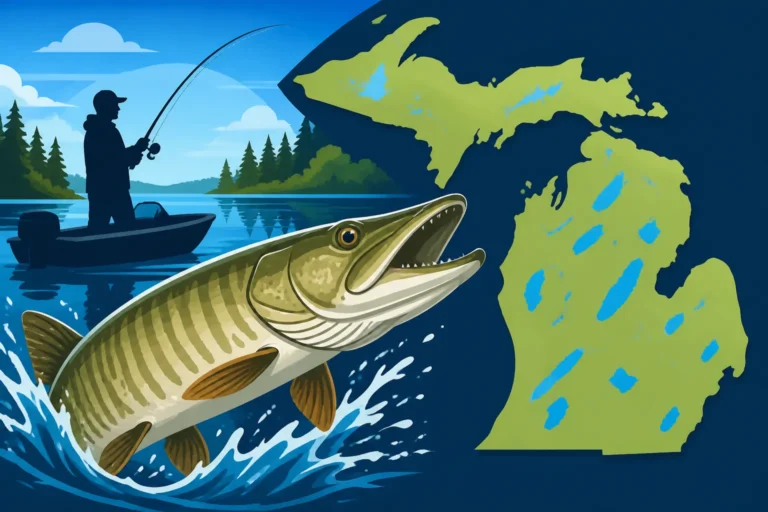
Consider the ongoing management of specific species like muskellunge. Their slow growth rate and large size make them particularly vulnerable, which is why rules regarding their harvest, such as Michigan's one muskellunge per year rule, are strictly enforced and regularly reviewed. These kinds of stringent measures are in place to ensure these magnificent fish continue to thrive. Conversely, if a fishery is exceptionally healthy and abundant, the DNR might, in rare cases, liberalize rules to allow anglers to enjoy more of the resource, balancing conservation with recreational opportunity.
Environmental Factors and Invasive Species
Michigan’s aquatic ecosystems are incredibly complex and constantly influenced by external factors. Climate change, fluctuating water levels, pollution, and the presence of invasive species can all impact fish populations and necessitate regulatory adjustments. For example, the discovery of new invasive species in a particular lake might lead to special regulations on bait use or live well practices to prevent further spread.
The Great Lakes, in particular, are dynamic environments where these factors are constantly at play. Changes in baitfish populations, water temperatures, or disease outbreaks can directly affect popular sport fish like salmon and trout, leading to adjustments in Michigan Bag and Size Limits Explained for these species. These environmental shifts require adaptive management, which means rules can’t stay static year after year.
Angler Feedback and Scientific Research
While scientific data is the backbone of fisheries management, angler feedback also plays a crucial role. The DNR actively solicits input from the public during the regulation-setting process. This can happen through public forums, online surveys, and direct communication with DNR staff. Anglers often provide valuable on-the-ground observations about fishing pressure, catch rates, and localized concerns that complement scientific data.
Furthermore, ongoing scientific research continuously provides new insights into fish biology, behavior, and ecosystem dynamics. New studies might reveal better ways to protect spawning grounds, manage specific age classes of fish, or understand migration patterns. This fresh scientific knowledge often informs and drives proposed changes, ensuring that regulations are based on the most current and best available information. It’s a constant learning process, meaning what we thought was best five years ago might not be the most effective strategy today.
Your Guide to Staying Up-to-Date on Michigan Regulations
With the understanding that rules can and often do shift, the next logical question is: how do you, the busy angler, stay informed without making it a full-time job? Fortunately, the Michigan DNR provides several excellent, easy-to-access resources.
The Official Michigan Fishing Regulations Digest
The cornerstone of staying informed is the annual Michigan Fishing Regulations Digest PDF for 2026 (or whichever year is current). This comprehensive guide is published annually, typically in late March or early April, coinciding with the start of the new license year. It details all current regulations, including statewide rules, special regulations for specific waters, and any changes from the previous year.
You can pick up a physical copy of the digest at any Michigan DNR customer service center, most bait and tackle shops, and many sporting goods retailers. While the DNR focuses on digital distribution, if you prefer a tangible copy, you might even find printed versions available from third-party sellers on platforms like Amazon after they've been distributed. It's truly essential reading for anyone who plans to fish Michigan waters.
Digital Tools and Online Resources
In our modern world, digital access makes staying informed easier than ever. The DNR’s official website is a treasure trove of information, hosting the full digital version of the fishing digest. They often have dedicated pages detailing recent changes, FAQs, and even interactive maps.
Perhaps the most convenient tool is the Michigan's DNR Hunt Fish App for Licenses and Reporting. This free app, available on both iOS and Android, allows you to not only purchase and store your fishing license digitally but also access the full regulations digest right on your phone. Imagine being on the water and needing to quickly verify a size limit – it’s all right there at your fingertips. You can also buy other essential gear like tackle boxes or fishing line from Amazon to keep your physical setup organized. The app also serves as a critical tool for reporting certain harvests, such as muskellunge, fulfilling requirements like the Michigan Muskellunge Harvest Reporting Rules.
Local Bait Shops and Community Wisdom
Never underestimate the power of local knowledge! Your local bait and tackle shop owners and seasoned anglers are often the first to hear about proposed changes or new regulations. They live and breathe Michigan fishing and are usually more than happy to share insights, especially about hyper-local rules or common misunderstandings. Many shops even have copies of the digest readily available and can point out key changes for the current year.
While these local sources are invaluable for practical advice and immediate updates, always cross-reference critical information with the official DNR digest or website. It’s a great way to confirm details and avoid any potential misunderstandings. For example, knowing the nuances of Michigan's Combined Trout and Salmon Possession Limit might be something a local expert can explain with real-world examples.
Common Areas of Regulation Updates
While some rules remain largely stable, certain categories of regulations are more prone to annual review and adjustment. Familiarizing yourself with these areas will help you anticipate where changes might occur.
Bag and Size Limits
This is perhaps the most frequently adjusted area of Michigan fishing regulations. Daily bag limits, which dictate how many fish of a particular species you can keep in a single day, and minimum size limits are direct tools used by fisheries managers to control harvest and protect fish populations. If a species experiences a particularly strong spawn or a period of high survival, the DNR might cautiously increase bag limits in specific areas. Conversely, if a population is struggling, limits could be reduced or minimum sizes increased.
For instance, understanding Michigan Daily Bag Limits by Species is crucial, as these can vary significantly not just by species but also by lake, river, or even specific sections of a river. These changes are almost always implemented to ensure long-term sustainability and healthy fish populations. It’s not uncommon to see specific size and bag limits for popular species like walleye or yellow perch adjusted based on biological surveys and angler harvest data.
Season Dates and Species-Specific Rules
While the broad strokes of Michigan's fishing seasons, such as the general opening of trout season, often remain consistent, more granular season dates or species-specific rules can see annual updates. This is particularly true for certain high-value species or those managed very closely. For example, specific waters might have extended catch-and-release seasons, or changes might occur in the opening or closing dates for certain tributaries known for salmon and steelhead runs.
An example of this might be a subtle shift in the opening day for walleye in the Lower Peninsula versus the Upper Peninsula, as explained in resources like When Does Walleye Season Open in Michigan's Lower Peninsula and When Does Walleye Season Open in Michigan's Upper Peninsula. These differences often reflect regional biological factors or unique conservation goals. Always confirm the current year's season dates for the specific waters you plan to fish, especially if you target species with more restrictive seasons.
Gear Restrictions and Special Designations
Less common, but still subject to review, are rules related to fishing gear and special designations for certain waters. This could include changes to the types of lures allowed (e.g., artificial lures only), restrictions on the number of lines an angler can use, or regulations regarding the use of live bait. These rules are usually implemented to protect sensitive fish populations, reduce snagging, or preserve the sporting quality of a fishery.
Additionally, certain bodies of water might receive special designations, such as "no-kill" zones or areas with unique regulations for specific species. These special rules are often detailed in the "Exceptions to General Regulations" section of the digest. For example, there might be particular rules for fishing a certain stream that flows into one of the Great Lakes, or specific areas might be designated for fly-fishing only. You can even find specific items like "beads" clarified under What Counts as an Artificial Lure Under Michigan's Trout Rules to avoid any confusion.
| Regulatory Category | Typical Frequency of Change | Where to Find Information |
|---|---|---|
| Daily Bag Limits | Annual | DNR Digest, DNR Website, DNR App |
| Minimum Size Limits | Annual | DNR Digest, DNR Website, DNR App |
| Season Dates (Specific Waters) | Annual | DNR Digest, DNR Website, DNR App |
| Gear Restrictions | Less Frequent (but reviewed) | DNR Digest, DNR Website |
| Licensing Requirements | Infrequent (costs may change) | DNR Website, How to Buy a Michigan Fishing License |
| Boundary Water Rules | Infrequent | DNR Digest, DNR Website |
Navigating the Michigan Fishing License Year
It's easy to get confused about when exactly the "new" regulations take effect, especially with the annual nature of the updates. Michigan's fishing license year operates on a specific cycle, which dictates when new licenses are required and when the updated regulations typically come into play.
The Michigan Fishing License Year Runs April to March
One common point of confusion for anglers is the validity period of their fishing license. Unlike a calendar year, Michigan's fishing licenses operate on a cycle that runs from April 1st through March 31st of the following year. This means that if you purchase an annual license in May 2024, it will be valid until March 31, 2025. This cycle is explicitly laid out in topics like Michigan's Fishing License Year Runs April to March.
This yearly cycle directly correlates with the release of the updated fishing regulations digest. The new digest, containing all the regulatory adjustments for the upcoming season, is typically released just before April 1st. Therefore, when you renew your license each spring, you should also make it a habit to obtain and review the latest version of the fishing guide. This ensures you're always fishing legally and sustainably. Many anglers treat March as their annual "check-up" month to ensure they’re ready for the new season.
Understanding License Types and Costs
While the core regulations regarding how you fish are found in the digest, understanding which license you need is also critical and can sometimes see minor adjustments. Michigan offers a variety of license types to cater to different anglers, from annual resident and nonresident licenses to 24-hour options. Information on these, including Michigan Fishing License Costs and Types Explained and specific details like Michigan Resident Annual Fishing License Cost or Michigan Nonresident Annual Fishing License Cost, is readily available through the DNR.
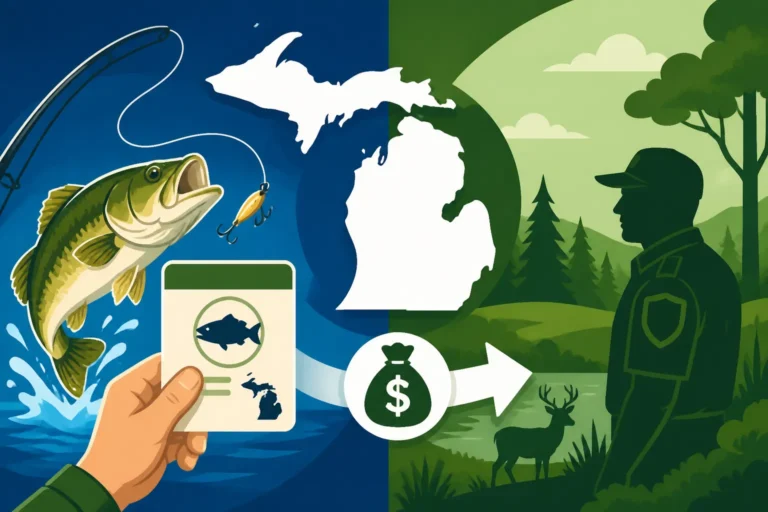
While the fundamental types of licenses rarely change, the actual cost of a license can be adjusted periodically. These adjustments are usually minor and are designed to keep pace with the costs of fisheries management, conservation programs, and enforcement. Any changes to license fees are well-advertised by the DNR and are always reflected in the new license year's purchasing options. It’s always a good idea to confirm the current prices when you go to buy your license, whether through the DNR website, the Hunt Fish App, or at a licensed dealer.
Disclaimer
The information provided in this guide is for general informational purposes only and is not a substitute for official legal advice or the official Michigan Fishing Regulations Digest. While every effort has been made to ensure accuracy, regulations can change. Always consult the current Michigan Department of Natural Resources Fishing Guide and official DNR resources before engaging in any fishing activities to ensure compliance with the most up-to-date laws.