What Fish Are Stocked in Michigan Lakes
It can be incredibly confusing, and even a little frustrating, to try and understand why some Michigan lakes and rivers seem to have an endless supply of certain fish, while others feel completely natural and untouched. You might wonder if those teeming populations are just luck, or if there's a guiding hand behind it all. This guide will demystify the world of fish stocking in Michigan, shedding light on which species are regularly introduced into our waters and why these efforts are so crucial for maintaining our beloved fishing heritage.
The Foundation of Michigan's Fisheries: Why Stock Fish?
Many anglers might assume that Michigan's abundant fish populations are entirely self-sustaining, a natural bounty that simply replenishes itself. While many species do reproduce naturally, the reality is that active fish stocking by the Michigan Department of Natural Resources (DNR) plays a pivotal role in maintaining the health, diversity, and sheer quantity of fish in our lakes, rivers, and even the vast Great Lakes. It's a complex, science-driven endeavor designed to enhance fishing opportunities for everyone.
Bolstering Native Populations and Restoration Efforts
One of the primary reasons for stocking is to help native fish populations that might be struggling. This isn't about just dumping fish in a lake; it's a careful, strategic effort to boost numbers when natural reproduction is insufficient due to habitat loss, environmental changes, or other pressures. For instance, coldwater species like native trout might face challenges in specific stream sections, and strategic stocking can help them regain a foothold. It's a long-term investment in restoring the ecological balance of our waters, ensuring that future generations can enjoy the same species we cherish today. Without these careful interventions, some iconic Michigan fish might face severe decline.
Creating and Enhancing Recreational Fishing Opportunities
Let's be honest, a big part of why many of us love fishing is the thrill of the catch! Stocking often happens with the explicit goal of creating or enhancing recreational fishing opportunities, especially in waters where certain species might not naturally thrive, or where fishing pressure is high. Think about those popular trout streams or Great Lakes salmon runs – many of these are sustained, or even made possible, through stocking. The DNR carefully considers angler demand, access, and the potential for a successful fishery when deciding where to release these fish. It brings a lot of joy and economic activity to communities across the state, from small-town bait shops to large charter operations. You can always check the Michigan Fishing Regulations Every Angler Should Know for specific rules related to these stocked fisheries.
Managing Ecosystems and Addressing Environmental Challenges
Stocking isn't just about adding more fish; it's a tool for ecosystem management. Sometimes, stocking a particular species can help control another, like introducing a predatory fish to manage overpopulated panfish, or providing a new food source for other species. It's also a way to adapt to environmental changes. For example, the Great Lakes ecosystem has been dramatically altered over time by invasive species and human activity. Stocking programs for salmon and trout in the Great Lakes help balance the food web, utilizing baitfish populations that might otherwise go unchecked, while also providing incredible fishing experiences. These efforts are often complex, requiring ongoing monitoring and adjustments to ensure they are beneficial.
Key Fish Species Stocked in Michigan Waters
When you hear "fish stocking," you might immediately think of trout, and you wouldn't be wrong – they're a huge part of Michigan's stocking program. But the efforts extend far beyond just a few species, encompassing a diverse range of fish designed to cater to different environments and angler preferences. The DNR operates several hatcheries across the state, raising these fish from eggs to a size where they have a good chance of survival once released.
Trout and Salmon: The Great Lakes & Inland Favorites
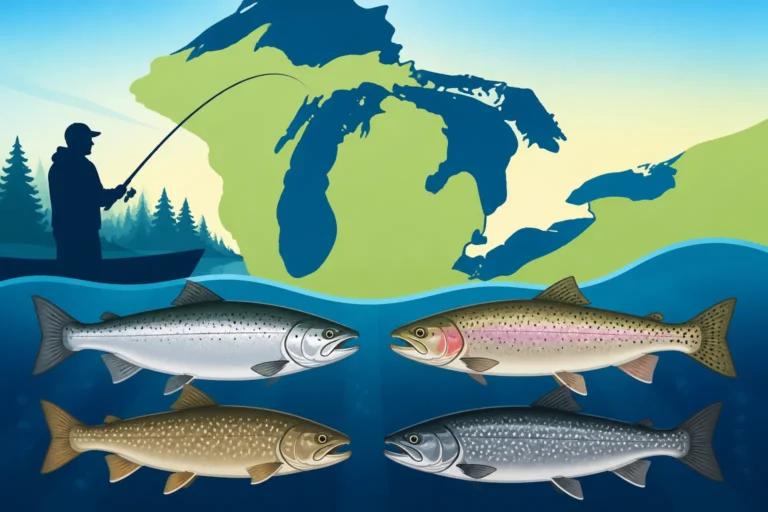
Michigan is practically synonymous with trout and salmon fishing, and much of this is thanks to extensive stocking programs, especially in the Great Lakes. These coldwater species are a massive draw for anglers, from fly fishermen on inland streams to charter captains on the big lakes.
Chinook and Coho Salmon
The kings of the Great Lakes, Chinook and Coho salmon, are primarily stocked to create the phenomenal sport fishery that Michigan is famous for. These fish are not native to the Great Lakes and were introduced decades ago to control burgeoning alewife populations (an invasive baitfish) and provide a world-class fishery. Millions of salmon fingerlings are released annually into the Great Lakes and their tributary rivers. They spend most of their lives growing large in the expansive waters of Lake Michigan, Lake Huron, and Lake Superior, before returning to the rivers where they were stocked to spawn. This cycle provides thrilling Michigan Salmon Species Explained runs in the fall, drawing anglers from all over. You'll find a massive selection of lures and gear for these powerful fish on Amazon.
Steelhead (Rainbow Trout) and Brown Trout
Steelhead, which are migratory rainbow trout, and brown trout are also heavily stocked. Steelhead are stocked in many Great Lakes tributaries to support their celebrated spring and fall runs, offering incredible river fishing opportunities. These fish are known for their acrobatic fights and strong pulls. Brown trout, another non-native species, are stocked in many inland rivers and lakes. They are prized for their wary nature and large size, often providing a challenging yet rewarding catch. Many of Michigan's "blue ribbon" trout streams, such as sections of the Au Sable and Manistee Rivers, benefit from these stocking efforts, ensuring healthy populations for anglers who enjoy Fly Fishing Techniques for Michigan Trout Streams. For more on these incredible fish, check out Michigan Trout Species Explained.
Lake Trout and Splake
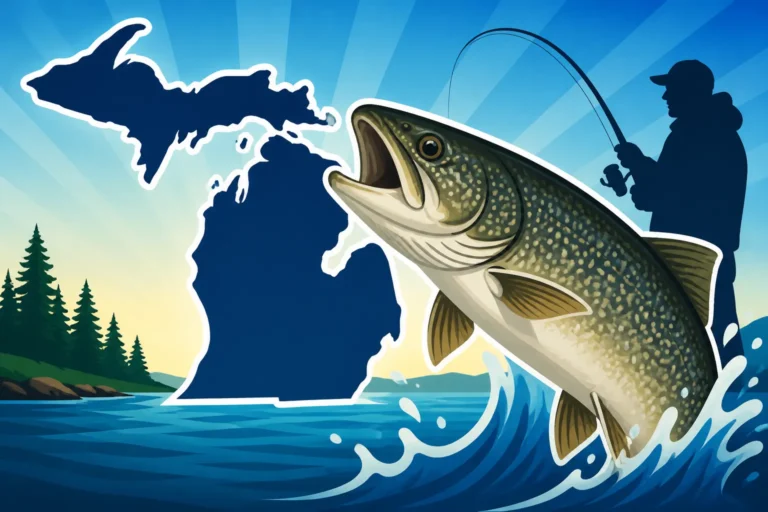
Lake trout are a native Great Lakes species that suffered declines due to overfishing and invasive species like the sea lamprey. While natural reproduction is slowly recovering in some areas, stocking efforts continue to bolster their numbers, particularly in Lake Superior and parts of Lake Michigan. Splake, a hybrid cross between a brook trout and a lake trout, are primarily stocked in inland lakes. These fish grow faster than brook trout and are more tolerant of warmer waters than lake trout, making them an excellent choice for creating unique fishing opportunities in a variety of Michigan lakes.
Walleye and Other Coolwater Species
While trout and salmon often get the spotlight, walleye stocking is incredibly important for many of Michigan's inland lakes and rivers, as well as the Great Lakes bays. Walleye are a native species, highly sought after for their delicious table fare and challenging angling.
Walleye
The Michigan DNR actively stocks walleye, particularly in lakes and rivers where natural reproduction might be limited or where habitat improvements are underway. These efforts contribute significantly to the vibrant Michigan Walleye Fishing Techniques scene, from Saginaw Bay to smaller inland lakes like Houghton Lake. Stocking helps ensure a robust population, providing consistent fishing action year after year. Does the DNR Stock Walleye in Michigan? Yes, and it's a vital part of their fisheries management strategy. The success of walleye stocking is evident in the excellent fishing many anglers experience.
Northern Pike
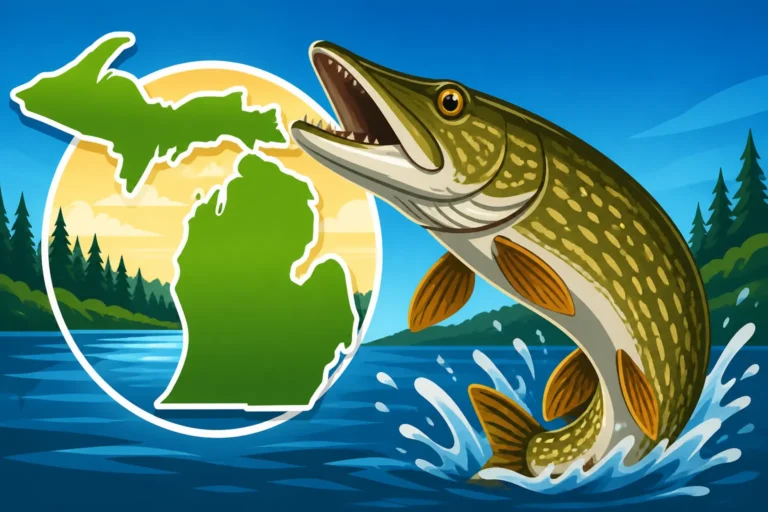
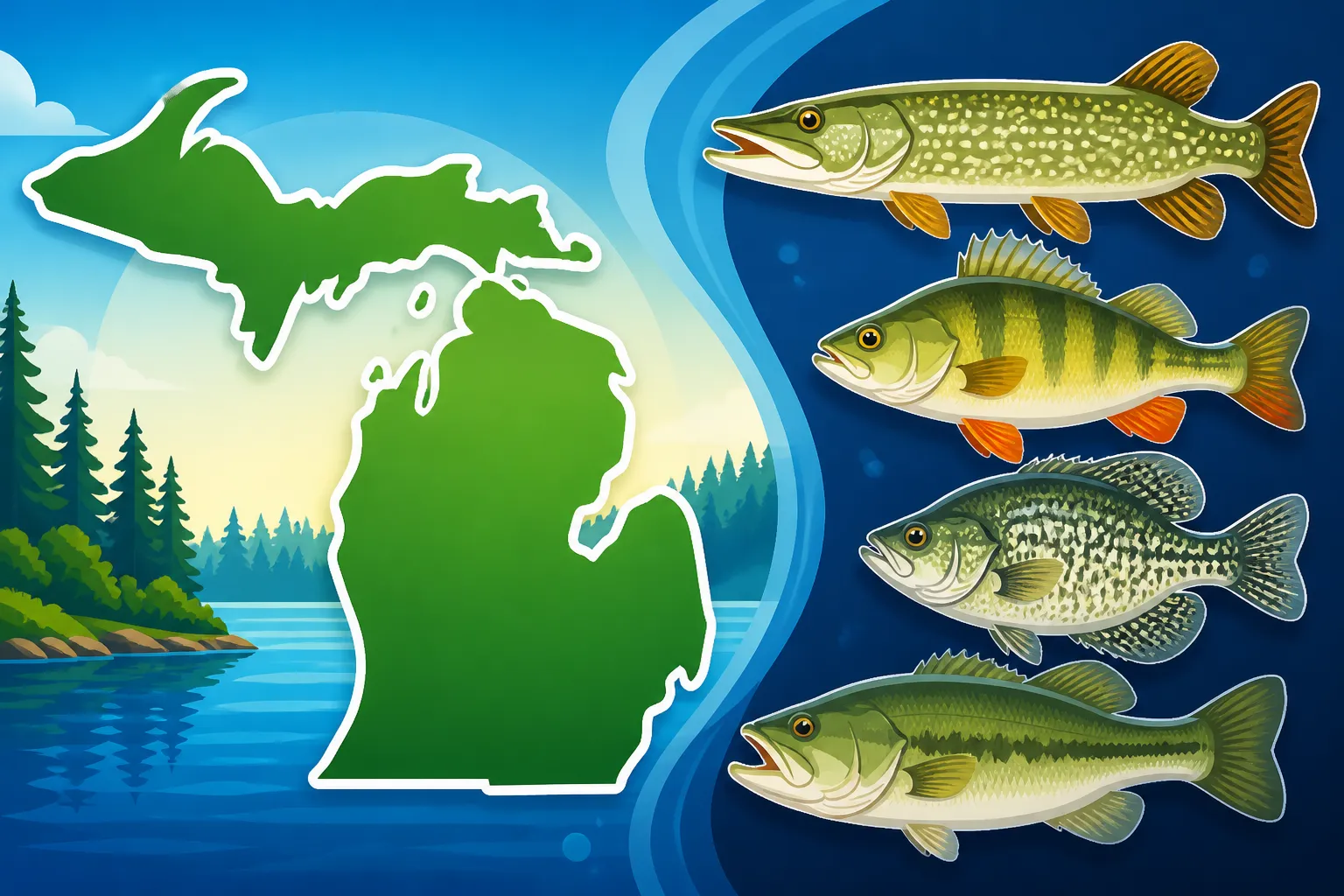
While not as extensively stocked as walleye or trout, northern pike may be stocked in certain lakes to establish populations or augment existing ones, particularly in systems where they play a specific predatory role or where a sport fishery is desired. These toothy predators are a thrill to catch and are important components of many lake ecosystems.
Warmwater Species: Bass and Panfish
For many anglers, warmwater species like bass, bluegill, and crappie are the backbone of their local fishing experiences. While these fish generally have robust natural reproduction in Michigan's warmer, shallower waters, stocking can still play a role.
Smallmouth and Largemouth Bass
Bass are incredibly popular sport fish. While natural reproduction is typically strong in most suitable Michigan waters, the DNR may undertake targeted stocking programs to establish new populations in lakes that have suitable habitat but lack bass, or to accelerate recovery in waters that have experienced environmental setbacks. These efforts ensure that anglers have plenty of opportunities to target both Smallmouth Bass Fishing in Michigan and Largemouth Bass across the state.
Panfish (Bluegill, Crappie, Perch)
Bluegill, crappie, and yellow perch are the quintessential Michigan panfish, offering accessible and fun fishing for all ages. Generally, these species reproduce prolifically on their own, making widespread stocking less common. However, selective stocking might occur to introduce a species into a new body of water, or to re-establish populations after an environmental issue. For example, if a lake was treated for an invasive plant, and it impacted the existing fish, some panfish might be stocked to kickstart the fishery again. The goal is usually to support healthy, self-sustaining populations for anglers seeking easy, enjoyable fishing.
The Science Behind Stocking Decisions
Fish stocking is far from a random act; it's a sophisticated science rooted in ecological principles, genetic studies, and extensive field research. The Michigan DNR doesn't just pick a lake and dump fish in it; every decision is carefully weighed to maximize success and ensure the long-term health of Michigan's aquatic ecosystems. It involves a collaborative effort from fisheries biologists, hatchery managers, and input from local communities and anglers.
Habitat Assessment and Water Quality
Before any stocking occurs, fisheries biologists conduct thorough assessments of the potential receiving waters. They look at everything from water temperature and oxygen levels to the availability of natural food sources (like aquatic insects and baitfish) and suitable spawning habitat. A lake that's too warm or lacks sufficient forage simply won't sustain a healthy population of coldwater species like trout. Conversely, a river with too much current might not be ideal for certain warmwater species. These evaluations ensure that the stocked fish have the best possible chance to survive, grow, and contribute to the fishery. This due diligence prevents wasteful stocking and focuses resources where they'll have the most positive impact.
Genetic Diversity and Disease Prevention
Maintaining genetic diversity is paramount in stocking programs. The DNR strives to use fish strains that are genetically suited to Michigan's waters and to prevent the introduction of fish that might dilute the gene pool of wild populations. They also have strict protocols to prevent the spread of diseases. Fish from hatcheries are carefully monitored and certified disease-free before release. This meticulous approach protects existing wild fish populations from potential pathogens that could decimate them. It's a critical, often unseen, aspect of responsible fisheries management. For example, the disease protocols are a major reason you won't see stocking happen just anywhere, and why private stocking by individuals is often highly restricted.
Angler Demand, Economic Impact, and Resource Allocation
While biological factors are crucial, the human element also plays a significant role. The DNR considers angler demand – what species are people most excited to catch? They also look at the economic impact of a fishery. A thriving salmon or walleye fishery can bring significant tourism dollars to coastal towns and generate income for local businesses, from marinas to restaurants. Where Michigan Fishing License Money Goes is often directly tied to funding these stocking programs and the broader management efforts that support them. Balancing these factors with available resources, hatchery capacity, and overall ecosystem health is a constant challenge, but one that the DNR navigates with careful planning, often detailed in the Reading the Michigan Fishing Regulations Digest.
| Species Group | Primary Stocking Reason | Typical Water Bodies Stocked | Native/Non-Native to Great Lakes |
|---|---|---|---|
| Chinook/Coho Salmon | Create sport fishery, control invasive baitfish | Great Lakes, tributary rivers | Non-Native |
| Steelhead | Enhance sport fishery, migratory runs | Great Lakes tributaries | Non-Native (Rainbow Trout are) |
| Brown Trout | Enhance sport fishery, provide diverse angling | Inland rivers & lakes, Great Lakes | Non-Native |
| Lake Trout | Restore native populations, enhance Great Lakes fishery | Great Lakes | Native |
| Splake | Create inland lake sport fishery (hybrid) | Inland lakes | Hybrid |
| Walleye | Enhance sport fishery, support native populations | Inland lakes & rivers, Great Lakes | Native |
| Northern Pike | Establish/augment populations (targeted) | Inland lakes & rivers | Native |
| Bass (Small/Large) | Establish new populations, recovery efforts (targeted) | Inland lakes & rivers | Native |
| Panfish | Establish new populations, recovery efforts (targeted) | Inland lakes & rivers | Native |
Staying Informed About Michigan's Stocking Programs
For dedicated anglers, knowing what's being stocked, when, and where can significantly enhance your fishing success. The Michigan DNR is very transparent about its stocking efforts, providing various resources to help you stay in the loop. It's all about being an informed and responsible angler, which also includes understanding Michigan Fishing Season Dates and Rules for the fish you're targeting.
Utilizing DNR Resources and Online Tools
The best place to start is always the official source! The Michigan DNR maintains comprehensive online databases and tools that detail stocking records by species, year, and water body. You can often find information about specific stocking sites, the number of fish released, and even the average size of the stocked fish. This information is invaluable for planning your next trip. You can also use the Michigan's DNR Hunt Fish App for Licenses and Reporting to access a wealth of information right from your phone, which often includes details on local fishing conditions and stocking efforts. Familiarizing yourself with these resources is like having a secret weapon in your tackle box!
Connecting with Local Fishing Reports and Communities
Beyond the official data, local knowledge is golden. Fishing forums, social media groups dedicated to Michigan fishing, and local bait and tackle shops are fantastic places to get real-time information. Anglers often share their experiences, including success stories related to recently stocked waters. These communities can provide insights into current conditions, what baits are working, and any specific tips for newly stocked fish. Just remember that what you read on a forum isn't always official, so cross-reference with DNR data when making plans. However, these communities can definitely spark ideas for new spots to explore. For example, if you're looking for specific gear after hearing a great report, you can usually find what you need on Amazon.
Understanding the Impact on Angling Success
Knowing about stocking can directly impact your angling strategy. For example, freshly stocked trout or salmon can often be less wary and more aggressive, making them easier targets for a short period after release. However, they also quickly learn. Understanding why fish are stocked (e.g., to create a put-and-take fishery, or to supplement a naturally reproducing population) helps you manage your expectations and adapt your techniques. For instance, a lake stocked with a large number of catchable-sized rainbow trout might be perfect for a family outing, whereas a river where wild trout populations are being augmented requires a more subtle and conservation-minded approach. Being informed empowers you to make better choices on the water and enjoy Michigan's diverse fishing opportunities to the fullest. How Often Are Michigan Lakes Restocked With Fish can vary greatly depending on the species and the specific body of water, making it even more important to check resources regularly.
Disclaimer
This article is for general informational purposes only and does not constitute professional advice. Laws, prices and regulations vary by location and change over time. Consult a qualified professional for guidance on your specific situation.