What Is the State Record Lake Trout in Michigan
When you dream of casting a line into Michigan's vast, sparkling waters, there's always that little whisper in the back of your mind: what if I catch a monster? Anglers often wonder about the giants that lurk beneath, and few inspire as much awe and ambition as the mighty lake trout. If you've ever found yourself asking, "What is the state record lake trout in Michigan?" then you're in the right place, because this guide is going to dive deep into that legendary catch and everything it means for Michigan's fishing heritage and your own angling pursuits.
The Allure of Michigan's State Records
There's something inherently thrilling about a state record fish. It's not just about the size of the catch; it's about the story, the perseverance, and the sheer luck that culminates in a moment forever etched in the annals of fishing history. For many anglers, these records represent the pinnacle of achievement, a benchmark of what's possible in Michigan's incredibly diverse fisheries.
Why State Records Matter to Anglers
For generations, tales of colossal fish have been passed down, inspiring new generations of anglers to explore Michigan's lakes and rivers. A state record isn't just a number; it's a testament to the health and potential of a fishery, signaling that these waters hold truly remarkable specimens. It creates a sense of competition, yes, but more importantly, a shared dream. Every time an angler hooks into something substantial, their mind races, "Could this be the one?" This pursuit adds an exciting layer to every outing, pushing us to refine our techniques, study our target species, and understand the intricate ecosystems beneath the surface. Knowing the existing record also gives us a tangible goal, even if it's an incredibly challenging one. It's like knowing the fastest marathon time; you might not beat it, but it certainly motivates you to run a little faster.
The Process of Verifying a State Record
Catching a fish of a lifetime is one thing; getting it officially recognized as a state record is another entirely. It's a rigorous process designed to ensure accuracy and prevent fraud, maintaining the integrity of Michigan's historical records. If you believe you've landed a potential record-breaker, the first step is always to get it weighed on a certified scale, like those found at grocery stores or marinas, that are regularly calibrated for accuracy. Time is often of the essence, as fish lose weight post-mortem. Next, the fish needs to be positively identified by a qualified expert, often a fisheries biologist from the DNR. They'll examine fin counts, color patterns, and other distinguishing features to confirm the species. Finally, official forms must be completed, witnessed, and submitted with photographs. It's a lot of paperwork and running around, but for the angler who's truly caught a contender, it's a labor of love that immortalizes their catch. You can find more details about reporting requirements, including for specific species like muskellunge, in articles like Michigan Muskellunge Harvest Reporting Rules.
Unveiling Michigan's State Record Lake Trout
Now, for the moment you've been waiting for! Michigan's waters are renowned for their impressive lake trout, but one particular fish stands out above all others. This is the one that every deep-water angler dreams of encountering.
The Legendary Catch: Details of the Record Lake Trout
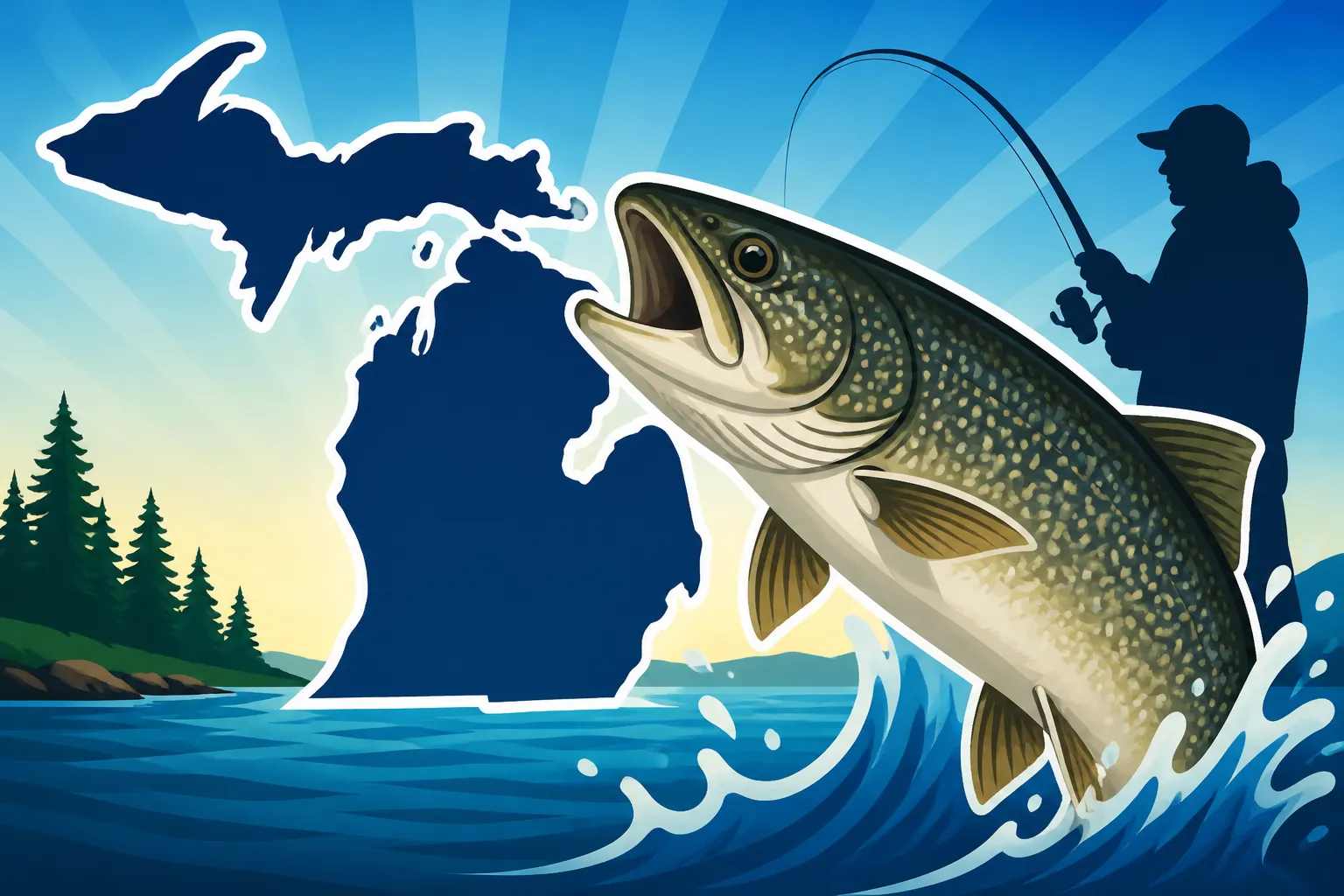
The current Michigan state record lake trout is a true behemoth, weighing an incredible 61 pounds, 8 ounces. This colossal fish was caught in the pristine, deep waters of Lake Superior by Robert Beckman, Jr. on August 16, 1997. Imagine the fight, the sheer power of a fish of that size pulling on your line in the vastness of Lake Superior! It’s a testament to both the angler's skill and the incredible potential of Michigan's Great Lakes.
This record-holding lake trout showcases just how massive these cold-water predators can grow when given the right conditions, ample food, and enough time. Lake Superior, being the largest, deepest, and coldest of the Great Lakes, provides an ideal habitat for these giants. Its vast, unexplored depths likely still hold other undiscovered monsters, fueling the dreams of those who venture out onto its formidable waters. Lake Superior Brook Trout Daily Limit might mention specific species found in that great lake, but the sheer size of Beckman's laker really puts Lake Superior's potential into perspective.
The Impact of Such a Catch
A record-breaking fish like Robert Beckman's lake trout does more than just fill a spot in a record book; it creates a ripple effect throughout the angling community. For the angler themselves, it's a lifetime achievement, a story that will be told and retold for decades. They become part of Michigan's rich fishing folklore. For lake trout enthusiasts, it sets a very high bar, inspiring them to push their own limits, invest in better gear, and spend countless hours refining their techniques on the water.
It also draws attention to the health of our Great Lakes fisheries. A record fish suggests that the ecosystem is robust enough to support such large, long-lived specimens. It reinforces the importance of conservation efforts and responsible fishing practices, ensuring that future generations of anglers have the opportunity to pursue their own trophy fish. This monumental catch serves as a constant reminder of the incredible natural resources we have in Michigan and the need to protect them.
Pursuing Your Own Michigan Lake Trout Dream
While breaking a state record is an extraordinary feat, the pursuit of large lake trout is a rewarding endeavor in itself. Michigan offers some of the best opportunities in the world to tangle with these powerful fish, and with the right approach, you could land a true trophy.
Prime Michigan Waters for Trophy Lake Trout
When it comes to targeting large lake trout, not all waters are created equal. You need deep, cold, oxygen-rich environments that support a robust forage base. Naturally, the Great Lakes are at the top of the list.
- Lake Superior: This is where the current state record was caught, and for good reason. Its immense depth and cold temperatures provide perfect habitat for lake trout that can grow to astonishing sizes. Areas off the Keweenaw Peninsula, Marquette, and Munising are popular hotspots. The sheer vastness of Superior means exploring new territories is always an option.
- Lake Michigan: While not as deep or cold as Superior, Lake Michigan still produces incredible lake trout. Its southern and northern reaches, particularly around the Manitou Islands and offshore from ports like Ludington, Frankfort, and Traverse City, are known for consistent lake trout action. Anglers often find success here using similar techniques to those targeting salmon. Lake Michigan Offshore Chinook and Coho Trolling can give you an idea of the techniques, even if the target species is different.
- Lake Huron: Especially the deeper waters of the main basin, such as around Thunder Bay or off the tip of the "Thumb," can yield good numbers of lake trout, including some larger specimens.
- Deep Inland Lakes: Don't overlook Michigan's larger, deeper inland lakes, particularly in the northern Lower Peninsula and the Upper Peninsula. Lakes like Torch Lake, Higgins Lake, and even some of the deeper basins of Burt and Mullett lakes can hold impressive lake trout populations, though typically not quite as large as their Great Lakes cousins.
To give you a better idea of what these prime waters offer, here's a quick comparison:
| Water Body | Max Depth (Approx.) | Record Potential | Common Techniques | Notes |
|---|---|---|---|---|
| Lake Superior | 1,333 feet | Excellent | Trolling, Deep Jigging | World-class laker fishery, state record |
| Lake Michigan | 923 feet | Very Good | Trolling, Jigging | Consistent producer, good mixed bag |
| Lake Huron | 750 feet | Good | Trolling | Often overlooked for lake trout |
| Torch Lake | 285 feet | Moderate | Trolling, Jigging | Largest inland lake for lake trout |
| Higgins Lake | 135 feet | Moderate | Trolling, Jigging | Known for clear water, diverse species |
Essential Techniques and Gear for Big Lake Trout
Catching a truly massive lake trout requires a combination of patience, the right techniques, and reliable gear. These fish live in deep water, often suspending over structure or in thermoclines, so getting your lure to them is key.
Trolling: This is arguably the most popular and effective method for Great Lakes lake trout. You'll need specialized equipment to get your lures down to depths ranging from 50 to 200 feet or more.
- Downriggers: These devices are essential for precisely controlling the depth of your lures. They allow you to run multiple lines at different depths, increasing your chances of finding where the fish are holding. When considering setting up your boat for trolling, check out Downriggers for Michigan Great Lakes Trolling.
- Diving Planers/Lead Core Line: For those without downriggers or to supplement their spread, diving planers or lead core line can also get your baits deep.
- Lures: Large spoons (like Stingers, DAREDEVLE, or Northern King), plugs (Rapala, Magnum, or Storm), and dodger/fly combos are highly effective. Vary colors and sizes until you find what the fish are hitting.
- Rods and Reels: You'll want sturdy trolling rods with moderate action, often 7 to 9 feet in length, paired with strong baitcasting reels loaded with 20-30 lb monofilament or braided line. For durable and reliable options, you might look on Amazon for rods and reels specifically designed for Great Lakes trolling.
Jigging: When lake trout are concentrated over specific structure, such as reefs or deep humps, vertical jigging can be incredibly effective.
- Jigs: Heavy jigs (1-4 oz) with soft plastic trailers or large, heavy spoons (like Crippled Herring or Swedish Pimple) are go-to choices.
- Sonar/Fish Finder: A quality fish finder is absolutely crucial for identifying structure and marking fish in deep water. This technology helps you pinpoint exactly where to drop your jig. Many excellent models can be found on Amazon.
- Rods and Reels: A stout spinning or baitcasting rod, often 6 to 7 feet, with good backbone is needed to handle heavy jigs and powerful fish. Pair it with a strong reel spooled with braided line for maximum sensitivity and hook-setting power.
Remember, Michigan fishing regulations, including specific rules for lake trout in certain waters, can change, so always check the latest Michigan Fishing Regulations Every Angler Should Know before heading out.
Conservation and the Future of Michigan Lake Trout Fishing
The pursuit of trophy fish, including the state record lake trout, goes hand-in-hand with a deep responsibility to conserve our natural resources. Without careful management and angler cooperation, the incredible fisheries we enjoy today might not be there for future generations.
Balancing Trophy Hunting with Sustainable Practices
The dream of catching a state record is powerful, but it's important to balance that ambition with sound conservation principles. Many anglers today practice catch-and-release, especially for larger, older fish that are crucial for maintaining healthy breeding populations. While some lake trout can be harvested for food, selectively releasing the biggest individuals ensures that these genetic lines continue and that the fishery remains robust.
Understanding and adhering to Michigan Bag and Size Limits Explained is paramount. These regulations are scientifically determined to protect fish populations and ensure sustainable fishing. For example, some areas may have specific slot limits or reduced possession limits to safeguard larger breeding fish. Being a responsible angler means not just knowing these rules, but living by them and encouraging others to do the same. If you're targeting a big laker, having the right landing net to safely handle and release the fish is also key; you can find sturdy, rubberized nets suitable for trophy fish on Amazon.
The Role of Fisheries Management in Lake Trout Health
Michigan's Department of Natural Resources (DNR) plays a vital role in managing and protecting lake trout populations across the state. Through stocking programs, habitat restoration, and ongoing scientific research, they work tirelessly to understand the health of our lakes and the various fish species within them. Regular surveys help them monitor population trends, assess the impact of environmental changes, and adjust regulations as needed to ensure the long-term viability of the fishery.
These efforts are collaborative, often involving input from anglers, conservation groups, and tribal entities. The money generated from fishing license sales, which you can learn more about in Where Michigan Fishing License Money Goes, directly funds many of these critical management programs. By purchasing a license, following regulations, and practicing responsible angling, every one of us contributes to the continued health and abundance of Michigan's incredible lake trout, ensuring that future generations will also have the chance to dream of their own record-breaking catch.
Disclaimer
This article is for general informational purposes only and does not constitute professional advice. Laws, prices and regulations vary by location and change over time. Consult a qualified professional for guidance on your specific situation.