What Is the Michigan Record Lake Sturgeon
For many Michigan anglers, there's a certain awe that comes with thinking about the majestic lake sturgeon. These ancient fish are not just big; they're living relics, and the idea of encountering a true giant, let alone one that might break records, is a powerful draw. This guide will delve into the incredible world of Michigan's record lake sturgeon, exploring what makes these fish so unique, where you might find them, and the careful stewardship required to protect these magnificent creatures for generations to come.
The Allure of Michigan's Lake Sturgeon: A Prehistoric Giant
Imagine a fish that has witnessed centuries unfold, a living fossil with armored plates and a slow, deliberate grace. That's the lake sturgeon. These incredible animals are not just another catch; they are a link to a primeval past, stirring a sense of wonder in anyone lucky enough to encounter one. Their sheer size, combined with their ancient lineage, makes them truly remarkable residents of Michigan's waters.
A Glimpse into Prehistoric Giants
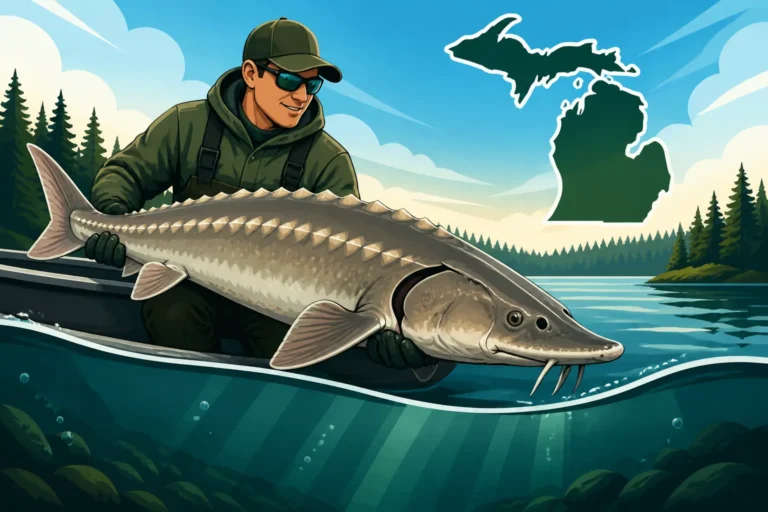
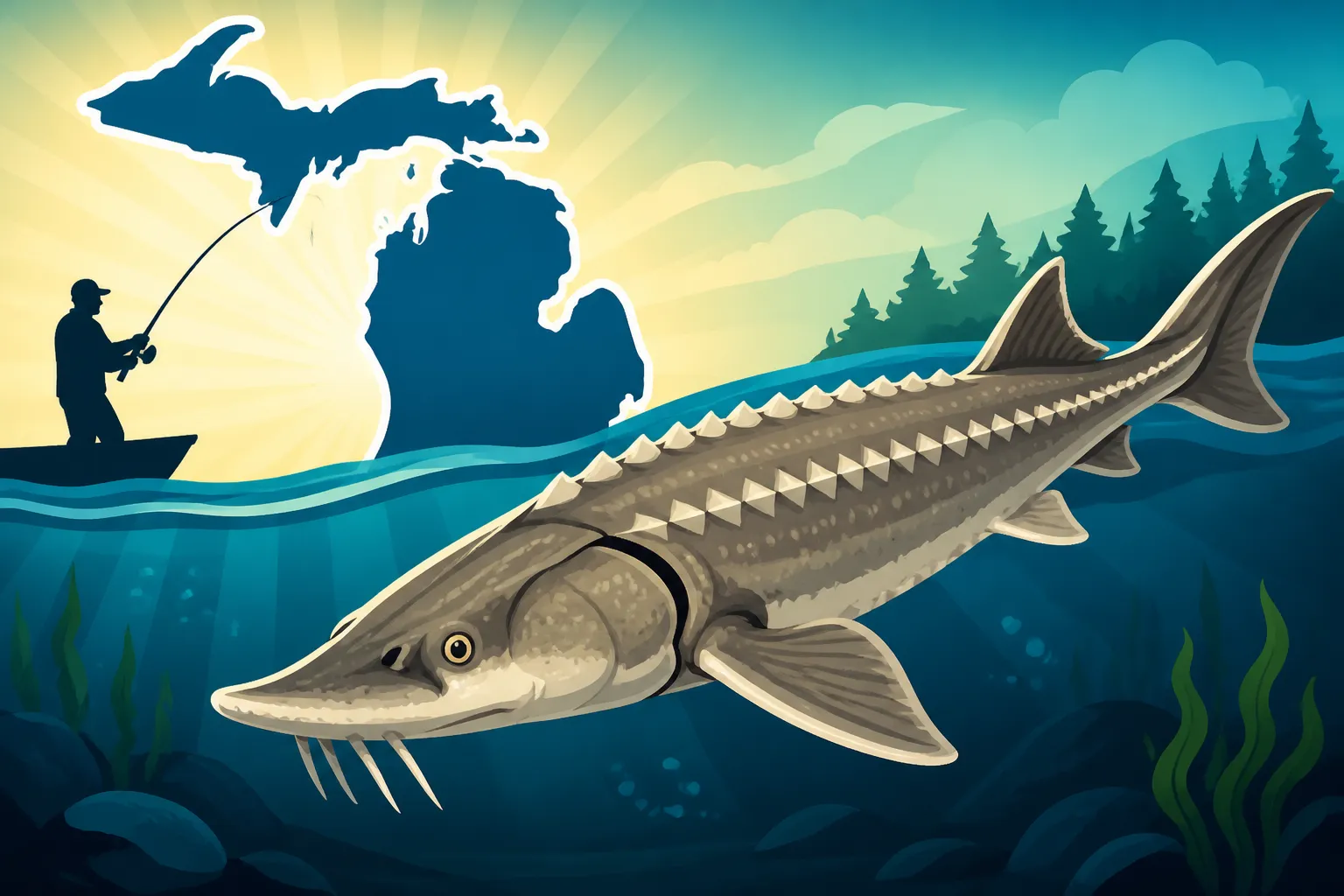
Lake sturgeon are truly in a league of their own. They've been swimming in our waters for millions of years, predating dinosaurs, and their physical appearance certainly reflects that ancient heritage. With their shark-like tails, bony scutes (plates) instead of scales, and an underslung mouth perfect for vacuuming up food from the bottom, they look like something right out of a natural history museum. What's even more astonishing is their longevity; lake sturgeon can live for over 100 years, growing steadily throughout their incredibly long lives. This slow growth rate means that the truly massive fish you hear about have been silently navigating Michigan's rivers and lakes for decades, perhaps even a century. It's a humbling thought to consider the history a fish of such age has lived through.
Why the Record Matters and Why It's So Hard to Break
The quest for a state record lake sturgeon isn't just about the numbers; it's about the profound experience of encountering a truly monumental fish. Michigan's lake sturgeon record stands as a testament to the potential of these species in our waters. While specific figures for state records can fluctuate or be updated through official channels, the Michigan record for lake sturgeon typically represents a fish of truly gargantuan proportions, weighing in at well over a hundred pounds and stretching many feet in length. Imagine a fish that's taller than most people and heavier than a grown man – that's the caliber of Michigan's record sturgeon. Breaking such a record is an monumental challenge, not only because fish of this size are rare, but also due to the highly regulated and conservation-focused nature of sturgeon fishing in Michigan. Most sturgeon encounters are catch-and-release, adding an ethical layer to the pursuit of a record. It's a reminder of what our waters can produce when managed thoughtfully, and it inspires respect for these incredible survivors.
Unveiling Michigan's Record Lake Sturgeon
While the exact numbers for Michigan's state record lake sturgeon are best verified through the official Michigan DNR website (as records can be updated), we can certainly paint a picture of the kind of fish that holds such an esteemed title. It's not just a big fish; it's a marvel of nature.
The Record-Holding Fish Itself
The Michigan record lake sturgeon is, without a doubt, a truly immense specimen. We're talking about a fish that defines the very word "trophy." Historically, such record-breakers have approached, or even exceeded, two hundred pounds, and measured well over six feet from nose to tail. Imagine reeling in something that substantial! It’s the kind of fish that takes multiple people to even lift for a photo, a creature whose girth alone commands respect. These are old, old fish, some of the oldest freshwater fish on the planet, and the state record represents one that has navigated challenges and thrived for an extraordinary amount of time. The sheer size is a reflection of many decades, perhaps a century or more, of growth in the nutrient-rich waters of Michigan. It embodies the success of conservation efforts and the enduring wildness of our Great Lakes state.
The Ethical Angler's Dilemma: Catch, Document, Release
For any angler targeting lake sturgeon, especially those hoping for a truly monumental fish that might nudge the state record, the core principle is conservation. Lake sturgeon are a protected species, and their slow reproductive cycle means every large fish is incredibly valuable to the population. This is why the vast majority of sturgeon fishing in Michigan is strictly catch-and-release. The "dilemma" isn't really a dilemma for ethical anglers; it's a commitment. When you hook into a sturgeon, especially a giant, the priority immediately shifts to the fish's well-being. Anglers are trained to land these fish carefully, minimize their time out of water, quickly measure and photograph them for documentation (which is crucial for reporting, even for catch-and-release), and then release them gently back into the water. This careful process ensures that these living legends continue their ancient journey and contribute to future generations of sturgeon. The joy of a potential record comes not from keeping the fish, but from the encounter and the knowledge that you've played a part in its ongoing survival.
Where Giants Roam: Prime Sturgeon Waters in Michigan
Michigan is incredibly fortunate to have several premier lake sturgeon fisheries. These aren't just any bodies of water; they are specific habitats that provide the ideal conditions for these giants to thrive, offering both ample food and the deep, stable environments they prefer. Knowing where to focus your efforts is key if you dream of a sturgeon encounter.
Black Lake and Beyond
When people talk about lake sturgeon in Michigan, Black Lake often comes up first, and for good reason. It's home to a unique and highly managed sturgeon fishery, particularly known for its highly anticipated winter spear fishery. Anglers fortunate enough to draw a tag for Michigan Sturgeon Fishing on Black Lake participate in a regulated, traditional hunt that provides a true connection to the species. Beyond Black Lake, other significant sturgeon strongholds exist. The St. Clair River and Detroit River, connecting Lake Huron and Lake Erie, are renowned for their abundant lake sturgeon populations, including many very large fish. These rivers offer deep channels, consistent flows, and rich feeding grounds that are perfect for sturgeon. Lake Huron and Lake Michigan themselves also hold populations, particularly in the deeper areas and around river mouths. These Great Lakes offer immense expanses where sturgeon can grow undisturbed for decades.
| Michigan Sturgeon Waters | Primary Fishing Season | Typical Gear | Key Considerations |
|---|---|---|---|
| Black Lake | Winter (Spearing) | Spearing | Lottery system, highly regulated |
| St. Clair River | Spring/Summer/Fall | Heavy Rod/Reel | Strong currents, often catch-and-release |
| Detroit River | Spring/Summer/Fall | Heavy Rod/Reel | Deep channels, urban access points |
| Lake Huron/Michigan | Year-round (specific areas) | Trolling/Bottom | Requires larger boats, less concentrated |
Understanding Sturgeon Habitats
Lake sturgeon are bottom-dwelling fish, so their preferred habitats reflect that. They gravitate towards areas with deep water, stable currents, and a plentiful supply of benthic (bottom-dwelling) invertebrates like insect larvae, crayfish, and small mollusks. In rivers like the St. Clair and Detroit, this means fishing in the deeper shipping channels or along the edges of drop-offs where food accumulates. In lakes, they'll often be found near deep structures, rock piles, or areas where rivers flow in, bringing nutrients and prey. Clear, oxygen-rich water is also important for their long-term health. Understanding these habitat preferences is crucial for anyone hoping to target these magnificent fish. They aren't going to be lurking in shallow, weed-choked bays. Instead, think about the parts of the water body that offer stable, deep environments where they can slowly forage for sustenance.
The Hunt for a Trophy Sturgeon: Techniques and Challenges
Successfully targeting a lake sturgeon, especially one of truly impressive size, isn't something you do on a whim. It requires specific gear, immense patience, and a deep understanding of the unique Michigan Fishing Regulations Every Angler Should Know surrounding this protected species. This isn't your average panfish trip; it's a dedicated pursuit.
Specialized Gear for Serious Sturgeon
You absolutely cannot approach sturgeon fishing with light tackle. These fish are incredibly powerful, and a battle with a large one can last for a significant amount of time. Anglers need heavy-duty rods, often rated for saltwater or muskie fishing, capable of handling extreme stress. Reels should be robust, with strong drags and high line capacity, spooled with heavy braided line, typically 80 to 100-pound test, followed by a strong monofilament or fluorocarbon leader. Terminal tackle includes very large, strong hooks (often 7/0 to 9/0 circle hooks are preferred for safety and hook-set efficiency), and heavy weights (several ounces, sometimes even over a pound) to keep your bait firmly on the bottom in strong currents. Think of it as gearing up for a wrestling match, not a gentle tug-of-war. For those seeking Essential Gear for Michigan Steelhead Fishing, you'll notice some parallels in the need for robust equipment, but sturgeon demand an even higher level of strength.
Patience is a Virtue: Sturgeon Fishing Strategies
Sturgeon fishing is not for the impatient. Once you've anchored in a promising spot (often with strong anchoring systems to hold against currents), the primary technique involves bottom fishing with natural baits. Common choices include chunks of cut bait (like suckers, smelt, or other oily fish), worms, or crayfish, all presented directly on the bottom. The strategy is simple: cast out, let your bait settle, and wait. And wait. And wait some more. Sturgeon are slow feeders, and their bites can sometimes be subtle, a gentle tap before a heavy, deliberate pull. Hooking one is just the beginning; fighting a large sturgeon can be an epic struggle, testing both angler and gear. They use their immense body weight and powerful tail to resist, making long, sustained runs. The goal is always to land the fish as quickly and safely as possible to minimize stress before documenting and releasing it.
Navigating Regulations: Permits and Seasons
Sturgeon are a highly managed species in Michigan, reflecting their protected status and recovery efforts. Anglers must be acutely aware of and strictly adhere to specific regulations. For instance, in waters like Black Lake, there's a highly regulated spearing season that requires a lottery-drawn tag. In other open waters, general hook-and-line fishing for sturgeon is often strictly catch-and-release, with specific seasons and sometimes even mandatory registration of all catches, regardless of whether they are kept or released. For example, similar to Michigan Muskellunge Harvest Reporting Rules, any sturgeon caught may need to be reported to the DNR, often within a short timeframe, even if immediately released. This is crucial data for biologists monitoring populations. Always check the current Michigan Fishing Regulations Digest PDF for 2026 or the Michigan's DNR Hunt Fish App for Licenses and Reporting before heading out, as rules for Michigan Sturgeon Fishing on Black Lake and other waters can change. These regulations are in place to ensure these magnificent fish continue to grace our waters for generations.
Conservation: Protecting Michigan's Ancient Fish
The lake sturgeon's story is one of resilience and dedicated conservation. Once abundant, their populations faced severe declines due to overfishing and habitat loss. Today, thanks to extensive efforts, these ancient fish are making a comeback in many Michigan waters. However, they still require our careful stewardship to ensure their long-term survival.
The DNR's Role in Sturgeon Management
The Michigan Department of Natural Resources (DNR) plays a vital role in the recovery and management of lake sturgeon populations. Their work encompasses a wide range of activities, from conducting research and monitoring population numbers to implementing strict fishing regulations. The DNR actively stocks sturgeon into various water bodies, raising young fish in hatcheries and releasing them to bolster natural populations. They also work on habitat restoration projects, improving spawning grounds and river connectivity. For instance, the careful management of specific fisheries, such as the one described in Michigan Sturgeon Fishing on Black Lake, is a prime example of targeted conservation ensuring sustainability while allowing limited, traditional harvest. The data collected from angler reports, especially for catch-and-release sturgeon, is invaluable in guiding these management decisions, helping the DNR understand growth rates, movements, and overall population health.
Anglers as Stewards
As anglers, we are on the front lines of conservation. Our actions directly impact the health of fish populations, especially sensitive species like the lake sturgeon. Being a responsible steward means more than just following the rules; it means actively participating in the long-term health of the fishery. This includes practicing careful catch-and-release techniques to minimize stress on the fish, using appropriate heavy tackle to land fish quickly, and being vigilant about reporting any unusual observations or potential violations. Participating in citizen science programs or simply taking the time to educate fellow anglers about the importance of sturgeon conservation also contributes significantly. The privilege of encountering one of Michigan's ancient giants comes with the responsibility of ensuring that these incredible creatures continue their journey through time. How Rare Is Lake Sturgeon in Michigan emphasizes just how precious these fish are, making our role as stewards even more critical.
Disclaimer
This article is for general informational purposes only and does not constitute professional advice. Laws, prices and regulations vary by location and change over time. Consult a qualified professional for guidance on your specific situation.