How Many Salmon Species Are in the Great Lakes
Many anglers dipping their lines into Michigan's vast Great Lakes waters often wonder just how many different types of salmon they might reel in. It's a common point of confusion, especially with so many species, some native, some introduced, and some that act like salmon but aren't quite the same. This comprehensive guide will untangle the mystery, detailing the true salmon species swimming in our amazing inland seas and introducing their important "cousins" that share similar habitats and fishing techniques.
The Salmon Lineup in the Great Lakes: Identifying the Key Species
When we talk about salmon in the Great Lakes, it's easy to picture those majestic, hard-fighting fish that challenge anglers year-round. However, getting a clear count of "true" salmon species can be a bit trickier than simply listing every large, silvery fish you might catch. There's a core group that definitively fall under the salmon banner, and then there are other incredibly popular species that behave very much like salmon in our waters. Understanding this distinction is key to appreciating the diverse fishery Michigan offers.
The Core Five: True Salmonids of the Great Lakes
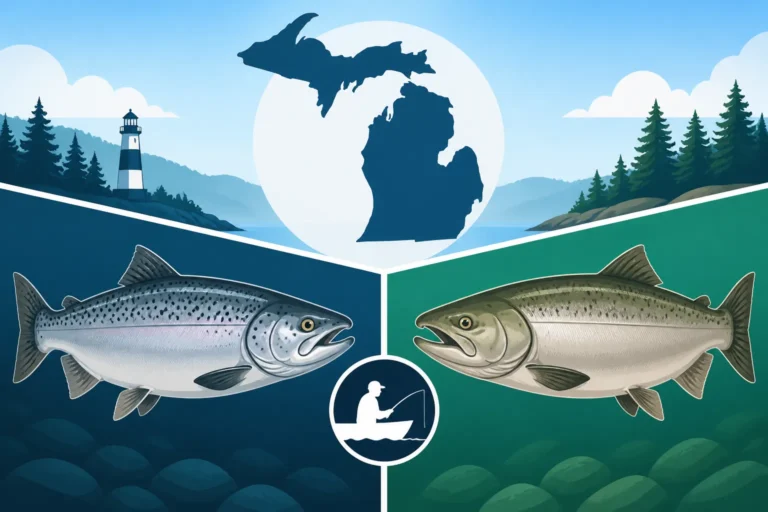
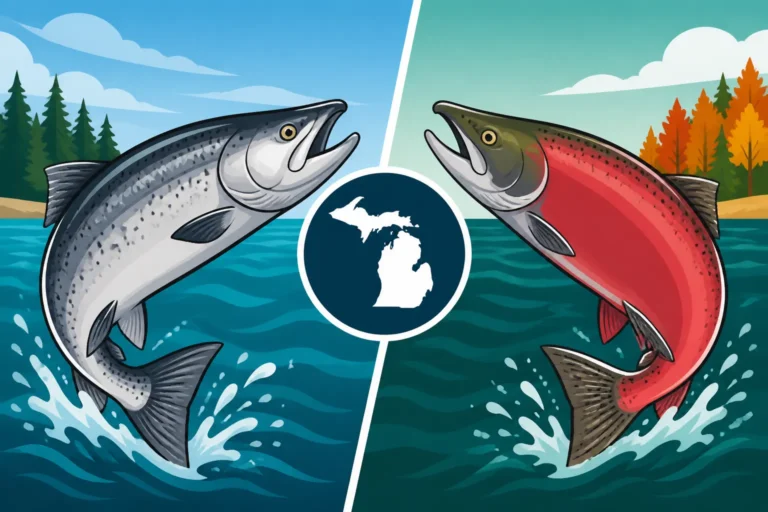
Strictly speaking, when we consider fish of the Oncorhynchus and Salmo genera that are commonly referred to as salmon, there are five distinct species that call the Great Lakes home. These include the Chinook, Coho, Atlantic, Pink, and Sockeye (more commonly known in its landlocked form, the Kokanee salmon). Each has its own unique story of introduction, adaptation, and impact on Michigan's fishery. They bring different challenges and rewards to the angler, from the sheer power of a King to the subtle fight of a Pink salmon. These species were largely introduced over decades to help control burgeoning alewife populations, which were an invasive nuisance after the sea lamprey decimated native predator fish stocks.
It's important to remember that none of these salmon species are truly native to the Great Lakes. They are all introduced species, brought here to create a sport fishery and help restore ecological balance. Their presence has transformed the Great Lakes into a world-class salmon fishing destination, drawing anglers from all over. The success of these introductions is a testament to careful fisheries management, but it also comes with ongoing challenges to maintain a healthy and balanced ecosystem.
The Nuance of "Salmon" in Angler Terminology
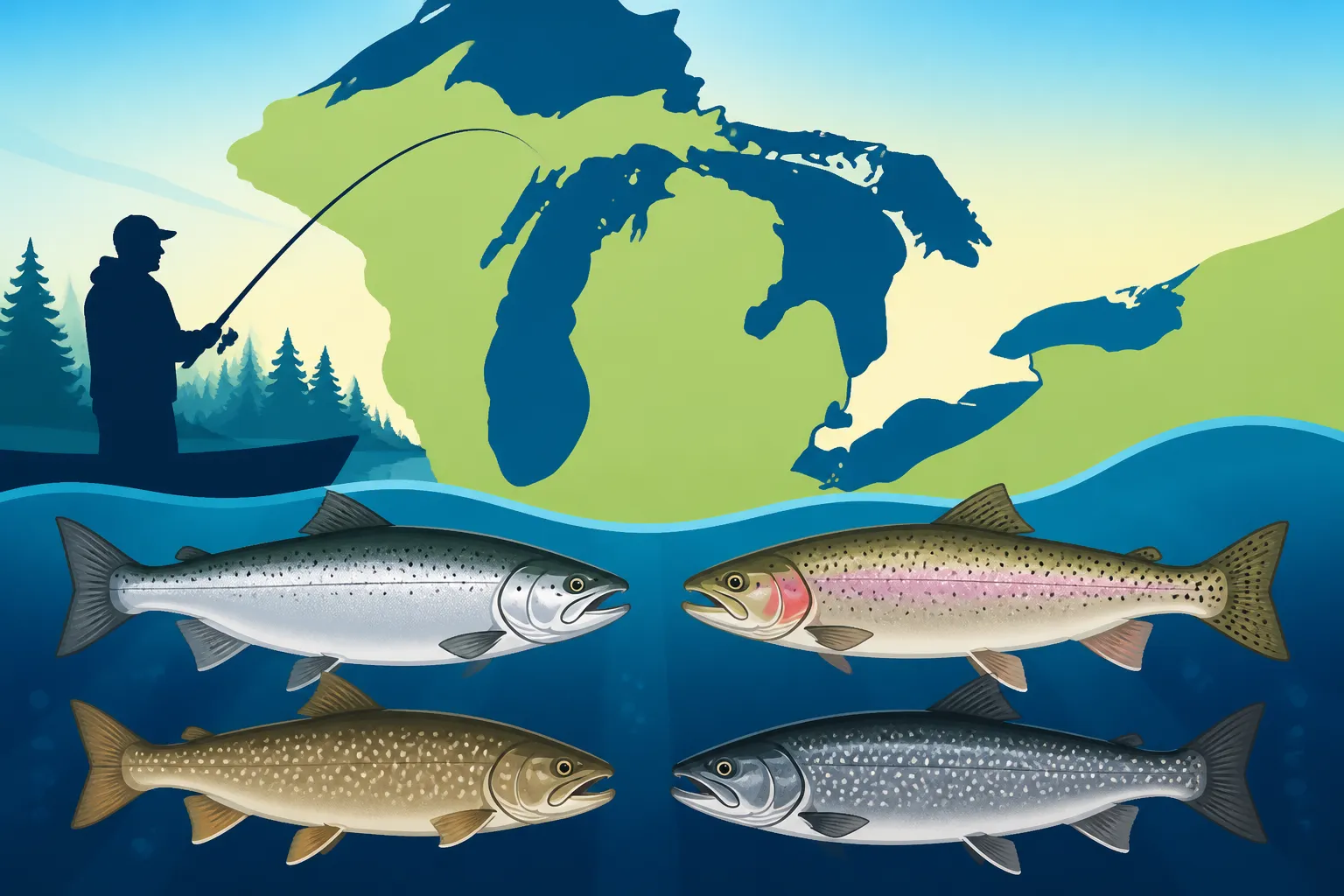
While there are five "true" salmon species, the term "salmon fishing" in the Great Lakes often loosely encompasses a couple of other prominent migratory fish: steelhead (which are migratory rainbow trout) and brown trout. These fish, while genetically trout, exhibit life cycles and behaviors that mirror salmon, including migrating from larger lakes into rivers to spawn. Anglers often target them using similar techniques and gear, blurring the lines in everyday conversation. For instance, when people talk about the "salmon run" in Michigan rivers, they're usually referring to the migrations of Chinook, Coho, and steelhead, all at different times of the year.
The reason for this common linguistic blending isn't just convenience; it's rooted in their ecological roles and the fishing experience. Steelhead and brown trout grow large in the Great Lakes, feeding on baitfish, and undertake spectacular spawning migrations into tributary rivers. This makes them highly sought-after sport fish, providing much of the same thrill as catching a genuine salmon. Therefore, while technically incorrect from a biological standpoint, referring to them in the broader context of "salmon fishing" is a widely accepted practice among the angling community in Michigan.
A Deeper Dive into Each Great Lakes Salmon Species
Let's take a closer look at each of the five salmon species that anglers can encounter in Michigan's portion of the Great Lakes. Each species presents a unique fishing opportunity and has distinct characteristics that make them fascinating to pursue. Knowing what you're targeting can greatly improve your success and enjoyment on the water.
Chinook Salmon: The King of the Lakes
The Chinook salmon, often affectionately called "King salmon," is the largest and most powerful of the Great Lakes salmon species. These formidable fish can reach impressive sizes, with individuals weighing over 30 pounds not uncommon, though the average mature fish is generally in the 15-25 pound range. They were first successfully introduced into Lake Michigan in 1967 and have since become a cornerstone of the Great Lakes sport fishery. Their sheer strength and aggressive takes make them a bucket-list fish for many. Chinook Salmon in Michigan's Great Lakes provides more details on their presence here.
Chinooks spend their adult lives in the vast open waters of the Great Lakes, gorging on abundant baitfish like alewives. As summer transitions into fall, mature Chinook salmon begin their epic migration into tributary rivers to spawn. This is when river fishing for Kings really heats up, with anglers lining the banks and floating the rivers in pursuit. These fish are known for their powerful runs, headshakes, and often acrobatic leaps once hooked. Specialized heavy tackle is often necessary to tame these giants, and many anglers seek out robust rods and reels, which can be found readily on Amazon, to handle their immense power.
Coho Salmon: The Silver Bullet
Coho salmon, known for their brilliant silver flanks and spirited fights, were also successfully introduced in the mid-1960s, a bit before the Chinooks. While not reaching the behemoth sizes of their King cousins, Cohos are still substantial fish, typically ranging from 5 to 12 pounds, though larger specimens certainly exist. They are famous for their acrobatic aerial displays when hooked, often leaping clear out of the water multiple times during a fight. This makes them an incredibly exciting catch, particularly on lighter tackle.
Coho salmon tend to inhabit slightly different areas of the Great Lakes than Chinooks, often preferring shallower, warmer nearshore waters earlier in the season. Their spawning runs typically begin slightly earlier than Chinooks in late summer, with a strong push into rivers in September and October. They're often caught trolling offshore in the spring and summer, using spoons and flies, then targeted by casting and drifting spawn or artificial baits in the rivers. Coho Salmon Fishing in Michigan dives deeper into the methods and timing for these vibrant fish.
Atlantic Salmon: A Different Kind of Challenge
Unlike their Pacific salmon relatives (Chinook, Coho, Pink, Sockeye), Atlantic salmon are a distinct species native to the Atlantic Ocean. In the Great Lakes, they represent a unique and somewhat challenging fishery. While attempts to establish self-sustaining populations have met with varying success, significant stocking efforts, particularly by Michigan, have created a thriving sport fishery, most notably in the St. Marys River and parts of Lake Huron. These fish don't typically grow as large as King salmon, averaging 5-10 pounds, but are revered for their tenacious fights and beautiful appearance.
Atlantic salmon are prized for their aggressive takes and strong, often sustained runs. They are also unique in that some individuals can survive spawning and return to the Great Lakes to spawn again, unlike Pacific salmon which typically die after their first spawn. This makes them a truly special catch for anglers. The pursuit of Atlantic salmon often requires specialized techniques, including fly fishing in rivers and targeted trolling in the open lake. Detailed guides on their specific behaviors and preferred lures can be found in fishing literature available on Amazon. For anglers seeking a different salmon experience, Atlantic Salmon on Lake Huron offers more insights into this unique fishery.
Pink Salmon: The Odd-Year Guests
Pink salmon are the smallest of the Great Lakes salmon, typically weighing only 2-5 pounds. They earned their nickname "humpback salmon" from the pronounced hump that develops on the back of the males during their spawning run. These fish have a unique two-year life cycle, meaning adult spawning runs primarily occur in odd-numbered years. While initially stocked in Lake Superior and its tributaries, they have successfully spread to other Great Lakes, though they remain most prominent in Lake Superior's colder waters.
Their smaller size means they're often targeted with lighter tackle, offering a fast-paced and enjoyable fishing experience. They are opportunistic feeders and can be caught on a variety of small spoons, spinners, and flies, especially near shorelines and river mouths during their spawning migrations. While not as heralded as the Chinook or Coho, Pink salmon provide a fun and accessible fishery, especially for those looking to experience salmon fishing without needing heavy gear. Anglers should check Michigan Fishing Regulations Every Angler Should Know for specific rules regarding these and all other salmon species.
Sockeye Salmon (Kokanee): The Landlocked Cousin
The Sockeye salmon is perhaps the least known of the Great Lakes salmon species, primarily because the populations that exist are of the landlocked subspecies, commonly called Kokanee salmon. These fish are bright silver in their lake phase, but during their spawning run, males turn a vibrant red with green heads, a truly striking transformation. Kokanee are relatively small, usually 1-3 pounds, and are known for their delicate, delicious flesh. While some populations were introduced to Michigan waters, especially in Lake Michigan, their presence has been less widespread and consistent compared to other salmon species.
Kokanee are primarily plankton feeders, making them a unique challenge for anglers. They are typically caught by specialized trolling methods using small dodgers and lures, often tipped with corn, which helps attract these finicky eaters. While not a primary target for most Great Lakes anglers, finding and catching Kokanee can be a rewarding experience for those seeking something different. Their specific habitat preferences and feeding habits mean dedicated research or a local guide can be invaluable, or you might find specific Kokanee fishing tackle on Amazon.
The "Salmon-Like" Cousins: Steelhead and Brown Trout
As mentioned, two other highly prized game fish in the Great Lakes often find themselves grouped into "salmon fishing" conversations due to their similar migratory patterns and the way they're fished. These are steelhead and brown trout, both members of the trout family (Salmo and Oncorhynchus respectively) but with a life history that closely mirrors that of Pacific salmon.
Steelhead: Rainbows with a Wanderlust
Steelhead are, quite simply, rainbow trout that have migrated to the Great Lakes to grow large and then return to tributary rivers to spawn. Biologically, they are the same species as the inland rainbow trout, but their migratory lifestyle makes them distinct. They are celebrated for their incredible strength, speed, and acrobatic jumps, often considered one of the hardest-fighting freshwater fish. Rainbow Trout and Steelhead: What's the Difference clarifies the nuanced relationship between these two.
Michigan's Great Lakes system supports robust steelhead populations, with multiple "runs" throughout the year. The fall run sees them entering rivers, often following salmon, while the true spawning run peaks in spring. There's even a winter run in many rivers, providing year-round opportunities. Anglers pursue them with a variety of methods, from float fishing with spawn bags and beads to fly fishing with streamers and nymphs. When they return to the big lakes, they feed heavily on baitfish, growing into chrome-bright specimens that are a true prize. The gear needed for these powerful fish can range from specialized centerpin setups to robust spinning rods, many options of which are available for purchase on Amazon.
Brown Trout: Tough and Elusive
Brown trout are another introduced species that thrive in the Great Lakes and its tributaries. Known for their beautiful golden-brown coloration, often adorned with red and black spots, they are also incredibly resilient and elusive, especially the larger specimens. Like steelhead, they spend much of their adult lives in the Great Lakes, growing large by feeding on other fish, and then migrate into rivers to spawn. However, they are often less migratory than steelhead, preferring to stay closer to river mouths or structured nearshore areas.
Great Lakes brown trout can grow to impressive sizes, sometimes rivaling smaller Chinook salmon, and are known for their powerful, stubborn fights. They are often targeted by trolling in shallow Great Lakes waters, especially in spring and fall, and by casting or drifting in rivers. They are notoriously wary, making them a challenging yet rewarding catch. Their ability to adapt to diverse environments, from cold rivers to the expansive Great Lakes, makes them a versatile sport fish across Michigan. The Michigan's Great Lakes Year-Round Trout Season means there's almost always an opportunity to target these hardy fish.
Why the Confusion? Shared Habits and Habitats
The reason steelhead and brown trout are so often associated with salmon is largely due to their shared migratory patterns and feeding habits within the Great Lakes ecosystem. All of these species spend significant portions of their lives in the vast, open waters of the Great Lakes, growing large on abundant forage fish. They then embark on dramatic spawning runs into the connecting rivers and streams, providing spectacular angling opportunities in these tributaries.
Furthermore, the fishing techniques employed to catch these species often overlap. Trolling spoons and crankbaits offshore is effective for both salmon and large trout. In rivers, drifting natural baits, casting spinners, or fly fishing with egg patterns can tempt any of these migrating fish. This overlap in location, timing, and technique naturally leads to anglers grouping them together in conversation, even if their biological classifications differ.
The Journey and Impact: Stocking and Management
The presence of so many fantastic salmon and trout species in the Great Lakes isn't a natural phenomenon; it's the result of decades of strategic management and stocking efforts. Understanding this history and the ongoing work to maintain these fisheries is crucial for any Michigan angler.
A History of Introduction and Success
Prior to the 1960s, the Great Lakes fishery was in crisis. Native apex predators like lake trout had been decimated by overfishing and the invasive sea lamprey. This led to an explosion of another invasive species: the alewife. These small, schooling baitfish became so numerous they would die off in massive numbers, washing ashore and fouling beaches. In a bold move, fisheries managers in Michigan and other Great Lakes states began introducing Pacific salmon – specifically Coho and Chinook – to control alewife populations and create a new sport fishery. The success was immediate and profound, transforming the Great Lakes into a premier fishing destination. This innovative approach saved the fishery and created a legacy that continues today.
Over time, other species like Atlantic salmon and Pink salmon were introduced or established through natural spread. While the initial goal was primarily ecological control, the economic and recreational benefits of these introduced salmonids have been immense. They support a thriving charter fishing industry, countless tackle shops, and provide enjoyment for millions of anglers each year. The ability to chase Michigan Salmon Species Explained across our state is a direct result of these historical decisions.
Balancing the Ecosystem: The Role of Fisheries Management
Maintaining a healthy and productive Great Lakes salmon fishery is an ongoing, complex task for agencies like the Michigan DNR. It involves constant monitoring of fish populations, assessment of baitfish levels, and careful decisions about stocking numbers for each species. Overstocking could lead to a collapse of the baitfish population, while understocking might mean fewer fish for anglers. It's a delicate balance, further complicated by changing environmental conditions, new invasive species, and shifting angler preferences.
The management plans also consider disease prevention, habitat protection, and ensuring access for anglers. Data collected from angler surveys, catch reports, and scientific studies all feed into these crucial decisions. For instance, anglers are sometimes asked to report catches of specific species, like muskellunge, to aid in tracking populations. Understanding the goals and efforts of fisheries management helps anglers appreciate the resources they enjoy and encourages responsible fishing practices. Keep an eye on the Michigan's DNR Hunt Fish App for Licenses and Reporting to stay informed and compliant.
Protecting the Future of Great Lakes Salmon Fishing
The future of Great Lakes salmon fishing depends on continued sound management practices and the cooperation of anglers. This includes adhering to Michigan Fishing Regulations Every Angler Should Know, understanding daily bag limits, and practicing catch-and-release responsibly, especially for sensitive species or during spawning runs. Supporting conservation efforts and buying a fishing license, which directly funds these programs, are also vital contributions.
Educating ourselves about the species we pursue, their life cycles, and their role in the ecosystem helps foster a deeper appreciation for this incredible resource. Whether you're chasing the mighty King, the acrobatic Coho, or the spirited Steelhead, the Great Lakes offer unparalleled opportunities for salmon and trout fishing. By being informed and responsible, we can help ensure that these fantastic fisheries remain vibrant for generations to come.
| Species Name | Common Nickname | Native/Introduced | Primary Great Lakes Habitat | Key Identification Features | Spawning Season |
|---|---|---|---|---|---|
| Chinook Salmon | King Salmon | Introduced | All Great Lakes, nearshore/rivers | Large size, black mouth/gums, fine spots | Late Summer/Fall |
| Coho Salmon | Silver Salmon | Introduced | All Great Lakes, nearshore/rivers | Bright silver, white gums, few spots | Fall |
| Atlantic Salmon | Landlocked Atlantic | Introduced | Lake Huron (St. Marys River) | Small, distinct spots, slender tail base | Fall |
| Pink Salmon | Humpback Salmon | Introduced | Lake Superior primarily, nearshore | Small scales, large spots on tail | Odd-Year Fall |
| Sockeye Salmon | Kokanee Salmon | Introduced | Limited/historic, some inland lakes | Small, plankton feeder, red spawning males | Fall |
| Steelhead | Migratory Rainbow | Introduced | All Great Lakes, rivers | Pink stripe, square tail, no spots below lateral line | Fall-Spring |
| Brown Trout | German Brown | Introduced | All Great Lakes, rivers/structure | Dark spots with halos, square tail | Fall |
Disclaimer
This article is for general informational purposes only and does not constitute professional advice. Laws, prices and regulations vary by location and change over time. Consult a qualified professional for guidance on your specific situation.