How Many Trout Species Are in Michigan
Navigating the world of Michigan fishing can sometimes feel like trying to solve a complex puzzle, especially when it comes to identifying fish. Many anglers, new and seasoned alike, often wonder how many "trout" species actually inhabit our glorious waters, only to find the answer isn't as simple as it seems due to common naming conventions and biological classifications. This guide aims to clear up that confusion, diving deep into the true trout, char, and even the salmon species that make Michigan a phenomenal fishing destination.
Demystifying "Trout": True Trout, Char, and Salmon in Michigan
When most folks talk about "trout" in Michigan, they're often lumping together a few different species that, while related and offering similar angling experiences, aren't all scientifically classified as true trout. It's a common misconception, understandable given how many of these fish share similar cold-water habitats and fighting spirits. But understanding the distinctions can truly enhance your fishing knowledge and help you adhere to specific regulations, which sometimes vary between these closely related groups.
Michigan boasts a diverse cold-water fishery, thanks to its vast network of inland streams, rivers, and the immense Great Lakes. This variety provides homes for species ranging from the purely stream-dwelling to those that embark on incredible migrations. Knowing which is which isn't just for trivia; it helps you target specific fish, understand their behavior, and appreciate the unique ecology of Michigan's aquatic environments. We're going to break down these classifications, ensuring you know exactly what you're reeling in.
The True Trout of Michigan: Brown and Rainbow (and Steelhead)
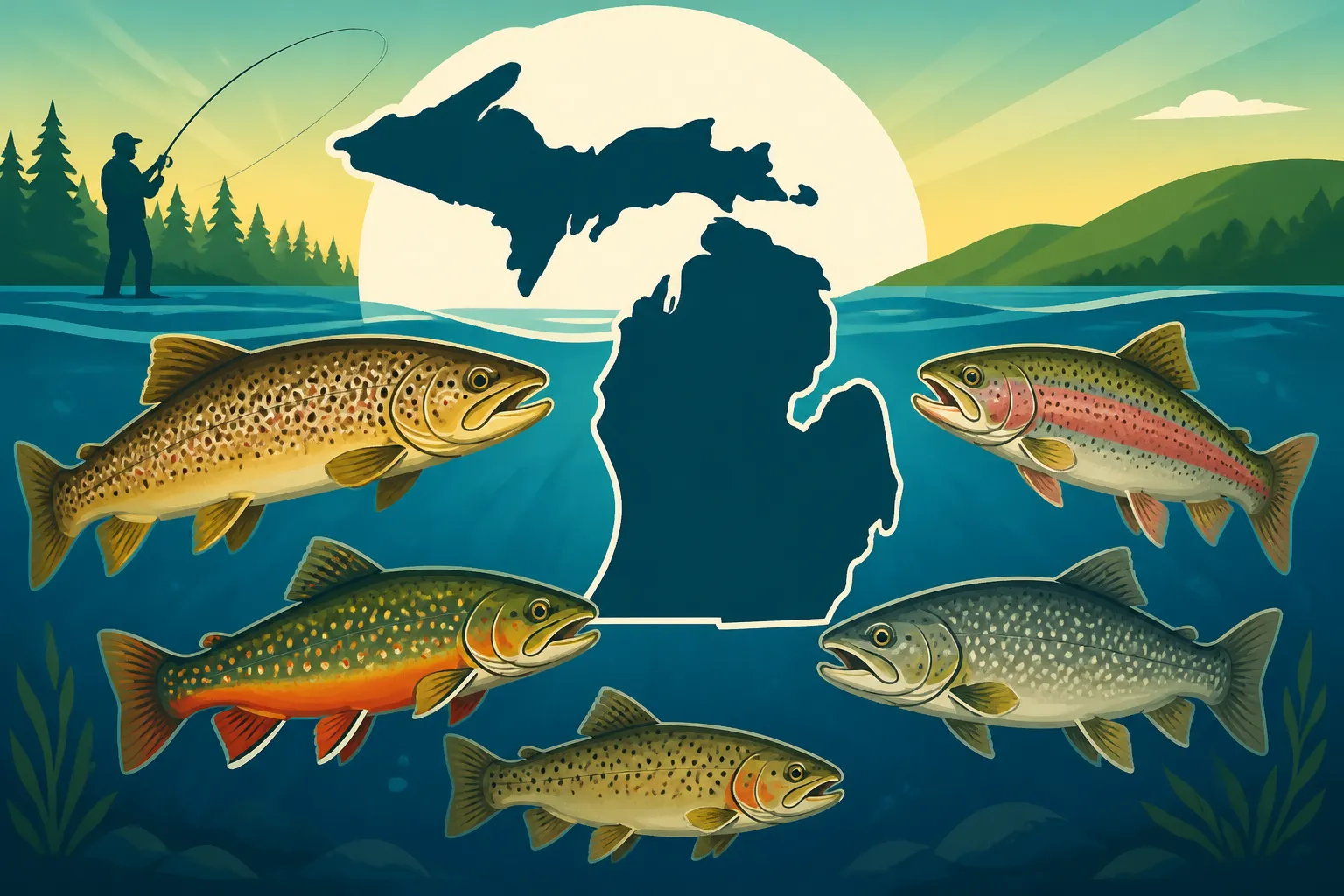
Scientifically speaking, when we talk about "true trout," we're primarily referring to species within the genus Salmo (like brown trout) and some within Oncorhynchus (like rainbow trout/steelhead). These are the fish that often leap and run, testing your tackle and your patience, and they are foundational to Michigan's angling heritage. They thrive in the cold, oxygen-rich waters that are abundant throughout our state, from tiny creeks to vast lakes.
The Brown Trout: An Introduced Survivor
Brown trout (Salmo trutta) are often considered the quintessential stream trout by many Michigan anglers, and for good reason. They were introduced to North American waters from Europe in the late 19th century and have since established robust, self-sustaining populations in many of Michigan's colder rivers and streams. These fish are known for their wariness, beautiful spotted flanks, and often aggressive nature, especially when targeting larger prey.
You'll find brown trout throughout the Lower and Upper Peninsulas, often alongside native brook trout, but they tend to tolerate slightly warmer water temperatures and more turbid conditions than their brook trout cousins. Many anglers spend countless hours pursuing these wily fish, especially during hatches, where their selective feeding can be a true test of skill. They can grow to impressive sizes, particularly in river systems with ample food sources and larger bodies of water like the Great Lakes where they can range freely, returning to rivers to spawn. If you're looking for more details on these specific fish, check out our guide on Brown Trout in Michigan Rivers.
The Rainbow Trout and Its Steelhead Form
Rainbow trout (Oncorhynchus mykiss) are another staple of Michigan's trout fishing scene. Like brown trout, they are not native to Michigan but have been widely stocked and have established significant wild populations. These fish are instantly recognizable by the broad, pinkish or reddish band running along their sides, especially prominent during spawning season. They are renowned for their acrobatic fights and powerful runs once hooked.
What often adds to the confusion is the term "steelhead." Steelhead are simply migratory rainbow trout that spend a portion of their lives in the Great Lakes, growing large and strong, before returning to rivers to spawn, much like salmon. This anadromous life cycle gives them their distinct silver coloration and incredible power. Telling the difference between a resident rainbow and a migratory steelhead, especially when they've been in the river for a while, can be tricky, but knowing their life history is key to appreciating them. For a deeper dive into this fascinating distinction, read our article Rainbow Trout and Steelhead: What's the Difference. Equipping yourself with the right gear, perhaps a good spinning rod and reel combo available on Amazon, can make all the difference when tackling these strong fighters.
Michigan's Char Species Often Called Trout
Now, let's talk about the "trout" that aren't technically trout at all, but rather members of the Salvelinus genus – the char. These fish are often included in casual conversations about trout because they share similar appearances, habitats, and angling appeal. However, understanding their unique characteristics helps appreciate Michigan's diverse fishery even more. Char typically prefer even colder, cleaner water than true trout and possess distinct light spots on a darker body, as opposed to the dark spots on a lighter body often seen in true trout.
Lake Trout: Deepwater Giants
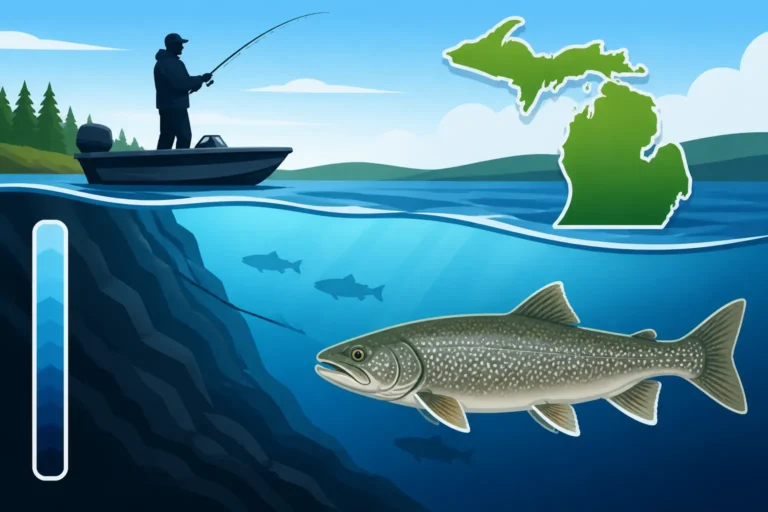
The lake trout (Salvelinus namaycush) is Michigan's largest char species and a truly magnificent fish. While often called "laketrout," it's a char, and a formidable one at that. These powerful predators are native to the Great Lakes and many of Michigan's deeper, colder inland lakes. They are built for the depths, with streamlined bodies and large mouths, perfectly adapted to hunting baitfish in their cold, dark environments.
Lake trout can grow to immense sizes, and catching one, especially a true trophy from the deep waters of Lake Superior or Lake Michigan, is an experience few anglers forget. They are highly sought after by trollers and ice anglers alike. Their conservation and management are critical, as they faced severe declines in the past due to overfishing and invasive species like the sea lamprey. Understanding their lifecycle and habits is crucial for sustainable fishing, and it's always wise to check the Michigan Fishing Regulations Every Angler Should Know before you head out, as limits and seasons can vary.
Brook Trout: Native Gems
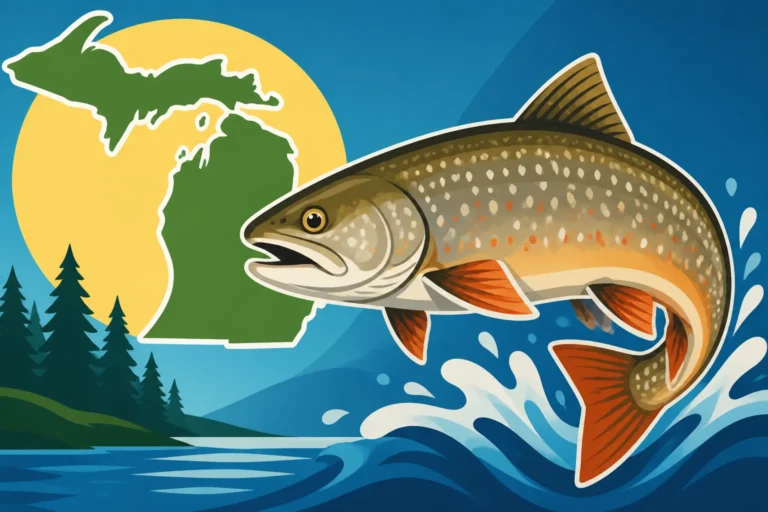
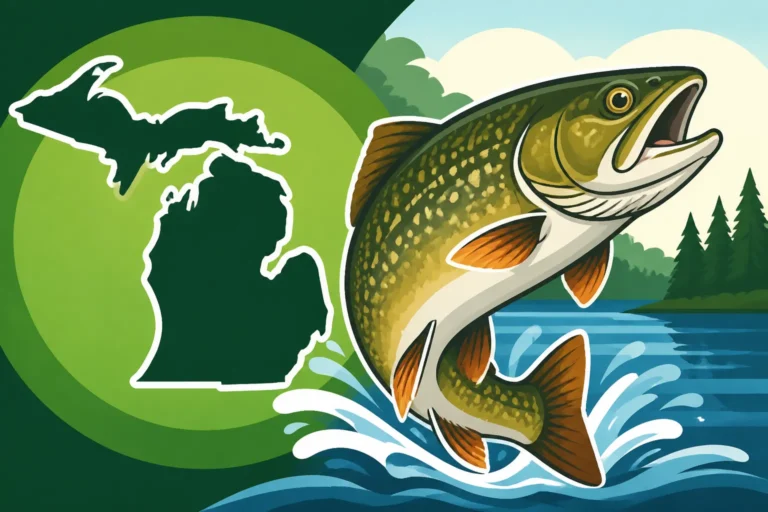
Ah, the brook trout (Salvelinus fontinalis). Often considered Michigan's most beautiful native fish, the "brookie" is actually a char, not a true trout. Despite the common name, its vibrant coloration—worm-like markings (vermiculations) on its back, red spots with blue halos on its sides, and white-edged fins—makes it unmistakable. These fish are indicators of pristine, cold, and highly oxygenated water quality, often found in the headwaters of small streams and rivers.
Brook trout rarely grow to large sizes in most stream environments, though individuals in larger, nutrient-rich systems or the Great Lakes can be exceptions. Catching a native brook trout on a small stream is a cherished experience for many, representing a connection to Michigan's wild heritage. They are incredibly sensitive to habitat degradation and rising water temperatures, making their presence a testament to healthy ecosystems. For those fishing Lake Superior's tributaries, understanding specific regulations and identification is key; our article on Lake Superior Brook Trout Identification and Size provides excellent guidance.
Splake: A Hybrid Success Story
The splake (Salvelinus fontinalis x Salvelinus namaycush) is another fascinating char found in Michigan, and it adds another layer to the "how many trout" question. The splake isn't a naturally occurring species; it's a hybrid, specifically a cross between a female lake trout and a male brook trout. The Michigan DNR extensively stocks splake in various inland lakes and some Great Lakes areas to provide unique angling opportunities.
Splake exhibit characteristics of both parent species, typically growing faster than brook trout but not reaching the immense size of lake trout. They are known for their willingness to strike lures and baits, making them a popular target for anglers, especially during ice fishing season. Their hybrid nature makes identification a bit trickier, as they can have varying degrees of markings from both parents. If you've ever wondered about the nuances of identifying this unique fish, our article Splake vs Lake Trout: What's the Difference provides great insight.
Salmon Species Often Fished Like Trout
While not "trout" in any scientific sense, salmon are so closely related to trout and often caught using similar methods in the same waters that they frequently get lumped into the "trout fishing" discussion in Michigan. These magnificent anadromous fish (meaning they live in saltwater/Great Lakes and spawn in freshwater) provide some of the most exciting and challenging fishing opportunities in the state.
Chinook and Coho Salmon
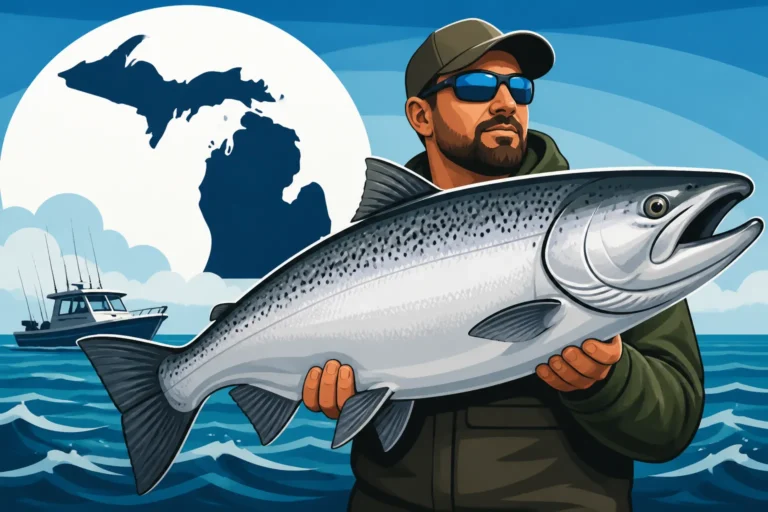
Michigan's Great Lakes are famous for their Pacific salmon fisheries, primarily Chinook salmon (Oncorhynchus tshawytscha) and Coho salmon (Oncorhynchus kisutch). These powerful fish were introduced to the Great Lakes to control alewife populations and have since become a major draw for anglers from across the country. They spend most of their lives in the vast expanse of the Great Lakes, growing large on a diet of baitfish, before making their epic spawning runs into Michigan's rivers.
When these salmon enter the rivers in the fall, they offer incredible shore, pier, and boat fishing opportunities. Their size and fighting ability are legendary. While their flesh color and head shape distinguish them from trout, especially during their spawning phase, the sheer excitement of landing a "King" (Chinook) or a "Silver" (Coho) during a fall run is often associated with the general "trout and salmon" fishing experience. For more detailed information on these incredible fish, you can explore our comprehensive guide on Michigan Salmon Species Explained.
Atlantic Salmon
Atlantic salmon (Salmo salar) represent a smaller but equally thrilling part of Michigan's Great Lakes fishery. Unlike their Pacific cousins, Atlantic salmon are true members of the Salmo genus, making them more closely related to brown trout. They have been stocked in specific areas, notably in Lake Huron, to create a distinct and highly prized fishery.
Atlantic salmon are known for their beautiful silvery appearance, powerful jumps, and incredible runs. They are often targeted by anglers using fly fishing techniques, mimicking their natural diet. While not as widespread as Chinook or Coho, the opportunity to catch an Atlantic salmon in Michigan's waters is a unique treat and a testament to the diverse cold-water management efforts in the state.
Understanding Stocking and Regulations for Trout-Like Species
The presence and abundance of many of Michigan's trout, char, and salmon species are heavily influenced by the Michigan Department of Natural Resources (DNR) stocking programs, as well as natural reproduction. Navigating the rules and seasons for these various species is critical, not just for legality, but for contributing to the health and sustainability of these fisheries.
The DNR's Role in Trout Management
The Michigan DNR plays an indispensable role in maintaining and enhancing our cold-water fisheries. Through extensive stocking efforts, they introduce millions of fish annually, including various strains of brown trout, rainbow trout (steelhead), lake trout, and splake. These programs are carefully managed to balance angling opportunities with ecological health, often aiming to create self-sustaining populations where possible, and supplementing them where natural reproduction is limited.
Understanding where and why the DNR stocks certain species can help you identify prime fishing locations and understand the dynamics of the fish populations you're targeting. For example, some streams might be stocked heavily with brown trout, while certain inland lakes might receive splake. If you're curious about these efforts, our post Does the DNR Stock Trout in Michigan Rivers? delves deeper into how these programs operate and their impact on local fisheries. You can often find detailed stocking reports on the DNR's website, which are incredibly valuable resources for planning your trips.
Navigating Michigan's Trout Regulations
Here’s where knowing the difference between a true trout, a char, and a salmon becomes paramount: regulations. Michigan's fishing regulations are designed to protect fish populations while providing ample opportunities for anglers, and these rules often differ significantly between species and even between different bodies of water. You absolutely need to consult the current Michigan Fishing Regulations Digest, which is published annually. You can find this digest online through the DNR website, or pick up a physical copy at many bait shops or outdoor retailers.
Ignoring these rules, whether it's an incorrect identification leading to keeping an undersized fish or exceeding a possession limit, can lead to fines and penalties. For instance, possession limits for rainbow trout (including steelhead) might differ from those for lake trout or brook trout. There are also specific rules about lures, bait, and seasons, especially during sensitive spawning periods. Before heading out, make sure you have your Michigan Fishing License Guide for Residents and Nonresidents in order, and always carry a copy of the regulations, or have the DNR's app on your phone. Reading up on general rules like Michigan's Combined Trout and Salmon Possession Limit can save you headaches on the water.
| Fish Group | Primary Species in Michigan | Scientific Genus | Native to Michigan? | Common Habitats | Key ID Feature |
|---|---|---|---|---|---|
| True Trout | Brown Trout, Rainbow Trout (Steelhead) | Salmo, Oncorhynchus | No (Introduced) | Cold streams, rivers, Great Lakes | Dark spots on lighter body, often streamlined |
| Char | Lake Trout, Brook Trout, Splake | Salvelinus | Yes (Brook, Lake) | Deep, cold lakes; pristine cold streams | Light spots on darker body, often unique coloration |
| Pacific Salmon | Chinook Salmon, Coho Salmon | Oncorhynchus | No (Introduced) | Great Lakes, rivers during spawning runs | Various, typically larger; distinct mouth/tail shape |
| Atlantic Salmon | Atlantic Salmon | Salmo | No (Introduced) | Great Lakes, specific river systems | Silvery, often smaller than Pacific salmon, distinct mouth |
Ultimately, Michigan offers a truly incredible diversity of cold-water fish that fall under the general "trout" umbrella for many anglers. From the wily brown trout of a secluded stream to the monstrous lake trout of Lake Superior and the acrobatic steelhead of our major rivers, there's a lifetime of angling adventure waiting. By understanding the distinctions between true trout, char, and salmon, you'll not only become a more knowledgeable angler but also deepen your appreciation for the complex and vibrant ecosystems that make Michigan fishing so special. Remember to always consult the latest regulations and fish responsibly, ensuring these amazing fisheries thrive for generations to come. Whether you're planning a trip during When Does Trout Season Open in Michigan or just browsing for new flies for Fly Fishing Techniques for Michigan Trout Streams on Amazon, staying informed is your best catch!
Disclaimer
This article is for general informational purposes only and does not constitute professional advice. Laws, prices and regulations vary by location and change over time. Consult a qualified professional for guidance on your specific situation.