Rainbow Trout and Steelhead: What’s the Difference
Many anglers in Michigan, especially those new to our diverse fisheries, often find themselves scratching their heads when trying to differentiate between a rainbow trout and a steelhead. It's a common point of confusion that can impact everything from how you approach a fishing trip to understanding regulations. This comprehensive guide will clear up the mystery, diving deep into the fascinating biological and behavioral nuances that define these two beloved Michigan fish.
The Biological Connection: Understanding the Family Tree
Let's cut right to the chase: genetically speaking, rainbow trout and steelhead are the same species, Oncorhynchus mykiss. Think of it like siblings who grew up in vastly different environments and developed distinct habits and even appearances as a result. The primary difference isn't their DNA, but their lifestyle. One chose to stay home, while the other ventured out into the big wide world of the Great Lakes. This fundamental distinction impacts everything from their size and coloring to where and when you'll find them.
Rainbow Trout: The Resident Freshwater Form
When we talk about "rainbow trout" in Michigan, we're usually referring to the fish that complete their entire life cycle within freshwater streams, rivers, or inland lakes, never venturing out into the Great Lakes. These fish are often stocked by the Michigan Department of Natural Resources (DNR) into various bodies of water to enhance fishing opportunities, but many populations are also naturally reproducing. They're opportunistic eaters, feasting on insects, smaller fish, and crustaceans found in their immediate environment.
These resident rainbow trout are true homebodies. They hatch, grow, reproduce, and eventually die all within the same freshwater system. Their lives are intimately tied to the specific characteristics of their local stream or lake, from water temperature and oxygen levels to the availability of cover and food. You might find them holding in cool, oxygenated riffles or cruising the deeper sections of an inland lake, always within the confines of their chosen watershed.
Steelhead: The Anadromous Wanderer
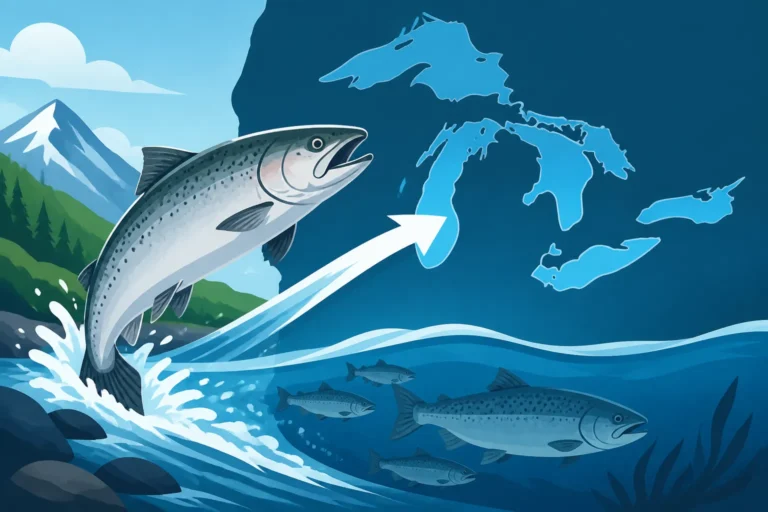
Steelhead, on the other hand, are the migratory form of rainbow trout. The term "anadromous" means they hatch in freshwater, migrate to a saltwater or large freshwater body (in Michigan's case, the Great Lakes) to grow and mature, and then return to freshwater to spawn. For Michigan anglers, steelhead are iconic Great Lakes fish that make dramatic runs up tributary rivers. They embody a wilder, more adventurous spirit, traveling vast distances and undergoing significant physiological changes to adapt to different water chemistries.
The journey of a steelhead is truly remarkable. After hatching in a cold, clear river or stream, they spend anywhere from one to three years in their natal waters, growing strong before undertaking the perilous migration downstream into one of the Great Lakes. Once in the expansive waters of Lake Michigan, Lake Huron, or Lake Superior, they can grow to impressive sizes, feasting on baitfish and other aquatic organisms, before an innate urge calls them back to the very stream where they were born to continue the cycle.
Life Cycle and Migratory Behavior: The Defining Difference
This is where the rubber meets the road. The anadromous nature of steelhead is the single most important factor distinguishing them from their resident rainbow trout cousins. It influences their growth, diet, appearance, and ultimately, the way we perceive and pursue them as anglers. Understanding this life cycle is key to appreciating both forms of Oncorhynchus mykiss in Michigan.
The Call of the Great Lakes for Steelhead
Steelhead begin their lives in the gravel beds of tributary rivers, just like resident rainbow trout. However, after a year or two of growing in the river, something triggers a physiological change known as smoltification. They transform, becoming more silvery and streamlined, better equipped for life in the open waters of the Great Lakes. This is their journey to a larger larder, where abundant food sources allow for rapid growth and substantial size. Steelhead Life Cycle in Michigan Rivers explains this fascinating process in more detail.
They typically spend two to three years, sometimes even longer, out in the Great Lakes, growing larger and accumulating the energy reserves needed for their arduous spawning migrations. When the time is right, often triggered by changing water temperatures and increased flow, they return to the rivers and streams to spawn. Unlike Pacific salmon, steelhead are iteroparous, meaning they can survive spawning and return to the Great Lakes to feed, only to make subsequent spawning runs in future years. This ability to spawn multiple times makes them incredibly resilient fish.
Rainbow Trout's Stationary Lifestyle
In contrast, resident rainbow trout never leave their natal stream or lake. Their entire existence is contained within that single freshwater ecosystem. Their growth is generally slower, and their maximum size is often smaller than that of their anadromous counterparts, simply because the food resources in a confined stream are typically less abundant than in the vast Great Lakes. However, some deep, nutrient-rich inland lakes can produce very respectable "resident" rainbows.
For these fish, life is about adapting to their immediate surroundings. They learn the best holding lies, the prime feeding lanes, and the safest cover within their home waters. A small, clear creek might yield beautiful but modest-sized rainbows, while a larger, more fertile inland lake could hold larger, robust individuals. While they may move within the system they inhabit, they don't undertake the long, challenging migrations that define steelhead.
Subtle Physical Differences and Identification Tips
While they are the same species, the distinct life cycles of rainbow trout and steelhead often result in noticeable physical differences. These aren't always hard and fast rules, as there can be overlap, but experienced anglers can usually make an educated guess based on a fish's appearance. It's like comparing a marathon runner to a weightlifter – same species, different training grounds.
Size, Shape, and Coloration Clues
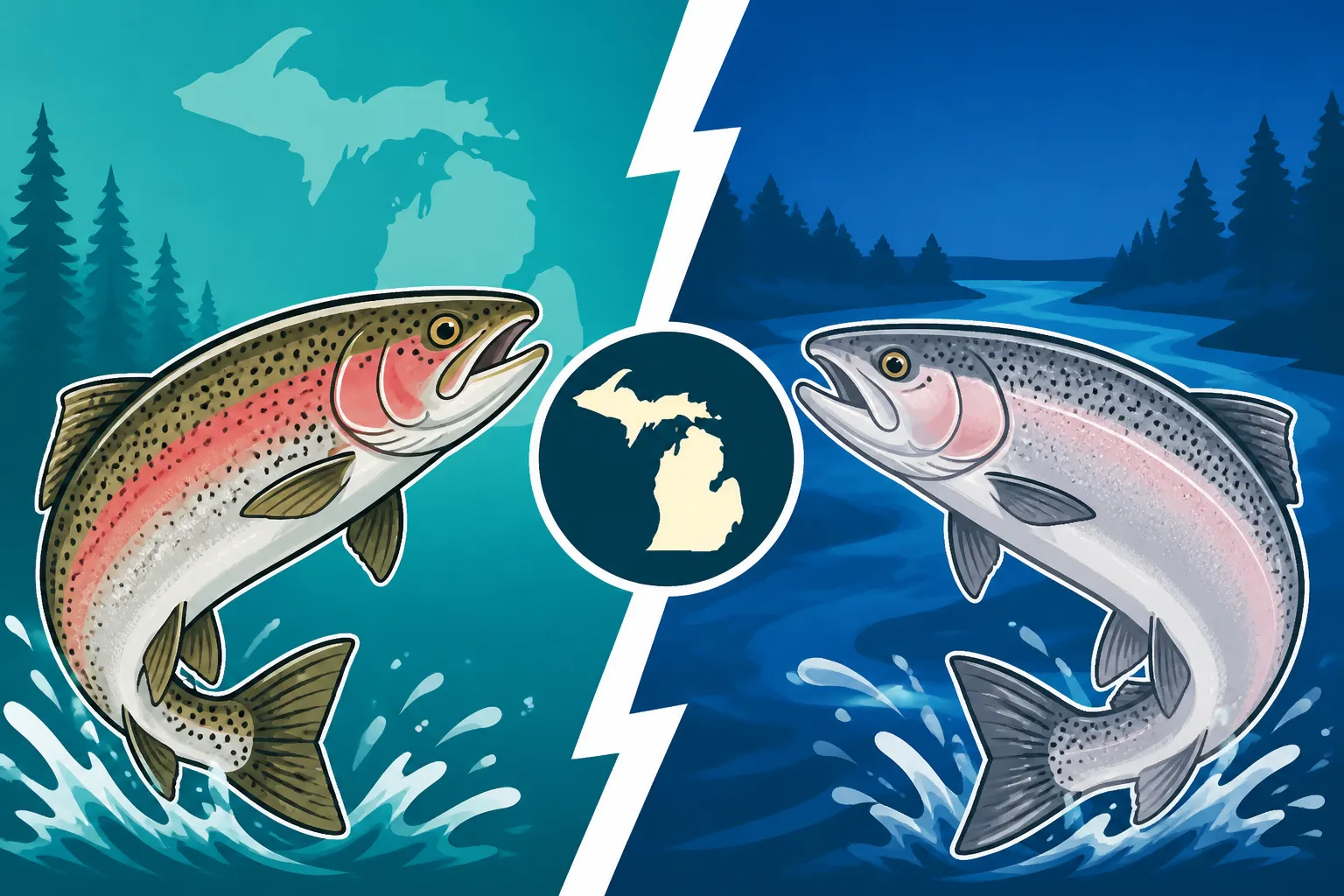
One of the most immediate differences you'll notice is size. Steelhead, having spent years gorging themselves on baitfish in the Great Lakes, are generally much larger and more robust than most resident rainbow trout. A 10-pound steelhead is a common catch during a strong run, while a 10-pound resident rainbow trout, while certainly possible in certain large inland lakes, is a much rarer trophy. Steelhead also tend to be more torpedo-shaped and silvery, reflecting their open-water life, with a metallic sheen that helps them blend into the vast blue of the lakes.
Resident rainbow trout, living in rivers and lakes, often exhibit more vibrant and varied coloration. Their namesake pink or red lateral band is typically more pronounced, and their spots are often bolder and more numerous. The overall body shape might be slightly chunkier, reflecting a diet of insects and smaller aquatic life found in slower-moving or shallower waters. Their color can also be influenced by the substrate of the river they inhabit; fish from dark, tannin-stained waters might appear darker, for instance.
Fin Erosion and Streamer Marks
Another subtle but telling difference can be found in their fins. Steelhead, particularly those that have made multiple spawning runs, often show signs of wear and tear on their fins. Their fins might be frayed, scarred, or partially eroded from their long journeys, navigating rocky river bottoms, and brushing against other fish. These "streamer marks" are badges of honor, telling a story of survival and perseverance through treacherous migrations.
Resident rainbow trout, having lived a less migratory life, tend to have more pristine, intact fins. While they can certainly get scrapes and bumps from their local environment or predatory encounters, the extensive wear seen on many mature steelhead's fins is less common. Furthermore, hatchery-raised rainbow trout, which often make up a significant portion of resident populations, might exhibit clipped fins (adipose fin is commonly removed) or other subtle deformities from their time in crowded raceways.
| Feature | Rainbow Trout (Resident) | Steelhead (Anadromous) |
|---|---|---|
| Life Cycle | Spends entire life in freshwater (streams, lakes) | Migrates to Great Lakes, returns to rivers to spawn |
| Primary Habitat | Inland rivers, streams, smaller lakes | Great Lakes and their major tributary rivers |
| Typical Size | Generally smaller (1-5 lbs common, larger possible) | Significantly larger (5-20+ lbs common) |
| Appearance | Often more vibrant colors, pronounced pink/red band | More silvery, metallic sheen, often less vivid markings |
| Body Shape | Can be chunkier, varies with habitat | More streamlined, torpedo-shaped for open water |
| Fin Condition | Generally more intact fins | Often frayed, scarred, or eroded fins from migration |
| Growth Rate | Slower, limited by inland food sources | Faster, fueled by abundant Great Lakes forage |
| Spawning | Spawns in natal freshwater system | Returns to natal river system from Great Lakes to spawn |
| Longevity | Typically shorter lifespan, often single spawning event | Can live longer, capable of multiple spawning runs |
Habitat and Preferred Waters: Where to Find Them
Knowing the biological differences between these fish helps us understand why they choose certain waters. While there can be some overlap, their preferred habitats are generally quite distinct, guiding anglers to different types of fishing experiences across Michigan's incredible aquatic landscape. If you're looking for Michigan's Most Popular Fish Species, both rainbow trout and steelhead certainly make the list.
Inland Streams and Lakes for Rainbow Trout
Resident rainbow trout thrive in a variety of inland waters across Michigan. You'll find them in the cold, clear trout streams of the northern Lower Peninsula and the Upper Peninsula, often sharing these waters with brook trout and brown trout. These streams provide the essential ingredients: cold, oxygenated water, gravelly bottoms for spawning, and a steady supply of aquatic insects. Fly fishing for these stream-dwelling rainbows is a cherished pastime for many.
Beyond rivers, numerous inland lakes are stocked with rainbow trout, offering different fishing opportunities. Lakes like Higgins Lake or Torch Lake are known for their deep, cold waters that can sustain rainbow trout year-round. Here, anglers might troll with small spoons or plugs, or still-fish with bait near drop-offs. Whether it's a small, intimate stream or a vast, sprawling lake, the key commonality for resident rainbows is that their entire world exists within that self-contained freshwater system.
Great Lakes and Tributary Rivers for Steelhead
Steelhead are intrinsically linked to the Great Lakes and the major rivers that flow into them. The Great Lakes themselves act as their ocean, providing a vast feeding ground where they can grow large and strong. During their time in the lakes, they are typically found in the cooler, deeper waters, often congregating around thermal breaks or baitfish schools. Trolling with downriggers and planer boards is a common technique for targeting them in these expansive waters.
However, the real excitement for many steelhead anglers comes when these fish return to the tributary rivers for their spawning runs. Rivers like the Manistee, Pere Marquette, Au Sable, and St. Joseph become prime destinations for anglers hoping to intercept these powerful fish. Steelhead runs occur in the fall, winter, and spring, offering year-round opportunities for dedicated anglers. Steelhead Fishing in Michigan is a whole different ballgame compared to resident trout fishing, requiring specialized techniques and gear to handle their incredible power and size.
Fishing Strategies and Gear Considerations
The distinct behaviors and habitats of rainbow trout and steelhead naturally lead to different fishing strategies and gear choices. You wouldn't use the same tactics for a small stream rainbow as you would for a chrome-bright steelhead fresh from Lake Michigan. Adapting your approach is crucial for success, and it's part of what makes Michigan fishing so endlessly engaging.
Techniques for Resident Rainbow Trout
When pursuing resident rainbow trout in streams, especially smaller ones, stealth and presentation are key. Light tackle is often preferred: a sensitive spinning rod with 4-6 pound test line, or a fly rod in the 3-5 weight range. Popular baits include worms, salmon eggs, corn, or small spinners and spoons. For fly anglers, matching the hatch with dry flies, nymphing, or swinging small streamers can be incredibly effective. The focus is often on precision casting into riffles, pools, and undercut banks where these trout hold.
For resident rainbows in inland lakes, techniques might shift. Trolling with small crankbaits, spoons, or even weighted lines with live bait can cover a lot of water. Still-fishing from a boat or pier with power bait, worms, or minnows at various depths can also be productive. Ice fishing for rainbow trout on stocked lakes is another popular winter activity, often involving jigging small spoons or using tip-ups with minnows. The common thread is often about tempting a fish that has a more localized and perhaps more predictable feeding pattern.
Tackling Migratory Steelhead
Fishing for steelhead in Michigan's rivers is a passion for many, and it often involves specialized techniques designed to cope with their strength and migratory patterns. Centerpinning, float fishing, and fly fishing with indicator nymphs or swinging large streamers are incredibly popular methods. These techniques allow anglers to present bait or lures naturally in fast-moving water, often with longer rods to manage line and absorb the powerful runs of a hooked steelhead. How to Fish for Steelhead in Michigan details many of these techniques.
When steelhead are in the Great Lakes, charter boats typically use sophisticated trolling setups, including downriggers, lead core, and diver rods, to present a variety of spoons and plugs at specific depths. The sheer size and power of a lake-run steelhead demand robust gear and a willingness to brave the unpredictable conditions of the Great Lakes. Regardless of the chosen method, the fight of a steelhead is legendary – acrobatic jumps, screaming runs, and an unyielding will to escape.
The Importance of Proper Gear
Having the right gear makes all the difference, whether you're chasing delicate stream trout or powerful Great Lakes steelhead. For lighter trout fishing, you might opt for a sensitive, ultralight spinning combo, perhaps a 6-foot rod with a small reel spooled with light monofilament. You can find excellent, affordable options for this kind of setup on Amazon, often bundled for convenience. A small tackle box with an assortment of inline spinners, tiny crankbaits, and some hooks for bait fishing will get you started.
For steelhead, your gear needs to be significantly beefier. A longer, medium-light to medium power spinning or casting rod (8-11 feet is common for river fishing), paired with a reliable reel spooled with 8-12 pound fluorocarbon or braided line, is often necessary. A good quality landing net with a deep, rubberized basket is crucial for handling these large fish safely. Again, for specialized items like centerpin reels or high-quality waders, Amazon offers a vast selection where you can compare different brands and features, ensuring you're well-equipped for the specific demands of steelhead fishing. Don't forget proper layering and durable rain gear for those often chilly and wet Michigan fishing days, something you can easily source from retailers like Amazon.
Conservation and Regulatory Perspectives
Understanding the distinction between rainbow trout and steelhead isn't just academic; it has practical implications for how these fish are managed and regulated in Michigan. The DNR works hard to maintain healthy populations, and anglers play a crucial role in that effort by adhering to the rules.
Management Approaches for Both Forms
Michigan's DNR manages resident rainbow trout and steelhead with slightly different strategies due to their distinct life histories. For resident rainbow trout, management often involves stocking programs in inland lakes and streams to supplement natural reproduction or to create put-and-take fisheries. This can include planting fingerlings or catchable-sized trout. Habitat restoration projects, such as improving stream banks or adding woody debris, are also vital for supporting wild, resident trout populations by providing cover and spawning areas.
Steelhead management, on the other hand, focuses heavily on maintaining healthy Great Lakes populations and ensuring successful spawning runs in tributary rivers. This involves careful regulation of harvest limits, monitoring population health in the lakes, and protecting critical spawning habitat in the rivers. While stocking does occur, particularly to enhance initial runs, the emphasis is also on allowing natural reproduction to thrive. The health of the entire Great Lakes ecosystem plays a huge role in steelhead success, from prey fish availability to water quality.
Why the Distinction Matters for Anglers
For anglers, understanding this difference is paramount, especially regarding regulations. While both are Oncorhynchus mykiss, specific regulations often apply to "trout" (generally resident fish) in inland waters versus "steelhead" (migratory fish) in Great Lakes tributaries. These distinctions can affect possession limits, size limits, and even tackle restrictions during different seasons or in specific waters. For instance, some trout streams might have special artificial-lure-only rules or catch-and-release seasons that don't apply to steelhead in a Great Lakes river, and vice versa.
Always consult the latest Michigan Fishing Regulations Every Angler Should Know digest published by the DNR. This document is your go-to source for understanding specific rules for different bodies of water, which can vary greatly. For example, Michigan's Great Lakes Year-Round Trout Season might have different nuances than the opening of trout season on inland waters. Being able to correctly identify whether you've caught a resident rainbow or a true steelhead is vital for staying compliant and contributing to sustainable fishing practices for both remarkable forms of this amazing species.
Disclaimer
This article is for general informational purposes only and does not constitute professional advice. Laws, prices and regulations vary by location and change over time. Consult a qualified professional for guidance on your specific situation.