How Big Do Bluegill Get in Michigan
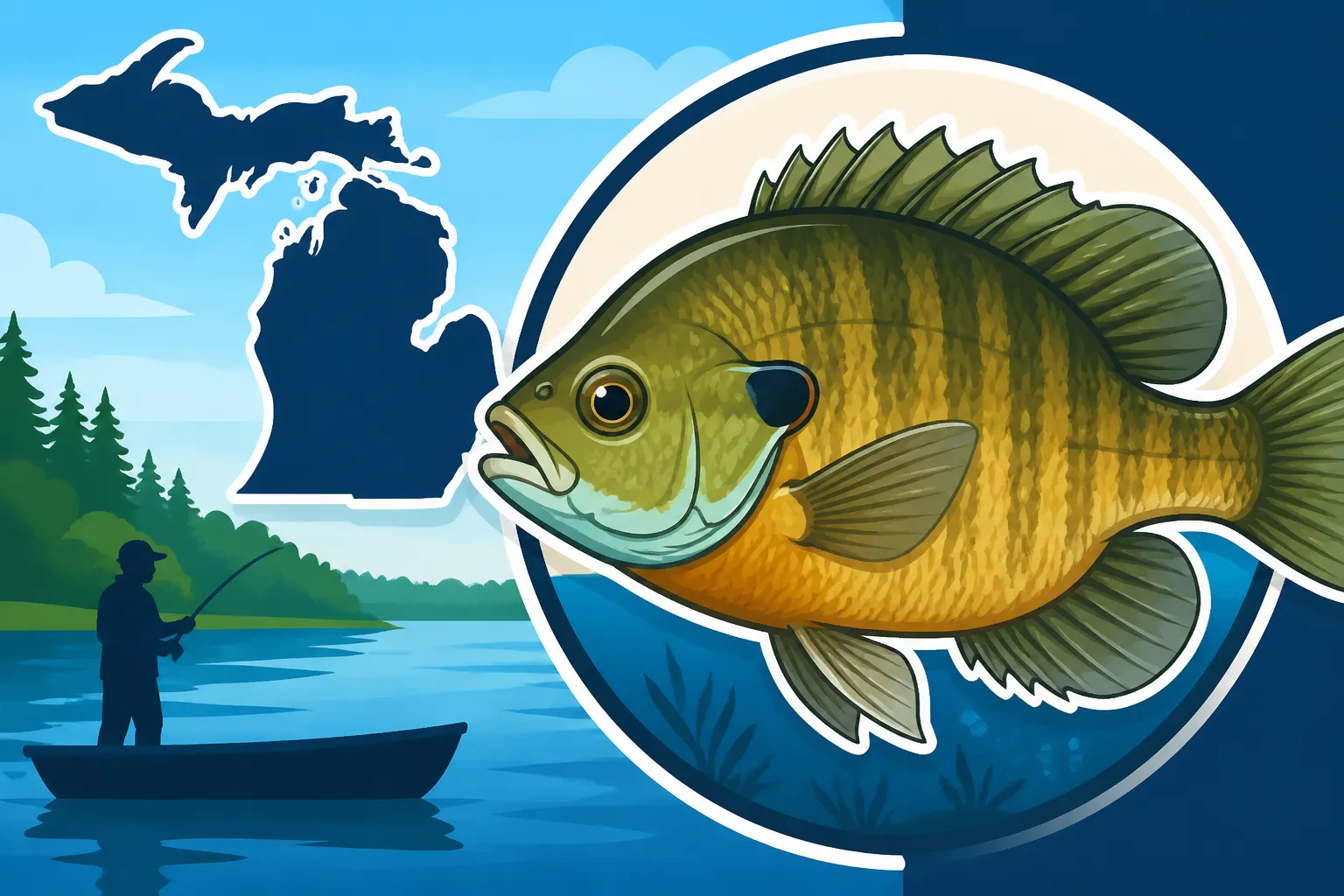
Many anglers, especially those new to Michigan's incredible inland waters, often wonder just how big bluegill can truly get. It's easy to picture those little hand-sized panfish you caught as a kid, but Michigan's lakes and ponds can hide some surprisingly hefty specimens that challenge those childhood memories. This guide will dive deep into what factors influence bluegill size in our state, what you can realistically expect to catch, and how to target those bigger 'gills that offer a real fight on light tackle.
Understanding Bluegill Growth in Michigan Waters
Bluegill, part of the sunfish family, are incredibly common and widespread across Michigan. You'll find them in almost every lake, pond, and slow-moving river. Their abundance, however, doesn't mean they all grow to impressive sizes. Several critical factors come into play, dictating whether a bluegill stays a "plate-sized" meal or graduates to a "trophy" catch.
Factors Influencing Bluegill Size
The size a bluegill ultimately reaches in Michigan is a complex interplay of environmental conditions, genetics, and population dynamics. It's not just about how long they live; it's about the quality of that life.
First and foremost is food availability. Bluegill are opportunistic feeders, munching on everything from aquatic insects and larvae to small crustaceans and even fish eggs. If a lake has a rich, diverse food source, bluegill can grow faster and larger. Conversely, in nutrient-poor waters, or in lakes with an overabundance of bluegill, competition for food can stunt their growth, leading to a population of many small fish. Think of it like a buffet: if there's plenty for everyone, individuals thrive. If it's too crowded, everyone goes home a little hungry.
Water quality and habitat are also huge determinants. Clean, well-oxygenated water with a diverse range of aquatic vegetation (for cover and food) and varied bottom structure (like sunken logs, rock piles, or drop-offs) provides a healthy environment for bluegill to grow and evade predators. Lakes with a good balance of deep and shallow areas, along with plenty of submerged structure, tend to produce larger fish. A bluegill living in a murky, stagnant pond without much structure will likely not reach its full genetic potential compared to one in a pristine, well-managed lake.
Finally, fishing pressure and population density play a significant role. In heavily fished waters where anglers primarily keep the larger bluegill, the average size can sometimes decrease over time, as fewer big fish are left to pass on their genes. Conversely, in lakes with an excessive population of small bluegill (often called "stunted" populations), anglers are often encouraged to harvest more smaller fish to reduce competition and allow the remaining fish to grow larger. It sounds counterintuitive, but sometimes removing some can benefit the whole. Understanding Michigan Fishing Regulations Every Angler Should Know is crucial here, as they often aim to balance these factors.
Typical Size Ranges for Michigan Bluegill
So, what should you expect when you drop a line in Michigan waters? For most recreational anglers, a typical bluegill in Michigan will fall into the 6 to 8-inch range. These are solid, fun-to-catch fish, perfect for a family outing and often make for a tasty meal. They're common, plentiful, and provide a lot of action on light tackle. Many anglers are perfectly happy catching a cooler full of these pan-sized beauties.
However, Michigan is also home to bluegill that push well beyond this average. A bluegill measuring 9 to 10 inches is considered a fantastic catch, often referred to as a "slab" or "dinner plate" bluegill. These fish are notably thicker and heavier, putting a significant bend in an ultralight rod. They've likely survived several seasons and found prime feeding grounds. Anything over 10 inches is truly exceptional, entering the realm of a trophy bluegill for many anglers. These are the fish that get talked about around the campfire and often result in a quick photo before a careful release.
The truly massive, once-in-a-lifetime bluegill in Michigan can even reach sizes exceeding 11 or 12 inches. While rare, these giants do exist in certain well-managed or lesser-fished waters. These are specimens that have beaten the odds, evaded countless predators, and found an ideal environment to thrive. It’s these incredible fish that keep dedicated panfish anglers coming back year after year, always hoping for that one monster bluegill.
Age and Size Correlation
It's natural to assume that bigger bluegill are simply older bluegill, and while there's a strong correlation, it's not always a direct one-to-one relationship. Bluegill growth rates can vary wildly based on the factors we just discussed – food, habitat, and population density. A bluegill in a rich, fertile lake might reach 8 inches in 4-5 years, whereas a bluegill in a stunted population in a less productive lake might take 7-8 years to reach the same size, or even longer, if it ever does.
Generally, bluegill in Michigan grow relatively quickly in their first few years, putting on length and girth as they mature. Once they reach sexual maturity, often around 2-3 years old, more of their energy goes into reproduction rather than purely growing larger. However, if conditions remain optimal – ample food, good cover, and not too much competition – they will continue to add size, albeit at a slower rate. A 10-inch bluegill in Michigan is likely at least 6-8 years old, and some of the truly giant ones could be a decade old or more. It takes a lot of time, and a lot of luck, for a bluegill to avoid being eaten by a bass, pike, or even an osprey, to reach those impressive ages and sizes.
What Constitutes a "Trophy" Bluegill in Michigan?
The term "trophy" is pretty subjective when it comes to fishing, but for bluegill in Michigan, there are definitely some generally accepted benchmarks that elevate a catch from "nice" to "wow!" It's more than just a measurement; it's about the entire experience of landing a truly exceptional specimen.
Defining a Michigan Trophy Bluegill
For most bluegill enthusiasts in Michigan, a bluegill officially earns "trophy" status when it hits the 9-inch mark. At this length, the fish typically has a significant amount of girth, a broad, dark back (especially males during spawning season), and puts up a surprisingly strong fight for its species. Many anglers consider a 9-inch bluegill to be a "slab" – thick, wide, and a formidable adversary on ultralight gear. Catching one of these is a memorable event, often prompting a picture before being carefully released to grow even bigger.
Pushing into the 10-inch territory and beyond, you're talking about a genuinely rare catch. These fish are often old, wise, and have found a perfect niche in their environment. They are typically much thicker than their 8-inch cousins, often weighing a pound or more. Landing a bluegill of this caliber requires specific targeting, patience, and often a bit of luck. It's the kind of fish that makes you question if you've hooked a bass, only to be pleasantly surprised by the broad side of a massive bluegill. These fish represent the pinnacle of panfishing in Michigan.
It's important to remember that the definition can vary slightly from one angler to another or from one body of water to another. In some highly pressured lakes, an 8-inch bluegill might be considered a great catch, while in a remote, pristine lake, anglers might hold out for 10 inches. But universally, anything pushing the double-digit mark is a true trophy in the Mitten State.
Michigan State Record and Local Legends
While specific numbers for state records are best checked with the Michigan DNR (as they can change), it's important to acknowledge that Michigan has produced some truly enormous bluegill over the years. These record-setting fish represent the absolute maximum size these panfish can attain in our state's waters. They are a testament to ideal conditions, incredible longevity, and sometimes, a little bit of angling destiny. These are the fish that inspire us all, reminding us that giants truly do swim in our lakes and rivers.
Beyond the official state records, every fishing community in Michigan has its own "local legends" – stories of giant bluegill caught in a specific lake or pond, perhaps by a seasoned old-timer who knows the waters intimately. These are the whispered tales that fuel our passion and make us wonder what hidden treasures lie beneath the surface. Maybe it was a bluegill caught from a particular dock, or a secret brush pile that consistently produces monsters. These local legends, though perhaps never officially recorded, add a rich layer to the folklore of Michigan fishing and highlight the potential for massive bluegill catches across the state. They show that while the average size is predictable, the outliers are truly something special.
Finding and Catching Larger Bluegill in Michigan
Catching a bluegill that stands out from the crowd requires a bit more intentionality than simply tossing a worm off a dock. It means understanding their habits, finding their preferred hideouts, and refining your techniques. If you're looking for What Are Common Panfish Species in Michigan, you'll quickly realize that bluegill are at the top of the list, meaning there are plenty to go around.
Habitat Preferences for Bigger Bluegill
Larger bluegill are, by nature, survivors. This means they are often found in areas that offer both ample food and good protection from predators like northern pike, walleye, and bass. Don't expect to find them in the same shallow, open sandy flats where the smaller, more aggressive bluegill congregate.
Instead, focus your efforts on deeper weed lines, especially those with a distinct edge where the weeds drop off into deeper water. These areas provide cover within the weeds and easy access to open water for foraging. Look for submerged structures like fallen trees, brush piles, old docks, or rock piles. These structures act as prime ambush points for bluegill, offering shelter and a place to hide from larger fish. During the day, particularly on bright, sunny days, larger bluegill will often retreat to the shade and cooler temperatures found in these deeper, cover-rich spots.
Drop-offs and submerged humps are also excellent places to target. A hump rising from 20 feet of water to 10 feet, surrounded by deep water, can be a magnet for larger bluegill. Similarly, areas where shallow flats quickly transition into deeper channels or basins are productive. These transition zones offer a smorgasbord of food sources and varied depths for different conditions. Even during winter, when ice fishing, these deeper structures and weed edges are key. Many anglers looking for perch through the ice will stumble upon massive bluegill in these deeper haunts.
Techniques and Baits for Targeting Large Bluegill
To consistently catch larger bluegill, you often need to adapt your approach from the traditional bobber-and-worm setup, though that can certainly work sometimes. The key is often finesse and subtlety.
Downsizing your presentation can be incredibly effective. While smaller bluegill might attack anything, bigger bluegill can be more wary. Use ultra-light fishing gear – a sensitive rod (like a 6-foot ultralight spinning rod), light line (2-4 lb test monofilament or fluorocarbon), and tiny jigs. Jigs ranging from 1/64 to 1/32 ounce are often perfect, tipped with a small piece of bait. You can find a fantastic selection of these ultralight jigs and small hooks on sites like Amazon. For live bait, focus on waxworms, small red worms, or even a single kernel of corn. When selecting hooks, consider What Size Hook for Panfish to ensure you're using something small enough for a bluegill's mouth but strong enough for a big one.
Presentation matters. Instead of a stationary bobber, try tight-lining or using a slip bobber to present your bait just above the structure or along the deeper weed line. Slowly lift and drop your jig, or let it drift naturally with the current or wind. Larger bluegill often won't chase; they prefer an easy meal that looks natural. In deeper water, a small jigging spoon or a tungsten jig can get down quickly and effectively, allowing you to cover multiple depths.
Fly fishing is another highly effective technique for larger bluegill. Small poppers, dry flies, and nymphs can be irresistible. The delicate presentation and subtle action of a fly can fool even the most cautious trophy bluegill. This is particularly effective during the spawning season when bluegill are more aggressive and often found in shallower waters protecting their nests.
When it comes to Best Bait for Michigan Bluegill, while worms are always reliable, don't overlook artificial options. Tiny soft plastics, mimicking insects or small minnows, can be incredibly effective when fished on a small jig head. These baits can be very durable and allow for a more active presentation, which sometimes triggers bigger bites.
Best Times and Conditions
Timing can be everything when pursuing larger bluegill. While bluegill can be caught year-round, certain seasons and times of day offer better opportunities for the bigger ones.
Spring (late April through June) is prime time, particularly during the spawning season. Bluegill move into shallower waters (2-6 feet) to build and protect their nests. They become more aggressive and less wary, making them easier targets. Look for large clusters of saucer-shaped depressions on sandy or gravelly bottoms. Males, often sporting darker, more vibrant colors, will guard these nests fiercely. This is when sight fishing can be incredibly productive, and you might even see those "slab" bluegill guarding their territory.
Early summer (July and early August) can also be very good, especially during low-light conditions. Early mornings and late evenings, when the sun isn't directly overhead, often see larger bluegill moving out of their deep cover to feed in slightly shallower areas. They are also often active on cloudy days. During the heat of the day, they will generally retreat to deeper, cooler water and thicker cover.
Late fall (October and November) offers another excellent window, especially before ice-up. Bluegill are actively feeding to pack on weight for the winter, and they can be found schooling in deeper water, often near drop-offs and main lake basins. Similarly, during the ice fishing season, big bluegill can be caught in good numbers. Focus on those deep weed edges, submerged humps, and basin edges. Techniques like those described in Ice Fishing Techniques for Perch can be very effective for bluegill too, as they often inhabit similar winter structures. Always check Michigan Ice Fishing Guide for regulations and safety tips.
Regardless of the season, try to fish during periods of stable weather. Drastic cold fronts or sudden changes in barometric pressure can make bluegill less active and more difficult to catch. Sometimes, simply knowing the Best Time of Year to Fish in Michigan for panfish will put you on the right track.
Managing Bluegill Populations for Better Size
The average size of bluegill in a Michigan lake isn't just about natural factors; it's heavily influenced by human interaction, particularly through fishing and habitat management. Understanding this can help anglers make choices that contribute to healthier, bigger bluegill populations for everyone.
The Impact of Harvest on Bluegill Size
It might sound counterintuitive, but selective harvest can be a powerful tool for improving the average size of bluegill in a lake. Many Michigan lakes suffer from what's known as a "stunted" bluegill population. This happens when there are too many bluegill in a given body of water, leading to intense competition for food and space. When food resources are limited, individual fish simply can't grow as large or as quickly as they otherwise would.
In these situations, anglers are often encouraged to keep a generous number of the smaller bluegill (typically those under 6-7 inches). By removing these smaller fish, you reduce the competition for food and allow the remaining bluegill, particularly those with good growth potential, to access more resources and grow faster and larger. Conversely, if anglers exclusively keep the largest bluegill, they can inadvertently remove the prime breeding stock and the fish with the best growth genetics, potentially leading to a decline in average size over many generations.
Therefore, a balanced approach is often recommended: release the biggest bluegill to ensure they continue to reproduce and pass on their "big fish" genes, while harvesting some of the smaller, abundant fish to alleviate population pressure. Always be mindful of Michigan Daily Bag Limits by Species, as these regulations are designed to help manage fish populations sustainably.
Role of Habitat Management
A healthy habitat is fundamental to growing large bluegill. As we discussed, structure, cover, and a rich food source are essential. Habitat management initiatives, often undertaken by the Michigan DNR, local conservation groups, or even private landowners, can significantly enhance bluegill growth.
One common practice is adding submerged structure. This can involve sinking Christmas trees, brush piles, or building artificial fish habitats. These structures provide vital cover for bluegill to hide from predators, ambush prey, and escape harsh weather conditions. They also create micro-ecosystems where aquatic insects and other food sources can thrive. Think of it as creating apartment complexes for fish – more places to live, more places to eat, more protection.
Managing aquatic vegetation is another crucial aspect. While some vegetation is vital for bluegill, too much can create an unbalanced ecosystem, making it difficult for bluegill to find food efficiently or for anglers to fish effectively. Conversely, too little vegetation leaves them exposed. A healthy balance of diverse aquatic plants, including both emergent and submerged varieties, provides the ideal environment. These efforts, combined with ensuring good water quality (reducing pollution, managing runoff), contribute to an overall healthier ecosystem where bluegill can reach their maximum genetic potential. Many Michigan Inland Lakes Worth Fishing benefit from these ongoing management efforts.
Understanding Michigan's Bluegill Regulations
Michigan's fishing regulations are not just random rules; they are carefully crafted by fisheries biologists to manage fish populations for long-term health and angler enjoyment. For bluegill and other panfish, these regulations often involve statewide daily possession limits, which dictate how many fish of a certain species an angler can keep per day.
These limits are set after extensive research into population dynamics, growth rates, and angler harvest pressure. They aim to prevent overfishing in some areas and encourage harvest in others, particularly in lakes with stunted populations. It's crucial for every angler to familiarize themselves with the current Michigan fishing regulations, which are updated annually. The Michigan DNR provides comprehensive guides, often available online or at license dealers, that detail all the rules, including any special regulations that might apply to specific lakes or rivers.
By understanding and adhering to these regulations, and by making informed choices about selective harvest and catch-and-release practices, anglers can play a direct role in fostering bluegill populations that produce those impressive, broad-sided "slab" bluegill that we all dream of catching. Fishing is a shared resource, and responsible angling ensures there will be plenty of big bluegill for generations to come. For instance, getting a Michigan Fishing License Guide for Residents and Nonresidents is your first step to understanding these rules and contributing to conservation.
Bluegill Size Comparison
To help you visualize the difference and understand what to expect, here's a quick comparison of typical bluegill sizes you might encounter in Michigan:
| Characteristic | Average Bluegill (Michigan) | Trophy Bluegill (Michigan) |
|---|---|---|
| Length | 6-8 inches | 9 inches + (10+ inches truly exceptional) |
| Weight | 0.25 – 0.5 lbs | 0.75 – 1.5 lbs + |
| Appearance | Good, solid panfish | Noticeably thicker, broader body, dark colors (especially males) |
| Fight on Tackle | Lively, good tug | Strong, challenging, often mistaken for larger fish |
| Age | 3-6 years | 6-10+ years |
| Typical Habitat | Shallow weed beds, docks, open water | Deeper weed lines, heavy structure, drop-offs |
| Best Technique | Bobber & worm, small jigs | Finesse jigs, small plastics, flies, tight-lining |
| Gear Suggestion | Best Budget Rod and Reel Combo for Beginners | Ultralight rod, sensitive tip, 2-4lb line, small jigs/flies (available on Amazon) |
Disclaimer
This article is for general informational purposes only and does not constitute professional advice. Laws, prices and regulations vary by location and change over time. Consult a qualified professional for guidance on your specific situation.