Lake Superior Brook Trout Identification and Size
There's nothing quite like the thrill of chasing trout in Michigan, but when it comes to Lake Superior brook trout, many anglers find themselves scratching their heads. These elusive fish, often called "coaster brook trout," can be a mystery to identify correctly, and their size can vary dramatically from their inland cousins. This guide aims to clear up the confusion, diving deep into what makes these Lake Superior natives unique in appearance and how big you can realistically expect them to get.
The Allure of Lake Superior Brook Trout
Michigan's waters hold a special place in the hearts of anglers, and the brook trout is often considered the crown jewel for many. But the brook trout that call Lake Superior home are a breed apart, presenting a unique challenge and an even more unique reward. These are not your average stream-dwelling brookies; they are fish forged in the vast, cold expanse of the greatest of the Great Lakes.
A Native Michigan Gem
Brook trout, Salvelinus fontinalis, are truly a native species to Michigan, revered for their stunning beauty and the wild places they inhabit. They are often seen as an indicator of pristine, healthy ecosystems, thriving in cold, oxygen-rich waters. While many anglers are familiar with the smaller brook trout found in the state's countless inland streams and rivers, the "coaster" brook trout population in Lake Superior represents a distinct and incredibly valuable part of Michigan's natural heritage. Historically, these fish would migrate between tributary rivers and the vastness of the lake, growing to impressive sizes before returning to spawn. Their survival and proliferation speak volumes about the quality of Michigan's northernmost waters.
For many, pursuing these native fish isn't just about the catch; it's about connecting with a piece of Michigan's wild past. The remote, rugged beauty of the Lake Superior shoreline, particularly in the Upper Peninsula, adds another layer to the experience. Fishing for brook trout here often means navigating challenging terrain, enduring unpredictable weather, and embracing the solitude that comes with vast wilderness. It's a true adventure, a testament to the enduring spirit of both the fish and the anglers who pursue them. Protecting these populations is a priority, and understanding them is the first step in that crucial conservation effort. You can learn more about their presence in various waterways in our guide to Brook Trout in Michigan Rivers.
The Lake Superior Difference
What makes a Lake Superior brook trout stand out from its relatives found further inland? It really comes down to environment and opportunity. The sheer size of Lake Superior, coupled with its immense cold-water volume, provides an incredibly rich and stable habitat for these fish. They have access to a more diverse and abundant food supply, often feeding on smaller baitfish like smelt and sculpins that are simply not available in typical stream environments. This diet, combined with the colder water that allows for slower metabolism and consistent growth, often leads to brook trout that are noticeably larger and more robust than their stream-dwelling counterparts.
Furthermore, the challenging conditions of Lake Superior—its deep, clear, and often turbulent waters—can influence the physical characteristics and behavior of these fish. Their coloration can be exceptionally vibrant, with intense reds and blues, likely a result of their diet and the clarity of the water. Anglers who have spent time chasing inland brookies are often astonished by the sheer power and fight of a Lake Superior brook trout, a testament to its adaptation to a more demanding environment. Successfully targeting them often requires different strategies and gear than you might use for river fishing, as these fish are accustomed to a vast, open-water existence for much of their lives. For a broader look at fishing this immense body of water, check out Michigan's Great Lakes Fishing Guide.
Key Identification Features of Lake Superior Brook Trout
When you're out on the big lake or exploring its tributaries, knowing exactly what you've hooked can be half the fun – and sometimes, half the legal responsibility! Lake Superior brook trout have some truly distinctive characteristics that, once you know them, make identification a lot easier, helping you differentiate them from other trout and salmon species that share their habitat.
Distinctive Coloration and Markings
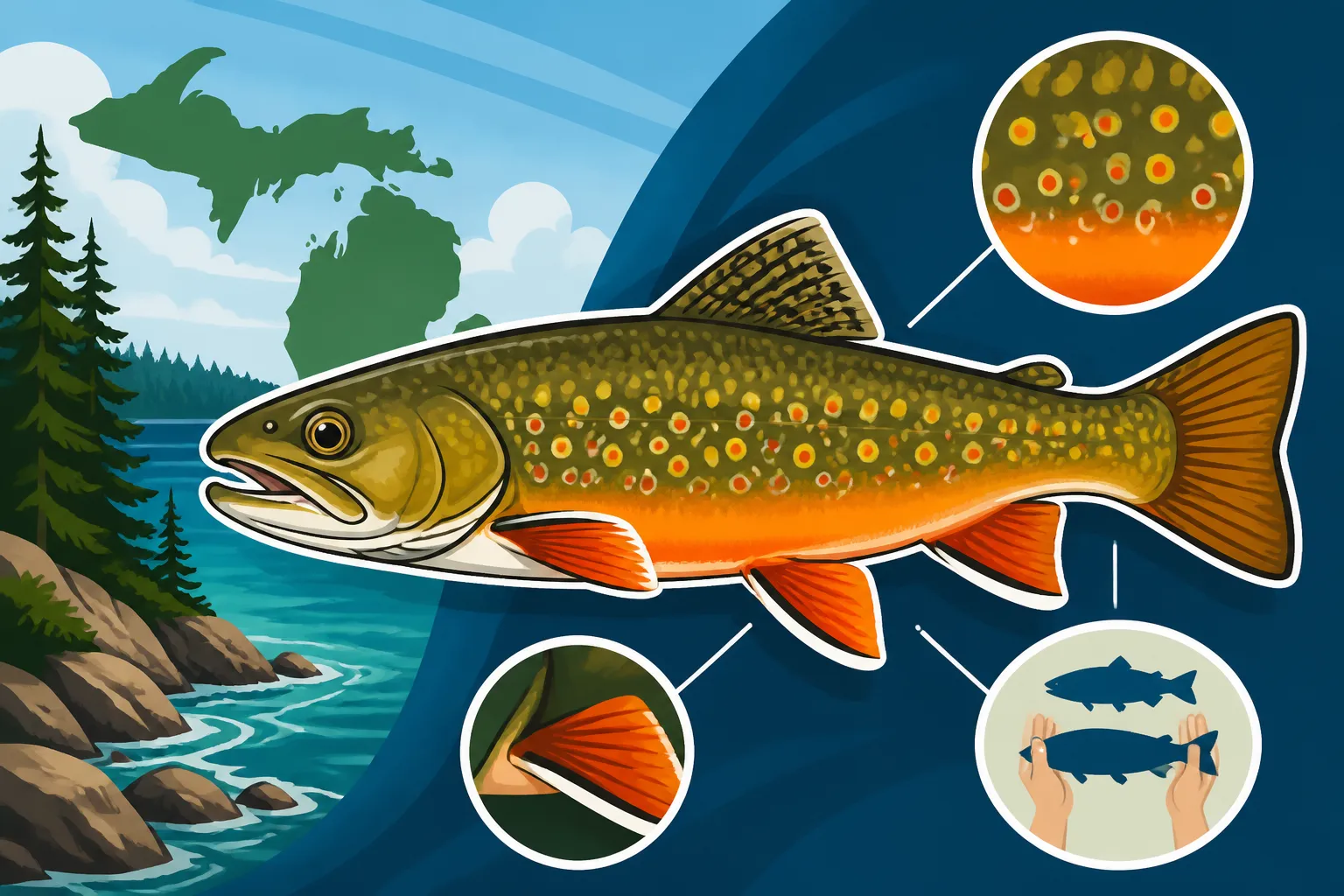
One of the most striking features of a Lake Superior brook trout is its vivid and intricate coloration. Their backs are typically a mottled olive-green to dark brown, adorned with an unmistakable pattern of worm-like markings, known as "vermiform," which are lighter in color, ranging from cream to yellow. These patterns are truly unique to brook trout and help them camouflage perfectly among rocky lake bottoms or riverbeds. Along their sides, you'll find an array of small, vibrant red spots, each encircled by a distinct blue halo. These "halo spots" are a dead giveaway for brook trout. The belly can range from white to a brilliant, almost neon, orange or red, especially pronounced on spawning males.
What truly sets them apart from other species, particularly the brown trout, which can sometimes be confused with brookies, are the stark white leading edges on their lower fins (pelvic, anal, and caudal fins). These white edges are typically bordered by a thin, dark stripe just before the white, making them incredibly conspicuous against the darker fin membranes. This "triple stripe" effect is absent in brown trout and lake trout. In the cold, clear waters of Lake Superior, these colors can appear even more intense, with the blue halos almost glowing, and the white fin edges strikingly bright. If you're ever in doubt, these fin markings are your go-to identification clue.
Body Shape and Fin Characteristics
Beyond their stunning colors, the physical form of a Lake Superior brook trout offers more clues. They possess a sleek, torpedo-like body, designed for moving efficiently through water. While stream-dwelling brook trout can sometimes appear more slender, the Lake Superior population often exhibits a deeper-bodied, more robust profile, a result of their larger size and powerful foraging habits in a more open environment. Their heads are relatively large in proportion to their body, with a moderately sized mouth.
Let's talk fins! The dorsal fin is fairly short and usually mottled with dark spots or patterns. Like all trout, they possess a small, fleshy adipose fin located between the dorsal and caudal (tail) fins, which is a characteristic of salmonids. The tail fin itself is typically square or only very slightly forked. This is another crucial differentiator; for instance, lake trout have a distinctly deeply forked tail, while brown trout usually have a less pronounced fork than lake trout, but often more so than a brookie. The white leading edges on the pectoral, pelvic, and anal fins are also key, as mentioned earlier. These fin characteristics, combined with the unique skin patterns, provide a comprehensive picture for confident identification.
Differentiating from Similar Species
In the waters of Lake Superior and its tributaries, anglers might encounter several salmonid species that could potentially be confused with brook trout. The most common contenders for misidentification are brown trout and juvenile lake trout. Here's a quick breakdown to help you keep them straight:
| Feature | Lake Superior Brook Trout | Brown Trout | Lake Trout (Juvenile) |
|---|---|---|---|
| Back/Sides | Olive-green to dark brown with worm-like (vermiform) patterns | Brownish-gold to olive, with large dark spots (often with halos) | Greyish-green to dark grey, with light, irregular spots |
| Spots on Sides | Small red spots with blue halos | Large dark spots (often "X" or "halo" shaped), sometimes red/orange | Irregular, worm-like light spots (no red/blue halos) |
| Lower Fins | White leading edge, followed by a black stripe | No white leading edge | No white leading edge |
| Tail Fin | Square or very slightly forked | Slightly forked | Distinctly deeply forked |
| Mouth/Teeth | Mouth extends to back of eye or slightly beyond | Mouth extends well beyond the eye | Mouth extends to back of eye or slightly beyond |
Elaborating on these differences: brown trout (Salmo trutta) generally have larger, darker spots, sometimes with light halos, but they lack the distinctive worm-like markings on their back and, crucially, do not have the white leading edges on their lower fins. Their tails are also typically more noticeably forked than a brook trout's. Lake trout (Salvelinus namaycush), even juveniles, have a much deeper, distinctly forked tail, and their spots are lighter against a darker body, often appearing more worm-like or irregular, but without the red and blue coloration of a brook trout. They also lack the white fin margins.
The subtle differences, like the shape of the tail or the specific pattern and color of the spots, can be critical for proper identification. This isn't just an academic exercise; proper identification is key to adhering to local fishing regulations, which can vary significantly between species. If you're unsure, it's always best to err on the side of caution and release the fish, or consult a local expert or the official Michigan DNR fishing guide for clarification. Understanding Michigan Trout Species Explained in detail can help prevent any confusion.
Understanding Lake Superior Brook Trout Size
The idea of catching a truly massive brook trout is a dream for many anglers, and Lake Superior is one of the few places in Michigan where that dream has a real chance of becoming reality. These aren't just any brook trout; their unique environment fosters impressive growth.
Average Size and Growth Rates
When we talk about average size, Lake Superior brook trout usually outstrip their inland counterparts significantly. While a "good" brook trout in a typical Michigan stream might be 8-12 inches, Lake Superior brook trout commonly range from 12-20 inches, with some truly exceptional specimens pushing well beyond that. Anglers frequently report fish in the 3-5 pound range, which for a brook trout, is a substantial catch. Their growth rates are influenced by several factors, including the abundance of high-protein forage fish in Lake Superior and the consistently cold water temperatures, which allow them to metabolize food efficiently without the stress of warmer periods.
The "trophy" threshold for a Lake Superior brook trout is often considered anything over 20 inches and 4 pounds. Landing a fish of this caliber is a memorable event, often taking years of growth in the harsh yet bountiful environment of the Great Lakes. These larger fish are not just a testament to their individual success but also to the health and productivity of the Lake Superior ecosystem. While smaller brookies are certainly present, especially in the tributary rivers, the allure of the lake-run fish lies in their potential for impressive size.
Factors Influencing Size and Health
The impressive size of Lake Superior brook trout isn't just a happy accident; it's the result of a complex interplay of environmental factors. Paramount among these is the sheer abundance and diversity of their diet. Unlike many stream-resident brook trout who might primarily feed on insects, Lake Superior brookies have access to a smorgasbord of forage, including various species of sculpins, juvenile lake herring, and, notably, invasive but plentiful alewives and smelt. This high-calorie, protein-rich diet fuels rapid growth.
Secondly, the consistently cold, well-oxygenated waters of Lake Superior are ideal for trout growth. Colder water reduces a fish's metabolic rate, allowing them to allocate more energy towards growth rather than simply maintaining bodily functions in warmer, more stressful conditions. Genetics also play a role; these populations have adapted over generations to thrive in this specific environment. Finally, effective fisheries management and conservation efforts, including stocking programs and adherence to sensible regulations, help ensure a healthy population structure where fish have the opportunity to reach their full growth potential. Without these combined elements, the large "coaster" brook trout we admire wouldn't exist in such numbers.
Record Catches and Trophy Potential
Every angler dreams of catching a record-breaking fish, and while the state record for brook trout in Michigan is a formidable number, Lake Superior certainly holds the potential for anglers to land fish that are personal bests, if not all-time records. The pursuit of a trophy Lake Superior brook trout is what draws many dedicated anglers to the remote stretches of the Upper Peninsula. These aren't simply "big" fish; they are often vibrant, powerful specimens that have survived for many years in a challenging environment.
While specific record numbers can fluctuate, the consistent presence of multi-pound brook trout in Lake Superior is a well-known fact among those who fish its waters. The joy of landing a 20-inch, 4-pound brook trout from the Big Lake is a story told for years, even if it doesn't make the official state record books. The thrill comes from the knowledge that these fish are truly wild, often having traversed vast distances within the lake before making their way into the tributaries where they are sometimes caught. It's a reminder of the wildness that still exists in Michigan and the incredible natural resources we have. If you are serious about pursuing these giants, consider looking for specialized gear, such as heavier lines or sturdier rods, on platforms like Amazon to handle the fight of a larger fish.
Michigan Regulations for Lake Superior Brook Trout
Fishing in Michigan is a privilege that comes with responsibilities, especially when targeting prized native species like Lake Superior brook trout. Understanding and adhering to the specific regulations isn't just about avoiding a fine; it's about protecting these precious fish for future generations.
Specific Size and Possession Limits
The Michigan Department of Natural Resources (DNR) maintains specific regulations for brook trout, and often, these regulations can vary depending on the waterbody. Lake Superior and its tributaries are often subject to unique rules designed to protect its distinct "coaster" brook trout populations. For instance, there might be particular minimum size limits that are different from those for brook trout in inland streams, or reduced daily possession limits to ensure the conservation of larger, spawning-capable fish. It's not uncommon for these regulations to specify different rules for the main lake versus the tributary streams flowing into it.
It's absolutely critical to consult the most current Michigan Fishing Regulations Digest before heading out on any fishing trip. These digests are updated annually and are available online through the Michigan DNR website, or in print at most bait and tackle shops where you purchase your Michigan Fishing License Guide for Residents and Nonresidents. Never assume the rules from last year are the same, or that rules for one body of water apply to another. For the specifics on Lake Superior, you'll often find a section dedicated to the Great Lakes and their respective species. You can find detailed information on Lake Superior Brook Trout Daily Limit within these official resources.
Catch-and-Release Considerations
For many anglers pursuing Lake Superior brook trout, especially the larger specimens, catch-and-release isn't just a suggestion—it's a deeply ingrained ethic. These larger, older fish are vital to the health and genetic diversity of the population, acting as prime spawners that contribute significantly to the next generation. Practicing proper catch-and-release techniques ensures that these magnificent fish can continue their life cycle and provide angling opportunities for years to come.
When you do hook into a brook trout you intend to release, minimize the fight time as much as possible to reduce stress on the fish. Use a rubberized net if available, as it's gentler on their scales and slime coat than knotless nylon nets. Avoid handling the fish by its gills or eyes. Instead, cradle it gently, supporting its belly, and keep it in the water as much as possible. If you need a photo, do it quickly, with wet hands, and hold the fish horizontally, close to the water's surface. Remove the hook carefully with pliers or forceps; barbless hooks make this process much easier and less damaging. Finally, allow the fish to recover in the water, supporting it gently until it swims away under its own power. This kind of thoughtful handling is essential for the long-term health of Michigan's brook trout fisheries. For a more general overview, see Michigan Fishing Regulations Every Angler Should Know.
Where to Find and How to Fish for Lake Superior Brook Trout
Finding these incredible fish in the vastness of Lake Superior might seem like searching for a needle in a haystack, but with a bit of local knowledge and understanding of their habits, you can significantly increase your chances of success.
Prime Habitats and Hotspots
Lake Superior brook trout, often referred to as "coasters," have a life history that typically involves spending time in the large lake and then migrating into tributary rivers and streams to spawn. Therefore, prime habitats often include the nearshore areas of Lake Superior, especially around river mouths, rocky points, and cold-water inlets where these fish might feed or stage before a run. Bays and harbors that offer protective structure and cooler water can also be excellent locations. The areas around the Keweenaw Peninsula, the Huron Mountains, and other rugged parts of the Upper Peninsula are historically known for their coaster populations. The clear, cold water means these fish often hold deeper during bright conditions, moving shallower during low light or overcast days.
During spawning seasons, particularly in the fall, these brook trout will move into the rivers and streams that feed Lake Superior. At these times, river mouths and the lower stretches of tributaries become prime spots. Look for areas with gravel bottoms, submerged logs, and undercut banks—classic trout holding water. Local knowledge is invaluable here, so don't hesitate to check with bait shops or local guides for current conditions and specific hotspots. A detailed guide like Best Spots for Brook Trout on Lake Superior can provide more specific geographic insights into promising areas for these fish.
Recommended Gear and Techniques
Fishing for Lake Superior brook trout can be done with a variety of gear and techniques, depending on whether you're targeting them in the main lake or in a tributary. For shore or nearshore fishing in Lake Superior, light to medium spinning tackle is often preferred. A 6.5 to 7.5-foot rod with a fast action, paired with a reliable spinning reel spooled with 6-8 pound monofilament or fluorocarbon line, works well. Lures that mimic small baitfish, such as spoons (like Little Cleos or Krocodiles), small crankbaits, or inline spinners, can be highly effective. The key is to match the size and color to the local forage, often silver, blue, or chartreuse.
For those targeting brookies in the rivers and streams, fly fishing is a popular and highly effective method. A 4-6 weight fly rod, paired with a floating or sink-tip line, will handle most situations. Streamers that imitate sculpins or baitfish, nymphs that mimic aquatic insects, and even dry flies during hatches can all produce bites. Centerpin setups or float fishing can also be very productive, especially when using spawn sacs or beads in the tributaries. Regardless of your chosen method, remember that these fish are often wary, so a stealthy approach and careful presentation are crucial. Many anglers find that investing in quality waders and appropriate outerwear, available from retailers like Amazon, significantly enhances comfort and extends their time on the water, particularly in the often chilly conditions of Lake Superior.
Conservation and the Future of Michigan's Brook Trout
Michigan's Lake Superior brook trout are a natural treasure, and their continued health and abundance depend on the dedicated efforts of conservationists and the responsible practices of anglers. We all have a role to play in safeguarding this unique fishery.
Protecting a Fragile Ecosystem
The Lake Superior ecosystem, while vast, is remarkably sensitive, and its brook trout populations are particularly vulnerable to environmental changes. Conservation efforts focus on a multi-pronged approach. Habitat protection and restoration are paramount. This includes preserving the pristine water quality of Lake Superior and its tributary streams, protecting riparian zones from erosion and development, and ensuring that adequate spawning and nursery habitats are available. Efforts to remove impediments to fish migration, such as old dams or culverts, are also crucial, allowing brook trout free access to their spawning grounds.
Furthermore, ongoing research and monitoring by organizations like the Michigan DNR and various academic institutions help scientists understand population dynamics, growth rates, and the impacts of environmental stressors or invasive species. This scientific data is then used to inform management decisions, such as setting appropriate size and bag limits, determining stocking priorities, and identifying areas most in need of protection. The goal is always to balance sustainable angling opportunities with the long-term health and resilience of the brook trout population. These efforts are part of a broader commitment to Great Lakes health, which you can read about in Michigan Great Lakes Fishing Regulations Guide.
Angler's Role in Stewardship
As anglers, we are often the first line of defense and observation when it comes to the health of our fisheries. Our actions on and off the water directly impact the future of species like the Lake Superior brook trout. Practicing ethical angling is fundamental: adhering strictly to all Michigan Fishing Regulations Every Angler Should Know, including size and possession limits, is non-negotiable. Beyond compliance, embracing catch-and-release for larger, older fish, especially those exhibiting spawning colors, helps ensure these vital breeders contribute to future generations.
It's also important to "Leave No Trace" – pack out everything you pack in, and perhaps even a little more. Participate in stream cleanups or habitat restoration projects if the opportunity arises. Be a vigilant observer: if you notice unusual fish behavior, signs of pollution, or illegal fishing activity, report it to the Michigan DNR. By being informed, responsible, and actively engaged, anglers become powerful stewards of Michigan's natural resources. The future of the spectacular Lake Superior brook trout depends on our collective dedication to their protection and wise management, ensuring that this native gem continues to thrive for generations to come.
Disclaimer
This article is for general informational purposes only and does not constitute professional advice. Laws, prices and regulations vary by location and change over time. Consult a qualified professional for guidance on your specific situation.