What Is the Yellow Perch Limit on Lake St. Clair
Trying to keep track of Michigan's ever-changing fishing regulations can feel like trying to reel in a trophy muskie with a panfish rod – it's confusing, frustrating, and often leaves you wondering if you're even allowed to be out there! One of the most common questions I get from fellow anglers, especially those heading to the legendary waters of Lake St. Clair, revolves around the yellow perch limit. This comprehensive guide is here to untangle the lines and provide clear, empathetic answers about the specific yellow perch possession limit on Lake St. Clair, ensuring your next trip is both successful and fully compliant.
Understanding Michigan's Yellow Perch Regulations
It's easy to assume that all fish limits are the same across an entire state, but Michigan, with its vast and varied waterways, is much more nuanced than that. The Department of Natural Resources (DNR) works tirelessly to manage fish populations, and that often means tailored regulations for specific lakes, rivers, or even sections of a waterway. This is especially true for popular species like yellow perch, which are cherished by anglers for their delicious taste and feisty fight.
Why Specific Limits Exist for Yellow Perch
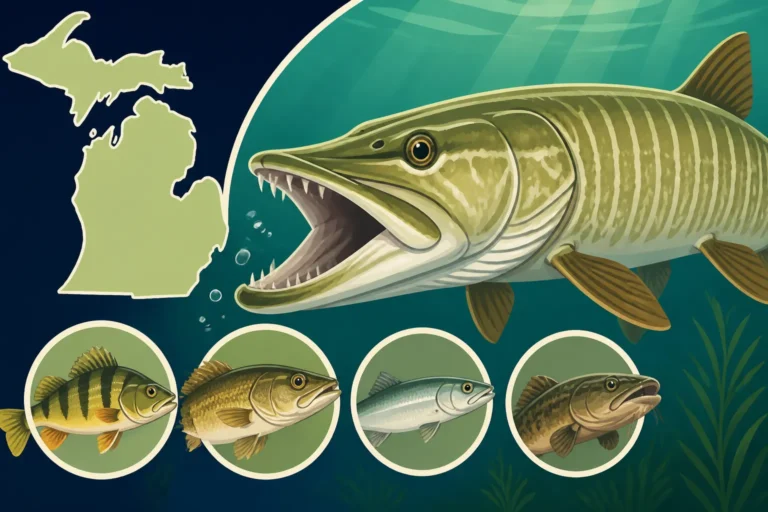
Yellow perch are a cornerstone of many freshwater ecosystems, serving as both predator and prey. They're a favorite target for anglers, and without proper management, their populations could easily be overfished, leading to a decline that impacts the entire food web. Specific limits are put in place to ensure sustainability. Factors like spawning success, juvenile survival rates, the presence of predators (like walleye or muskellunge), and even the forage base available to them all play a role. If a lake's perch population is struggling, limits might be tighter. Conversely, if there's a robust, healthy population that can withstand more angler pressure, limits might be more generous. It's a delicate balance that the DNR constantly monitors through surveys and data collection. The idea is to allow anglers to enjoy their sport today without compromising the fishing opportunities for tomorrow.
General Statewide Yellow Perch Limits and Lake St. Clair's Distinction
Across much of Michigan, the general statewide daily possession limit for yellow perch is fairly straightforward. However, Lake St. Clair is a unique beast. It's not just another inland lake; it's a massive, shallow, incredibly productive body of water that acts as a vital link between Lake Huron and Lake Erie. Its ecosystem is complex, and it receives immense fishing pressure from both Michigan and Ontario, Canada. Because of these unique characteristics—its immense productivity, high angler traffic, and international boundary—Lake St. Clair often operates under special regulations that diverge from Michigan's general statewide rules. This is why it's so critical to specifically check the regulations for Lake St. Clair, rather than assuming the statewide rule applies. Ignoring these distinctions can lead to citations, which nobody wants when they're out enjoying the water. For a general overview of all the rules, checking out Michigan Fishing Regulations Every Angler Should Know is always a smart first step.
The Specifics: Yellow Perch Limit on Lake St. Clair
Alright, let's get down to brass tacks. You're on Lake St. Clair, the perch are biting, and you want to make sure you're legally filling your cooler. This is where precision matters, and understanding the specific rules for this body of water is paramount.
The Current Daily Possession Limit for Lake St. Clair
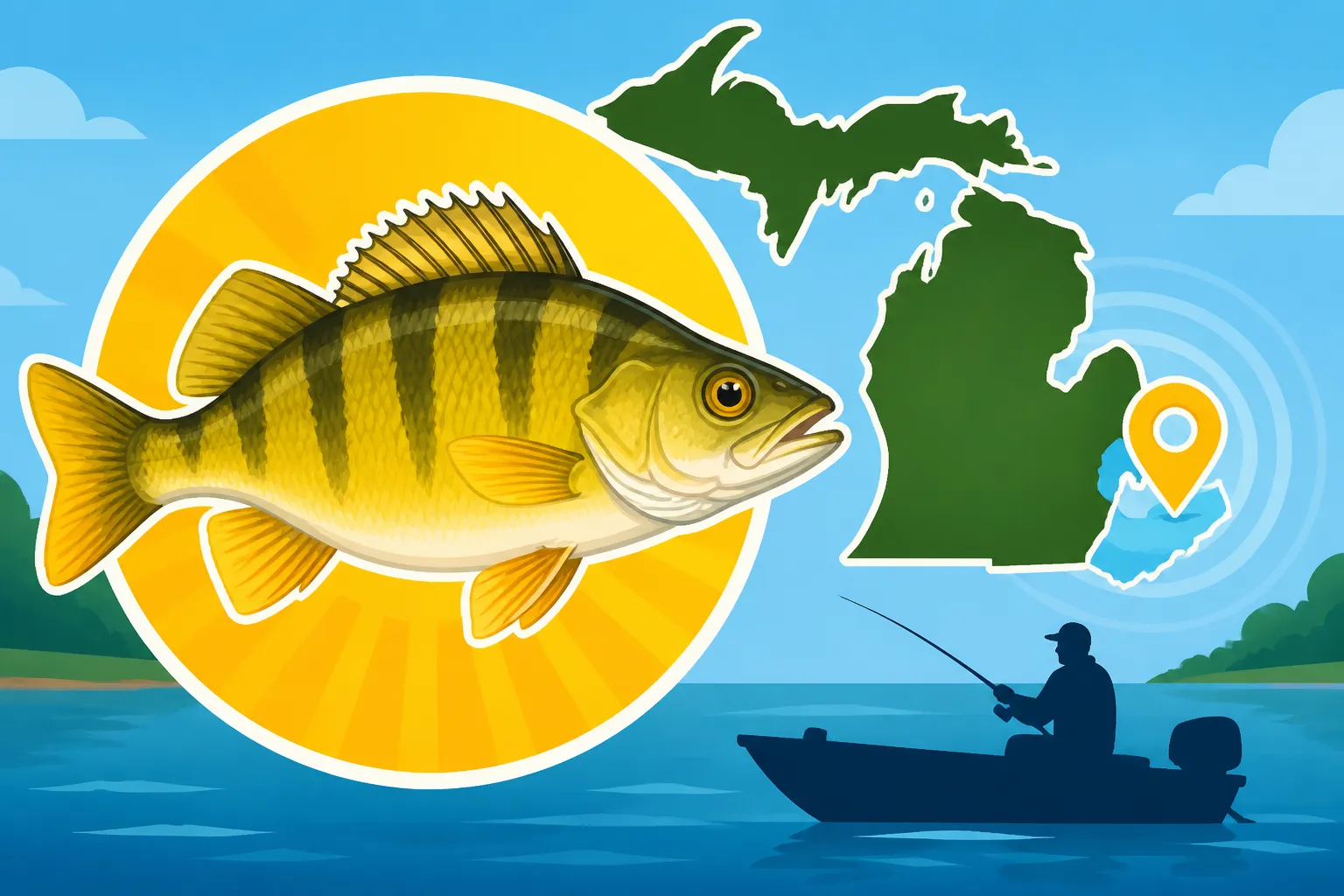
The daily possession limit for yellow perch on Lake St. Clair (including the St. Clair River and the Detroit River) is 25 fish per angler. This is a specific regulation for this particular Great Lakes connecting water and is different from many other waters in the state. What does "possession limit" truly mean? It means the total number of fish of a particular species that an individual angler can have on their person, in their cooler, in their vehicle, or at their temporary lodging (like a cabin or hotel room) at any given time, regardless of when or where they were caught.
Let's break that down with a couple of real-life scenarios:
- On the water: If you're out fishing all day, you cannot have more than 25 yellow perch in your livewell or cooler on the boat.
- After fishing: When you leave the boat launch and head home, you cannot have more than 25 yellow perch in your car.
- Multi-day trips: If you're staying at a cottage on Lake St. Clair for a long weekend and fish Friday, Saturday, and Sunday, you still cannot have more than 25 yellow perch in your possession at the cottage at any one time, unless they are preserved in a way that renders them no longer identifiable (e.g., filleted and frozen, with proper skin patch for identification if required, though for perch, usually not necessary unless regulations specify). This means if you catch 25 on Friday and want to fish Saturday, you'd need to consume or give away the Friday catch before heading out again if you plan to catch more than 25 total. It's not 25 per day of fishing if you're accumulating them.
This possession limit helps prevent stockpiling fish over multiple days and ensures that the pressure on the perch population remains manageable. Always verify this limit with the most recent Michigan Fishing Guide, which you can usually find at bait shops or even order a physical copy online, perhaps from Amazon, if you prefer a tangible reference.
Why Lake St. Clair Has a Different Perch Limit
Lake St. Clair is truly exceptional, and its distinct yellow perch limit is a direct reflection of its unique ecology and immense popularity. Here's a look at some key reasons:
- Exceptional Productivity: Lake St. Clair is a relatively shallow lake, which means sunlight penetrates deeply, fueling a robust growth of aquatic vegetation and a rich food web. This creates an incredibly productive environment for baitfish and, consequently, for species like yellow perch, smallmouth bass, and muskellunge. The sheer abundance of forage allows perch populations to thrive and rebound quickly, often supporting a higher harvest rate than less productive lakes.
- Angler Pressure: Being so close to major metropolitan areas like Detroit and Windsor, Ontario, Lake St. Clair experiences immense recreational fishing pressure. Thousands of anglers target yellow perch year-round, from open water in summer to ice fishing in winter. The specific 25-fish limit is designed to spread the harvest among a larger number of anglers while still allowing for a good take-home meal.
- International Waters: Lake St. Clair is a transboundary water shared by the United States (Michigan) and Canada (Ontario). While each jurisdiction sets its own regulations, there's often a degree of collaboration and shared understanding of population dynamics. The perch populations don't recognize imaginary lines on the water, so managing them effectively requires a comprehensive approach.
- Natural Cycles and Forage: The health of Lake St. Clair's yellow perch population is also tied to other species. For instance, the smallmouth bass fishery is world-class here, and bass are known predators of juvenile perch. The abundance of zebra and quagga mussels has also impacted the clarity of the water and the food web, which in turn influences perch dynamics. The 25-fish limit is a dynamic tool used by fisheries managers to respond to these complex interplays. Understanding these factors helps us appreciate why certain limits, like those for perch, may vary from Michigan Daily Bag Limits by Species in other parts of the state.
Practical Implications for Anglers on Lake St. Clair
Knowing the rules is one thing, but applying them practically on the water can sometimes be another challenge. As a seasoned angler, I've seen my share of confused faces and unintentional mistakes. Let's make sure you're not one of them!
Ensuring Compliance and Avoiding Common Mistakes
The 25-fish yellow perch limit on Lake St. Clair is quite generous, but it's still crucial to stay within the boundaries. Here are some tips to ensure you're always compliant:
- Count as You Go: Don't wait until you're back at the dock to count your catch. Keep a running tally throughout the day. A simple clicker counter, often found in fishing tackle sections or online at Amazon, can be a lifesaver, especially when the bite is hot.
- Be Mindful of Boat Limits: If you're fishing with friends or family on a boat, each licensed angler has their own 25-perch limit. However, the total number of fish on board shouldn't exceed the combined individual limits. For example, if two licensed anglers are fishing, they can collectively have up to 50 perch on the boat.
- Consult the Current Digest: Always, always, always carry a copy of the most recent Michigan Fishing Guide (the digest) with you. Regulations can change, and having the official document on hand is your best defense against misunderstandings. You can often pick one up at any licensed bait shop or sporting goods store when you buy your Michigan Fishing License Guide for Residents and Nonresidents. Reading the Michigan Fishing Regulations Digest is an essential habit for any responsible angler.
- When in Doubt, Release: If you're nearing your limit and aren't sure if a fish will meet legal size requirements (though for perch, size limits are less common than bag limits, it's still good practice), or if you simply don't need more fish, practice careful catch-and-release.
- Understand "Retained" Fish: Once a fish is in your livewell or cooler, it's generally considered "retained" and counts towards your possession limit. Be intentional about what you keep.
Equipment and Strategies for Responsible Perch Fishing
Catching yellow perch on Lake St. Clair is a blast, but being a responsible angler means more than just adhering to the limits. It also means using appropriate gear and techniques, especially when you might be releasing fish.
- Hook Selection: Smaller hooks (e.g., #6 or #8 Aberdeen hooks) are often best for perch. They fit easily into their mouths and tend to result in fewer deep hook-sets, making catch-and-release much easier if you're trying to selectively harvest or simply don't need to keep a fish.
- Appropriate Bait and Lures: While live minnows are a classic, artificial baits like small jigs, soft plastics, or spoons can also be incredibly effective. Consider using barbless hooks if you plan on releasing many fish, as they inflict less damage. For more on what to use, check out Best Bait for Perch.
- Careful Handling: If you're releasing perch, handle them gently. Wet your hands before touching the fish to protect their slime coat, and try to keep them in the water as much as possible. Remove the hook quickly and safely.
- Sustainable Practices: The 25-fish limit allows for a bountiful harvest, but consider only keeping what you will realistically eat or share. Even within legal limits, practicing self-restraint helps maintain healthy populations for everyone. Remember, this applies to all seasons, so if you're thinking about Michigan Ice Fishing Guide on St. Clair, the same limits and responsible practices apply.
The Broader Impact of Perch Limits
These regulations aren't just arbitrary rules; they are carefully considered measures that play a critical role in the long-term health of our fisheries. When anglers respect and adhere to these limits, they become active participants in conservation. This collective effort ensures that future generations will also have the opportunity to experience the joy of catching a mess of tasty yellow perch on Lake St. Clair. It also helps fund the very management efforts that make this possible, as revenue from licenses (like those you can get through Can You Buy a Michigan Fishing License on the DNR Hunt Fish App?) supports the DNR's work. By following the rules, you're contributing to a sustainable legacy for Michigan's waters.
Frequently Asked Questions About Lake St. Clair Perch Fishing
Even after diving deep into the regulations, it's normal to have lingering questions, especially when dealing with such a dynamic and popular fishery like Lake St. Clair. Here are some common queries I hear from fellow anglers.
Does the Limit Apply to Ice Fishing?
Yes, absolutely! Whether you're dropping a line through a hole in the ice in the dead of winter or casting from a boat on a warm summer day, the 25-fish daily possession limit for yellow perch on Lake St. Clair remains the same. Michigan's fishing regulations generally apply regardless of the season or the method of fishing unless specifically stated otherwise. Ice fishing can be incredibly productive for perch on Lake St. Clair, and it's easy to get carried away when the bite is hot. Just like in open water, keep a running count of your retained fish to avoid exceeding the limit. Always check the current Michigan Fishing Season Dates and Rules for any seasonal nuances, but the perch bag limit for Lake St. Clair is a consistent rule.
What About Fishing on the St. Clair River or Detroit River?
This is an excellent question and one that often causes confusion. The good news is that for yellow perch, the 25-fish daily possession limit that applies to Lake St. Clair also extends to its connecting waterways: the St. Clair River and the Detroit River. These rivers are integral parts of the same ecosystem, and fish move freely between them and the lake. Therefore, for continuity and effective management, the perch regulations are consistent across these specific waters. So, whether you're jigging for perch near the mouth of the Belle River on the St. Clair River, or dropping a line in the Detroit River, the same 25-fish rule applies. For more specific details on those areas, you might want to look into Michigan Yellow Perch Limit on the St. Clair River.
Where Can I Find the Official Regulations?
Finding the most up-to-date and official regulations is paramount. While this guide provides a clear overview, the official word always comes from the Michigan Department of Natural Resources (DNR). Here's where you can find it:
- Michigan DNR Website: The DNR website is the most current source. They usually have a dedicated fishing section where you can download the annual fishing guide (digest) as a PDF or browse regulations by species and water body. It's often updated with any mid-season changes.
- Printed Fishing Digest: Most bait shops, sporting goods stores, and many DNR customer service centers carry free printed copies of the annual Michigan Fishing Guide. These are invaluable to have in your tackle box or boat.
- DNR Hunt Fish App: The Michigan DNR offers a mobile app (often available on various app stores, and easy to find with a quick search on your mobile device's app store or via a web search) that allows you to purchase licenses, submit harvest reports (for certain species like muskellunge), and often access the regulations digitally. It's a handy tool for any angler. You can often find accessories for your phone or tablet to protect it while on the water, or even a waterproof case, online at Amazon.
- Local Bait Shops: Beyond providing bait and tackle, local bait shop owners and staff are often incredibly knowledgeable about the specific regulations for their area. Don't hesitate to ask them for clarification when you stop in for supplies.
Always make it a habit to check the current regulations before heading out, as they can sometimes change from year to year to reflect shifts in fish populations or environmental conditions.
| Body of Water | Species | Daily Possession Limit | Notes |
|---|---|---|---|
| Lake St. Clair | Yellow Perch | 25 Fish | Includes St. Clair River and Detroit River |
| Other Michigan Inland Waters | Yellow Perch | Varies (often higher) | Always check specific lake/river regulations in the digest. |
| Michigan Great Lakes | Yellow Perch | 25 Fish | Specific to many Great Lakes waters, but exceptions exist. |
| Boundary Waters | Yellow Perch | US/Canadian rules | Can be complex, always confirm both sides. |
| General Statewide | Yellow Perch | Varies | Lake St. Clair is a common exception to general rules. |
This table provides a snapshot, but remember, the official Michigan Fishing Guide is your ultimate source for the most accurate and current information. Don't risk a fine or, worse, impacting the fishery by relying on old information or hearsay! Happy fishing, and tight lines on Lake St. Clair!
Disclaimer
This article is for general informational purposes only and does not constitute professional advice. Laws, prices and regulations vary by location and change over time. Consult a qualified professional for guidance on your specific situation.