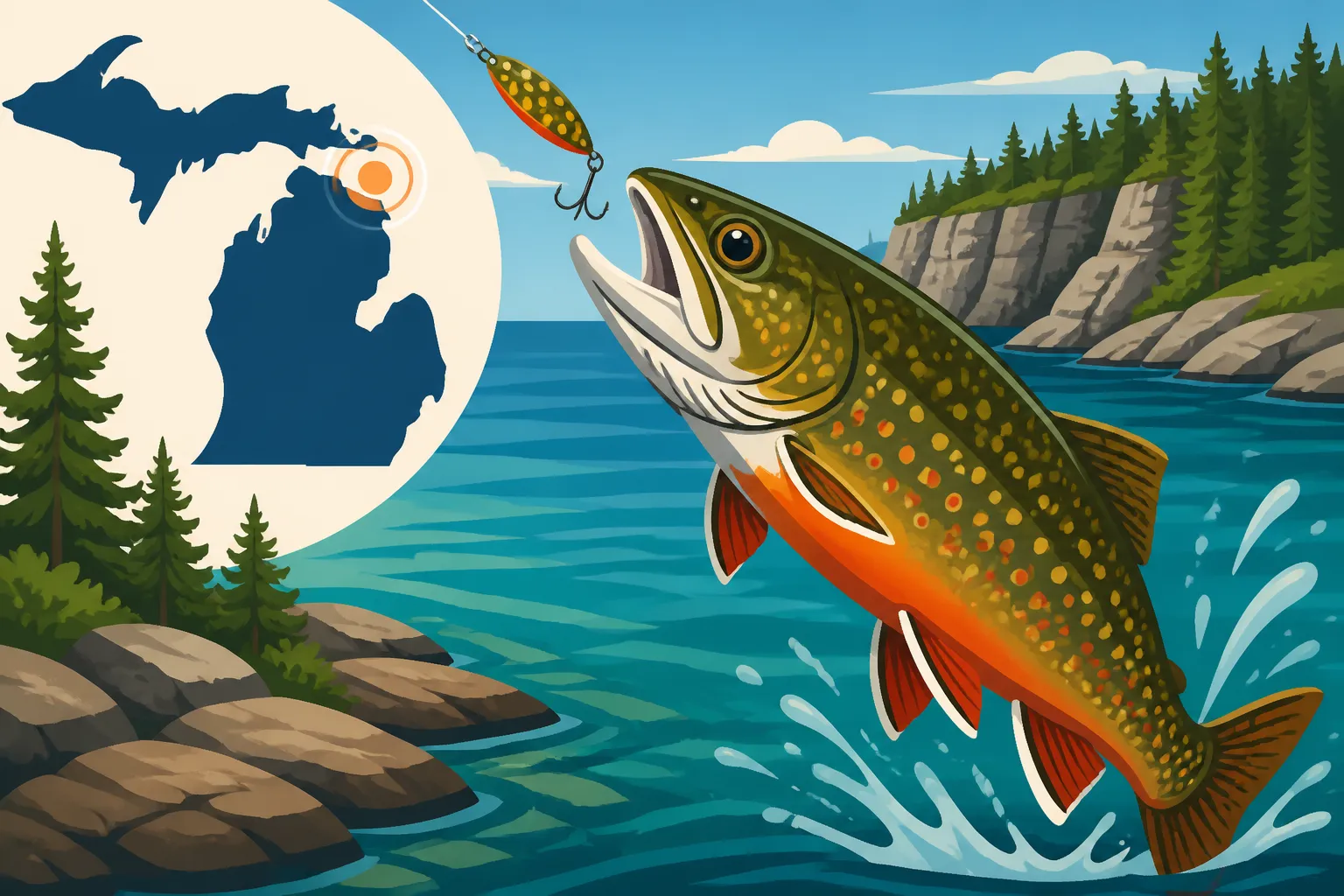
Best Spots for Brook Trout on Lake Superior
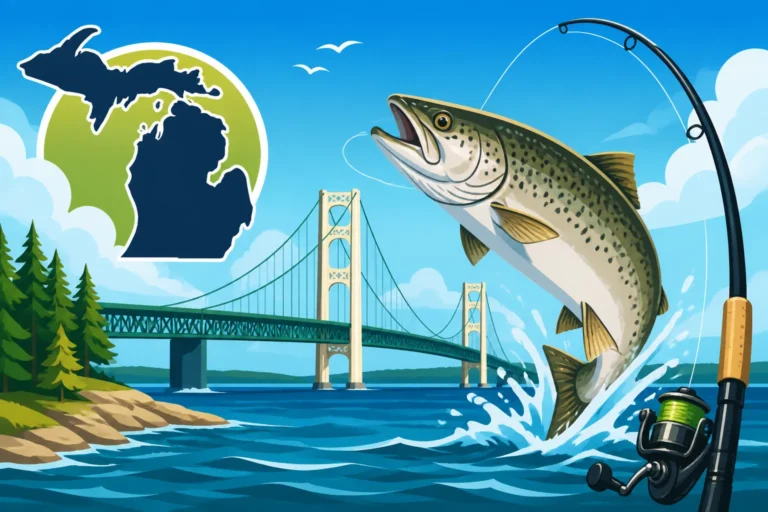
There’s nothing quite like the dream of hooking into a wild brook trout, especially one that has spent time foraging in the vast, cold expanse of Lake Superior. Many anglers imagine these beautifully colored fish in tranquil inland streams, but the Great Lake itself holds a special, often elusive, population. The challenge, however, isn't just about the vastness of Superior; it's knowing where these magnificent fish decide to call home or visit at certain times of the year. This comprehensive guide will peel back the layers, offering you detailed insights into the best spots, techniques, and preparation needed to pursue these incredible Lake Superior brook trout.
Understanding Lake Superior's Brook Trout Fishery
The brook trout, Salvelinus fontinalis, is a native char species, and in Lake Superior, it takes on a particularly vibrant, powerful form. Unlike many stocked brook trout found in smaller, more accessible waters, those inhabiting or migrating into Lake Superior possess a wild, untamed spirit that makes them a prize for any angler.
The Unique Allure of Lake Superior Brook Trout
What makes these particular brook trout so special? First off, their size can be genuinely impressive. While not all will be giants, the abundant food sources and cold, oxygen-rich waters of Lake Superior allow them to grow larger than their inland counterparts. Anglers often report catching brook trout in the 15-20 inch range, with some specimens exceeding that. Imagine the thrill of seeing those vivid red spots and worm-like markings, known as vermiculation, against a deep green back, flashing under the clear waters of the largest freshwater lake in the world.
Beyond their size and stunning aesthetics, there's the wildness. Many of the brook trout found along Lake Superior's shorelines and in its tributaries are native, self-sustaining populations, a testament to the pristine nature of these northern Michigan waters. The pursuit of these fish feels less like a casual outing and more like an expedition into genuine wilderness, connecting you to a truly wild resource. If you're keen to learn more about identifying these beautiful fish, our guide on Lake Superior Brook Trout Identification and Size provides an in-depth look.
Brook Trout Habitat and Behavior in the Big Lake
To successfully target Lake Superior brook trout, you first need to think like one. These fish are creatures of habit and specific environmental preferences. They absolutely thrive in cold, clear water, which Lake Superior provides in abundance. However, they're not just swimming aimlessly in the middle of the lake. Instead, they typically hug the shorelines, especially areas where cooler, oxygenated water from tributaries flows into the big lake.
Look for rocky points, breakwaters, submerged structure, and the mouths of rivers and streams. These areas offer shelter, ambush points for prey, and a consistent supply of their preferred water conditions. During warmer months, they might move a bit deeper to find colder temperatures, but they rarely venture too far from the protective cover and food sources found near the coast. Their diet often consists of smaller baitfish, aquatic insects, and crustaceans, so understanding these food sources can give you a significant edge in lure and bait selection.
Seasonal Movements and Best Times to Target
Understanding the seasonal patterns of Lake Superior brook trout is paramount to a successful trip. These fish are definitely migratory, responding to water temperatures, spawning urges, and food availability.
Spring, particularly from late April through June, is an exceptional time. As the ice recedes and tributary streams begin to warm slightly, brook trout that have spent the winter in deeper lake waters or river systems start to move closer to shore and into the river mouths. This is often driven by feeding opportunities as insects hatch and baitfish become more active in the shallower, warmer nearshore areas. Fishing the transition zones where rivers meet the lake can be incredibly productive.
As summer progresses and the shallower nearshore waters warm up significantly, the brook trout will retreat to deeper, colder sections of the lake or push further up into the cold headwaters of tributary streams. Targeting them from shore becomes more challenging during this period, often requiring boats and downriggers to reach those deeper, cooler thermoclines.
Fall, from September through October, offers another fantastic window of opportunity, often considered the prime season by many dedicated anglers. This is when the brook trout begin their pre-spawn migrations. They become highly active, feeding aggressively to build energy reserves before moving into their natal streams to spawn. The cooler lake temperatures make them more comfortable in shallower waters, and they'll often be found staging near river mouths. This is a great time to be on the water, soaking in the beautiful autumn colors while pursuing these magnificent fish. For more on when to plan your trip, check out our guide on Best Time of Year to Fish in Michigan.
Prime Lake Superior Locations for Brook Trout
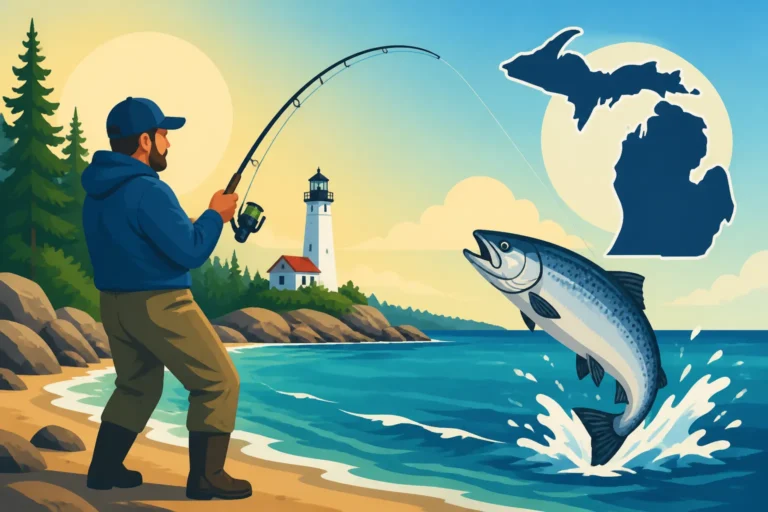
Michigan's Upper Peninsula offers some truly spectacular, rugged landscapes perfect for brook trout. When it comes to Lake Superior, certain regions consistently stand out as prime real estate for these elusive char.
The Keweenaw Peninsula: A Brook Trout Hotbed
If you're serious about pursuing Lake Superior brook trout, the Keweenaw Peninsula should be high on your list. This geological formation juts out into Lake Superior, creating an abundance of rocky shorelines, sheltered bays, and countless small, cold streams that tumble directly into the lake. The remote, wild nature of the Keweenaw makes it an ideal habitat.
Towns like Copper Harbor and Eagle Harbor, while charming tourist destinations, are also fantastic launching points for anglers. The numerous small, unnamed creeks and rivers along M-26 and US-41 that empty into Lake Superior are often key areas. While some of these streams are tiny, they provide the cold, clear water and gravel beds that brook trout absolutely depend on for spawning and foraging. Shore anglers can find success casting spoons or spinners near these river mouths, particularly in spring and fall. For those with access to a boat or kayak, exploring the rocky points and hidden coves around Bete Grise Bay or near McLain State Park can reveal excellent opportunities. Always remember that accessing some of these prime spots might require a bit of a hike, so come prepared with sturdy boots and an adventurous spirit.
Eastern Upper Peninsula Rivers and Nearshore Waters
Moving eastward along Lake Superior's southern shore, the landscape shifts slightly but the brook trout opportunities remain strong. While perhaps less rocky than the Keweenaw, this region boasts larger, more famous rivers that contribute significantly to the Lake Superior fishery. The Two Hearted River, for example, immortalized by Ernest Hemingway, is renowned for its wild trout populations, including brook trout that migrate between the river and Lake Superior. Accessing these larger rivers offers a different experience, often involving wading or drift boating.
Beyond the famous rivers, many smaller, less-known streams and nearshore areas contribute to the fishery. Think about the areas around Grand Marais, where numerous small drainage creeks flow into the lake, or the more remote stretches of shoreline within the Pictured Rocks National Lakeshore, though fishing regulations within the park itself should be carefully consulted. The bays and points here, particularly during cooler seasons, can hold impressive brook trout. When planning a trip to the Upper Peninsula, be sure to check out our broader guide on Michigan's Upper Peninsula Fishing Spots Guide for a comprehensive overview of the region's angling potential.
Isle Royale National Park: Remote and Rewarding Opportunities
For the truly adventurous angler seeking an unparalleled wilderness experience, Isle Royale National Park offers some of the most remote and pristine brook trout fishing opportunities in Michigan. This isolated island archipelago, located in the middle of Lake Superior, is accessible only by ferry, float plane, or private boat, adding to its mystique and challenging nature.
The park boasts numerous inland lakes and streams that hold native brook trout populations, many of which are completely unpressured. While specific fishing is often done in the inland waters of the island, the nearshore waters of Lake Superior surrounding Isle Royale also provide outstanding opportunities, especially in its many bays and harbors. Imagine casting to colorful brook trout with moose grazing on the shoreline in the background – it's an experience unlike any other. However, a trip to Isle Royale requires meticulous planning, self-sufficiency, and a deep respect for wilderness ethics. You'll need to carry in all your gear, including lightweight fishing tackle suitable for backpacking and potentially small, inflatable craft for reaching remote spots. Before you embark on such an adventure, thoroughly research park regulations, permits, and transportation options.
| Location Category | Primary Access | Best Seasons | Typical Fishing Methods | Key Species Targeted (Beyond Brook Trout) | Notes |
|---|---|---|---|---|---|
| Keweenaw Peninsula | Shore, Kayak, Small Boat | Spring, Fall | Casting, Fly Fishing | Coho Salmon, Lake Trout, Steelhead | Numerous small tributaries, rugged shorelines. |
| Eastern UP River Mouths | Wading, Drift Boat | Spring, Fall | Fly Fishing, Spin Casting | Steelhead, Chinook Salmon, Brown Trout | Larger rivers like the Two Hearted. |
| Isle Royale Nearshore | Private Boat, Kayak | Summer (deep), Fall | Trolling, Casting | Lake Trout, Splake, Northern Pike | Remote, wilderness experience, requires planning. |
Essential Gear and Techniques for Lake Superior Brook Trout
Successfully targeting Lake Superior brook trout often comes down to the right gear and a thoughtful approach. These fish, especially the wild ones, can be quite wary, and the vastness of Superior demands gear that can handle both the environment and the fight of a strong char.
Choosing the Right Tackle: Light and Stealthy
For most situations, whether you're casting from shore or a small boat into a river mouth, a light to medium-light spinning setup is ideal. A 6'6" to 7' fast-action rod paired with a 1000-2500 series spinning reel will give you the sensitivity to feel subtle bites and the backbone to handle larger fish if they decide to strike. When it comes to line, 4-6 pound test monofilament or fluorocarbon is a good starting point. Some anglers prefer a braided main line with a fluorocarbon leader for added sensitivity and abrasion resistance, especially around rocky areas.
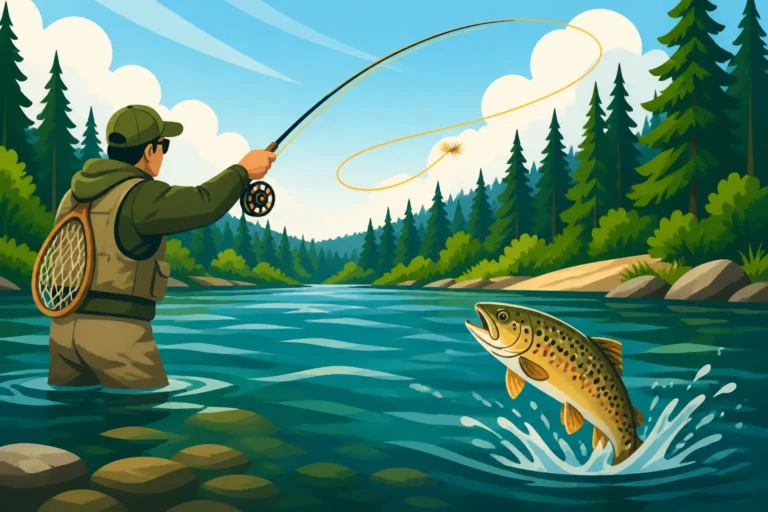
As for lures, variety is key. Small inline spinners like Mepps Aglia or Panther Martin in sizes #0-2 are perennial favorites. Spoons, such as Little Cleos or Kastmasters, in silver, gold, or brass finishes, are also highly effective, particularly when brook trout are feeding on baitfish. Small jerkbaits or stickbaits can also entice a strike. If you're planning to fly fish, a 4-6 weight rod with a floating line and an assortment of wet flies, nymphs, and streamers mimicking local insect life or small baitfish will serve you well. For additional inspiration on suitable gear, consider looking at recommendations from our guide on Essential Gear for Michigan Steelhead Fishing, as many principles apply to strong, cold-water trout.
Effective Fishing Techniques for Shore and Boat
Your technique will largely depend on where you're fishing. When targeting river mouths from shore, casting parallel to the shoreline or into the current seams where the river meets the lake can be very effective. Work your lures slowly, varying your retrieve to mimic injured baitfish or natural prey. Stealth is crucial; approaching quietly and making long casts can prevent spooking these sensitive fish.
From a boat or kayak, you have the advantage of covering more water. Trolling small spoons or stickbaits behind the boat, particularly at dawn or dusk, can be incredibly productive, especially if you're exploring new areas or suspect fish are holding deeper. If you're anchored near a promising structure, casting towards it and letting your lure drift naturally can also work wonders. For those who enjoy fly fishing, wading into the clear waters near river mouths, when conditions allow, and presenting flies to visible fish or likely holding lies can be an immensely rewarding experience. Remember, Lake Superior can be unpredictable, so always prioritize safety, especially in smaller craft.
Conservation and Catch-and-Release Practices
Lake Superior brook trout are a precious resource, and practicing responsible angling is vital for maintaining healthy populations. Many anglers choose to practice catch-and-release, especially for the larger, older fish that contribute significantly to the gene pool. If you do plan to keep fish, always be aware of the specific What Is the Size Limit for Lake Superior Brook Trout and Michigan Daily Bag Limits by Species in effect, as these can vary by water body and time of year.
When practicing catch-and-release, handle the fish as little as possible. Use wet hands to avoid removing their protective slime coat, and cradle them gently. If a fish is deeply hooked, cut the line as close to the hook as possible rather than trying to rip it out. Always revive the fish in the water, holding it gently until it can swim away under its own power. These simple practices ensure that future generations of anglers can also experience the thrill of pursuing Lake Superior's magnificent brook trout.
Planning Your Lake Superior Brook Trout Expedition
A successful fishing trip, especially to a majestic and wild place like Lake Superior, hinges on good planning. From understanding the rules to ensuring your safety, a little preparation goes a long way.
Navigating Regulations and Licensing
Before you even think about casting a line, you need to ensure you're legally prepared. All anglers 17 years of age and older need a valid Michigan fishing license to fish in Lake Superior waters. These licenses fund critical conservation efforts, so it's not just a requirement, it's a contribution to the health of the fishery. You can easily purchase a license online through the Michigan DNR website, or at many sporting goods stores and bait shops across the state. For comprehensive details on purchasing and understanding the different types of licenses available, our guides like Michigan Fishing License Guide for Residents and Nonresidents and Michigan Fishing Regulations Every Angler Should Know are invaluable resources. Be sure to carry your license with you while fishing, either physically or digitally on your phone via the DNR's mobile app.
Beyond the general license, it's crucial to consult the most current Michigan fishing regulations digest for any specific rules pertaining to Lake Superior or its tributaries, particularly regarding special trout regulations, tackle restrictions, or possession limits. These can change annually, so staying informed is key.
Finding Guided Trips and Local Expertise
The sheer size and complexity of Lake Superior can be daunting for newcomers. If you're not intimately familiar with the area, or if you simply want to maximize your chances of success and learn from a seasoned professional, booking a local fishing guide can be an incredibly smart move. These guides spend countless hours on the water, tracking fish movements, understanding patterns, and knowing the productive spots that might take years for an individual angler to discover.
Platforms like FishingBooker are excellent resources for finding experienced charters and guides who specialize in Lake Superior trout fishing. You can browse various options, read reviews from other anglers, and book directly, often with all the necessary gear provided. A good guide can teach you specific techniques, help you navigate the challenging waters, and put you on fish much more efficiently than going it alone. Even if you're an experienced angler, a guided trip can provide invaluable local knowledge and insights into this unique fishery. Consider reaching out to local bait shops or fishing forums for recommendations as well; the Michigan angling community is generally very welcoming and helpful. If you’re planning a multi-day adventure, FishingBooker can help you arrange multiple outings with different experts. Booking a guide through FishingBooker ensures you get a vetted professional.
Safety Considerations on the Great Lakes
Lake Superior is beautiful, but it's also incredibly powerful and can be unforgiving. Safety must always be your top priority. The weather can change rapidly, with calm waters turning into dangerous swells in a matter of minutes. Always check the marine forecast before heading out, and be prepared to cut your trip short if conditions deteriorate.
Cold water is another major hazard, even in summer. Hypothermia is a serious risk if you capsize or fall in. Always wear a Coast Guard-approved personal flotation device (PFD), and dress in layers of synthetic or wool clothing, even under waders, as cotton loses its insulating properties when wet. If you're heading to remote areas, especially spots like Isle Royale, let someone know your float plan, including your intended route and expected return time. Carry essential safety gear, including a first-aid kit, communication devices (a marine radio for boats, or a satellite messenger for truly remote areas), extra food and water, and navigation tools. Respect the power of Lake Superior, and it will reward you with incredible fishing experiences. Don’t hesitate to use services like FishingBooker to find a guide who prioritizes safety and local knowledge.
Disclaimer
The information provided in this guide is for general informational purposes only. Fishing regulations, season dates, and license requirements in Michigan are subject to change. It is the responsibility of the angler to consult the latest Michigan Department of Natural Resources (DNR) fishing guide or website for the most current and accurate regulations before fishing. Always prioritize safety on the water and adhere to all local laws and guidelines.