What Fish Can You Catch Year-Round in Michigan
There’s nothing quite as disheartening as packing away your fishing gear for the season, knowing you'll have to wait months for the bite to pick up again. Many anglers assume Michigan fishing is a strictly seasonal affair, with closed seasons and limited opportunities, especially once winter sets in or after specific spawns. But the truth is, Michigan offers fantastic year-round fishing opportunities for a surprising variety of species if you know where to look and what to target. This guide is all about helping you discover the joy of fishing almost any day of the year in the Great Lakes State, breaking down which fish are always open for the taking and how to adapt your strategy.
Understanding Michigan's Year-Round Fishing Opportunities
When people talk about fishing seasons, they often think about specific opening and closing dates for popular species like walleye or certain trout on inland streams. However, Michigan's vast and diverse aquatic ecosystems, especially the Great Lakes and certain interconnected waters, provide a continuous playground for anglers. It's not just about one or two obscure species; a significant portion of the fish population is fair game throughout the calendar. This continuous access is a huge part of what makes Michigan such a fantastic place to live and fish, whether you're breaking ice or casting from a summer pier.
The Great Lakes Advantage
Our magnificent Great Lakes – Superior, Michigan, Huron, and Erie – are game-changers when it comes to year-round fishing. Unlike many inland lakes and rivers that have strict seasonal closures, the sheer size, depth, and stable ecosystems of the Great Lakes often mean a year-round open season for many species. This is particularly true for trout and salmon. While you might target them differently depending on the month – trolling offshore in summer versus casting from a pier in late fall or early spring – the opportunity is almost always there. This continuous access is a blessing for dedicated anglers who crave the thrill of a big fish whenever they can get out. Understanding Michigan's Great Lakes Fishing Guide is key to maximizing these opportunities.
The diverse environments within the Great Lakes system, from vast open waters to sheltered bays and river mouths, create micro-seasons and hot spots throughout the year. For instance, while ice fishing might be possible on the shallower bays of Lake Huron or Lake Michigan during a cold winter, open water opportunities for lake trout can still be found further offshore using specialized techniques. The sheer volume of water helps regulate temperatures and provide consistent habitats, allowing fish to thrive and be accessible even when smaller bodies of water might freeze over or become too warm.
Designated Inland Waters
While many inland waters do have specific season dates, there are also numerous "all-species, all-season" lakes and rivers. These are typically larger, deeper, or highly regulated bodies of water where the fisheries management has deemed year-round fishing sustainable for a wide array of species. It's crucial to check the Michigan Fishing Regulations Digest annually, as these designations can change, but generally, many of the bigger, well-known inland lakes and connecting rivers offer continuous opportunities. This means you don't always have to head to the Great Lakes to scratch that fishing itch in the dead of winter or the dog days of summer.
These designated inland waters are often heavily monitored and managed by the DNR to ensure healthy fish populations can withstand year-round pressure. They often include popular destinations where consistent angling pressure is expected, and the fish populations are robust. Think of large recreational lakes that host a variety of fishing events. These spots can be incredibly productive, offering a more intimate setting than the vastness of the Great Lakes, while still providing that coveted year-round access. You might find yourself jigging for panfish through the ice in February, then casting for bass on the same lake in July.
The Unrestricted Anglers: Species Without a Closed Season
Let's get down to the brass tacks: which fish can you actually pursue all year long in Michigan? The list is probably longer than you think, covering some of the most popular and enjoyable species to catch. These are the fish that don't have a designated "closed season" in most general regulations, though local exceptions and specific water body rules always apply, so it's always best to consult Michigan Fishing Regulations Every Angler Should Know for the most current rules.
Panfish Powerhouses: Bluegill, Crappie, and Perch
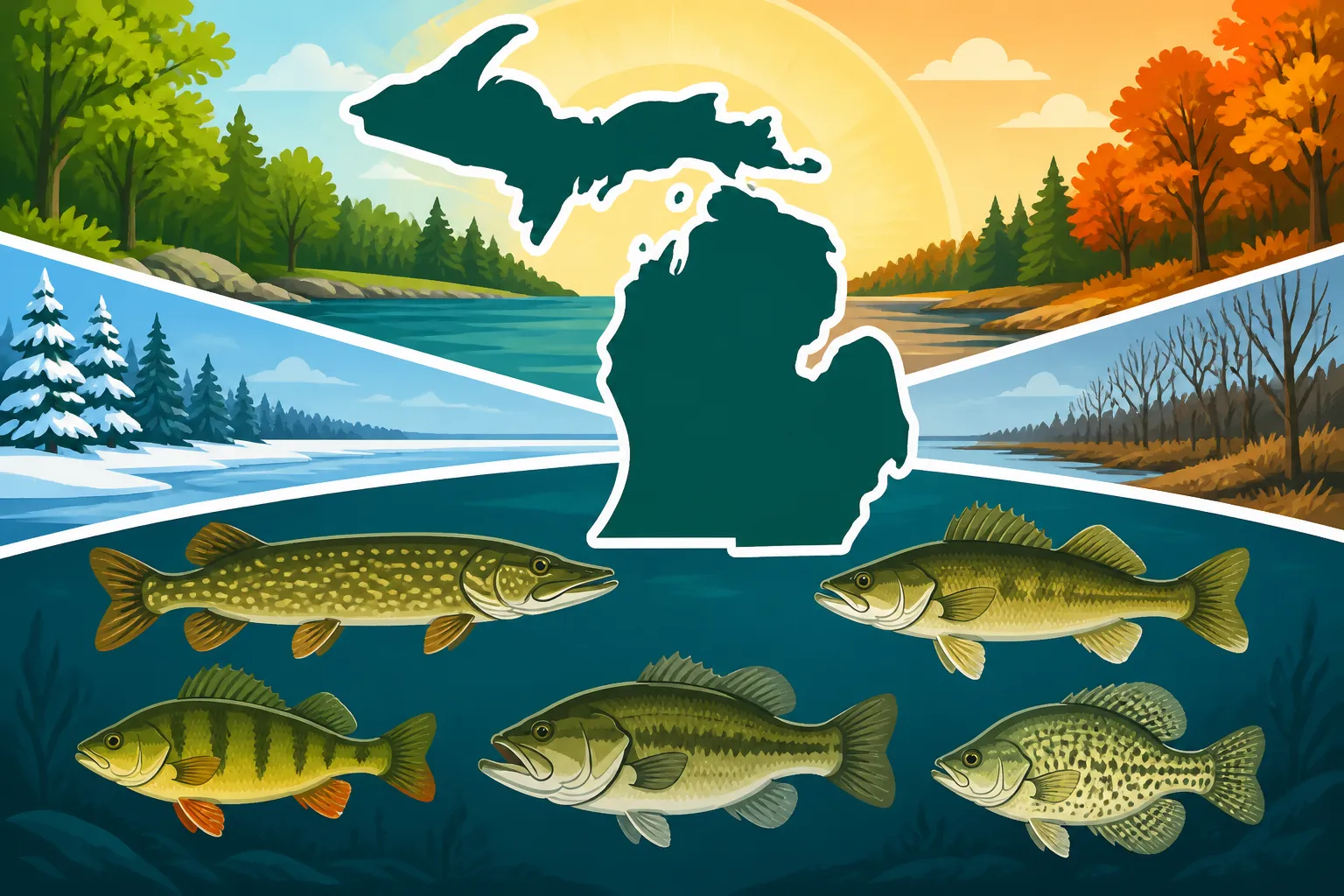
If you're looking for consistent action and delicious table fare, panfish are your year-round heroes. Bluegill, crappie (both black and white), and yellow perch are generally open for fishing throughout the entire year on most Michigan waters. These species are prolific, widespread, and relatively easy to catch, making them perfect for anglers of all skill levels, from kids to seasoned veterans. Whether it's the peak of summer or the middle of winter, you can usually find a panfish willing to bite.
- Bluegill: These feisty little fighters are a staple of Michigan fishing. In summer, you can find them congregating around weeds, docks, and submerged structures. Come winter, they're a prime target for ice anglers, often found schooling in slightly deeper water near drop-offs. A simple worm under a bobber or small ice jig tipped with a wax worm will almost always do the trick. They're incredibly accessible, and perfect for introducing new anglers to the sport.
- Crappie: Known for their papery mouths and delicious fillets, crappie are often found in schools, making for fast and furious action once you locate them. They prefer areas with submerged timber, brush piles, or weed beds. In colder months, they tend to move to deeper basin areas, often suspended over structure. Small jigs, minnows, or even tiny spoons are very effective.
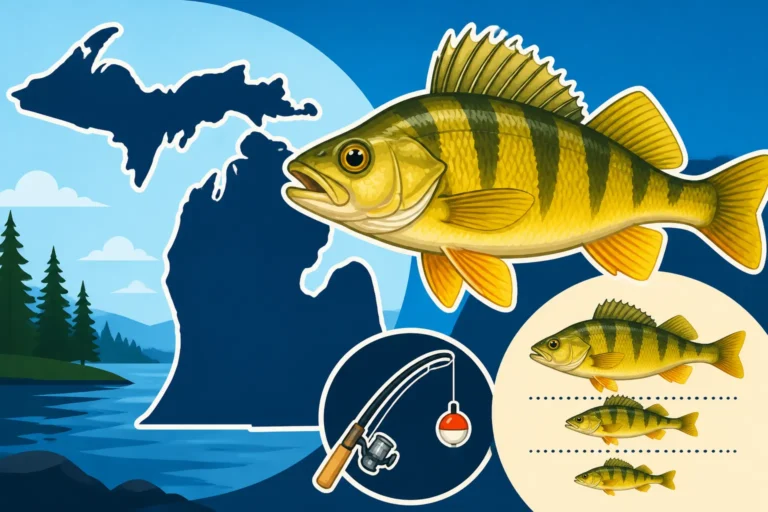
- Yellow Perch: A favorite among many Michigan anglers, yellow perch are found in both inland lakes and the Great Lakes system. They are often targeted from piers, boats, and through the ice. Perch love cooler water and can be found in large schools, making them an excellent target for consistent action. Small jigs, minnows, or a piece of nightcrawler are deadly. Learning more about Yellow Perch Fishing in Michigan can help you dial in your techniques for these tasty fish.
Aggressive Predators: Pike and Bass
While bass and northern pike might have certain seasonal restrictions on harvest in specific areas (especially for bass during their spawning period), the general fishing season for these aggressive predators is open year-round in many parts of Michigan. This means you can still legally target and catch them, often under catch-and-release rules, even when their traditional harvest seasons might be closed. Always double-check the local regulations for the specific body of water you're fishing.
- Northern Pike: These toothy predators are a blast to catch any time of year. They are ambush predators, often found lurking in weed beds, near drop-offs, or around submerged structures. They'll readily strike a variety of lures, from spinnerbaits and spoons in open water to large tip-up presentations with live bait during ice season. Pike are hardy fish and provide thrilling fights. For more in-depth information, check out Northern Pike Fishing in Michigan.
- Largemouth and Smallmouth Bass: While the traditional "opener" for bass might be in late May or early June for harvest, you can often fish for them on a catch-and-release basis year-round on many waters. Smallmouth bass, in particular, are incredibly popular on the Great Lakes and many larger inland lakes, offering fantastic action even in colder months. They are powerful fighters that will test your gear. Learning about Smallmouth Bass Fishing in Michigan will provide valuable insights into targeting these game fish. Look for crankbaits, jigs, and soft plastics for both species. Finding quality lures for various conditions on Amazon can significantly enhance your year-round bass fishing success.
Bottom Dwellers and More: Catfish, Carp, and Suckers
Often overlooked, these species provide consistent action and are almost universally open year-round for fishing in Michigan. They may not always be the glamorous targets, but they are abundant, accessible, and can provide a ton of fun, especially when other species are finicky.
- Catfish: Channel catfish and bullheads are widespread throughout Michigan's rivers and warmer lakes. They are excellent targets for night fishing, particularly during the warmer months, but can be caught year-round. They are scavenger fish and will eat almost anything, making them a great option for bait anglers using anything from cut bait to nightcrawlers or stink baits. They put up a surprising fight and can grow to impressive sizes.
- Carp: Common carp are found in almost every waterway in Michigan and are almost always open for fishing. They are powerful fighters and highly sought after by a dedicated group of carp anglers. They can be caught using corn, dough balls, or specialized carp baits. Many anglers choose to practice catch and release for carp, appreciating their fighting ability.
- Suckers: White suckers and longnose suckers are bottom feeders often found in rivers and lakes. While not always targeted specifically for sport, they are frequently caught incidentally and are open year-round. They are excellent bait for larger predators and are popular for spring spearfishing in some areas. Their availability makes them a good indicator of water health and provides a consistent target for those looking for any kind of action.
Navigating Year-Round Trout and Salmon Fishing
Trout and salmon fishing in Michigan is incredibly diverse, and while some inland trout streams have very specific seasons, the Great Lakes and many of their connecting rivers offer incredible year-round opportunities for these prized game fish. This is where Michigan truly shines for the dedicated cold-water angler.
Great Lakes Trout and Salmon: A Continuous Pursuit
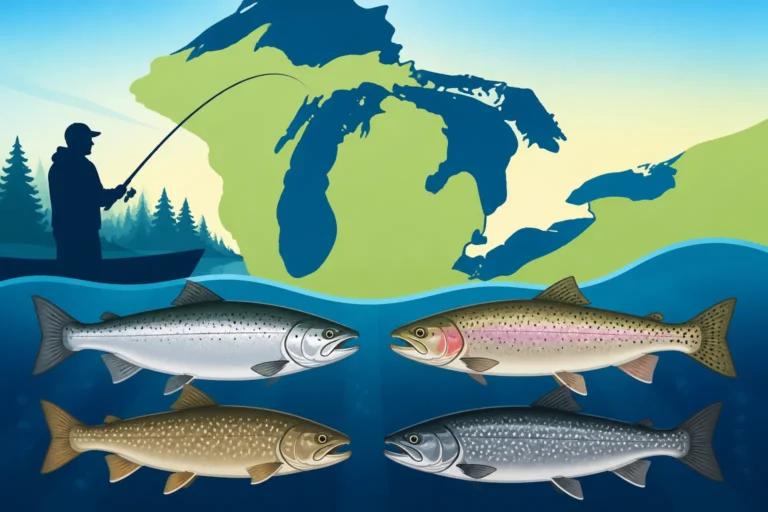
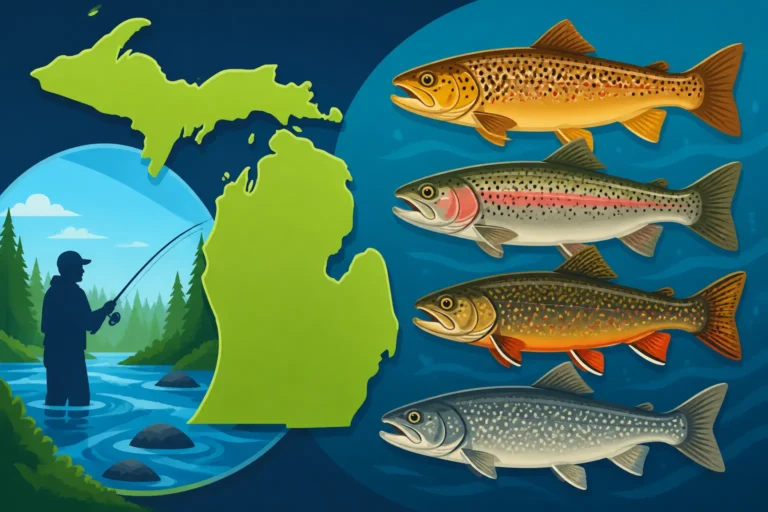
This is arguably one of Michigan's biggest draws for year-round angling. The vastness of the Great Lakes means that species like lake trout, steelhead (rainbow trout), brown trout, and even some Pacific salmon (Chinook and Coho) are available to target almost every day of the year. The key is understanding their seasonal movements and adapting your techniques. Our Michigan Salmon Species Explained and Michigan Trout Species Explained guides delve deeper into individual species.
- Lake Trout: These deep-water denizens are a year-round staple in the Great Lakes. In the dead of winter, ice anglers can target them in specific areas of the Great Lakes bays. During open water seasons, they are typically found in deeper, colder waters, often requiring downriggers and specialized trolling gear. Their incredible fighting power and impressive size make them a trophy fish any time of year.
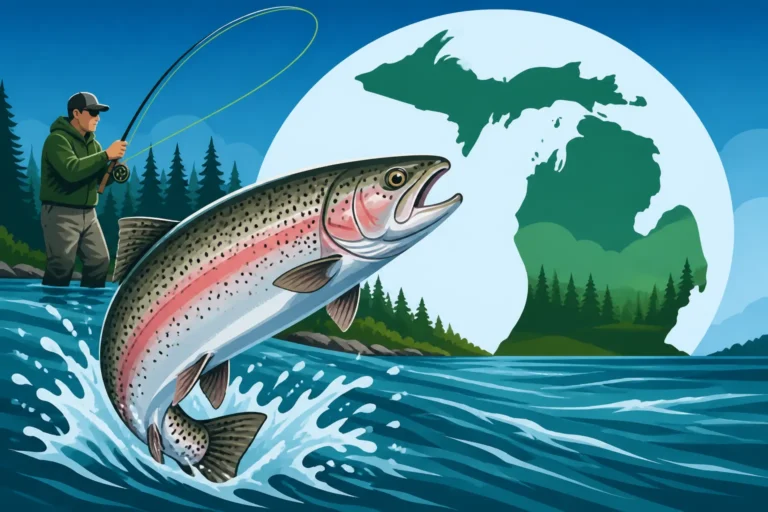
- Steelhead (Rainbow Trout): While often associated with spectacular spring and fall river runs, steelhead are also present in the Great Lakes year-round. They cruise the nearshore waters, and can be caught from piers and harbors, especially during transitional seasons. During winter, some river systems might still hold resident steelhead or have winter runs. Mastering the art of float fishing or centerpinning is essential for river-run steelhead, and you can find many specialized rods and reels for this on Amazon.
- Brown Trout: Much like steelhead, brown trout have both resident populations in the Great Lakes and run up rivers seasonally. They are known for their evasive nature and willingness to bite in cooler temperatures. They can be targeted from shore, piers, and boats year-round in Great Lakes waters, often preferring rocky structures or areas with good cover.
- Pacific Salmon (Chinook and Coho): While their most famous runs occur in late summer and fall, targeting these salmon species in the Great Lakes can extend well into the winter months in certain deeper, warmer pockets of the lake, especially for mature fish that haven't yet committed to their spawning runs. Early spring also offers opportunities for "pre-spawn" or "holdover" fish. While their primary season is more defined, dedicated Great Lakes trollers can find opportunities almost continuously. A thorough read of Michigan's Great Lakes Year-Round Trout Season confirms the continuous nature of these fisheries.
Special Regulations for Inland Trout Waters
It's important to differentiate. While the Great Lakes and their connecting river sections often have year-round trout and salmon seasons, many inland trout streams have very specific opening and closing dates, as well as gear restrictions (e.g., artificial lures only, single hook rules). These regulations are put in place to protect wild trout populations and ensure sustainable fishing. So, while you might find year-round options for brook trout on Lake Superior, you'll need to check the regulations for a small, classic Michigan trout stream like the Au Sable River very carefully before casting in January. Always consult the current Michigan Fishing Regulations Digest before heading out to any inland trout water, as ignoring these can lead to hefty fines.
Gear Up for Year-Round Success in Michigan
Having the right gear is paramount to enjoying year-round fishing in Michigan. The conditions can swing wildly from humid summer days to bitter sub-zero winter blasts, requiring adaptable and specialized equipment. Don't let a lack of proper gear limit your fishing adventures.
Essential Gear for All Seasons
Regardless of the species or the specific season, some items are always a good idea to have on hand, or at least consider. Versatility is key when you're thinking about fishing 12 months a year.
- Layered Clothing: This cannot be stressed enough. Michigan weather is notoriously fickle. Being able to add or shed layers, even in summer, is crucial. In colder months, a good base layer, a warm mid-layer, and a waterproof, windproof outer shell are non-negotiable. Checking out waterproof and insulated fishing apparel on Amazon before the season changes can save you a lot of discomfort.
- Quality Rods and Reels: Investing in a few versatile setups can carry you through the year. A medium-light spinning rod and reel combo is fantastic for panfish and smaller bass, while a medium-heavy setup is better for pike, larger bass, and even some Great Lakes salmon from shore. For specialized species, you might need specific gear, but a couple of all-arounders are a great start. Our Best Rods and Reels for Michigan Fishing guide offers some great advice.
- Tackle Selection: Don't get stuck with just warm-weather lures. Keep a diverse tackle box with options for different water temperatures and clarity. This means having small jigs for panfish, spoons and spinnerbaits for pike, soft plastics for bass, and even some bottom-fishing rigs for catfish or suckers. You can often find great bulk deals on essential tackle through online retailers like Amazon.
- Navigation and Safety: A good GPS unit (even an app on your phone with downloaded maps) is invaluable on larger lakes. Always carry safety equipment: a first-aid kit, a whistle, a charged phone, and most importantly, wear a life jacket, especially when boating in colder water.
| Fish Species | Typical Year-Round Access | Primary Habitat | Best Conditions | Common Bait/Lures |
|---|---|---|---|---|
| Bluegill | Yes | Inland lakes, ponds, slow rivers | All seasons | Worms, small jigs, crickets |
| Crappie | Yes | Inland lakes, slow rivers, brush piles | All seasons | Minnows, small jigs, tubes |
| Yellow Perch | Yes | Inland lakes, Great Lakes bays | All seasons, cooler water | Minnows, worms, small jigs |
| Northern Pike | Yes | Inland lakes, rivers, Great Lakes bays | All seasons | Spinnerbaits, spoons, live bait |
| Largemouth Bass | Yes (C&R often) | Inland lakes, heavy cover | Warmer months, catch & release in cold | Soft plastics, crankbaits |
| Smallmouth Bass | Yes (C&R often) | Great Lakes, clear inland lakes, rivers | All seasons, catch & release in cold | Jigs, crankbaits, tubes |
| Channel Catfish | Yes | Rivers, warmer lakes | All seasons, especially warm | Cut bait, worms, stink bait |
| Carp | Yes | Rivers, lakes, canals | All seasons | Corn, dough balls, boilies |
| Suckers | Yes | Rivers, lakes (bottom) | All seasons | Worms, small jigs |
| Lake Trout | Yes (Great Lakes) | Deep, cold Great Lakes water | All seasons | Trolling spoons, jigs |
| Steelhead (Rainbow) | Yes (Great Lakes & tribs) | Great Lakes, rivers (seasonal runs) | All seasons | Spawn bags, beads, flies, jigs |
| Brown Trout | Yes (Great Lakes & tribs) | Great Lakes, rivers (seasonal runs) | All seasons | Spoons, stickbaits, flies |
Adapting for Ice Fishing Opportunities
When winter truly sets in and inland lakes freeze over, your gear needs to shift dramatically to pursue those year-round species. Ice fishing is a fantastic way to extend your season and enjoy a unique angling experience. Our Michigan Ice Fishing Guide offers a comprehensive look at what you'll need.
- Ice Auger: A quality auger (manual, electric, or gas) is essential for drilling holes through thick ice. Make sure it's sharp and well-maintained.
- Shelter: While not always necessary, an ice fishing shelter provides warmth, protects from the wind, and extends your comfort level, especially on long days or in harsh conditions. Pop-up shelters are very popular for their portability.
- Warmth and Safety: Beyond layered clothing, consider portable heaters for your shelter. Always carry ice picks (worn around your neck for easy access) and a throw rope in case of an ice emergency. Check ice thickness regularly.
- Specialized Rods and Reels: Short, sensitive ice fishing rods paired with small spinning reels are perfect for jigging through the ice. Tip-ups are also crucial for targeting larger species like northern pike or walleye (when in season) over a wider area. When preparing for your ice fishing adventures, you can find a huge variety of specialized ice fishing gear, from augers to tip-ups, on Amazon.
Embracing the year-round fishing opportunities in Michigan means being prepared for anything Mother Nature throws at you and knowing where to focus your efforts. It's a journey of continuous learning and adapting, but the reward of a bending rod in every season is truly priceless.
Disclaimer
This article is for general informational purposes only and does not constitute professional advice. Laws, prices and regulations vary by location and change over time. Consult a qualified professional for guidance on your specific situation.