Why Was Coho Salmon Introduced to Michigan
Anglers in Michigan and beyond often wonder about the history behind the incredible salmon fisheries we enjoy today. It’s a fair question, especially when you consider how vital these fish are to our economy and our outdoor lifestyle. The truth is, the introduction of Coho salmon into Michigan's waters was a deliberate, strategic move born out of an ecological crisis. This comprehensive guide will explain the crucial reasons why Coho salmon were first brought to the Great Lakes and the lasting impact of that decision.
The Great Lakes Before Coho: A Troubled Ecosystem
To truly understand why Coho salmon were introduced, we need to rewind the clock to the mid-20th century. The Great Lakes, particularly Lake Michigan, were in deep trouble. What was once a pristine and productive fishery had been severely altered, leading to a precarious balance that threatened the very future of fishing in the region.
The Devastating Impact of Invasive Species
Imagine a pantry with endless food but no one to eat it, leading to a massive, unhealthy surplus. That's essentially what happened in the Great Lakes with the introduction of invasive species. The most notorious culprits were the sea lamprey and the alewife. Sea lamprey, an eel-like parasitic fish, found their way into the Great Lakes through shipping canals and quickly decimated native populations like lake trout and whitefish. These native fish, which had no natural defenses against the lamprey's sucking mouth, were literally bled dry.
With the native predators in sharp decline, another invasive species, the alewife, exploded in population. Alewives are small, silvery forage fish that reproduce rapidly and quickly overwhelmed the ecosystem. They formed massive schools, often dying off in such huge numbers that their carcasses would pile up on beaches, creating a terrible smell and an unsightly mess for residents and tourists. But beyond the nuisance, the alewife population boom also brought nutritional problems. They contain an enzyme that destroys thiamine (Vitamin B1) in fish that consume them, leading to thiamine deficiency in predators that did manage to survive and feed on them. This made it even harder for native fish populations to recover, as their offspring often suffered from swim-up syndrome and other developmental issues. It was a vicious cycle that left the lakes barren of healthy, large game fish.
Decline of Native Apex Predators
Before the invasive species took hold, the Great Lakes boasted robust populations of native apex predators like the majestic lake trout and the elusive burbot. These fish played a critical role in maintaining the health of the ecosystem by keeping forage fish populations in check. Lake trout, especially, were a cornerstone of the fishery, providing both sustenance and sport for generations.
However, a combination of factors led to their dramatic decline. Overfishing in the late 19th and early 20th centuries put immense pressure on these long-lived species. Then, the double whammy of habitat degradation and, most significantly, the unchecked predation by the invasive sea lamprey delivered a near-fatal blow. The lakes were left with a massive void at the top of the food chain. There were plenty of small, invasive alewives, but nothing substantial to eat them. This created an ecological imbalance that desperately needed a solution, and fast, if Michigan was to preserve any semblance of its once-great fishing heritage.
Coho Salmon: A Strategic Solution for Ecological Balance
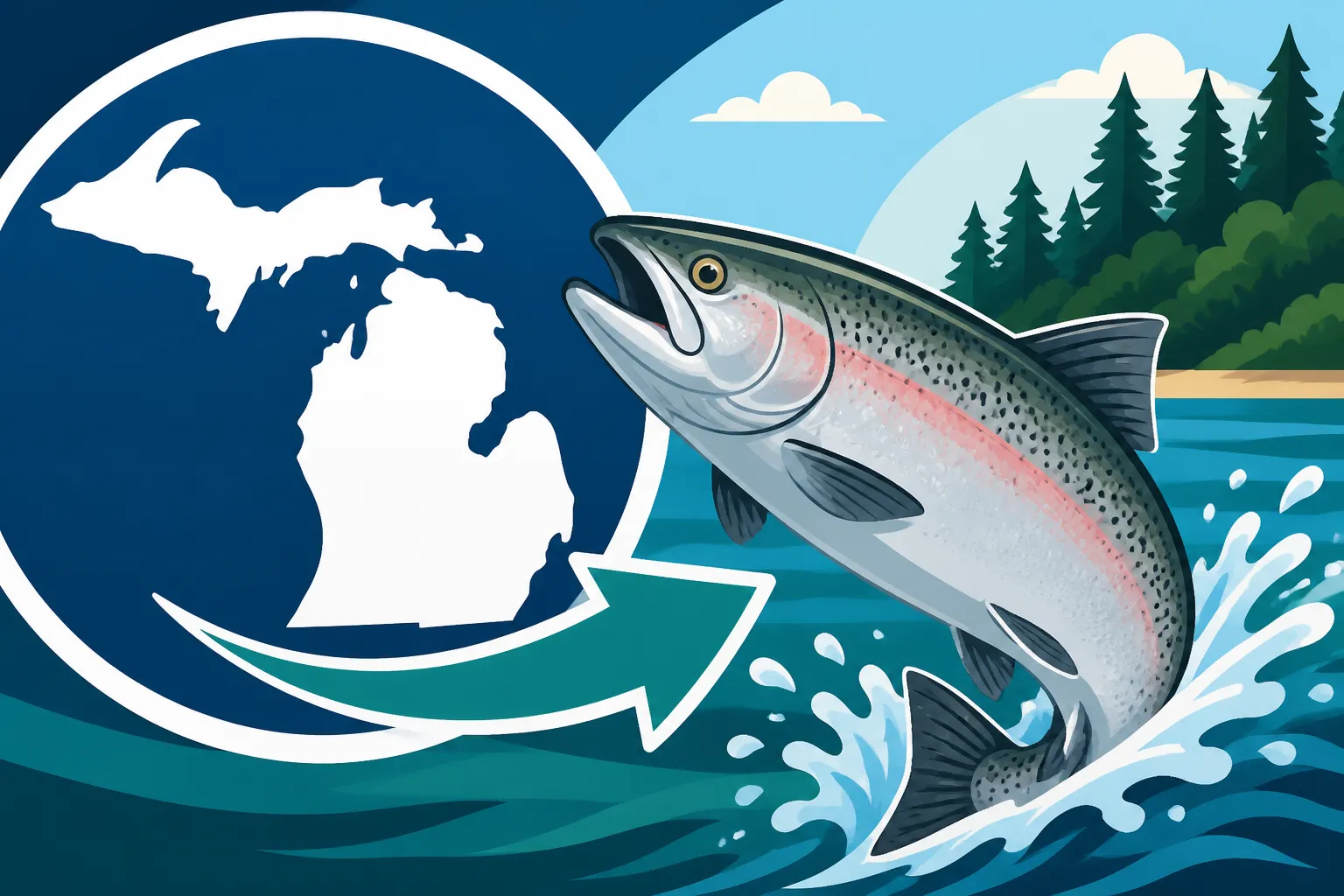
Faced with a dying fishery and an ecological imbalance of epic proportions, Michigan's conservationists and fisheries managers had to think big. They needed a fish that could thrive in the Great Lakes, control the alewife population, and ideally, provide a new, exciting sport fishery for anglers. Enter the Coho salmon.
The Alewife Problem and Coho as a Predator
The sheer abundance of alewife was both a blessing and a curse. While it provided an enormous food source, it was an unregulated one, leading to massive die-offs and contributing to health issues for any fish that consumed them. Fisheries biologists realized that stocking a predator that could efficiently consume alewives was paramount. Coho salmon, native to the Pacific Northwest, emerged as a prime candidate.
Coho salmon were chosen because they are voracious predators of smaller fish, and importantly, they actively feed on alewives. Unlike some native species struggling with thiamine deficiency, Coho salmon appeared to tolerate a diet heavy in alewives relatively well. Their aggressive feeding habits meant they could rapidly grow to impressive sizes, offering a powerful natural control mechanism for the out-of-control alewife populations. It was a brilliant, calculated risk to introduce a non-native species to fix a problem created by other non-native species, with the hope that the benefits would far outweigh any potential downsides. The idea was to create a new, self-sustaining fishery that could bring the lakes back to life.
Establishing a World-Class Fishery
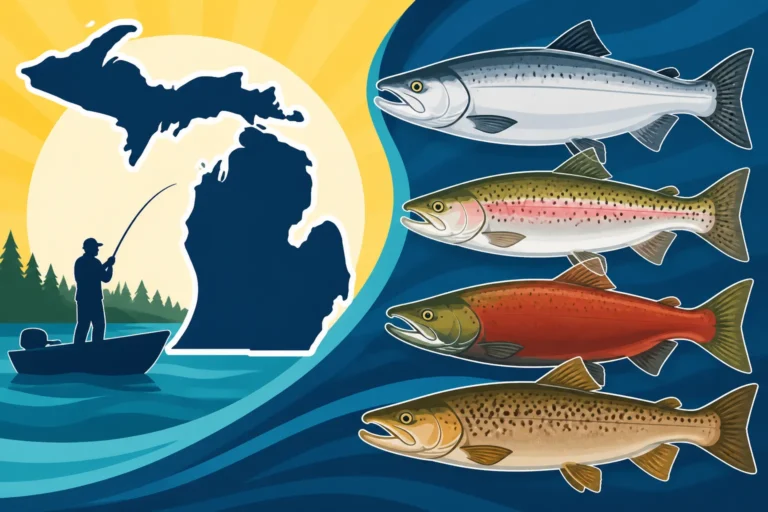
Beyond their ecological role, Coho salmon offered another significant advantage: they are incredible sport fish. Known for their acrobatic jumps and powerful runs, Coho quickly captured the imagination of anglers. Their introduction wasn't just about restoring ecological balance; it was also about breathing new life into Michigan's recreational fishing industry, which had suffered immensely from the decline of native species.
The prospect of catching large, exciting salmon quickly drew anglers back to the Great Lakes. This revitalization had a profound economic impact, boosting tourism, supporting charter fishing operations, and driving sales for tackle shops and outdoor retailers. Suddenly, places like Lake Michigan and Lake Huron were once again destinations for serious anglers, eager to test their skills against these new, powerful adversaries. You can find all sorts of specialized gear for salmon fishing on platforms like Amazon, from downriggers to specific lures designed for these hard-fighting fish. The excitement generated by Coho salmon laid the groundwork for the diverse salmon and trout fishery we cherish today. If you're looking to gear up, checking out what's available for Coho Salmon Fishing in Michigan can be a great starting point.
The Early Days of Coho Stocking in Michigan
The decision to introduce Coho salmon was a bold one, but its execution required careful planning and a pioneering spirit. Michigan’s DNR spearheaded these efforts, embarking on a stocking program that would forever change the Great Lakes.
Pioneering Efforts and Initial Success
The first significant Coho salmon plants in Michigan waters occurred in 1966. Young Coho smolts, often raised in hatcheries, were released into tributaries of Lake Michigan, notably Bear Creek and the Platte River. The anticipation among fisheries biologists and the angling community was palpable. Would these Pacific salmon adapt to the freshwater environment of the Great Lakes? Would they return from the vastness of the lakes to their stocking rivers to spawn, as their wild cousins did in the Pacific?
The results were nothing short of spectacular. By 1967, adult Coho salmon, now large and vibrant, began returning to the rivers they were stocked in. Anglers flocked to the shores and rivers, marveling at the sheer numbers and size of these fish. The initial returns far exceeded expectations, demonstrating that Coho could not only survive but thrive in the Great Lakes. The success of these early stockings quickly cemented Coho salmon's place in Michigan's fisheries management strategy, proving that the daring experiment had paid off handsomely. It was a pivotal moment, signaling a new era for Great Lakes fishing.
Challenges and Adaptive Management
While the initial success of Coho salmon stocking was undeniable, the process wasn't without its challenges. Introducing a non-native species into a complex ecosystem always comes with unforeseen variables. Fisheries managers had to contend with issues like varying survival rates, the susceptibility of hatchery-raised fish to certain diseases, and understanding the long-term interactions with the existing ecosystem.
For instance, biologists quickly realized that while Coho were excellent alewife predators, the abundance of alewives also created potential issues related to thiamine deficiency, though Coho seemed more resilient than some native species. This necessitated ongoing research and adaptive management strategies. The DNR continuously monitored fish health, growth rates, and return numbers. Stocking locations and numbers were adjusted based on data and observations. This scientific approach to fisheries management meant that Michigan's biologists were constantly learning and refining their methods to ensure the continued success of the Coho program and the overall health of the Great Lakes. This type of careful planning is also why Michigan Fishing Regulations Every Angler Should Know are updated regularly.
The Lasting Legacy and Continued Management
Today, Coho salmon are an integral part of Michigan's angling culture and a testament to the proactive fisheries management that reshaped the Great Lakes. Their legacy is evident in the vibrant ecosystems and bustling fishing communities that thrive across the state.
Coho's Role in the Modern Great Lakes
Coho salmon have become a staple species in the Great Lakes, consistently providing incredible angling opportunities throughout the year. They continue to play a vital role in maintaining the balance of the ecosystem, acting as significant predators of forage fish like the alewife, even as alewife populations have fluctuated over the decades. Their presence helps regulate the food web, contributing to a more diverse and healthier aquatic environment than was present during the alewife population explosions of the mid-20th century.
Anglers specifically target Coho from early spring right through the fall, both in the open waters of the Great Lakes and in the rivers they return to for their spawning runs. You can find specific information on seasonal opportunities by exploring resources like Michigan Fishing Seasons Explained or specific guides on Michigan Salmon Species Explained. Coho salmon have truly cemented their status as a critical component of the Great Lakes fishery.
Balancing Stocking and Natural Reproduction
Michigan's fisheries management strategy for Coho salmon has evolved over time. While initial efforts focused heavily on stocking to establish the species and control alewife numbers, there's also an ongoing effort to support and understand natural reproduction. In some Michigan rivers, Coho salmon have successfully established naturally reproducing populations, which is a fantastic outcome. This reduces the sole reliance on hatchery-raised fish and contributes to a more robust, resilient fishery.
However, stocking remains a critical tool. The balance between maintaining robust wild populations and supplementing with hatchery-reared fish is a delicate one, often influenced by factors like alewife abundance, water conditions, and overall fish health. The Michigan DNR continually assesses these factors, using scientific data to make informed decisions about where and how many Coho to stock. This adaptive approach ensures that anglers will continue to enjoy strong Coho returns for years to come. For instance, you can buy your Michigan Fishing License Guide for Residents and Nonresidents knowing that the fees contribute to these crucial stocking and management programs.
Economic and Recreational Significance
The introduction of Coho salmon has been an undeniable boon to Michigan's economy and its recreational fishing scene. What began as an ecological solution blossomed into a multi-million-dollar industry. Every year, thousands of anglers from Michigan and beyond plan trips specifically to target Coho, contributing significantly to local economies through lodging, dining, fuel, and, of course, fishing gear. Many charter captains make a living guiding clients to these prized salmon, and tackle shops thrive on selling the latest lures, rods, and reels. Even something as simple as a waterproof fishing map from Amazon can be a game-changer for someone exploring new waters for salmon.
The joy of a screaming reel, the fight of a powerful Coho, and the satisfaction of a successful catch are experiences that keep anglers coming back. It’s a testament to the vision of those early conservationists that Michigan now boasts a world-class salmon fishery that continues to generate enthusiasm and economic activity. Whether you're planning a trip to one of the Best Places to Fish in Michigan or just heading out to a local spot, Coho salmon offer an accessible and exciting challenge for anglers of all skill levels.
| Aspect | Great Lakes Before Coho (Pre-1960s) | Great Lakes After Coho (Post-1960s) |
|---|---|---|
| Dominant Forage Fish | Overabundant Alewife | Alewife (managed by predators) |
| Native Apex Predators | Severely Depleted (Lake Trout, Burbot) | Recovering Native Species + Introduced Salmon/Trout |
| Sport Fishery | Near Collapse (few large game fish) | Vibrant, Diverse Salmon/Trout Fishery |
| Ecological Balance | Highly Unstable, Invasive Dominated | More Balanced, Complex Food Web |
| Economic Impact of Fishing | Minimal, Declining | Significant, Growing (tourism, charters, retail) |
| Fish Health Issues | Widespread Thiamine Deficiency (native fish) | Reduced, Managed Through Stocking and Diet |
Disclaimer
This article is for general informational purposes only and does not constitute professional advice. Laws, prices and regulations vary by location and change over time. Consult a qualified professional for guidance on your specific situation.