Is Walleye or Perch Better Tasting?
It's a classic angler's debate around Michigan campfires and kitchen tables: when you've had a fantastic day on the water, bringing home a cooler full of fresh fish, which one truly reigns supreme on the plate—the revered walleye or the humble, yet beloved, yellow perch? This age-old question often sparks passionate discussion, as both offer unique culinary experiences. We're going to dive deep into what makes each of these Michigan favorites so special, helping you decide which fish will be the star of your next meal.
The Culinary Allure of Michigan Walleye
Walleye hold a near-mythical status among freshwater anglers, and for good reason. They're challenging to catch, beautiful to behold, and, perhaps most importantly, incredibly delicious. The moment you pull a freshly caught Michigan walleye from the water, you're not just holding a fish; you're holding a promise of an exquisite dining experience.
Understanding Walleye Flavor Profile
When folks talk about walleye, the first words that often come to mind are "mild" and "delicate." This fish has earned its reputation as one of the finest-tasting freshwater species due to its remarkably clean and subtle flavor. It's not "fishy" in the way some other species can be, making it a favorite even among those who claim not to love seafood. The flesh is typically bright white, sometimes with a faint pearly translucence, and cooks up to a beautiful opaque white.
The texture of walleye is another huge draw. It's wonderfully flaky, yet firm enough to hold together well during cooking. You won't find it mushy or tough; instead, each bite offers tender, moist flakes that melt in your mouth. There's often a slight sweetness to the meat, a hint of buttery richness that needs very little enhancement to shine. Factors like the cold, clear waters of Michigan's Great Lakes or deep inland lakes, where walleye often reside, contribute significantly to this pristine flavor. Their diet, often consisting of smaller baitfish, also plays a role in their clean taste, avoiding any strong, undesirable flavors that might come from muddier foraging.
Best Cooking Methods for Walleye
Given its delicate flavor and flaky texture, walleye is incredibly versatile in the kitchen. Many anglers swear by the classic pan-fry, and it’s hard to argue with a perfectly golden-brown walleye fillet. A light breading—perhaps a mix of seasoned flour and cornmeal—is often all that’s needed to create a crispy exterior that perfectly contrasts the tender, moist interior. A good cast-iron skillet, readily available on platforms like Amazon, can make all the difference in achieving that perfect crust.
Beyond pan-frying, walleye excels in other preparations too. Baking or broiling offers a healthier alternative, allowing the natural flavors to come forward with just a touch of lemon, herbs, and butter. Wrapping fillets in parchment paper with some fresh vegetables and seasonings creates a delightful steamed effect that keeps the fish incredibly moist. While grilling walleye can be done, its flakiness requires a bit more care, perhaps using a fish basket or grilling plank to prevent it from falling apart. For those seeking to enhance its mild sweetness, a simple dusting of paprika, garlic powder, and a pinch of cayenne can elevate the dish without overpowering its inherent goodness. Remember, when you're preparing walleye, less is often more, letting the fish itself be the star. For specific techniques, consider looking into Michigan Walleye Fishing Techniques.
The Distinctive Taste of Michigan Yellow Perch
While walleye often steals the culinary spotlight, Michigan yellow perch have a dedicated following, and for many, they represent the quintessential freshwater fish fry experience. These smaller, pan-sized beauties are a staple for ice anglers and warm-weather shore fishers alike, bringing joy to countless kitchens across the state.
Exploring Perch Flavor and Texture
Yellow perch boast a flavor profile that, while still mild, is generally a bit more pronounced and sweeter than walleye. Anglers often describe it as having a richer, slightly nuttier taste, a quality that makes it incredibly satisfying, especially when prepared simply. This distinct sweetness is one of the main reasons it’s so cherished, evoking memories of lakeside dinners and family gatherings.
In terms of texture, perch offers fine, delicate flakes. It’s not as firm as walleye, but it holds together beautifully, especially when cooked quickly. When properly prepared, it has a moist, tender consistency that’s incredibly pleasant to eat. Some might say perch has a more "fishy" flavor than walleye, but it's a pleasant, clean fishiness that speaks to its freshwater origins, particularly when caught from clear, cold waters. Just like with walleye, the environment and diet of the perch can influence its taste. Perch caught from pristine, deep waters typically have the cleanest, sweetest flavor, making locations like parts of Lake St. Clair legendary for their perch populations. For details on limits, check out Michigan Yellow Perch Size and Limit.
Popular Ways to Prepare Perch
If there’s one cooking method synonymous with yellow perch, it’s deep-frying. The relatively small, thin fillets are perfect for achieving that sought-after crispy, golden-brown crust while keeping the interior moist and tender. A simple dredge in a seasoned flour or breadcrumb mixture, followed by a dip in hot oil, transforms these little fish into crispy, flavorful delights. Many families have their secret breading recipes, often passed down through generations, that make their perch fry truly unforgettable. A good deep fryer or a heavy-bottomed pot, along with some quality cooking oil, can turn your kitchen into a genuine Michigan fish shack. You can find excellent kitchen tools and even specialized breading mixes on Amazon that make preparing a batch of perch a breeze.
Pan-frying is another excellent option, particularly for smaller perch fillets. A quick sear in butter or oil gives them a lovely crust without the need for a full deep-fry. Some anglers even prefer to cook very small perch whole, after scaling and gutting, enjoying the crispy skin and fine bones. The goal with perch is often to highlight that inherent sweetness and delicate texture, making minimal seasoning a common choice. A sprinkle of salt and pepper, maybe a dash of garlic powder, and a squeeze of lemon are often all it takes. Whether it’s Yellow Perch Fishing in Michigan or Michigan Ice Fishing Guide, bringing home a haul of perch promises a feast.
Head-to-Head Comparison: Walleye vs. Perch in the Kitchen
The debate between walleye and perch isn't just about taste; it's often about the entire experience of catching, cleaning, and preparing these two iconic Michigan fish. Each holds a special place in the hearts and on the plates of anglers.
Flavor Nuances and Personal Preference
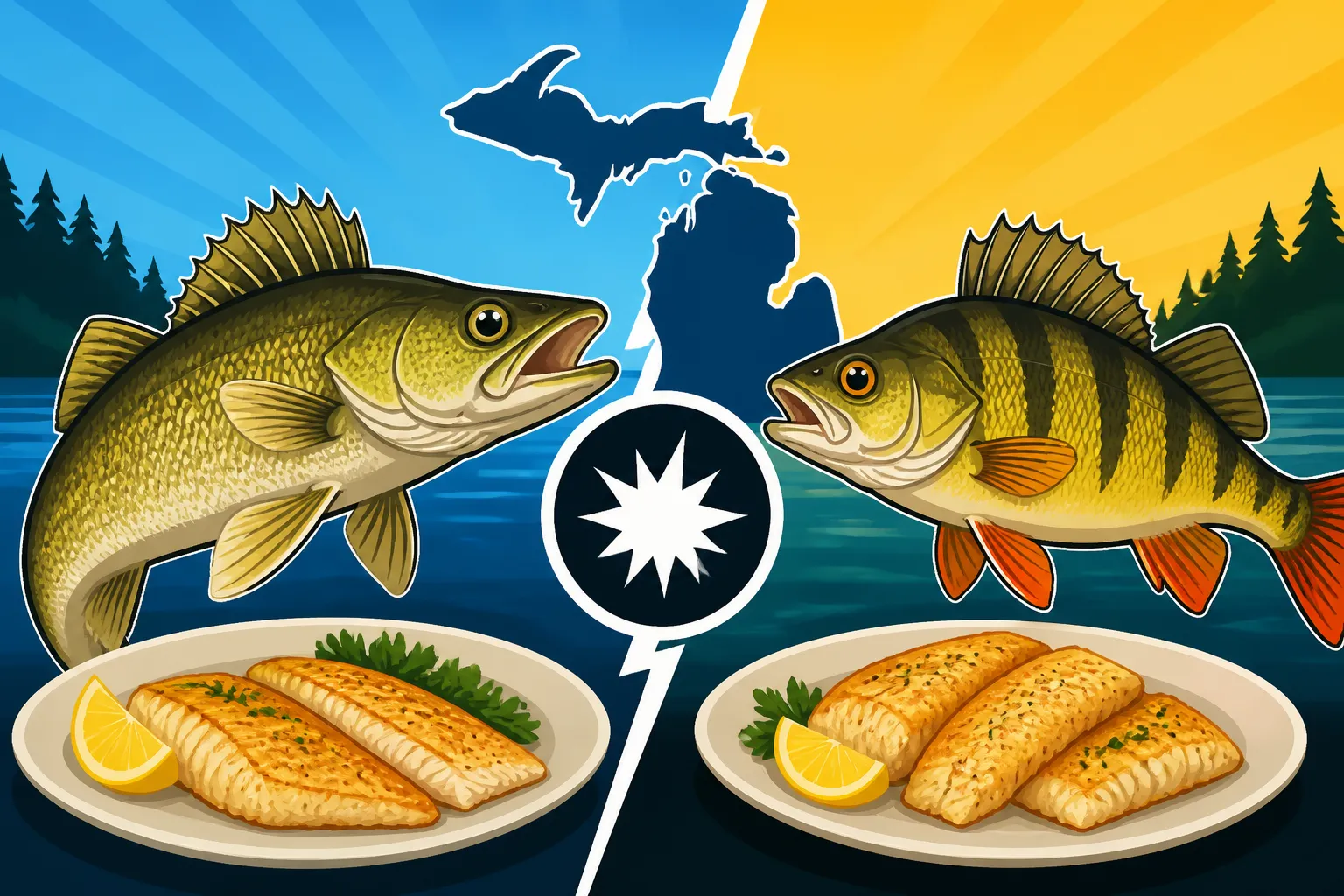
When it comes down to the flavor, the difference between walleye and perch is subtle but distinct, and personal preference truly dictates which one emerges as the winner for any given individual. Walleye, with its super mild, clean, almost ethereal flavor, is often considered the more "refined" or "gourmet" choice. It’s the fish you might serve at a more formal dinner, where its delicate nature can be fully appreciated without being overshadowed by heavy sauces or spices. It takes on seasonings beautifully without losing its own character, making it incredibly versatile for various culinary applications. Many find its lack of a strong "fishy" taste appealing, making it a great entry point for those new to eating fish. If you're looking for that pure, unadulterated taste of freshwater, walleye usually delivers.
Perch, on the other hand, offers a slightly bolder, sweeter, and sometimes richer flavor. For many, the taste of a perfectly fried perch is steeped in nostalgia—the kind of fish you eat by the dozens at a community fish fry or after a long day on the ice. While still mild, its taste has a little more "oomph" than walleye, a sweet brininess that makes it incredibly addictive. If you enjoy a fish with a bit more inherent flavor that stands up well to robust batterings and quick frying, perch might be your go-to. It often tastes like a simpler, more rustic pleasure, perfect for a casual meal with friends and family. This isn't to say one is objectively "better," but rather that they occupy different, equally delicious niches in the culinary landscape.
Filleting and Preparation Differences
The practicalities of preparing walleye and perch also factor into the overall experience. Walleye, being a larger fish, yields substantial, meaty fillets. This means less work for more payoff per fish. A skilled hand can produce beautiful, skinless, boneless fillets quickly, making it a relatively efficient fish to process. This size also makes walleye ideal for portion control and various cooking methods, from large baked pieces to smaller pan-fried strips.
Perch, however, presents a different challenge. They are typically much smaller, meaning you'll need to clean more fish to get the same amount of meat. This can be a labor of love for many anglers, but it's undoubtedly more time-consuming. Some anglers choose to leave the skin on smaller perch when frying, appreciating the added crispness and flavor. Others use specialized filleting techniques to maximize meat yield from these smaller fish. While the fillets are smaller and thinner, they cook very quickly and uniformly, which is part of their appeal for fast, delicious meals. The effort of cleaning a bucket of perch is often seen as a worthy endeavor for the exceptional taste they provide. For those wondering about the regulations surrounding these catches, reading the Michigan Fishing Regulations Every Angler Should Know is always a good idea.
| Feature | Walleye | Yellow Perch |
|---|---|---|
| Flavor | Mild, delicate, subtle sweetness, buttery | Sweeter, richer, slightly more pronounced |
| Texture | Flaky, firm, moist | Fine, delicate flakes, moist |
| Typical Size | Larger (often 15+ inches) | Smaller (often 6-10 inches) |
| Fillet Size | Substantial, thick fillets | Smaller, thinner fillets |
| Preparation Effort | Less fish for more meat, easier filleting | More fish for less meat, more intricate cleaning |
| Best Cooking Methods | Pan-frying, baking, broiling, grilling | Deep-frying, pan-frying |
| "Fishy" Factor | Very low | Low to moderate (clean freshwater taste) |
Maximizing the Flavor of Your Catch
No matter if you're targeting Walleye Fishing in Michigan or chasing a mess of perch, bringing home delicious fish starts long before you even think about putting it in a pan. The way you handle your catch from the moment it leaves the water significantly impacts its final taste.
Proper Catch Handling for Optimal Taste
The single most crucial step in ensuring your walleye or perch tastes its absolute best is proper handling immediately after capture. Fish spoil quickly, and warm temperatures can lead to off-flavors and softer flesh. The moment you land a fish you intend to keep, it should be dispatched humanely and placed on ice. Not just near ice, but on ice, completely surrounded. A good cooler filled with ice is your best friend. This rapid cooling immediately halts enzymatic and bacterial processes that degrade the quality of the meat, preserving that fresh, clean taste.
For many species, bleeding the fish by cutting the gills immediately after catching can further improve flavor by draining blood from the flesh, which can sometimes contribute to a stronger, more metallic taste. While not strictly necessary for walleye or perch to be delicious, it's a practice that discerning anglers often employ. Once you're off the water, clean your fish promptly. Freshly caught fish should be filleted as soon as possible, or at least within a day if kept properly chilled. When filleting, work cleanly and efficiently. Remove all dark red meat along the lateral line, as this can have a stronger, less desirable flavor. Rinse your fillets in cold water, pat them dry, and either cook them immediately or store them correctly. For freezing, vacuum sealing is ideal to prevent freezer burn and maintain quality for longer periods. You can find reliable vacuum sealers and bags on Amazon to keep your precious fillets fresh.
Environmental Factors and Dietary Influences on Taste
The environment a fish lives in and what it eats are huge determinants of its flavor. Fish caught from clear, cold waters, like many of Michigan's pristine lakes and rivers, almost invariably taste better than those from murky, warm, or stagnant waters. Cold water slows a fish's metabolism and fat accumulation, often resulting in leaner, firmer, and cleaner-ttasting flesh. This is why fish from the deeper sections of the Great Lakes often have an unparalleled quality. Understanding where specific species thrive can lead to better-tasting fish, whether you're after Michigan's Great Lakes Fishing Guide or inland gems.
A fish's diet also plays a significant role. Walleye and perch that primarily feed on smaller baitfish tend to have a cleaner, milder flavor. Conversely, fish from areas with muddy bottoms or those that consume a lot of invertebrates might occasionally develop a slightly "muddy" or earthy taste. This "muddy" flavor is often due to compounds called geosmin, which fish absorb from their environment. While often associated with carp or catfish, it can sometimes affect other species. However, proper handling and cooking techniques can often mitigate this, and it's less common in the colder, cleaner waters where most Michigan walleye and perch are harvested. Ultimately, knowing your fishing spots and the conditions of the water can give you an edge in catching the best-tasting fish. When you’re preparing to hit the water, remember to check out resources like Michigan's Most Popular Fish Species to learn more about your target.
Disclaimer
This article is for general informational purposes only and does not constitute professional advice. Laws, prices and regulations vary by location and change over time. Consult a qualified professional for guidance on your specific situation.