Do You Need a License to Catch Bait Minnows in Michigan?
It's a common question that pops up for many Michigan anglers: "Do I really need a fishing license just to catch minnows for bait?" The thought of going through the process for something so seemingly small can be frustrating and confusing, especially when you're just trying to get ready for a day on the water. This comprehensive guide will clear up all that uncertainty, detailing Michigan's regulations on collecting bait minnows, what licenses are required, and how to do it legally and responsibly.
Understanding Michigan's Baitfish Regulations
Before we dive into whether you need a license, it's crucial to grasp what Michigan considers "baitfish" and why the state takes its regulation so seriously. Many anglers, myself included, have stood by the water wondering if that little school of shiners darting by counts as something requiring a permit. It’s more complex than you might initially think, and understanding the DNR's perspective helps make sense of the rules.
What Constitutes a Bait Minnow in Michigan?
When the Michigan Department of Natural Resources (DNR) talks about "baitfish," they're referring to certain non-game fish species that are typically used as bait for other, larger game fish. This isn't just about the classic "minnow" we all picture. It can include various small fish like emerald shiners, fathead minnows, dace, suckers, chubs, and even small perch or bluegill in certain contexts, though the latter are often considered game fish and have specific rules. The key distinction is usually about whether the species is classified as a game fish or a non-game fish, and if it's legal for use as bait.
Sometimes, folks mistakenly think any small fish can be used as bait, but that's not the case. For example, juvenile game fish like small walleye or bass cannot be kept or used as bait, even if they're tiny. The rules are designed to protect the overall fish population and prevent the spread of diseases or invasive species. It's really about knowing your local species and what's permitted. The official Michigan Fishing Regulations Digest is your go-to resource for specific species lists and definitions, which can sometimes vary slightly by water body.
Why the DNR Regulates Baitfish Collection
You might wonder why the state bothers regulating the collection of such small fish, especially if you're just catching a handful for personal use. The truth is, these regulations are in place for some very important ecological reasons, primarily aimed at protecting Michigan's diverse aquatic ecosystems. One of the biggest concerns is the spread of aquatic invasive species (AIS) and diseases. When baitfish are caught in one body of water and then released or used in another, there's a significant risk of introducing unwanted organisms.
Imagine collecting minnows from a pond that unknowingly harbors an invasive species like the rusty crayfish or a particular fish disease. If you then take those minnows and use them as bait in a pristine trout stream, you could inadvertently introduce those threats, potentially devastating the native ecosystem. This is why the DNR strongly advises against transporting live baitfish from one water body to another. They often recommend either using bait from the water you're fishing or buying certified disease-free bait from a reputable dealer. It’s not about making things difficult; it’s about safeguarding our precious natural resources for future generations.
The License Requirement for Collecting Bait Minnows
Let's cut right to the chase, because this is the question on everyone's mind when they're thinking about netting a few shiners for an afternoon of fishing. The state of Michigan is pretty clear about this, and it’s a rule that often catches new anglers or those who've been out of the game for a while by surprise.
The General Rule: Yes, You Need a License
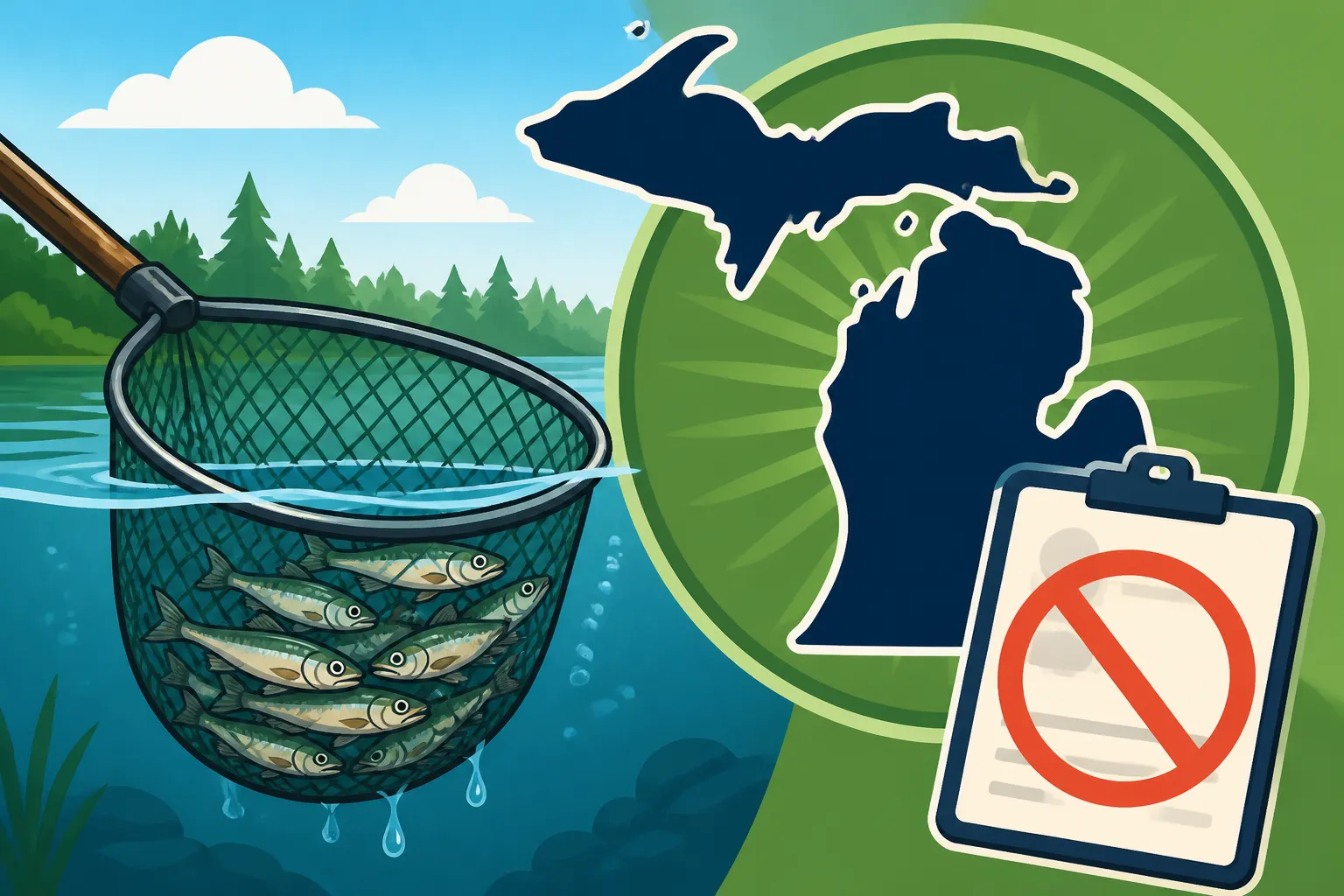
Here's the definitive answer: Yes, if you are 17 years of age or older, you need a valid Michigan fishing license to collect bait minnows from public waters. This applies whether you're using a minnow trap, a seine net, a dip net, or even a hook and line. The act of "taking" any fish, regardless of its size or intended use, falls under the scope of Michigan's fishing regulations, and those regulations require a license for anyone aged 17 and up. So, if you're planning on catching your own bait, think of it as part of your overall fishing activity that day.
It's easy to overlook this detail. Many seasoned anglers will tell you stories of their early days, casually dipping a net for minnows only to later realize the technicality of the rule. The license covers all forms of fishing, from targeting trophy walleye in Saginaw Bay to simply gathering bait for perch fishing on a smaller inland lake. You can explore the specific requirements and types of licenses available in our detailed guide on the Michigan Fishing License Guide for Residents and Nonresidents. Don't get caught off guard; it's always better to be prepared and compliant.
Exceptions and Special Considerations
While the general rule is quite firm, there are a few nuances and exceptions that are worth understanding.
First, if you are under 17 years of age, you do not need a fishing license to collect bait minnows in Michigan. Kids can enjoy the thrill of catching their own bait without needing to purchase a license, which is a fantastic way to introduce them to fishing. However, they are still subject to all other regulations regarding legal methods, species, and quantity limits. This is part of why initiatives like the Michigan Youth Fishing License Rules exist, though the license itself isn't required for minors.
Second, there are specific "Free Fishing Weekends" in Michigan where residents and nonresidents alike can fish without a license. During these weekends, the license requirement for collecting bait minnows would also be waived, assuming you're following all other baitfish regulations. Michigan typically has two such weekends: one in winter and one in summer. For specific dates and details, you can refer to our guides on the Summer Free Fishing Weekend in June and Free Fishing Weekend in February. This can be a great opportunity to try out collecting your own bait!
Finally, if you purchase bait minnows from a licensed bait dealer, you obviously don't need a license to possess them. The license requirement is specifically for the act of taking them from public waters. Many anglers opt to buy their bait for convenience or to ensure they are getting certified disease-free bait, especially when fishing in sensitive areas.
Practical Steps for Collecting Your Own Bait Minnows
Now that you know a license is generally required, let's talk about how to actually go about collecting your own bait minnows legally and effectively. It’s a rewarding experience to catch your own bait, adding another layer to your fishing adventure. Plus, it can save you a few bucks!
Legal Methods and Gear for Baitfish Collection
Michigan's DNR has clear guidelines on the types of gear you can use to collect baitfish, ensuring methods are sustainable and don't harm other aquatic life. The most common and permitted tools include:
- Minnow Traps: These are typically small, cage-like devices designed to allow small fish to enter but prevent them from leaving easily. They are generally limited in size – typically no more than 24 inches long and 16 inches in diameter, with an opening no larger than 1.5 inches. You can find a wide variety of these, from collapsible mesh traps to rigid plastic ones, on sites like Amazon or at your local bait shop. Remember, any minnow trap you use must be clearly labeled with your name and address, or your DNR Sportcard number.
- Dip Nets: These are nets with a handle, designed for scooping fish. They are legal for baitfish collection, but often have a maximum circumference (e.g., 9 feet) and depth limits.
- Seines: A seine is a long, wall-like net that is typically dragged through the water by two people. For baitfish collection, seines are restricted in length and depth (e.g., usually no more than 8 feet long and 4 feet deep).
- Hook and Line: Yes, you can even catch baitfish using a tiny hook and line, though this is often less efficient for gathering a large quantity. This method is, of course, covered by your standard fishing license.
Choosing the right gear often depends on the type of water you're fishing. A minnow trap might be great for a calm lake edge, while a small seine might be more effective in a shallow stream. Just be sure to double-check the exact dimensions and labeling requirements in the most current Michigan Fishing Regulations Digest, as these details can occasionally be updated. If you're wondering What Size Net Can You Use Fishing in Michigan, the digest provides specific answers.
Where to Find and Collect Bait Minnows Responsibly
Finding bait minnows usually means heading to shallow, vegetated areas in lakes, ponds, or slow-moving rivers and streams. These areas provide cover and food for small fish. Think about places where you see reeds, lily pads, or submerged grasses – these are often prime spots.
However, collecting responsibly goes beyond just finding a good spot:
- Check Local Regulations: Always verify if there are any special baitfish regulations for the specific body of water you intend to fish. Some sensitive areas might have stricter rules or even prohibitions on baitfish collection.
- Respect Private Property: Ensure you have permission if you're collecting on or accessing private land. Public access points are always a safe bet.
- Handle With Care: When you catch minnows, handle them gently to minimize stress and injury. Use a small bucket with fresh, aerated water to keep them lively. A good bait bucket with an aerator, easily found on Amazon or at outdoor retailers, can make a huge difference in keeping your bait healthy.
- Use What You Collect Locally: This is perhaps the most critical aspect of responsible baitfish collection. Never transport live bait from one body of water to another. This rule is paramount in preventing the spread of invasive species and diseases. If you collect minnows from Lake A, only use them in Lake A. If you're going to Lake B, you should either collect new bait from Lake B or purchase certified disease-free bait from a bait shop. This one simple act can have a massive impact on the health of Michigan's fisheries.
Important Rules Beyond Just the License
Getting your fishing license is a critical first step, but it's far from the only rule you need to know when collecting your own bait minnows. The DNR has put together a comprehensive set of regulations designed to protect our aquatic resources, and it's essential to be aware of them to avoid violations. Trust me, nobody wants a ticket when they're just trying to enjoy a peaceful day by the water.
Quantity Limits and Species Restrictions
You can't just take an unlimited number of baitfish, nor can you collect just any species you happen to net. Michigan imposes specific limits and restrictions:
- Quantity Limits: For personal use, Michigan generally allows an angler to possess up to 100 baitfish at a time. This limit is usually per angler, not per trap or per day. So, even if you run multiple minnow traps, your total possession limit remains 100. This is to ensure sustainable harvesting and prevent overexploitation of local baitfish populations.
- Species Restrictions: As mentioned earlier, not all small fish are legal baitfish. Game fish (like small bass, pike, or walleye) cannot be used as bait, nor can many species that are classified as threatened or endangered. Furthermore, certain invasive species are explicitly prohibited from possession or use as bait. You're responsible for knowing what you're catching. If you're unsure about a species, it's best to release it immediately. The Michigan Fishing Regulations Every Angler Should Know guide will provide more clarity on this. Always consult the official DNR guide for the most current list of legal baitfish.
- Size Limits: While less common for general "minnows," some baitfish species might have minimum or maximum size limits, especially if they are also considered game fish at larger sizes. Pay attention to species-specific rules.
These limits are not arbitrary. They are carefully determined by fisheries biologists to maintain healthy fish populations and prevent ecological imbalances. Respecting these rules shows you're a responsible angler who cares about the future of Michigan fishing.
Preventing the Spread of Invasive Species
This point cannot be stressed enough. Preventing the spread of aquatic invasive species (AIS) is perhaps the most crucial responsibility of any angler collecting their own bait. AIS can outcompete native species, disrupt food webs, introduce diseases, and drastically alter ecosystems, causing irreversible damage.
Here's what you need to remember:
- Do Not Transport Live Bait: This is the golden rule. If you collect bait from one lake, it must only be used in that lake. Never move live bait to a different body of water.
- Drain All Water: Before leaving a fishing site, drain all water from your bait bucket, livewell, and any other containers. You don't want to inadvertently transport microscopic organisms or juvenile invasive species.
- Clean and Dry Gear: Thoroughly clean and dry all your fishing gear, including nets, traps, buckets, and even your boots, before using them in another water body. A good scrub and ample drying time in the sun can kill many harmful organisms.
- Dispose of Unused Bait Properly: Never release unused bait into a water body if it wasn't originally collected from that exact spot. Instead, dispose of it in the trash. If you purchased bait, follow the vendor's recommendations for disposal, or again, put it in the trash.
The Michigan DNR takes AIS prevention very seriously, and for good reason. Our Great Lakes and inland waters are constantly under threat. Being a proactive angler in preventing AIS spread is one of the best ways you can contribute to preserving Michigan's incredible fishing heritage.
Here's a quick summary of key baitfish collection rules in Michigan:
| Rule Category | Requirement | Important Details |
|---|---|---|
| Fishing License | Required for individuals 17 years and older to collect any fish, including baitfish, from public waters. | Not required for those under 17 or during Free Fishing Weekends. |
| Quantity Limit | Max 100 baitfish in possession at any time for personal use. | Applies per angler, not per trap or per day. |
| Legal Gear | Minnow traps, dip nets, seines (specific size limits apply), hook and line. | Minnow traps must be labeled with owner's name/address or DNR Sportcard number. |
| Species Restrictions | Only specific non-game fish species are legal baitfish. Game fish and invasive species are prohibited. | Consult the current Michigan Fishing Regulations Digest for detailed lists. |
| Transportation | DO NOT transport live baitfish from one water body to another. | Major risk for spreading invasive species and diseases. Use local or certified bait. |
| Disposal | Dispose of unused bait (not collected locally) in the trash. | Never release non-native or transported bait into any water body. |
Understanding these regulations is part of being a responsible angler in Michigan. While it might seem like a lot to remember, it becomes second nature over time, and it helps ensure that future generations can enjoy the same incredible fishing opportunities we have today. Whether you're targeting perch, walleye, or even the mighty muskellunge, having a solid grasp of baitfish rules is just as important as knowing your Michigan Walleye Daily Possession Limit or Michigan Muskellunge Harvest Reporting Rules.
Disclaimer
Please remember that fishing regulations, including those pertaining to baitfish collection, can change. This guide is intended for informational purposes only and is based on current understanding. Always consult the official Michigan Department of Natural Resources (DNR) website or the latest Michigan Fishing Regulations Digest for the most accurate and up-to-date rules before heading out.