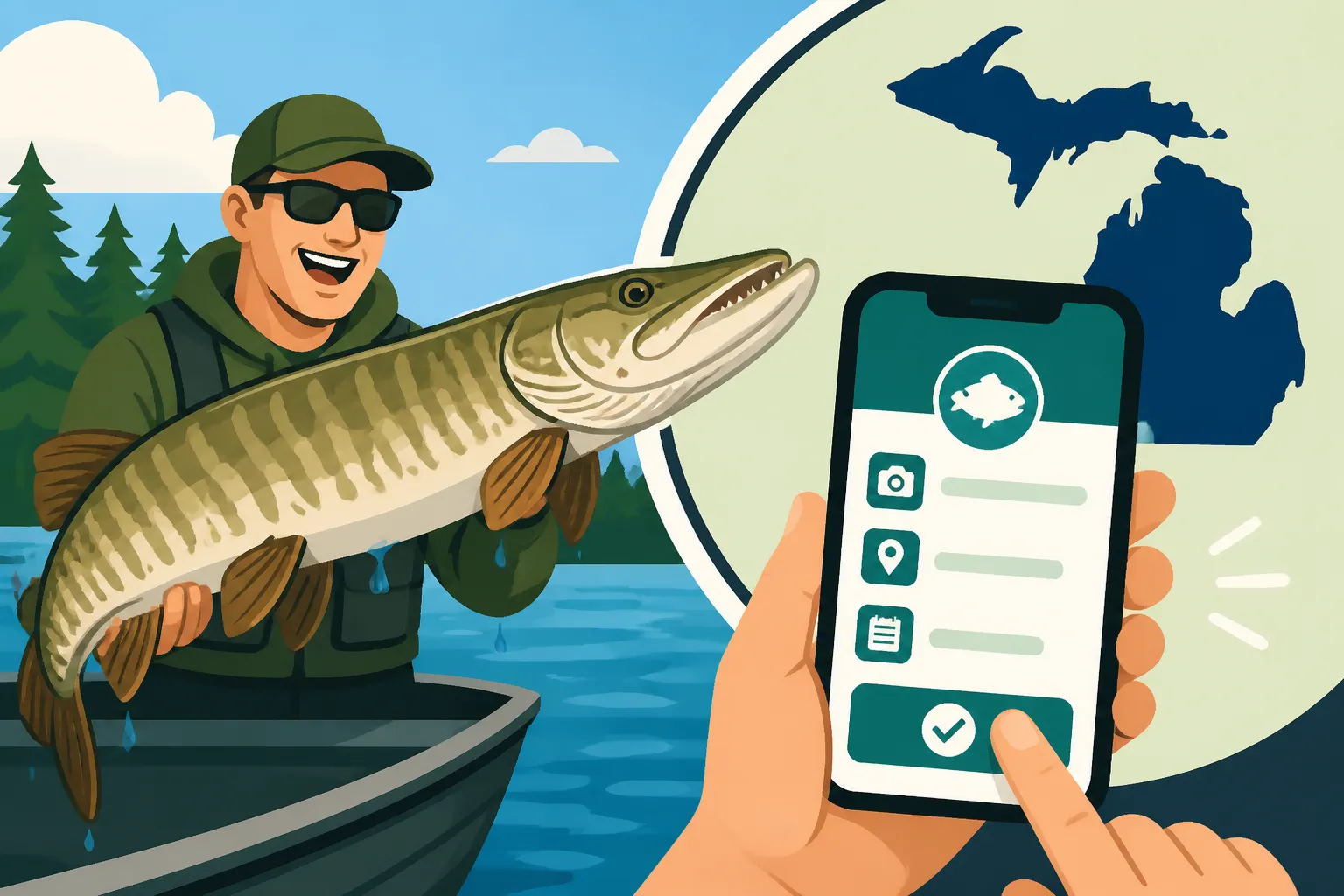
How to Register a Muskellunge Catch in Michigan
Landing a magnificent muskellunge in Michigan is a monumental achievement, a true test of patience and skill. But the excitement often leads to a moment of confusion: now what? Beyond the immediate thrill and the obligatory photos, Michigan anglers who choose to harvest a muskie have a crucial responsibility – registering their catch. This guide will walk you through the precise steps required to report your muskellunge, ensuring you comply with state regulations and contribute vital data to conservation efforts.
Understanding Michigan's Muskellunge Harvest Reporting Rules
For many anglers, the thought of harvesting a muskie is almost mythical. These formidable "fish of 10,000 casts" are revered, and if you're lucky enough to land one that meets Michigan's stringent size limits and decide to keep it, you've achieved something truly special. However, the celebration doesn't end when the fish is in the boat or on the ice. Michigan has specific and important rules surrounding the harvest of muskellunge, primarily centered around reporting your catch. This isn't just bureaucratic red tape; it's a critical component of ensuring these incredible fish thrive for generations to come.
The Importance of Muskie Data for Conservation
Imagine trying to manage a population of any animal without knowing how many are being taken, how big they are, or where they're coming from. It would be nearly impossible, right? That's precisely why the Michigan Department of Natural Resources (DNR) requires anglers to report their muskellunge harvests. Every piece of data collected from these reports — the length, weight, location, and date of catch — paints a clearer picture for fisheries biologists. They use this information to assess population health, understand growth rates, and make informed decisions about stocking programs, habitat improvements, and future regulation changes. Without this direct input from anglers, the DNR would be flying blind, and the incredible muskie fishery we enjoy in Michigan could suffer. It directly feeds into the broader goals outlined in the Michigan Muskellunge Harvest Reporting Rules.
Furthermore, understanding harvest trends can reveal patterns that indicate environmental changes or shifts in fish behavior. For example, if reports suddenly show a decline in muskie catches in a historically productive lake, it can trigger further investigation into water quality, forage base issues, or other ecological factors. This proactive approach helps protect not just muskies, but the entire aquatic ecosystem they inhabit. Your quick online report contributes to a much larger, ongoing scientific study that benefits all Michigan anglers.
Key Elements of Michigan's Muskellunge Harvest Registration Requirement
The core of Michigan's muskie harvest regulation is straightforward: any angler who harvests a muskellunge must report it within 24 hours of the catch. This isn't a suggestion; it's a legal requirement. Missing this window can lead to penalties, and trust me, nobody wants to spoil the memory of a trophy fish with a citation. The promptness of the report is essential for data collection accuracy, especially if the fish might be examined by biologists.
Beyond the 24-hour window, there's another crucial aspect: Michigan maintains a strict "one muskellunge per year" rule. This means that once you've harvested and reported a muskie, you cannot harvest another one for the remainder of that license year, which runs from April 1st to March 31st. This severely limits harvest pressure on a species that grows slowly and has a relatively low population density, emphasizing conservation. So, if you've already registered your annual muskie, any subsequent legal-sized muskie you might catch must be immediately released, following proper Catch-and-Immediate-Release Rules for Muskellunge. The Michigan's One Muskellunge Per Year Rule is a cornerstone of responsible muskie management in the state. Always ensure you are familiar with the current Michigan Fishing Regulations Every Angler Should Know before heading out.
Step-by-Step Guide to Registering Your Michigan Muskie Catch
The good news is that registering your prized muskellunge catch in Michigan is designed to be as convenient as possible, thanks to modern technology. The DNR offers a couple of user-friendly methods to ensure you can quickly and accurately report your harvest, even when you're still buzzing from the experience. Let's walk through the primary ways to get that important data submitted.
Using the Michigan DNR Hunt Fish App for Mobile Reporting
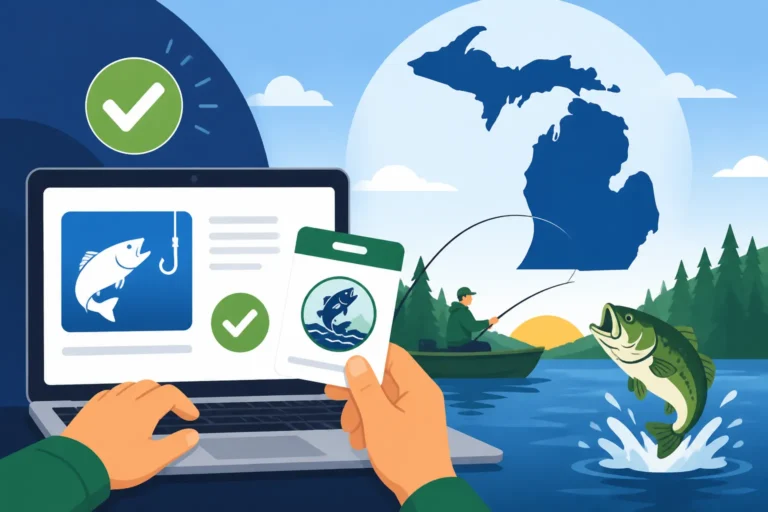
In today's connected world, many anglers have their smartphones with them, even on the water. This makes the Michigan DNR's "Hunt Fish App" an incredibly convenient tool for registering your muskie. This app, available for both iOS and Android devices, isn't just for buying licenses; it's a comprehensive portal for managing all sorts of hunting and fishing activities, including harvest reporting. If you don't already have it, you can easily download it from your phone's app store. Just search for "Michigan DNR Hunt Fish App." It's incredibly handy, and I often recommend it to fellow anglers for everything from checking regulations to buying a new license on the fly. For a deeper dive into its features, check out Michigan's DNR Hunt Fish App for Licenses and Reporting.
Once you've opened the app:
- Log In: Use your Michigan DNR customer ID and password to access your account. If you don't have one, you'll need to create one.
- Navigate to Report Harvest: Look for a section related to "Harvest Reporting" or "Register Catch." It's usually prominently displayed.
- Select Species: Choose "Muskellunge" from the list of species.
- Enter Details: The app will prompt you for all the necessary information, such as the date and time of catch, the specific body of water, the length and weight of the fish, and the gear used.
- Submit: Review all the information carefully before hitting the submit button. You'll usually receive an immediate confirmation that your report has been received.
The app often works even in areas with spotty cell service, storing your data and uploading it once you regain connectivity, which is a lifesaver when you're out on remote waters.
Reporting Online Through the DNR System
If you prefer using a computer or don't have the app, the Michigan DNR's official website provides an equally robust online reporting system. This is a great option if you're back home and have stable internet access, or if you simply prefer a larger screen for data entry. You can access the online system directly through the Michigan DNR website, usually under the "Licenses and Regulations" or "Harvest Reporting" sections. This is also the go-to place for other reporting requirements, such as the Michigan Muskellunge Catch Reporting Online System.
Here’s how to do it:
- Visit the DNR Website: Go to the Michigan DNR's official website and look for the "eLicense" system or a direct link to harvest reporting.
- Log In: Just like with the app, you'll need your customer ID and password to log in.
- Find Harvest Reporting: Once logged in, navigate to the appropriate section for reporting a fish harvest.
- Input Data: You’ll be presented with a form to fill out all the required details about your muskellunge catch. Take your time to ensure everything is accurate.
- Confirm and Submit: After double-checking everything, submit your report. You'll typically get a confirmation page or email.
This method is reliable and provides a clear interface for entering all the necessary details. It's often where I'll direct friends if they're struggling with the app or just prefer a desktop experience.
Required Information for a Successful Registration
No matter which method you choose, whether through the app or online, you'll need to provide specific details about your muskellunge catch. Having this information ready before you start the reporting process will make it much smoother. It's a good idea to measure and weigh your fish accurately and record these details immediately after the harvest. A small, waterproof notebook or a note-taking app on your phone can be invaluable for this.
Here’s a breakdown of the typical information you’ll need to provide:
| Information Category | Specific Details Required | Why It's Important |
|---|---|---|
| Angler Information | Your Michigan DNR Customer ID | Links the harvest to your license and fishing history. |
| Catch Details | Date of Catch | Establishes the timeline and enforces the 24-hour rule. |
| Time of Catch (approximate) | Helps refine environmental data for that specific period. | |
| Fish Specifications | Total Length (in inches, from tip of snout to tip of tail) | Crucial for growth rate studies and confirming legal size. |
| Weight (in pounds and ounces, if possible) | Contributes to understanding overall fish health and condition. | |
| Location Information | Body of Water (e.g., Lake St. Clair, Lake Hudson) | Identifies specific populations and regional trends. |
| County where the fish was caught | Further narrows down the geographic origin of the catch. | |
| Nearest boat launch or significant landmark (optional but helpful) | Provides more precise location data for biologists. | |
| Gear Used | Type of Gear (e.g., casting, trolling, spearing, tip-up) | Helps understand fishing pressure and effectiveness of various methods. |
| Bait/Lure Used (e.g., crankbait, live bait, jig) | Can inform research on muskie feeding habits. |
Remember, accuracy is key here. Guessing a length or weight might seem harmless, but when aggregated with hundreds of other reports, it can skew the data and lead to less effective management strategies. Taking a few extra moments to get precise measurements makes a real difference. If you're using a tape measure, look for durable, waterproof options on sites like Amazon that are designed for fishing.
Why This Reporting is Crucial for Michigan's Muskie Future
It might seem like a minor task in the grand scheme of things, but registering your muskellunge harvest is far more than just checking a box. It's a direct, tangible way that individual anglers contribute to the long-term health and sustainability of Michigan's muskie populations. This isn't just about adhering to rules; it's about being a responsible steward of our natural resources.
Contributing to Research and Management Efforts
Every single piece of data you submit plays a role in the intricate puzzle of fisheries management. Biologists are constantly monitoring muskie populations, tracking trends, and developing strategies to enhance the fishery. For instance, data on lengths and weights from various lakes can help them determine if specific lakes have healthy growth rates or if certain populations are stressed. If they notice an unusually high number of small muskies being harvested in a particular area, it might signal an issue with the local forage base or over-harvesting. Conversely, a consistent report of large, healthy fish indicates that current management strategies are working.
The harvest data also directly informs stocking decisions. While many of Michigan's muskie populations are wild, some lakes benefit from stocking programs. Knowing where fish are being successfully harvested can help the DNR decide which strains to stock, what sizes, and in which bodies of water. This ensures that the state's investment in Muskellunge Fishing in Michigan is optimized for the best possible outcomes. Without angler participation in harvest reporting, this crucial feedback loop would be broken, making it significantly harder to adapt and respond to the dynamic needs of these magnificent fish.
What Happens if You Don't Report Your Harvest
While the DNR prefers to educate and encourage compliance, failing to report a muskellunge harvest within the 24-hour timeframe is a violation of Michigan law. It's not just a polite request; it's a mandatory requirement. Enforcement is taken seriously because the integrity of the data relies on complete reporting. Conservation officers regularly patrol popular muskie waters, and they are trained to verify compliance with all fishing regulations.
The consequences of not reporting can vary depending on the specific circumstances and the discretion of the officer, but they can include fines, court appearances, and even the loss of fishing privileges. These penalties serve as a deterrent, emphasizing the importance of every angler's role in conservation. Imagine finally landing your dream muskie, only to have the excitement overshadowed by a ticket and a hefty fine because you forgot a simple step. It's a scenario no angler wants to face. Beyond the legal ramifications, failing to report undermines the collective effort to manage Michigan's muskie fisheries. It creates gaps in the data, making it harder for biologists to protect the very fish we all love to pursue. Always consult the most recent Michigan Fishing Regulations Every Angler Should Know to stay informed and avoid any unintended violations. For details on potential legal repercussions, refer to Michigan Fishing Violation Penalties and Fines.
Common Questions and Practical Advice for Muskie Anglers
Even with a clear guide, questions can pop up when you're in the moment. Muskellunge fishing often involves long trips, sometimes in remote areas, and the exhilaration of a successful harvest can make it easy to overlook details. Let's address some common concerns and offer practical tips to ensure your muskie reporting process is smooth and stress-free.
Clarifying the 24-Hour Deadline
The 24-hour reporting window is perhaps the most critical aspect of muskie harvest registration, and it’s one that often leads to confusion. It means that from the moment you take possession of that muskie, you have one full day to get it reported. This isn't a suggestion; it's a hard deadline. For instance, if you land a muskie at 3:00 PM on a Saturday, your report must be submitted by 3:00 PM on Sunday. This rule, detailed further in Michigan's 24-Hour Muskellunge Reporting Requirement, exists so that biologists have timely data and, in some cases, so they can arrange to examine the fish if needed.
Consider a scenario where you're on a multi-day camping trip deep in the Huron-Manistee National Forest, far from cell service. You land your muskie on day one. What then? Planning is key. If you know you'll be out of service range, you need to either return to an area with connectivity within the 24-hour window or have a satellite communication device (like a Garmin inReach, which you can find on Amazon) that allows for basic messaging to an emergency contact who can then submit the report on your behalf. While less common, some very remote areas might have designated reporting stations, though digital methods are heavily preferred. Always prioritize getting to a signal or a reporting point promptly.
Ensuring Accuracy and Completeness in Your Report
As mentioned, the quality of data is paramount. Incomplete or inaccurate reports can be as unhelpful as no report at all. When you're filling out the form, whether on the app or online, take a moment to double-check everything. Did you select the correct lake? Is the length precisely recorded? Did you remember to input the weight?
Sometimes, in the excitement, anglers might rush through the process. For example, some might mistakenly put down the county they live in instead of the county where the fish was actually caught. Or they might round up or down on the length when precision is needed. It’s always best to have a reliable measuring board and a portable scale on hand. Many muskie anglers carry a bump board, which provides a rigid, accurate measurement. These tools are readily available at most tackle shops or online retailers like Amazon. Remember, this data helps manage an entire species, so your attention to detail really matters. If you're a devout catch-and-release angler for muskie, you won't need to worry about this, as Is Catch-and-Release Muskie Fishing Legal Year-Round in Michigan? shows you can enjoy these fish without the harvest reporting requirement.
What to Do if You Encounter Issues
Technology isn't always perfect, and sometimes you might run into a snag. What if the app crashes, or the website is down? What if you genuinely can't get cell service within the 24-hour window, despite your best efforts? Don't panic. The DNR understands that unforeseen circumstances can arise.
If you're having technical difficulties with the app or online system, the first step is to try again a little later, or switch to the other method (if you were using the app, try the website, and vice-versa). If you're still unable to submit your report electronically and the deadline is looming, you should contact the Michigan DNR directly. They have dedicated phone lines for harvest reporting or general inquiries. You can often find the appropriate number for Michigan Muskellunge Catch Reporting Phone Number or other DNR customer service lines on their website or within the Hunt Fish app itself. Explain your situation calmly and provide all the details of your catch. They will guide you on how to proceed and ensure your report is properly logged, keeping you in compliance. Documenting your efforts to report, such as taking a screenshot of an error message or noting down who you spoke with at the DNR and when, can also be helpful.
Disclaimer
The information provided in this guide is intended for general informational purposes only and is subject to change. While we strive to offer accurate and up-to-date advice, fishing regulations, license requirements, and reporting procedures can be updated by the Michigan Department of Natural Resources at any time. It is always the angler's responsibility to consult the most current official Michigan Fishing Guide and DNR regulations before engaging in any fishing activities. Compliance with all state and local laws is mandatory.