Lake Hudson’s Michigan Muskellunge Size Limit
One of the biggest head-scratchers for Michigan anglers is keeping up with all the specific regulations, especially when certain lakes have rules that differ from the statewide standard. It's easy to feel overwhelmed, wondering if you're truly in the clear when you finally hook into that magnificent fish. This guide is here to clear up any confusion, focusing specifically on the critical muskellunge size limit for Lake Hudson, ensuring you're well-informed for your next angling adventure.
Understanding Lake Hudson's Unique Muskellunge Regulation
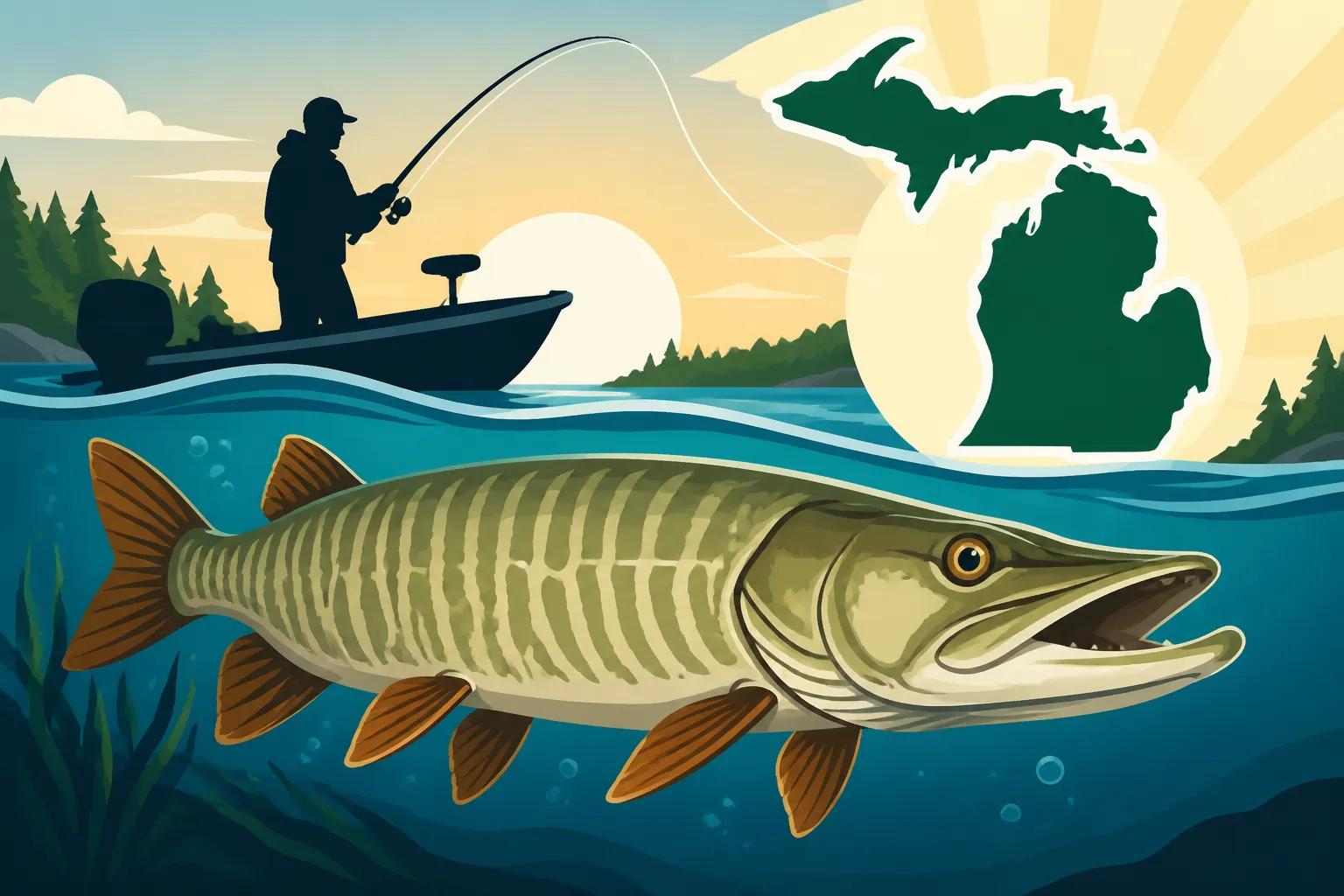
Lake Hudson, nestled in Lenawee County, holds a special place in the hearts of many Michigan muskie anglers, but it also comes with a unique set of rules. Unlike many other waters in the state, this lake is managed specifically to foster a truly exceptional muskie fishery, which means anglers need to pay close attention to the details. The goal here isn't just about catching fish; it's about nurturing a population that produces truly impressive, trophy-sized specimens.
The 50-Inch Minimum: What It Means for Anglers
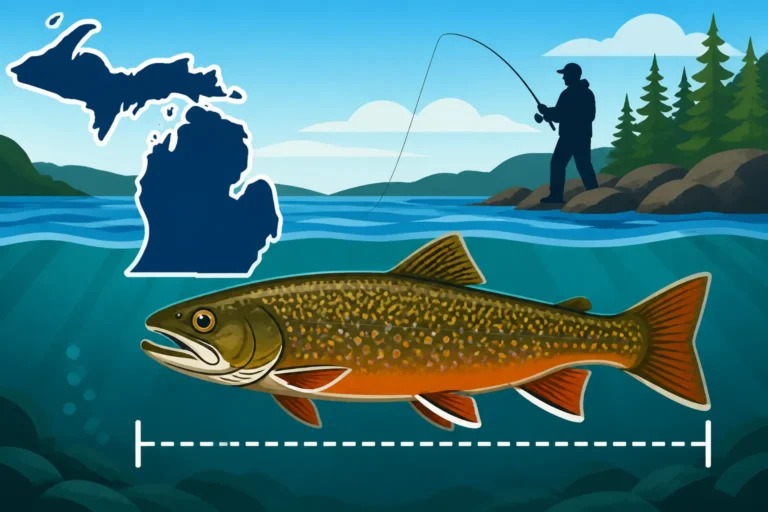
If you're heading out to Lake Hudson with dreams of landing a monster muskie, you absolutely need to engrave one number into your mind: 50 inches. That's right, the minimum size limit for muskellunge on Lake Hudson is a whopping 50 inches. This is significantly larger than the general statewide minimum of 42 inches that applies to many other Michigan waters. What this means in practice is that any muskie you catch in Lake Hudson that measures less than 50 inches must be immediately and carefully released back into the water.
Imagine the scenario: you're out on a calm morning, casting your favorite muskie bucktail, and suddenly, your rod bends under the weight of a powerful strike. After an exhilarating fight, you bring a beautiful muskie boatside. Your heart is pounding, but before you even think about lifting it into the boat, you grab your measuring board. If that fish measures 48 inches, as exciting as the catch is, it's a catch-and-release moment. There’s no discussion, no bending the rules; it goes back into the water, hopefully to grow even larger for another angler someday. This strict rule protects the younger, still-growing fish, allowing them to reach their full potential and contribute to the lake’s trophy fishery.
This regulation demands a shift in mindset for many anglers. It's not just about catching a muskie; it's about catching a truly big muskie. It encourages a highly ethical approach to fishing, emphasizing preservation and the long-term health of the fishery over immediate harvest. For those who embrace the challenge, Lake Hudson offers the real possibility of encountering the fish of a lifetime, a testament to these stringent but effective management practices.
Why Lake Hudson Stands Out: Conservation Efforts and Trophy Potential
Lake Hudson's 50-inch minimum didn't just appear out of thin air; it's the result of targeted conservation efforts by the Michigan Department of Natural Resources (DNR) to cultivate a specific kind of fishery. The DNR often implements special regulations on particular lakes to achieve specific management goals, and in Lake Hudson's case, that goal is clear: grow big, healthy muskellunge. These specialized rules are vital for protecting the breeding stock and ensuring that enough fish survive to reach trophy proportions.
The rationale behind such a large minimum size is multifaceted. First, it allows muskie to reach sexual maturity and reproduce multiple times, contributing significantly to the population before they become eligible for harvest. Secondly, it drastically reduces fishing pressure on medium-sized fish, giving them ample opportunity to continue growing. Think of it as a long-term investment: by letting more muskie grow past the 42-inch mark, the lake steadily builds up a population of truly colossal fish. For anglers, this translates into a higher probability of encountering a 50-inch-plus muskie, which is precisely why many dedicated muskie enthusiasts flock to waters like Lake Hudson.
This commitment to trophy management is why places like Lake Hudson are designated among the few Michigan lakes with a 50-inch muskellunge minimum. It reflects a dedication to creating a unique fishing experience that prioritizes quality over quantity. So, when you're preparing for your trip, remember that the regulations are there to enhance your chances of a truly memorable, giant muskie encounter, making the effort and patience all the more rewarding.
Essential Rules for Muskie Angling Beyond Size Limits
While the size limit is a primary concern, successfully and legally targeting muskellunge in Michigan, including on Lake Hudson, involves more than just a measuring tape. There are broader regulations that apply statewide, focusing on catch limits, reporting, and responsible handling. These rules are put in place to ensure the sustainability of this incredible sportfish across all Michigan waters.
Michigan's Statewide Muskellunge Regulations: A Quick Overview
Beyond Lake Hudson's specific 50-inch rule, it’s crucial to understand the overarching Michigan fishing regulations that apply to muskellunge. Generally, in waters not under special regulations, the statewide minimum size limit for muskellunge is 42 inches. However, there's another critical rule: anglers are allowed to harvest only one muskellunge per license year. This isn't a daily limit; it's an annual cap. This "one muskellunge per year rule" is a cornerstone of muskie conservation, recognizing that these fish are long-lived and slow-growing, making them vulnerable to overharvest.
This annual limit means that if you keep a muskie from Lake Hudson (meaning it's 50 inches or larger), you cannot keep another muskie from any Michigan water for the remainder of that license year. This applies whether you're fishing the Detroit River, Lake St. Clair, or an inland lake. It’s a significant commitment to conservation that helps maintain healthy populations throughout the state. So, if you're lucky enough to land a legal-sized muskie on Lake Hudson, and you decide to keep it, make sure it's the one you truly want, because your muskie tag for the year is then filled.
It’s also important to note that catch-and-immediate-release rules for muskellunge are generally encouraged and often practiced by serious muskie anglers. Even if a fish meets the legal size, many anglers choose to release it, further contributing to the trophy fishery. This approach emphasizes the thrill of the chase and the fight, rather than just the harvest, aligning perfectly with the ethos of Lake Hudson's special regulations.
The Critical 24-Hour Catch Reporting Requirement
Catching a legal-sized muskellunge in Michigan isn't just about measurement; it also comes with a vital responsibility: reporting your harvest. The Michigan Muskellunge Harvest Reporting Rules mandate that if you harvest a muskie – meaning you decide to keep a fish that meets the legal size limit – you must register your catch with the DNR within 24 hours. This isn't optional; it's a legal requirement.
Why is this so important? The DNR relies on this data to monitor muskie populations, assess the health of fisheries, and make informed management decisions for the future. Without accurate reporting, they can't properly track harvest rates, which could lead to unsustainable practices. You can usually report your catch through the DNR's online system or via their mobile application, like the Michigan DNR Hunt Fish App for Licenses and Reporting. It’s a straightforward process that helps ensure the future of Michigan's muskie fishing.
Failing to report your catch within the 24-hour window can lead to penalties, so it’s crucial to make it a priority. Before you even head out, familiarize yourself with the reporting procedure. Keep a waterproof note pad and pen or have the DNR app downloaded on your phone, ready to go. This way, if you do make the decision to harvest a legal muskie, you can promptly fulfill your reporting obligation, ensuring you're a responsible steward of Michigan's aquatic resources.
Practicing Responsible Catch-and-Release Techniques
Given the 50-inch minimum size limit on Lake Hudson, almost every muskie you encounter will be a catch-and-release situation. And even if it's a legal fish, many anglers choose to release these magnificent creatures to fight another day. Therefore, mastering how to catch and release a muskellunge properly is paramount. These fish are powerful but can also be delicate, especially after a strenuous fight. Poor handling can lead to delayed mortality, negating the purpose of protective regulations.
The key to successful muskie release involves minimizing stress and injury. Always use large, single, barbless hooks whenever possible, as they are easier to remove. Have a robust landing net with a rubberized, knotless mesh to protect the fish’s slime coat and fins. Avoid lifting the fish vertically by its jaw or gills. Instead, support its entire body horizontally, ideally while still in the water, for measurement and a quick photo. Specialized tools like long-nose pliers, hook removers, and bolt cutters (for cutting hooks if they're too deep) are absolutely essential and should be within easy reach. Many anglers swear by particular brands of heavy-duty pliers available on platforms like Amazon.
Once the fish is landed, work quickly and efficiently. Keep the fish in the net, in the water, as much as possible. Wet your hands before touching the fish. Remove the hooks carefully, or cut the hooks if necessary. If you must lift the fish for a quick photo, cradle it horizontally with two hands – one supporting the head and the other under the tail – keeping it out of the water for no more than 10-15 seconds. Then, revive the muskie by holding it gently upright in the water, facing into any current, until it kicks strongly and swims away on its own. Remember, a successful release ensures the future of Michigan's trophy muskie fishery.
Gear Up for Success on Lake Hudson
Successfully targeting muskellunge on Lake Hudson, especially with its stringent 50-inch size limit, demands more than just luck; it requires specific gear and a strategic approach. These are not dainty fish, and your tackle needs to be up to the task of not only landing a potential trophy but also ensuring a safe release.
Selecting the Right Tackle for Trophy Muskie
Muskellunge fishing is an equipment-intensive pursuit, and Lake Hudson's trophy potential means you shouldn't cut corners on your gear. You'll need heavy-duty rods and reels capable of handling large lures and powerful fish. A common setup includes a stout casting rod, typically 8 to 9.5 feet long, with a heavy action, paired with a high-quality baitcasting reel designed for muskie or big game fishing. Look for reels with strong drag systems and high line capacity.
Line choice is critical. Most muskie anglers opt for braided line, often in the 80 to 100 lb test range, to handle the heavy lures, sharp strikes, and the brute strength of these fish. A strong leader, usually fluorocarbon or titanium wire between 80 and 150 lb test, is absolutely non-negotiable to prevent bite-offs from their razor-sharp teeth. Lures themselves are often large and expensive, ranging from giant bucktails, crankbaits, and glide baits to soft plastics, many of which can be found from specialized retailers or online on Amazon. Considering the size of the target fish, your terminal tackle, including snaps, swivels, and split rings, must also be heavy-duty and robust.
Beyond the rod and reel, having the right accessories is equally important for a successful and ethical muskie trip. As discussed, a large, rubberized landing net is essential for safely subduing and handling the fish. You'll also need a long-handled hook remover, sturdy jaw spreaders, and bolt cutters for cutting hooks that are too deeply embedded. And of course, a reliable measuring board that can handle a 50-inch fish is a must-have for Lake Hudson. Investing in quality gear not only improves your chances of success but also significantly increases the likelihood of a healthy release, which is the ultimate goal when fishing for muskie on regulated waters like Lake Hudson. Many anglers research "best tackle for Michigan Muskellunge" before hitting the water.
Navigating Lake Hudson: Tips for Anglers
Lake Hudson is not a massive body of water, covering about 500 acres, but knowing its layout and key features can make a significant difference in your muskie success. Like many lakes, it features a mix of depths, drop-offs, weed beds, and submerged structures that hold fish. Familiarizing yourself with a detailed contour map before you go will give you a major advantage. Understanding the general "lay of the land" will help you focus your efforts.
Muskellunge are ambush predators, often found lurking around structure. On Lake Hudson, this might mean casting along the edges of weed lines, over submerged timber, or near changes in bottom contour. Pay attention to points, bays, and any areas where baitfish might congregate. Using a good fish finder is invaluable for locating these hidden structures and even spotting muskie directly. Many anglers recommend portable units or those integrated into small fishing boats for navigating lakes of this size.
When on the water, observe your surroundings. Look for signs of baitfish activity, diving birds, or even swirls on the surface that might indicate a large predator. Trolling is a popular and effective method for covering water and finding active fish, especially with large crankbaits that mimic the lake’s forage. If you’re casting, methodically work through prime areas, paying attention to boat control and casting angles. Remember, Lake Hudson is a journey of patience and persistence, but for the dedicated muskie angler, the rewards can be truly spectacular.
Planning Your Muskie Adventure to Lake Hudson
Preparing for a muskie trip to Lake Hudson involves more than just loading up your boat or tackle box; it means ensuring you're legally compliant and understand the best times to maximize your chances of success. A little planning goes a long way in Michigan fishing.
Securing Your Michigan Fishing License
Before you even think about putting a line in the water on Lake Hudson, or any public water in Michigan for that matter, you absolutely must have a valid Michigan fishing license. This isn't just a recommendation; it's a legal requirement for anyone 17 years of age or older. The good news is that acquiring a license is a straightforward process, whether you're a Michigan resident or visiting from out of state. You can purchase your license online through the Michigan DNR eLicense system, via the Michigan DNR Hunt Fish App, or in person at various authorized license retailers throughout the state.
Understanding the various license types is also crucial. For most anglers, an annual "all-species" license is the way to go, covering fishing for everything from panfish to muskellunge. If you're only planning a short trip, however, you might consider a Michigan 24-Hour Fishing License Explained, which can be a cost-effective option for a quick weekend outing. Just remember that if you plan multiple trips throughout the year, the annual license usually offers the best value. Regardless of the type, make sure your license is current and readily available, as conservation officers do check. Always carry a physical copy or have it accessible on your phone, ready to present if requested. You can find comprehensive details in the Michigan Fishing License Guide for Residents and Nonresidents.
Purchasing your fishing license is more than just checking a box; it's an investment in the future of Michigan's fisheries. The funds generated from license sales directly support the DNR's efforts in fish stocking, habitat restoration, scientific research, and law enforcement. So, when you buy your license, you're not just gaining the right to fish; you're contributing to the conservation of the very resources you enjoy.
Best Times to Target Muskellunge on Lake Hudson
Timing can be everything when it comes to muskie fishing, and Lake Hudson is no exception. While muskellunge can be caught throughout the open water season, certain periods tend to offer better opportunities, especially for those seeking a true trophy. Generally, the late spring and early summer, as well as the fall, are considered prime times for muskie.
In late spring and early summer, as water temperatures rise into the 60s and low 70s Fahrenheit, muskellunge become more active. They're often found cruising shallower weed beds and structure as they feed more aggressively after the colder months. This can be an excellent time for casting large bucktails and crankbaits near cover. However, warmer summer months can make muskie fishing challenging. High water temperatures can stress these large fish, making careful catch-and-release practices even more critical. Many dedicated muskie anglers reduce their fishing pressure during the dog days of summer to protect the fish.
Fall, particularly from September through November, is widely regarded as the peak muskie season in Michigan. As water temperatures begin to drop, muskellunge go on a feeding frenzy, packing on weight for the upcoming winter. They become more aggressive and are often found in deeper water or along prominent structures, making them susceptible to larger, slower-moving baits like glide baits and large soft plastics. This is often when the biggest fish of the year are caught, making it an ideal time to pursue Lake Hudson’s 50-inch giants. No matter when you go, being aware of the fish's behavior and their conservation needs will lead to a more successful and ethical trip.
| Regulation Category | Statewide General Rule (Most Waters) | Lake Hudson Specific Rule | Why It Matters |
|---|---|---|---|
| Minimum Size Limit | 42 inches | 50 inches | Protects younger fish, promotes trophy growth |
| Daily/Annual Limit | One muskellunge per license year | One muskellunge per license year | Prevents overharvest of a slow-growing species |
| Harvest Reporting | Required within 24 hours of harvest | Required within 24 hours of harvest | Crucial for DNR population monitoring and management |
| Catch & Release | Encouraged | Highly practiced due to 50-inch limit | Minimizes fish stress, ensures future trophy potential |
Disclaimer
Please remember that fishing regulations, including size limits and reporting requirements, can change. While this guide is based on the most current information available, it is always your responsibility to consult the official Michigan Department of Natural Resources (DNR) fishing guide or website before heading out. This ensures you have the most up-to-date and accurate information to comply with all state and local fishing laws.