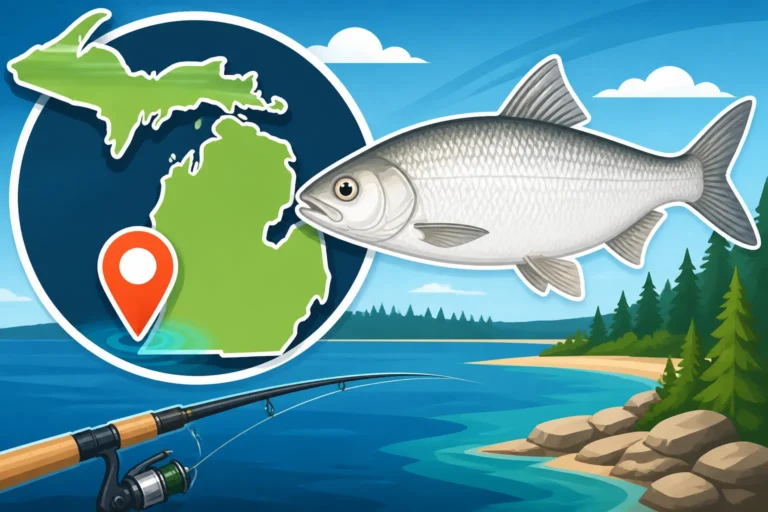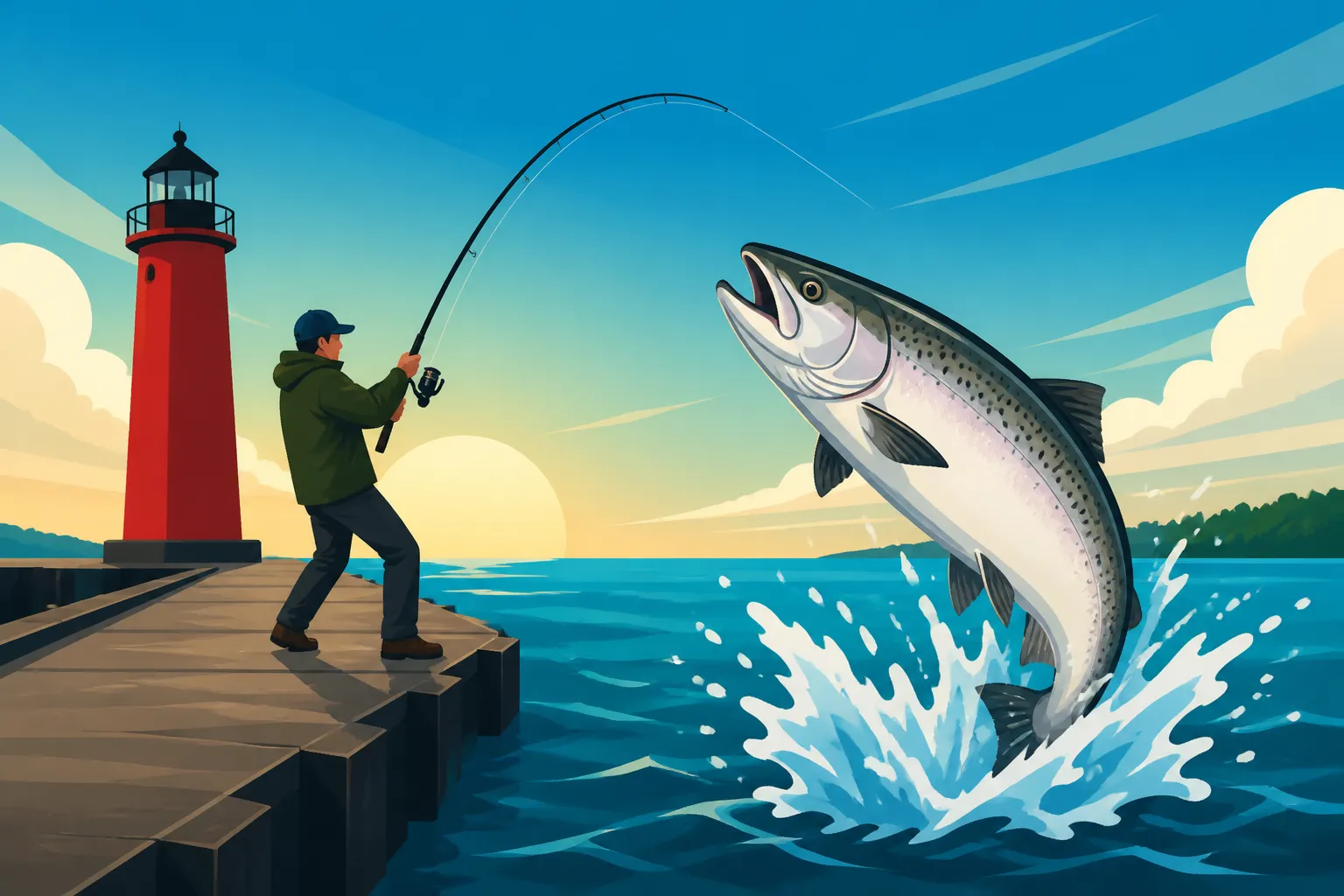
Lake Michigan Pier Fishing for Salmon
There's nothing quite like the thrill of feeling that powerful tug on your line, the unmistakable sign of a salmon running hard on Lake Michigan. But let's be honest, standing on a pier, staring out at that vast expanse of water, it can feel a little daunting trying to figure out where to cast, what to use, and when to even bother. It's easy to get discouraged when you see others reeling in fish while your bait goes untouched. This guide is here to cut through the confusion and equip you with the knowledge and confidence to make your next Lake Michigan pier fishing adventure for salmon a resounding success.
Understanding Lake Michigan's Salmon Species for Pier Anglers
When you're out on the piers of Lake Michigan, you're primarily targeting two powerhouse salmon species: Chinook and Coho. While they share the same waters and often similar techniques, understanding their subtle differences in behavior, diet, and typical run times can drastically improve your chances of hooking up. It's not just about throwing a line in; it's about fishing smart.
Chinook Salmon: The King of the Piers
Ah, the Chinook, often called the "King Salmon," and for good reason! These fish are the largest and arguably the most sought-after salmon species in Lake Michigan, renowned for their incredible strength and brutal fights. A mature Chinook can easily weigh 20-30 pounds, with some real monsters pushing even further. From the pier, you're usually encountering them during their staging and spawning runs, when they congregate near river mouths and harbors before heading upstream. They're aggressive, powerful, and will test your gear to its limits.
Chinook are typically dark, almost black, on their backs with silvery sides and a distinct dark gum line on their lower jaw. Their tails are heavily spotted. Their diet is primarily alewives and other baitfish, so mimicking these forage species with your lures is key. You'll often find them a bit deeper than Coho, especially early in the season, and they tend to hug structure more closely. While you can catch them throughout the warmer months, the real pier action for mature Chinook usually heats up from late August through October as they prepare to spawn. For more detailed information on their characteristics, you might want to read our guide on Chinook Salmon in Michigan's Great Lakes.
Coho Salmon: The Silver Bullet
If Chinook are the kings, then Coho salmon are the silver bullets – fast, acrobatic, and incredibly fun to catch. Coho are generally smaller than Chinook, usually ranging from 5 to 15 pounds, but they make up for it with their energetic fights, often leaping clear out of the water. Their vibrant silver sides (often with a hint of blue or green on the back) and a white gum line are key identifiers. Unlike Chinook, their tails have spots only on the upper lobe, if at all.
Coho tend to feed higher in the water column than Chinook, and they are known for being particularly aggressive towards flashy, fast-moving lures. They're often found in large schools, so if you catch one, there are likely more around. Their migratory patterns also differ slightly; you'll often see strong Coho runs in spring and early summer as they chase baitfish near the surface, and then again in the fall as they stage for spawning. Many pier anglers have phenomenal success with Coho during the spring, making them a fantastic early-season target. To learn more about targeting these exciting fish, check out our piece on Coho Salmon Fishing in Michigan.
Top Lake Michigan Piers for Salmon Fishing
Michigan boasts an incredible coastline along Lake Michigan, dotted with numerous piers that offer fantastic access to salmon. Not all piers are created equal for salmon fishing, though, and understanding which ones consistently produce, and why, is crucial for a productive trip. Weather, currents, and baitfish presence play huge roles, but some locations are simply perennial favorites.
Southern Michigan Hotspots
When you think of Lake Michigan pier fishing in southern Michigan, a few names immediately jump to mind. These piers are easily accessible for many residents and often have excellent amenities.
St. Joseph Pier: Located at the mouth of the St. Joseph River, this pier system (North and South piers) is legendary for its salmon and steelhead runs. Anglers here find success with both Chinook and Coho, particularly during the spring and fall staging periods. The St. Joseph River draws a tremendous number of fish, and the piers are the first point of contact before they enter the river. The water here can be deep, and the current can be strong, so heavy casting gear is often necessary. During a strong run, these piers can get quite crowded, but the action can be furious. You might even find some local fishing reports or guides for this area on a site like FishingBooker, offering insights into recent catches and conditions.
South Haven Pier: A bit north of St. Joe, the South Haven pier also benefits from a river mouth – the Black River. This pier is another consistent producer for both Coho in the spring and Chinook in the fall. It's a long pier that allows anglers to get out into deeper water, which is often key for reaching staging salmon. Anglers here often use a variety of spoons, crankbaits, and sometimes even live bait under a bobber closer to the pier heads. Like St. Joseph, the fall can see incredible numbers of Chinook pushing in, offering some of the best shore-based action of the year.
Central Michigan Pier Powerhouses
As you move up the coast into central Michigan, the pier fishing opportunities continue to shine, with some truly iconic locations that consistently deliver.
Grand Haven Pier: This pier, particularly the south pier, is a very popular spot and for good reason. It's located at the mouth of the Grand River, one of Michigan's largest river systems, which attracts massive numbers of migrating salmon and steelhead. Grand Haven is famous for its fall Chinook run, but you'll also find Coho throughout the spring and late summer. The pier extends far into Lake Michigan, providing access to deeper water and allowing anglers to intercept fish as they funnel towards the river. Casting large spoons and crankbaits are go-to methods here. The sheer length of the pier means you can often find a less crowded spot if you're willing to walk a bit. When planning your trip, consider consulting our comprehensive guide on Best Lake Michigan Fishing Piers and Harbors for more details on access and specific features.
Muskegon Pier: Just north of Grand Haven, the Muskegon pier system (again, north and south piers) also offers fantastic salmon fishing, situated at the mouth of the Muskegon River. This area is known for strong runs of Chinook and Coho, with consistent action in both spring and fall. The deeper water close to the pier head is often productive, especially for Chinook staging before their push into the river. Muskegon Lake itself holds a good population of baitfish, which keeps salmon in the area. Anglers here use everything from heavy spoons to spawn bags under bobbers, adapting to the fish's preferences on any given day.
Northern Michigan Pier Gems
Further north, the piers take on a slightly different feel, often with clearer water and stunning scenery, but no less productive for salmon.
Ludington Pier: At the mouth of the Pere Marquette River, the Ludington pier is another major hotspot. This area is celebrated for its incredible Chinook salmon runs, especially in late summer and fall. The water can be exceptionally clear here, requiring more stealthy presentations at times. Both the north and south piers offer excellent access, with many anglers focusing on the deeper pockets and current breaks. Ludington is also a major charter fishing hub, and seeing the boats return with coolers full of fish can give you a good indication of what's moving in. For a comprehensive overview of when different species are active, be sure to check out our Michigan Fishing Seasons Explained article.
Manistee Piers: The Manistee River is another significant salmon-producing river, making its piers prime locations. Both the north and south piers offer excellent access to Lake Michigan's salmon. Manistee is well-known for both its spring Coho and fall Chinook runs. The pier extends quite a distance, allowing anglers to cast into productive waters. Due to its more northern location, the fall run here can often start a bit earlier than in the southern ports, drawing dedicated anglers seeking those early kings.
Frankfort Pier: This picturesque pier at the mouth of the Betsie River is a true gem. While perhaps not as high-volume as some southern piers, Frankfort offers exceptional fishing, particularly for Coho in the spring and Chinook in the fall. The clear waters and stunning backdrop make for a memorable fishing experience. Anglers here often have success with smaller spoons and stickbaits, adapting to the generally clearer water conditions.
Here's a quick comparison of some popular Lake Michigan piers for salmon:
| Pier Location | Primary Salmon Species | Peak Seasons | Key Features | Typical Crowds |
|---|---|---|---|---|
| St. Joseph Piers | Chinook, Coho, Steelhead | Spring (Coho), Fall (Chinook) | River mouth, deep water, strong current | High |
| South Haven Pier | Chinook, Coho | Spring (Coho), Fall (Chinook) | Long pier, deep water access, river influence | Moderate-High |
| Grand Haven Pier | Chinook, Coho, Steelhead | Fall (Chinook), Spring (Coho) | Very long, Grand River mouth, strong runs | High |
| Muskegon Piers | Chinook, Coho | Spring (Coho), Fall (Chinook) | River mouth, consistent action | Moderate-High |
| Ludington Pier | Chinook, Coho, Steelhead | Fall (Chinook), Spring (Coho) | Pere Marquette River, clear water | High |
| Manistee Piers | Chinook, Coho | Spring (Coho), Fall (Chinook) | Manistee River, early fall runs | Moderate |
| Frankfort Pier | Chinook, Coho | Spring (Coho), Fall (Chinook) | Betsie River, scenic, clear water | Moderate |
Essential Gear and Tackle for Pier Salmon Success
Getting the right gear for pier fishing salmon on Lake Michigan isn't just about having a rod and reel; it's about being prepared for powerful fish, varied conditions, and the potential for a long day. You don't need to break the bank, but investing in quality components will save you headaches and heartbreak when that trophy fish finally bites.
Rods, Reels, and Line Selection
For pier salmon fishing, you need a setup that can handle heavy lures, long casts, and powerful fish. Forget your ultralight panfish gear; this is big game.
Rods: A medium-heavy to heavy power spinning or casting rod, typically 9 to 11 feet in length, is ideal. The extra length helps with longer casts, especially when you need to reach deeper water or beyond other anglers' lines. It also provides better leverage for fighting large salmon and keeping your line clear of the pier structure. A fast action tip will give you the sensitivity to detect subtle bites while still providing the backbone for a strong hookset. Brands like St. Croix, Ugly Stik, and Shimano offer excellent options for pier-specific rods.
Reels: A sturdy spinning reel in the 4000-6000 size range, or a baitcasting reel with a robust drag system, is essential. Your reel needs to hold plenty of line (at least 200 yards of 15-20 lb test) and have a smooth, reliable drag. Salmon make blistering runs, and a sticky or weak drag will lead to broken lines and lost fish. Shimano and Daiwa are popular choices known for their durability and performance.
Line: Braided line is a popular choice for its strength, sensitivity, and minimal stretch, typically 20-30 lb test. The lack of stretch helps with hooksets at long distances. However, braided line is highly visible, so you'll want to tie on a fluorocarbon leader (15-25 lb test, 3-6 feet long) to your main line. Fluorocarbon is nearly invisible in water and more abrasion-resistant, which is crucial around pier pilings and sharp rocks. Alternatively, a good quality monofilament line in 15-20 lb test can work, offering more stretch which can be forgiving during head shakes, but it has more memory and less sensitivity than braid.
Lures, Baits, and Terminal Tackle
This is where the art of fishing truly comes into play. Salmon can be picky, so having a variety of options is key.
Spoons: Heavy casting spoons are perhaps the most iconic and effective pier lures for salmon. Colors vary, but bright, flashy patterns (silver/blue, silver/green, chartreuse, orange, fire tiger) are always good bets. Sizes typically range from 3/4 oz to 1.5 oz to allow for long casts and to get down to the fish. Familiarize yourself with brands like Dardevle, Little Cleo, and Krocodile. The erratic, wobbling action of a spoon mimics a wounded baitfish, irresistible to hungry salmon.
Crankbaits/Stickbaits: Deep-diving crankbaits and long, slender stickbaits can also be highly effective, especially when salmon are actively feeding higher in the water column or when you want to cover different depths. These can be trolled from boats, but from the pier, casting and retrieving them will work. Brands like Rapala (J-13, Husky Jerk), Storm, and Bomber are excellent. Natural baitfish patterns, as well as bright, UV-reactive colors, can be productive.
Natural Baits: While artificial lures are popular, natural baits can be deadly, especially for staging fish.
- Spawn Bags: These small mesh bags filled with salmon or steelhead eggs are salmon candy. They can be drifted under a slip bobber or cast and slowly retrieved. Fresh eggs are best, but cured eggs from brands like Atlas Mike's or BorX O Fire are also effective.
- Alewives/Smelt: If you can get your hands on fresh dead alewives or smelt, they can be fished whole or in chunks. Rig them on a treble hook or large single hook and fish them under a bobber or on the bottom.
- Worms: While not always the first choice for salmon, a large nightcrawler or even a handful of worms can sometimes entice a reluctant fish, especially if they are transitioning from a pure baitfish diet.
Terminal Tackle: Don't overlook the small stuff!
- Swivels: High-quality barrel or ball-bearing swivels (size 5-7) are crucial to prevent line twist, especially when using spoons.
- Leaders: As mentioned, fluorocarbon leaders are a must.
- Hooks: Ensure your hooks are sharp! Replace dull hooks or upgrade the treble hooks on your lures if they seem flimsy.
- Weights: Split shots or small egg sinkers might be needed to get your bait down in certain conditions.
- Slip Bobbers: Essential for fishing spawn bags or natural bait at a precise depth.
When considering what gear to use, think about the conditions and the specific species you're targeting. For help selecting the right setup, our guide on Best Rods and Reels for Michigan Fishing offers excellent advice.
Pier-Specific Accessories
Pier fishing requires a few specialized items to make your day more comfortable and productive.
Landing Net or Gaff: This is non-negotiable for pier salmon fishing. You simply cannot hand-line a large salmon up 10-20 feet of pier wall. A long-handled landing net (at least 8-10 feet) with a sturdy hoop and rubberized mesh is ideal. Alternatively, a gaff can be used for fish you intend to keep, but it requires practice and isn't recommended for catch-and-release. Having a proper net or gaff ready is critical when that big fish finally comes to the wall.
Cooler with Ice: Salmon are best kept fresh on ice if you plan to eat them. A good cooler will keep your catch in prime condition, especially during warmer months.
Pliers/Forceps: For hook removal, cutting line, and crimping weights. A long-nosed plier is invaluable.
Knife: For cutting bait or other tasks.
Bucket/Rod Holder: A five-gallon bucket can serve as a seat, a place to store gear, or a temporary fish holder. Many anglers attach rod holders to their buckets or use specialized pier rod holders that clamp to the railing.
Cart/Wagon: Piers can be long, and carrying all your gear can be a workout. A fishing cart or wagon can save your back.
Appropriate Clothing: Dress in layers, as weather on Lake Michigan can change quickly. A good rain jacket is always a smart idea.
Mastering Pier Fishing Techniques for Salmon
Catching salmon from a pier isn't just about having the right gear; it's about employing effective techniques and understanding how to present your bait or lure to these powerful fish. Different conditions and different species often call for different approaches.
Casting and Retrieving Strategies
The most common and often most effective method for pier salmon fishing involves casting and retrieving artificial lures. The goal is to cover as much water as possible and entice a strike with an active presentation.
Long Casts: Salmon often hold in deeper water or beyond the immediate pier structure. The longer you can cast, the more water you can cover and the better your chances of reaching actively feeding fish. Use the full length of your rod, a smooth casting motion, and aerodynamic lures like heavy spoons or lipless crankbaits to maximize distance. When casting, try to fan your casts out, covering a wide arc of water rather than repeatedly hitting the same spot.
Varying Retrieval Speeds: This is critical. Don't just reel in at a steady pace every time. Experiment with fast retrieves, slow retrieves, and everything in between. Salmon are ambush predators, and an erratic action can trigger a strike. Try "ripping" your spoon or crankbait by making a quick, sharp pull with your rod tip, then letting it flutter back down on a semi-slack line. This darting action can mimic a panicked baitfish. Pay attention to what works on a given day; what one fish responds to, another might ignore. Often, the fish will hit on the pause or the drop.
Depth Control: Your lure needs to be where the fish are. After casting, let your lure sink for a few seconds before starting your retrieve to ensure it gets down into the strike zone. On different days, fish might be shallow (especially Coho in spring) or deep (Chinook staging). Count down your lure as it sinks to get an idea of the depth you're reaching. For instance, if you count to five and start retrieving, then count to ten on the next cast, you're exploring different depths.
Slip Bobber and Still Fishing Approaches
While casting and retrieving are great for covering water, sometimes a more stationary or controlled presentation is what's needed, especially when fish are concentrated or holding tight to structure.
Slip Bobber Rigging: This is a classic for a reason. A slip bobber allows you to suspend a natural bait (like a spawn bag, whole alewife, or worm) at a precise depth, often crucial when fish are holding in a specific water column or close to the bottom. The bobber "slips" up your main line, allowing you to cast without a fixed bobber getting in the way, then slides down to a pre-set bobber stop, setting your bait at the desired depth. You can effectively target depths from a few feet to over 20 feet with this setup. Pay close attention to current and wind, as these can drift your bobber and bait into the strike zone. Many successful anglers use this method around river mouths where salmon are staging before running upstream.
Still Fishing with Bottom Rigs: For salmon holding near the bottom, especially larger Chinook that are staging, a simple bottom rig can be highly effective. This typically involves a sinker (egg sinker or pyramid sinker) that sits on the bottom, with a leader (2-4 feet long) extending to a hook baited with a spawn bag or cut bait. The key here is to allow the bait to sit naturally on or near the bottom, mimicking a dead or dying baitfish. This method requires patience but can be incredibly rewarding, especially if you're fishing a known deep pocket or current break near the pier. Just be mindful of snags on the bottom, which can be common around pier structures.
Reading the Water and Targeting Fish
Successful pier fishing isn't just about technique; it's about being observant and understanding the environment around you. The lake is constantly changing, and the best anglers adapt.
Look for Activity: Keep an eye out for any signs of fish. Jumping salmon, baitfish schooling on the surface, or even gulls diving can indicate where the action is. Sometimes, you'll see large schools of alewives or smelt near the pier – this is a prime indicator that predatory salmon are likely nearby. If you see other anglers consistently catching fish, observe their methods, cast distances, and even the colors of their lures to gain insights.
Understand Current and Structure: Water currents can concentrate baitfish and, in turn, salmon. Look for current breaks around the pier pilings, where fish might be resting out of the main flow, or eddy lines where food collects. Deeper holes, rock piles, or sudden drop-offs near the pier are also prime holding areas. The water clarity also plays a role; clearer water might require lighter lines and more subtle presentations, while stained water allows for bolder lure colors and heavier lines. To deepen your understanding of the nuances, consider our article on Shore Fishing Techniques for Michigan's Great Lakes.
Time of Day: Early morning and late evening (dawn and dusk) are often the most productive times for salmon fishing from piers, as fish are typically more active and feed closer to shore during these periods. Overcast days or periods of low light can extend these feeding windows throughout the day. However, during strong runs, salmon can bite at any time.
Seasonal Timing and Conditions for Peak Pier Action
Knowing when to fish can be just as important as knowing how to fish, especially for migratory species like Lake Michigan salmon. Their movements are highly dictated by seasons, water temperatures, and their biological drive to spawn.
Spring Coho and Chinook Runs
Spring on Lake Michigan often kicks off the salmon fishing season with a bang, particularly for Coho. As the ice recedes and water temperatures slowly climb into the 40s and 50s Fahrenheit, Coho salmon become incredibly active nearshore.
Coho Surge: Typically starting in April and extending into May and early June, large schools of Coho move into the shallower, warmer waters near the piers, aggressively feeding on alewives and other baitfish that are also moving inshore. This is often the prime time for fast and furious Coho action from the piers. They'll readily strike smaller, flashy spoons and stickbaits retrieved higher in the water column. The Michigan DNR and local bait shops often report on these runs, so it's worth checking local sources or even FishingBooker for reports from local guides. Our article on When Does the Coho Salmon Run Start in the Great Lakes offers great insight.
Early Chinook Presence: While not as prominent as the fall run, some smaller "feeder" Chinook, usually younger fish, can also be caught from the piers in spring. These fish are generally targeting baitfish and will hit similar lures as Coho but might be holding a bit deeper. The spring is a fantastic time for mixed bag fishing, as you might also encounter steelhead (which are technically rainbow trout) and brown trout from the same piers.
Summer Opportunities and Cooler Water Tactics
As summer progresses and surface water temperatures climb, salmon fishing from the piers can become a bit more challenging but is by no means impossible.
Deeper and Cooler: When the nearshore waters get too warm (typically above 60-65°F), the majority of salmon will move offshore to deeper, cooler thermal refuges. This doesn't mean they vanish from the piers entirely, but you'll need to adjust your tactics. Focus your efforts during the cooler parts of the day – early mornings, evenings, and after dark. Night fishing can be surprisingly productive during the summer, as salmon will move closer to the piers under the cover of darkness.
Targeting Coldwater Upwellings: Pay attention to weather patterns. Strong westerly winds can sometimes cause "upwellings," pushing cold, deep water closer to shore. When this happens, salmon can move back into pier range, even in the middle of summer. Look for sudden drops in water temperature or changes in water clarity near the piers. You might also find that salmon concentrate around the deepest parts of the pier or near river mouths where cooler water might be present. Fishing deeper with heavier spoons or bottom-fished natural baits will increase your odds. For those wondering about the absolute best times, our guide on the Best Time of Year to Fish in Michigan covers the full seasonal spectrum.
Fall Salmon Spectacle and Spawning Runs
Fall is undeniably the peak season for pier fishing for mature Chinook salmon, and it's a spectacle not to be missed.
The King's Return: Starting in late August and peaking through September and into October, mature Chinook salmon begin their annual spawning migration. These massive fish stage near river mouths and harbor entries, congregating in huge numbers before making their final push upstream. This is when the piers come alive with anglers hoping to hook a true "king." They are aggressive as they prepare to spawn and will hit large spoons, crankbaits, and especially spawn bags. The sheer power of a fall Chinook is legendary. For precise timing on these incredible runs, refer to our article on the Best Time to Catch Chinook Salmon in Michigan.
Coho and Steelhead Follow-up: While Chinook are the stars of the fall, Coho also make their spawning runs during this time, often mixing with the Chinook. Later in the fall, as water temperatures drop further, steelhead (migratory rainbow trout) will begin to show up around the piers, following the salmon to feed on their eggs. This extends the pier fishing season well into November and even December, offering a multi-species angling opportunity. Pier fishing during the fall run can be incredibly exciting, but also very popular, so be prepared for crowds, especially on weekends at top locations.
Navigating Regulations and Responsible Angling on Lake Michigan Piers
Fishing on Lake Michigan, especially from public piers, comes with a set of rules and responsibilities. Understanding and adhering to these regulations isn't just about avoiding fines; it's about ensuring sustainable fisheries and a positive experience for everyone.
Michigan Fishing License Requirements
First and foremost, if you're 17 years old or older, you must have a valid Michigan fishing license to fish from any public pier or water in the state. This applies to both residents and non-residents. The license year runs from March 1st through March 31st of the following year, so it's not a calendar year license.
Where to Buy: You can easily purchase a Michigan fishing license online through the Michigan Department of Natural Resources (DNR) website, at any authorized license dealer (bait shops, sporting goods stores, some convenience stores), or through the DNR Hunt Fish App. It's quick, easy, and essential. There are various types of licenses available, including annual licenses, 24-hour licenses, and combination hunt/fish licenses. Ensure you choose the one that best suits your needs. For a complete breakdown, check out our Michigan Fishing License Guide for Residents and Nonresidents.
Proof of License: Always carry proof of your license while fishing. This can be a physical copy, an electronic copy on your phone through the DNR app, or a photo of your license. Conservation Officers regularly patrol piers and will ask to see your license. Fishing without one can result in significant fines and penalties.
Bag Limits and Size Restrictions
Michigan has specific bag limits (the number of fish you can keep per day) and minimum size limits for salmon and trout species, which are crucial for managing fish populations. These limits can vary by species and sometimes even by specific waters, although Great Lakes regulations are usually consistent.
General Salmon/Trout Limits: For Lake Michigan and its tributaries, the daily possession limit for salmon and trout is usually 5 fish in any combination, with specific rules for individual species. For example, there's often a sub-limit on how many lake trout can be part of that total. Currently, the daily possession limit for Chinook and Coho salmon is 5 fish per day, no minimum size limit, but always double-check the latest regulations digest.
Importance of the Digest: Always consult the current Michigan Fishing Regulations Digest before heading out. This free publication, available online or at license dealers, is your ultimate source for all current rules, including daily bag limits by species, minimum size limits, and any special regulations for specific areas. Regulations can change annually, so relying on outdated information is a big risk. Our article on Michigan Bag and Size Limits Explained is a great resource, but always refer to the official DNR digest for the absolute latest.
Measuring Fish: If a minimum size limit applies to a species you're targeting, know how to properly measure your fish. Measurement is typically from the tip of the snout to the end of the tail with the fish lying flat. If a fish is undersized, release it immediately and with care to maximize its chances of survival.
Ethical Practices and Pier Etiquette
Responsible angling extends beyond just following the rules; it involves being a good steward of the resource and a considerate fellow angler.
Catch and Release: If you're not planning to keep a fish, handle it with care to ensure its survival. Use a rubberized net, keep the fish in the water as much as possible, remove hooks quickly with pliers, and avoid touching gills or eyes. Support the fish horizontally and allow it to recover before release.
Trash and Waste: Pack it in, pack it out! This includes fishing line, bait containers, and any other litter. Many piers have trash receptacles; use them. Leaving trash behind degrades the environment and is disrespectful to other anglers and the community.
Pier Etiquette:
- Space: Piers can get crowded, especially during peak runs. Be mindful of other anglers' space and casting room. Don't cast over someone else's line.
- Noise: Keep noise levels down, especially in the early morning or late evening.
- Sharing the Net: If someone else lands a big fish and needs a hand with a net, offer assistance. Likewise, don't be afraid to ask for help if you need it.
- Respect Private Property: Some piers or areas adjacent to piers might be private. Always respect signage.
- DNR Officers: If a DNR Conservation Officer approaches, be cooperative and have your license and any fish ready for inspection. They are there to protect the resource and ensure fair play.
By adhering to these regulations and practicing responsible angling, you're not only ensuring a legal and safe fishing trip but also contributing to the health and longevity of Michigan's incredible salmon fisheries for generations to come.
Disclaimer
Please remember that fishing regulations, conditions, and fish behavior can change rapidly. Always consult the most current Michigan Department of Natural Resources (DNR) fishing guide or website for the latest regulations before you head out. This article is intended for informational purposes only and does not constitute legal advice regarding fishing laws. Be aware of weather conditions, practice safety, and fish responsibly.