Straits of Mackinac Fishing Spots
Figuring out where to cast a line in Michigan can feel like searching for a needle in a haystack, especially when you're looking at a truly unique and expansive fishery like the Straits of Mackinac. This guide is here to unravel the mysteries of fishing these legendary waters, offering practical advice and pinpointing the best spots to help you hook into some incredible fish, from powerful salmon to tasty walleye, without the usual stress of navigating such a vast area.
The Unique Fishing Environment of the Straits of Mackinac
The Straits of Mackinac isn't just a picturesque waterway; it's a dynamic, powerful fishery where two of the world's largest freshwater lakes converge. This unique geography creates a fishing experience unlike almost anywhere else, presenting both incredible opportunities and specific challenges for anglers. Understanding these foundational aspects is key to successful trips here.
Geographical Significance and Water Dynamics
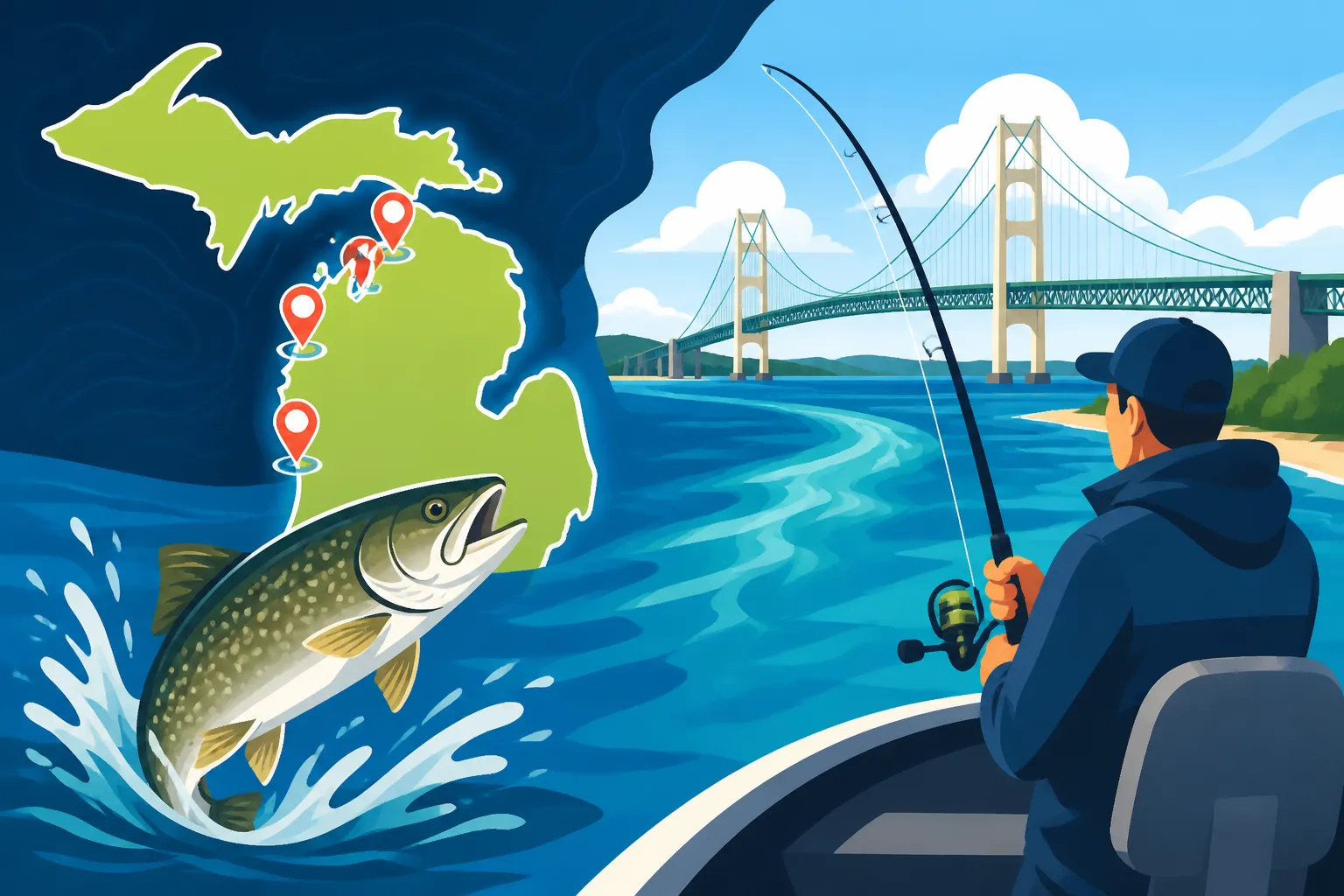
At its core, the Straits of Mackinac is the narrow, roughly 5-mile-wide channel connecting Lake Michigan to the west and Lake Huron to the east. This isn't just a simple connection; it's a constantly flowing, often turbulent gateway where the waters of these two massive Great Lakes mix and mingle. Imagine the sheer volume of water, the differing temperatures, and the diverse currents that flow through this bottleneck—it's a lot for a fish to navigate, and it certainly keeps anglers on their toes.
The currents in the Straits can be surprisingly strong and unpredictable, influenced by everything from wind direction and intensity to seiche events, which are like sloshing waves within the lakes themselves. This constant movement brings an abundance of baitfish, from emerald shiners to alewives, right into the jaws of waiting predators. For anglers, these currents mean you need to adjust your techniques, from the weight of your sinkers for bottom fishing to the speed of your troll. It’s definitely not a place for light tackle if you're targeting big, hard-fighting fish like salmon or lake trout. The deep water here, reaching depths of over 200 feet in some areas, further complicates things, offering fish plenty of room to roam and hide, making good electronics and a solid understanding of fish behavior invaluable.
A Diverse Habitat for Many Species
Because the Straits acts as a migratory highway and a feeding ground where two distinct lake ecosystems meet, it supports an incredibly diverse array of fish species. You'll find cold-water species that thrive in the deep, oxygen-rich waters, alongside warmer-water species that prefer the shallower bays and river mouths that feed into the Straits. This biological melting pot means that depending on the season and your chosen technique, you could be targeting a completely different type of fish just a few miles from your last spot.
The rocky structure, deep channels, and points around the Mackinac Bridge itself provide excellent ambush points for predatory fish. The convergence of currents also creates upwellings, bringing nutrient-rich water to the surface, which fuels the entire food web. For example, baitfish will stack up in certain current seams, and where the baitfish are, the salmon, trout, and walleye are sure to follow. This rich, varied habitat is precisely why the Straits of Mackinac remains a perennial favorite for Michigan anglers, drawing people from all over who are eager to experience its bounty. It’s also why understanding the local nuances is so crucial; what works on the Lake Michigan side might not be as effective just under the bridge or on the Lake Huron side.
Prime Target Species in the Straits
The Straits of Mackinac is a true smorgasbord for anglers, offering a diverse array of fish species that can keep your rods bent throughout the year. Knowing what you're likely to encounter and when is half the battle, helping you tailor your gear and approach for maximum success.
Salmon and Trout: The Great Lakes Giants
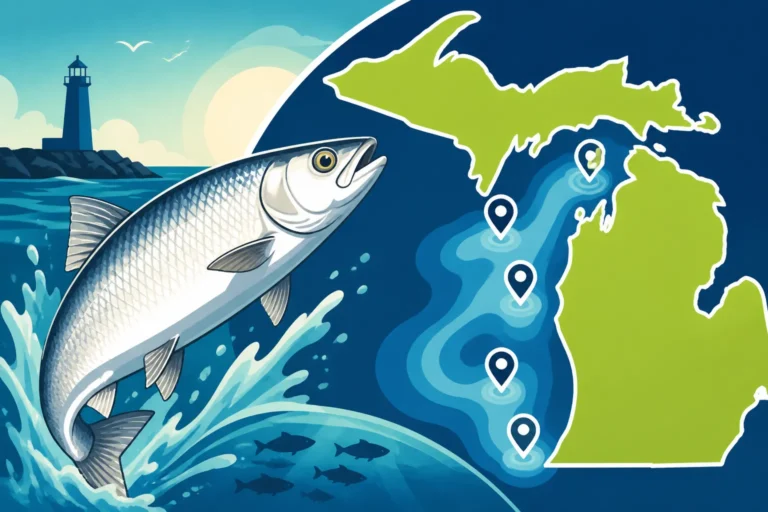
When most people think of fishing the Great Lakes, their minds often drift to the mighty salmon and trout, and for good reason—the Straits of Mackinac delivers on both fronts. Chinook (King) salmon and Coho salmon are major draws, especially from late spring through fall. These powerful fish use the Straits as a major migration corridor, heading to and from their spawning rivers. You’ll find them cruising the deeper waters, often congregating around current breaks and baitfish schools.
Lake trout are also abundant here, often found hugging the bottom in the deep, cold waters. Unlike salmon, lake trout are native to the Great Lakes and can be caught year-round, though they are most actively pursued in cooler months. Steelhead, which are migratory rainbow trout, also make appearances, particularly in the spring and fall as they move between the lakes and tributary rivers. Catching one of these acrobatic fighters is a real thrill. For anyone looking to target these species, trolling with downriggers, lead core, or planer boards is a popular and effective method, allowing you to cover vast amounts of water and present your lures at various depths. Often, spoons, plugs, or even natural baits like cut bait or minnows are used. Remember to check the specific Michigan Great Lakes Fishing Regulations Guide for current limits and seasons, as they can sometimes vary by species and location.
Walleye and Yellow Perch: Delicious Diners
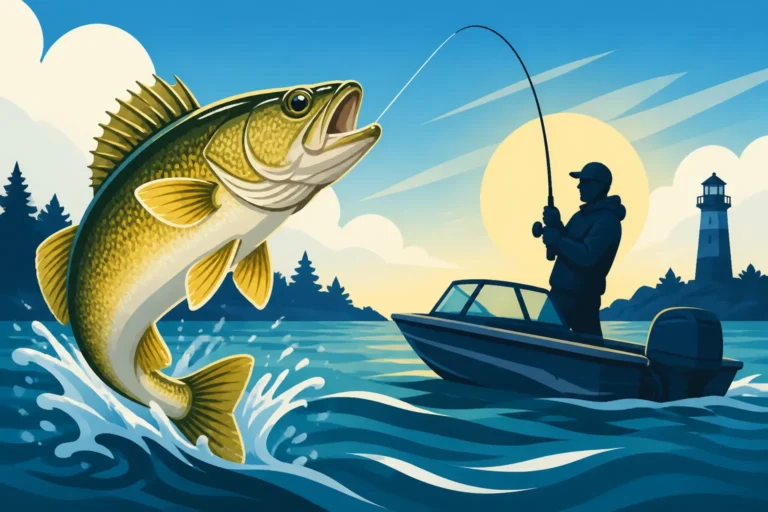
Beyond the salmon and trout, the Straits also offer excellent opportunities for two of Michigan's most beloved table fish: walleye and yellow perch. Walleye, known for their delectable fillets and elusive nature, can be found in good numbers, particularly on the Lake Huron side of the Straits, moving in and out of Saginaw Bay. They tend to prefer structure and often feed actively during low-light conditions, making early mornings, evenings, and even night fishing productive.
Anglers targeting walleye often use a variety of techniques, including jigging with soft plastics or blade baits, trolling with crankbaits, or drift fishing with live bait such as minnows or crawler harnesses. While the average size might not rival some of the state's premier walleye fisheries, the sheer numbers can make for an exciting day. Yellow perch, a smaller but equally delicious species, are often found in schools in shallower bays and near weed beds. They're a favorite for family fishing trips, often caught using small jigs tipped with a minnow or a piece of worm. They might not offer the same fight as a salmon, but a cooler full of perch makes for an unforgettable fish fry. You'll want to be familiar with specific Michigan Walleye Size and Possession Limits before heading out.
Smallmouth Bass and Northern Pike: Aggressive Brawlers
For those who enjoy a more aggressive fight and often target fish closer to shore or in shallower waters, smallmouth bass and northern pike are also present in the Straits area. Smallmouth bass thrive in the rocky, clear-water environments found around the islands and shorelines of the Straits. They're incredibly hard fighters for their size, known for their acrobatic jumps and powerful runs. You can catch them using a variety of lures, including crankbaits, jerkbaits, soft plastics, and topwater lures, especially during the warmer months.
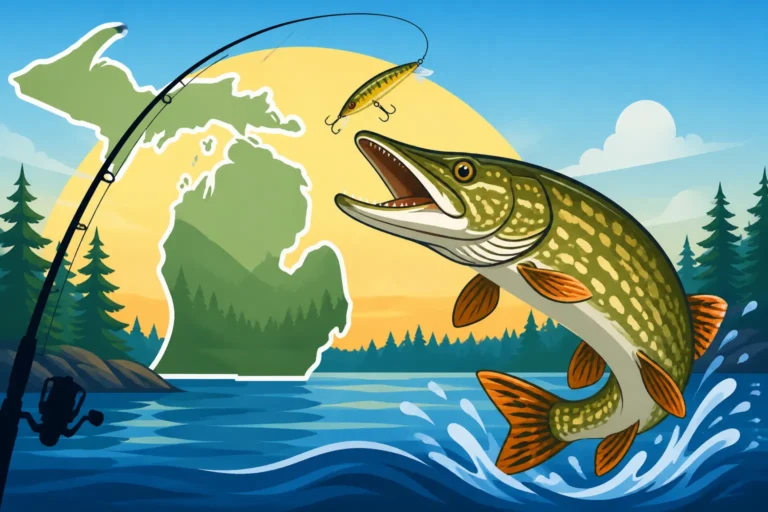
Northern pike, easily identifiable by their elongated bodies and sharp teeth, are ambush predators that lurk in weed beds, around submerged structures, and along drop-offs. While not as heavily targeted as salmon or walleye in the main channels, they offer exciting action in the shallower bays and near marshy areas. Large spoons, spinnerbaits, and even live bait under a bobber can entice these toothy critters. Just be sure to bring a pair of long-nosed pliers for hook removal! These species offer fantastic sport fishing, providing a different challenge and often a more hands-on approach than traditional trolling.
Top Fishing Spots and Techniques in the Straits
The vastness of the Straits can be intimidating, but by breaking it down into key areas and understanding the favored techniques for each, you can greatly improve your chances of success. From the iconic Mackinac Bridge to the surrounding shorelines and islands, each offers unique opportunities.
Fishing Around the Mackinac Bridge
The Mackinac Bridge itself is more than just a transportation marvel; it's a colossal piece of structure that attracts and holds fish. The deep waters, strong currents, and diverse bottom contours around its massive piers create a dynamic feeding zone. This area is particularly renowned for its salmon and trout fishing.
Anglers frequently target the bridge pilings and the current breaks they create. Trolling is a very popular method here, often with downriggers to get lures, like spoons or large plugs, down to the depths where king salmon and lake trout lurk. Pay close attention to your fish finder; you’ll often see schools of baitfish, and the larger predators won't be far behind. The currents can make precise boat control challenging, so a powerful motor and good electronics are a huge advantage. For shore anglers, especially those without a boat, the areas immediately adjacent to the bridge, such as the Mackinaw City and St. Ignace sides, offer pier fishing opportunities, though the heavy currents can make presenting bait difficult. However, determined anglers can still catch a variety of species, from perch to smaller salmon, using heavy sinkers and robust tackle. Don't forget, safety is paramount, especially when fishing near such strong currents.
St. Ignace Side Waters
On the Upper Peninsula side, St. Ignace and its surrounding waters offer some fantastic fishing, particularly for those looking to explore a mix of species. The bays and points near St. Ignace provide more sheltered waters compared to the open Straits, making them ideal for smaller boats or kayak anglers.
The shallow bays, like those around the St. Ignace Municipal Marina or closer to Castle Rock, are excellent for yellow perch and smallmouth bass, especially during the warmer months. These areas often have weed beds and rocky structures where these fish forage. Light spinning tackle with small jigs, worms, or minnows can be very effective for perch, while a variety of bass lures will entice the smallmouth. Deeper channels and drop-offs just outside these bays can hold walleye, particularly during dawn and dusk. Trolling with crankbaits or drift fishing with crawler harnesses in these transition zones can yield good results. Charter services often depart from St. Ignace, making it a convenient base for a guided trip. If you're interested in booking a trip, platforms like FishingBooker can help you find local captains who specialize in these specific waters and target species.
Mackinaw City Side Waters
Across the Straits, on the Lower Peninsula, Mackinaw City offers similar, yet distinct, fishing opportunities. The area around the Mackinaw City Municipal Marina and the adjacent shoreline also provides accessible fishing spots, blending opportunities for both Great Lakes giants and smaller panfish.
The pier in Mackinaw City is a popular spot for shore anglers, especially during the spring and fall runs, when salmon and steelhead can be caught casting spoons, spinners, or even drifting spawn bags. While not as consistent as boat fishing, it offers a real chance at a trophy without needing a vessel. Further out, the deeper waters around the Old Mackinac Point Lighthouse are prime territory for trolling for lake trout and salmon. The strong currents here can be a blessing and a curse; they bring in bait but also demand attention to your presentation. Like St. Ignace, the shallower coves and protected areas can be fantastic for smallmouth bass and perch. Targeting these areas with plastics or live bait around rocky outcroppings and submerged timber can be highly productive. Many anglers also find success jigging for walleye in these waters, especially where there are distinct depth changes or current seams.
Fishing the Nearby Islands: Bois Blanc and Round Island
The Straits isn't just about the mainland shores; the islands scattered within it—most notably Bois Blanc Island and Round Island—are also fantastic, albeit sometimes less accessible, fishing destinations. These islands often provide sheltered bays, rocky points, and unique current situations that attract a variety of fish.
Bois Blanc Island, being larger, offers numerous coves and points that can be explored by boat. The waters around it are known for smallmouth bass, northern pike in the shallower weedier areas, and excellent walleye fishing along its deeper rocky edges. For trophy fish, particularly large lake trout, the deep structure offshore from Bois Blanc can be incredibly productive, requiring careful navigation and presentation. Round Island, located closer to Mackinac Island, also offers good smallmouth bass opportunities, especially around its rocky perimeter. The currents between Mackinac Island and Round Island can be quite strong, making it a challenging but rewarding area for those skilled in boat control. These island locations often see less fishing pressure than the mainland spots, offering a more serene and potentially more productive experience for adventurous anglers. When planning a trip to these areas, consider checking local marinas or platforms like FishingBooker for charter options that include visits to these less-frequented but highly rewarding spots.
Planning Your Fishing Trip to the Straits
Embarking on a fishing adventure in the Straits of Mackinac requires a bit of forethought to ensure a smooth and successful outing. From understanding the rules to having the right gear, preparation is key when dealing with these mighty waters.
Navigating Regulations and Seasons
Before you even think about dropping a line, it's absolutely vital to be familiar with the comprehensive Michigan Fishing Regulations Every Angler Should Know and ensure you have the correct Michigan Fishing License Guide for Residents and Nonresidents. The Michigan Department of Natural Resources (DNR) publishes an annual fishing guide that details all species-specific regulations, size limits, and possession limits. For a body of water as complex as the Straits, which borders both Lake Michigan and Lake Huron, it's particularly important to pay attention to any localized rules or special regulations that might apply. For instance, while much of the Great Lakes trout season stays open year-round for certain species, specific inland waters might have different opening and closing dates.
Also, be mindful of the fishing season dates for target species. While salmon and trout can often be pursued for much of the year, their peak activity and concentrations vary significantly. Walleye, for example, have distinct seasons, particularly in the Upper Peninsula. Staying informed about these details will prevent any unfortunate run-ins with conservation officers and ensures you're fishing legally and sustainably. It's a small effort that pays huge dividends in peace of mind.
Choosing Charters or DIY Adventures
Deciding whether to go with a guided charter or embark on a do-it-yourself adventure largely depends on your experience level, access to equipment, and desired fishing experience. If you’re new to the Straits, or Great Lakes fishing in general, booking a charter is highly recommended. Experienced captains know the local waters like the back of their hand, possessing specialized knowledge of current fish movements, productive depths, and the most effective techniques. They also come equipped with all the necessary gear, from boats and electronics to rods, reels, and bait, saving you the significant investment and learning curve. Platforms like FishingBooker are excellent resources for finding reputable Straits of Mackinac fishing charters, allowing you to compare options and read reviews to pick the perfect trip for your group.
However, for seasoned anglers with their own capable boats and gear, a DIY trip offers the freedom to explore at your own pace. If you choose this route, make sure your boat is properly equipped for Great Lakes conditions, which can change rapidly. This means having appropriate safety gear, reliable electronics, and a powerful enough motor to handle the currents. You'll also want to familiarize yourself with Michigan Boat Registration Requirements and ensure your vessel meets all safety standards. Both options offer incredible fishing experiences, but matching your choice to your skill level and resources will lead to the most enjoyable trip.
Essential Gear Considerations
Regardless of whether you're chartering or going solo, having a general understanding of the right gear for the Straits is beneficial. For salmon and trout, heavy-duty trolling rods and reels spooled with at least 20-pound test monofilament or braid are standard. Downriggers, planer boards, and a good assortment of spoons, plugs, and flasher-fly combinations are essential for covering various depths. Your fish finder is arguably your most critical piece of equipment; understanding how to read it to identify baitfish schools, thermoclines, and bottom structure is paramount.
For walleye, a medium-heavy spinning or baitcasting setup is versatile, capable of handling jigs, crankbaits, and live bait rigs. You’ll want a good selection of jigs in various weights and colors, along with crankbaits that dive to different depths. For perch and smallmouth bass, a lighter action spinning rod and reel with 6-10 pound test line will provide ample sport. A variety of small jigs, soft plastics, and classic live baits like minnows or worms will do the trick. Don't forget essentials like a sturdy net (especially for muskellunge, if you're lucky enough to hook one), long-nosed pliers, a tackle box stocked with appropriate lures and terminal tackle, and plenty of sunscreen and water. The Michigan weather can be fickle, so layered clothing is always a smart choice. Being prepared with the right tools for the job means more time fishing and less time fumbling around.
Table: Straits of Mackinac Target Species & Techniques
This table provides a quick overview of the primary species you'll encounter in the Straits, along with the optimal seasons and common techniques to target them.
| Species | Peak Season (General) | Preferred Habitat | Common Techniques | Recommended Bait/Lures |
|---|---|---|---|---|
| Chinook Salmon | Late Spring – Fall | Deep open water, current breaks | Trolling with downriggers, planer boards | Spoons, plugs, flasher-flies, cut bait |
| Lake Trout | Year-round (Cooler) | Deep cold water, bottom structure | Trolling, jigging, downriggers | Spoons, dodgers, cowbells, tube jigs, live minnows |
| Walleye | Spring – Fall | Deep channels, structure, low light | Trolling, jigging, drift fishing | Crankbaits, blade baits, soft plastics, crawler harnesses |
| Yellow Perch | Spring – Fall | Shallow bays, weed beds, near piers | Still fishing, bobber fishing, light jigging | Small minnows, worms, wax worms, small jigs |
| Smallmouth Bass | Summer | Rocky shorelines, reefs, points | Casting, jerkbaits, soft plastics, topwater | Crankbaits, tubes, grubs, crayfish imitations |
| Northern Pike | Spring – Fall | Weed beds, shallow cover | Casting, trolling, live bait under a bobber | Large spoons, spinnerbaits, large shiners |
Disclaimer
Fishing conditions and regulations in Michigan can change frequently. Always consult the latest Michigan Department of Natural Resources (DNR) fishing guide and local advisories before heading out on the water. This guide is for informational purposes only and does not constitute legal advice.