Mullett Lake Fishing Spots
Trying to figure out where to cast your line on a massive, deep lake like Mullett Lake can feel like searching for a needle in a haystack, especially when you're dreaming of landing that trophy walleye or battling a feisty smallmouth. It's frustrating to drive all that way, launch your boat, and then spend hours aimlessly searching instead of actually fishing. This guide is here to cut through that confusion, giving you the insider scoop on the best fishing spots on Mullett Lake, what species you'll find, and the techniques that actually work, so you can spend less time guessing and more time reeling in fish.
Understanding Mullett Lake's Unique Fishery
Mullett Lake isn't just another pretty face in Northern Michigan; it's a deep, diverse fishery that offers incredible opportunities if you know where to look. Part of Michigan's famed Inland Waterway, connecting communities like Indian River and Cheboygan, this lake spans over 17,000 acres and plunges to depths exceeding 120 feet. This combination of size and depth creates a fantastic habitat for a wide variety of fish, from cold-water species like Lake Trout to warm-water favorites like Walleye and Smallmouth Bass. But its sheer size can be intimidating, making it crucial to understand the lay of the land—or rather, the lay of the lakebed—before you even get your bait wet.
Geology and Habitat Diversity
Mullett Lake's geological history is tied to glacial movements, which carved out its deep basins and shaped its complex shoreline. This isn't a shallow, uniform bowl; it features steep drop-offs, expansive flats, numerous points, and submerged humps and islands. The lakebed itself is a mix of sand, gravel, and muck, with scattered rock piles and plenty of aquatic vegetation in shallower areas. This diverse structure is precisely why so many different fish species thrive here. For instance, the deep, cold waters provide refuge for Lake Trout, while the shallower, weed-laden bays are perfect ambush points for Northern Pike and largemouth bass, and the rocky points are magnets for smallmouth. Knowing these bottom transitions is half the battle; without good sonar, you're truly fishing blind on a lake this big.
Water Clarity and Temperature
Michigan's Mullett Lake generally boasts excellent water clarity, especially in its deeper sections, which is typical of many large, glacially-formed lakes in the region. This crystal-clear water, while beautiful, can sometimes make fishing a bit more challenging, especially on bright, sunny days, as fish can be more wary. Understanding how fish react to different light conditions and adapting your presentation accordingly is key. In terms of temperature, Mullett Lake experiences significant stratification during the warmer months, with distinct thermoclines forming. This means fish will often stack up at specific depths where the temperature and oxygen levels are ideal for them. During the spring and fall, when the water column mixes, fish can be found throughout, making those transitional periods often the most productive. The lake is connected to other major bodies of water through the Inland Waterway, like Burt Lake and the Indian River, meaning fish can move freely, which is an important consideration when trying to pattern their movements.
Prime Fishing Locations on Mullett Lake
Navigating Mullett Lake effectively means knowing its key features and how different species relate to them. This lake offers a range of environments, from the broad, open waters to secluded bays and river mouths, each holding its own promise for anglers.
The Indian River Mouth
Where the Indian River flows into Mullett Lake, you'll find a highly productive area. This confluence brings nutrients and baitfish, making it a natural magnet for game fish. The river mouth itself creates a current, even subtle, that positions fish for ambush. Just outside the mouth, there are often sand flats that drop off into deeper water, creating excellent structure. This area is particularly fantastic during the spring and fall when species like Walleye and Smallmouth Bass are actively moving. In spring, as waters warm, baitfish will move into the river, and predators will follow. Anglers often find success here by jigging or casting crankbaits along the drop-offs. If you're targeting perch, drifting with minnows or small jigs around the shallower fringes of the river mouth can be incredibly effective. For those looking for a guided trip, finding a local expert through a service like FishingBooker who specializes in this dynamic area can make a huge difference, especially early in the season.
Tom's Run and Aloha State Park
On the eastern side of Mullett Lake, Tom's Run is another excellent inlet that provides prime fishing opportunities, particularly for Northern Pike and various panfish. The shallower, weed-choked waters around Tom's Run and near Aloha State Park provide ideal cover and feeding grounds for these species. Casting spinnerbaits or large spoons into the weed lines for pike, or using slip bobbers with worms or leeches for bluegill and crappie, can lead to consistent action. These areas are also great for family outings, offering good shore access at the state park for a more relaxed fishing experience. During the summer, the abundant vegetation offers shade and protection, attracting baitfish and, consequently, their predators. It's a fantastic spot for kayak fishing in Michigan, allowing you to quietly explore the edges of the weed beds.
Deep Water Basins and Structure
Mullett Lake boasts significant deep-water basins, especially towards the northern and central parts of the lake. These deep areas, often exceeding 100 feet, are where you'll find Lake Trout. Look for abrupt depth changes, underwater humps, and points that extend into the abyss. These are classic Lake Trout haunts. Trolling with downriggers or heavy spoons is a common method here. During the summer months, Lake Trout will hug the thermocline, which usually sits somewhere between 40-70 feet, depending on the year and conditions. Understanding how to use your electronics to locate this thermal layer and identify baitfish schools is critical. But it’s not just Lake Trout; Walleye will also often suspend over deep water, particularly during the summer and fall, chasing schools of baitfish. These deeper regions also provide opportunities for other species, as the edges of these basins can attract smallmouth bass and perch.
Rocky Points and Shoals
Throughout Mullett Lake, various rocky points and shoals extend out from the shoreline or rise up from the depths. These areas are prime ambush points for Smallmouth Bass and Walleye. Good examples can be found along the western shore, particularly around areas like the Mullett Lake State Park boat launch, and various unnamed points that jut out into the lake. Smallmouth Bass, in particular, love these rocky environments, feeding on crayfish and other invertebrates. Casting tube jigs, drop shots, or crankbaits around these structures can yield impressive results. For Walleye, especially in the evenings or on overcast days, drifting live bait rigs (like a Lindy Rig with a crawler or leech) or casting shallow-diving crankbaits over and around these rocky areas can be very productive. Remember to consult the Michigan Fishing Regulations Every Angler Should Know to ensure you're compliant with all species-specific rules.
Targeting Mullett Lake's Top Species
Mullett Lake is a multi-species angler's dream, offering fantastic fishing for several popular game fish. Each species has its preferred habitat, feeding patterns, and best techniques.
| Species | Preferred Habitat | Best Time of Year | Key Techniques |
|---|---|---|---|
| Walleye | Weedy flats, rocky points, deep humps, river mouths | Spring, Fall, Summer evenings | Jigging, Trolling, Drifting Live Bait |
| Northern Pike | Weed beds, shallow bays, structure near inlets | Spring, Summer, Fall | Casting Spoons, Spinnerbaits, Large Jerkbaits |
| Smallmouth Bass | Rocky points, drop-offs, gravel flats | Summer, Early Fall | Tube Jigs, Drop Shot, Crankbaits, Topwater |
| Yellow Perch | Weed edges, sand flats, transition areas, river mouths | All Year (incl. Ice) | Small Jigs, Live Minnows, Worms |
| Lake Trout | Deep basins, submerged humps, thermocline | Summer, Fall | Downrigger Trolling, Deep Jigging |
Walleye: The Elusive Golden Eye
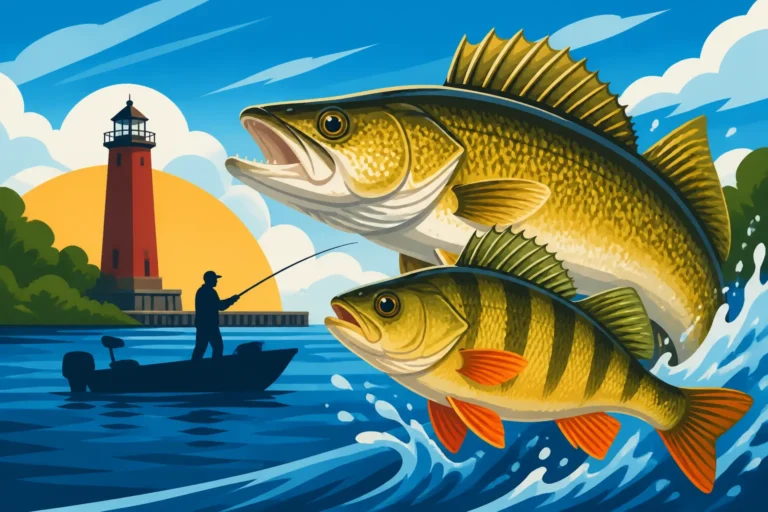
Walleye fishing on Mullett Lake can be incredibly rewarding, but they can also be notoriously finicky. They are often found in areas with a good mix of structure and baitfish, which on Mullett means focusing on the transition zones between deep and shallow water, particularly around rocky points and weed edges. The Indian River mouth, especially in spring and fall, is a renowned Walleye hotspot. Many anglers find success using Michigan Walleye Fishing Techniques like trolling crawler harnesses over flats in 15-30 feet of water, especially during low light conditions or at night. Jigging with live minnows or soft plastics vertically over marked fish on humps and deep structure can also be very effective. During the summer, Walleye might suspend over deeper water, chasing schools of baitfish, requiring precise depth control with your lures or live bait. Knowing when the Lower Peninsula Walleye Opener is can also give you an advantage right when they're most active near spawning grounds.
Northern Pike: Aggressive Freshwater Predators
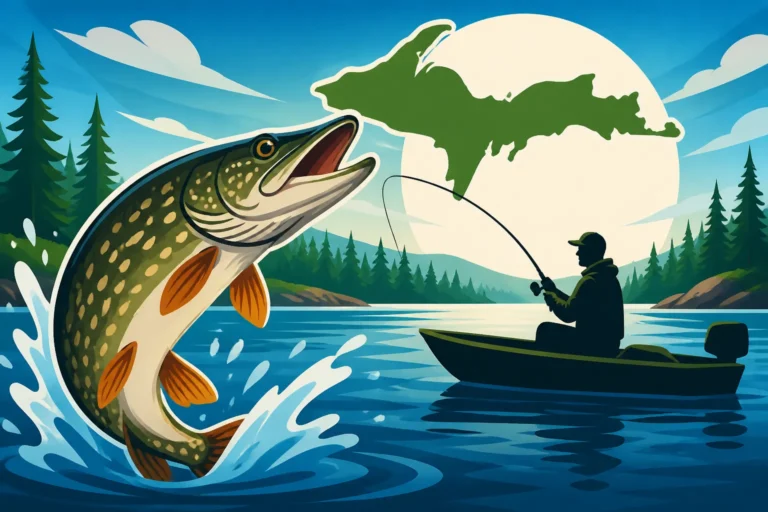
If you love a good fight, Mullett Lake's Northern Pike population won't disappoint. These toothy predators are abundant, especially in the shallower, weed-rich bays and around the mouths of incoming rivers like the Indian River or Tom's Run. Pike are ambush predators, so targeting the edges of weed beds, submerged logs, and other cover is key. Large spoons, spinnerbaits, and jerkbaits are excellent choices for casting, particularly in bright, flashy colors that mimic baitfish. Trolling large crankbaits along weed lines is another effective method for covering water and finding active fish. During the colder months, even during ice fishing season, pike remain active and can be targeted with tip-ups baited with large shiners or suckers. For more detailed strategies, check out our guide on Northern Pike Fishing in Michigan.
Smallmouth Bass: Pound-for-Pound Fighters
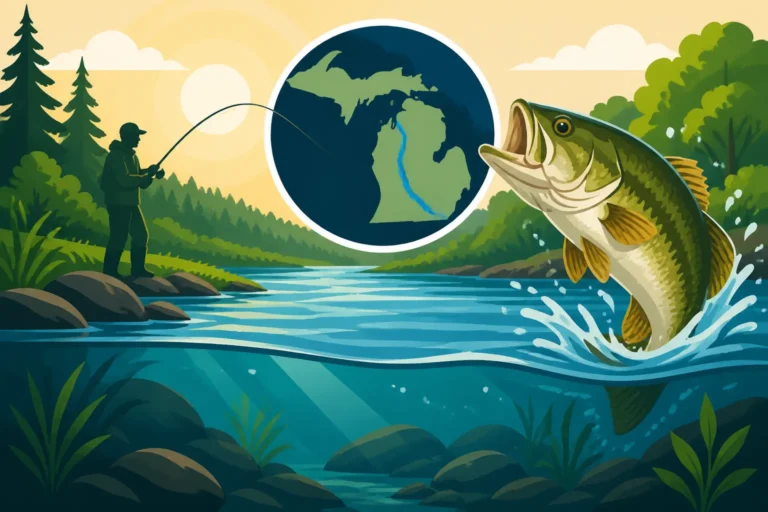
Mullett Lake is home to a robust population of Smallmouth Bass, known for their aggressive strikes and acrobatic fights. These bronze bombers prefer clear, rocky habitats, making the numerous points, shoals, and gravel bars of Mullett Lake prime territory. When the water warms up in summer and early fall, they become incredibly active. Techniques like casting tube jigs, Ned Rigs, or drop shots around rocky structure in 10-30 feet of water are highly effective. Topwater lures can provide explosive action during early mornings or late evenings in calmer conditions. Many anglers also have great success with jerkbaits fished along breaklines. For a truly exciting experience, consider exploring the deeper rock piles with your electronics, as some of the largest smallmouth will hold tight to these spots. For additional tips, our guide on Smallmouth Bass Fishing in Michigan offers great insights.
Yellow Perch: Panfish Pleasures
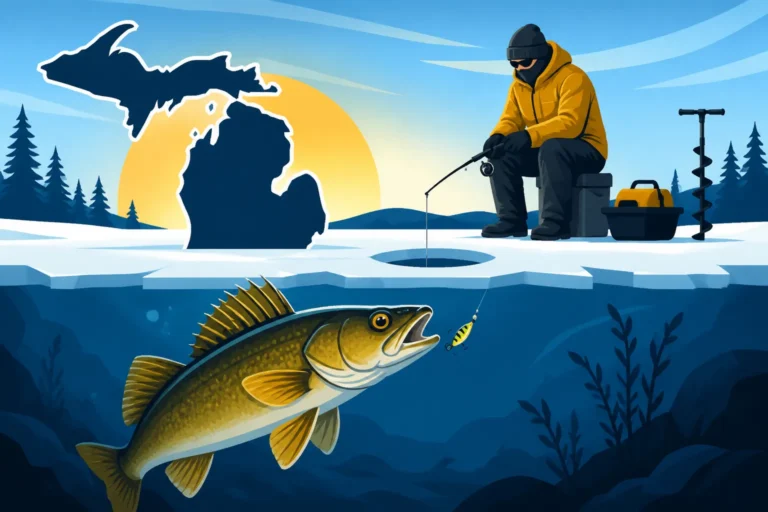
Yellow Perch are a staple on Mullett Lake, providing consistent action for anglers of all skill levels, and they are especially popular during the Michigan Ice Fishing Guide season. They often school in large numbers, making it possible to catch a bucket full once you locate them. Perch prefer areas with soft bottoms, near weed beds, or along the edges of sand flats. The Indian River mouth and the shallower bays are excellent places to find them. Small jigs tipped with a piece of worm, a minnow, or even a specialized perch bait are very effective. Drifting with a simple hook and sinker rig can also yield results. In winter, ice anglers flock to Mullett Lake for its perch, using small jigs and wax worms through the ice. Our guide on Yellow Perch Fishing in Michigan has more specific tactics for these tasty fish.
Lake Trout: Deepwater Giants
For those seeking a true challenge, Mullett Lake’s deep basins hold impressive Lake Trout. These cold-water residents spend their lives in the deepest parts of the lake, especially during the warmer months, making them a target for specialized techniques. The most common method for Lake Trout is trolling with downriggers, using large spoons, flasher-and-fly combos, or plug baits. They can be found anywhere from 40 to over 100 feet deep, often suspended near the thermocline or hugging the bottom of deep humps. A good sonar unit is indispensable for identifying these deep structures and marking fish. Jigging heavy spoons or vertical jigs directly over marked fish in deep water can also be effective, requiring patience and a strong arm. Fall can also be a productive time as lake trout become more active and can be found shallower before the ice forms.
Essential Gear and Local Tips for Mullett Lake
Having the right gear and understanding a few local nuances can significantly enhance your Mullett Lake fishing experience. It's not just about having a rod and reel; it's about having the right rod and reel for the conditions and the species you're chasing.
Recommended Tackle Setup
For a diverse lake like Mullett, a versatile tackle setup is key.
- Medium-Heavy Spinning Combo: Ideal for Smallmouth Bass, lighter Walleye presentations, and larger Perch. A 7-foot rod with a fast action, paired with a 2500-3000 series reel spooled with 8-10 lb braided line and a fluorocarbon leader, is a great all-around choice. This setup allows for casting various lures and offers enough backbone for a decent fight.
- Heavy Baitcasting or Trolling Setup: Essential for Northern Pike and Lake Trout. For pike, a 7'6" heavy power, fast action baitcasting rod with a robust reel spooled with 30-50 lb braid can handle large lures and heavy fish. For Lake Trout trolling, a medium-heavy to heavy trolling rod paired with a line-counter reel spooled with 20-30 lb monofilament or braided line is necessary, especially if you're running downriggers.
- Light Spinning Rod for Panfish: A lighter 6-foot, light power, fast action rod with a small 1000-series reel spooled with 4-6 lb monofilament or fluorocarbon is perfect for Yellow Perch, Bluegill, and Crappie, allowing for delicate presentations.
- Ice Fishing Gear: If you're heading out in winter, you'll need specialized ice fishing rods, an ice auger, and a warm shelter. For perch, light action rods with small reels; for walleye and pike, medium to medium-heavy rods.
Don't forget a sturdy net, especially if you're targeting larger pike or musky (which are present in the Inland Waterway, though less common in Mullett specifically). Our guide on the Best Rods and Reels for Michigan Fishing offers more detailed recommendations.
Boating and Navigation Essentials
Given Mullett Lake's size, a reliable boat is almost a necessity for accessing the best spots, although some shore fishing is possible at parks. If you're planning on bringing your own boat, make sure you understand all the Michigan Boat Registration Requirements before you hit the water.
- GPS and Sonar: These are non-negotiable. A good GPS unit will help you navigate safely, mark your hot spots, and find public boat launches. High-quality sonar (fish finder) is crucial for identifying structure, depth changes, baitfish schools, and even individual fish, especially when targeting deep-water species like Lake Trout or suspended Walleye. Brands like Lowrance, Garmin, and Humminbird offer excellent options.
- Safety Gear: Always have essential safety gear, including life jackets for everyone on board, a whistle or horn, and navigation lights, especially if you plan to fish during low light conditions or at night. The weather on large lakes can change quickly, so always be prepared for rough water.
- Boat Type: While a small aluminum boat might suffice for the calmer bays, a more substantial vessel, perhaps one of the Best Boats for Michigan's Inland Lakes, is recommended for covering larger distances and handling potential chop on the main lake.
Best Times to Fish Mullett Lake
Mullett Lake offers fishing opportunities year-round, but certain seasons shine for specific species.
- Spring (April-May): This is prime time for Walleye and Northern Pike as they become very active after ice-out, moving into shallower areas and river mouths. Smallmouth Bass also start becoming active as water temperatures rise.
- Summer (June-August): Excellent for Smallmouth Bass, Yellow Perch, and Lake Trout. Bass will be active on rocky structure, perch in weed beds, and Lake Trout in the deep, cold basins. Early mornings and evenings are often the most productive, especially for Walleye.
- Fall (September-November): Another fantastic period, particularly for Walleye, Northern Pike, and Lake Trout, as they feed aggressively before winter. Fish often move shallower again during this period.
- Winter (December-March): Mullett Lake is a popular ice fishing destination. Yellow Perch, Walleye, and Northern Pike are the main targets, with some anglers even pursuing Lake Trout through the ice. Always prioritize safety and check ice conditions carefully. You can learn more about Michigan Fishing Season Dates and Rules to plan your trips precisely.
If you're looking to explore new waters or want to enhance your chances of success, consider hiring a local guide. Services like FishingBooker can help you connect with experienced captains who know Mullett Lake intimately and can put you on the fish. They often have specialized equipment and knowledge that can save you hours of trial and error.
Preserving Mullett Lake's Fishery
Mullett Lake is a precious resource, and responsible angling practices are crucial to ensure its health and productivity for future generations. It’s not just about catching fish; it’s about protecting the environment that sustains them.
Catch and Release Best Practices
While keeping a few fish for dinner is part of the joy of fishing, practicing responsible catch and release, especially for larger breeding-size fish, is vital.
- Handle Fish Gently: Reduce handling time, keep the fish in the water as much as possible, and avoid touching gills or eyes.
- Use Barbless Hooks: Barbless hooks make removal easier and reduce damage to the fish's mouth. If your hooks aren't barbless, simply pinch down the barb with pliers.
- Proper De-hooking Tools: Keep needle-nose pliers or a de-hooker handy for quick and clean hook removal.
- Revive Properly: If a fish is stressed, hold it gently in the water, facing into the current (if present), until it swims away under its own power.
These practices are particularly important for species like Muskellunge, which although less common in Mullett Lake itself, are part of the broader Inland Waterway system and require very specific handling and reporting rules.
Respecting the Environment
Anglers play a significant role in maintaining the pristine condition of Mullett Lake and its surrounding areas.
- Pack It In, Pack It Out: Always take all your trash with you. This includes discarded fishing line, bait containers, and food wrappers.
- Prevent Invasive Species: Clean, drain, and dry your boat and gear thoroughly before moving between different bodies of water. This helps prevent the spread of invasive species like zebra mussels or Eurasian watermilfoil, which can devastate local ecosystems.
- Know and Follow Regulations: Always be aware of and abide by all current Michigan fishing regulations, including size limits, bag limits, and gear restrictions. Regulations are designed to protect fish populations and ensure sustainable fishing. Ignorance of the rules is not an excuse. Reading the Michigan Fishing Regulations Digest annually is a good habit.
By following these guidelines, every angler contributes to the long-term health and enjoyment of Mullett Lake, ensuring that it remains a fantastic fishing destination for years to come.
Disclaimer
Fishing conditions and regulations in Michigan can change frequently. Always consult the latest Michigan Department of Natural Resources (DNR) fishing guide or website for the most current rules and advisories before heading out on the water. This article is intended for informational purposes only and should not be considered a substitute for official DNR publications. Stay safe and enjoy your time on Mullett Lake!