Where to Fish for Whitefish in Michigan
Many anglers dream of catching Michigan's delicious whitefish, but knowing where these elusive fish hide and what tactics to employ can be a real head-scratcher. These bottom-dwelling cold-water fish present a unique challenge, often requiring specialized techniques and knowledge of specific locations across our vast Great Lakes. This comprehensive guide will illuminate the best spots in Michigan for targeting whitefish, detailing the seasons, essential gear, and effective strategies to help you land these prized catches.
Understanding Michigan's Whitefish Species
Before we dive into specific locations, it’s helpful to understand the different species of whitefish you might encounter in Michigan waters. While "whitefish" often refers to the highly prized Lake Whitefish, our state's lakes are home to a few different types, each with its own characteristics and preferences. Knowing what you're targeting can greatly influence your approach and increase your chances of success.
Lake Whitefish: The Most Sought-After
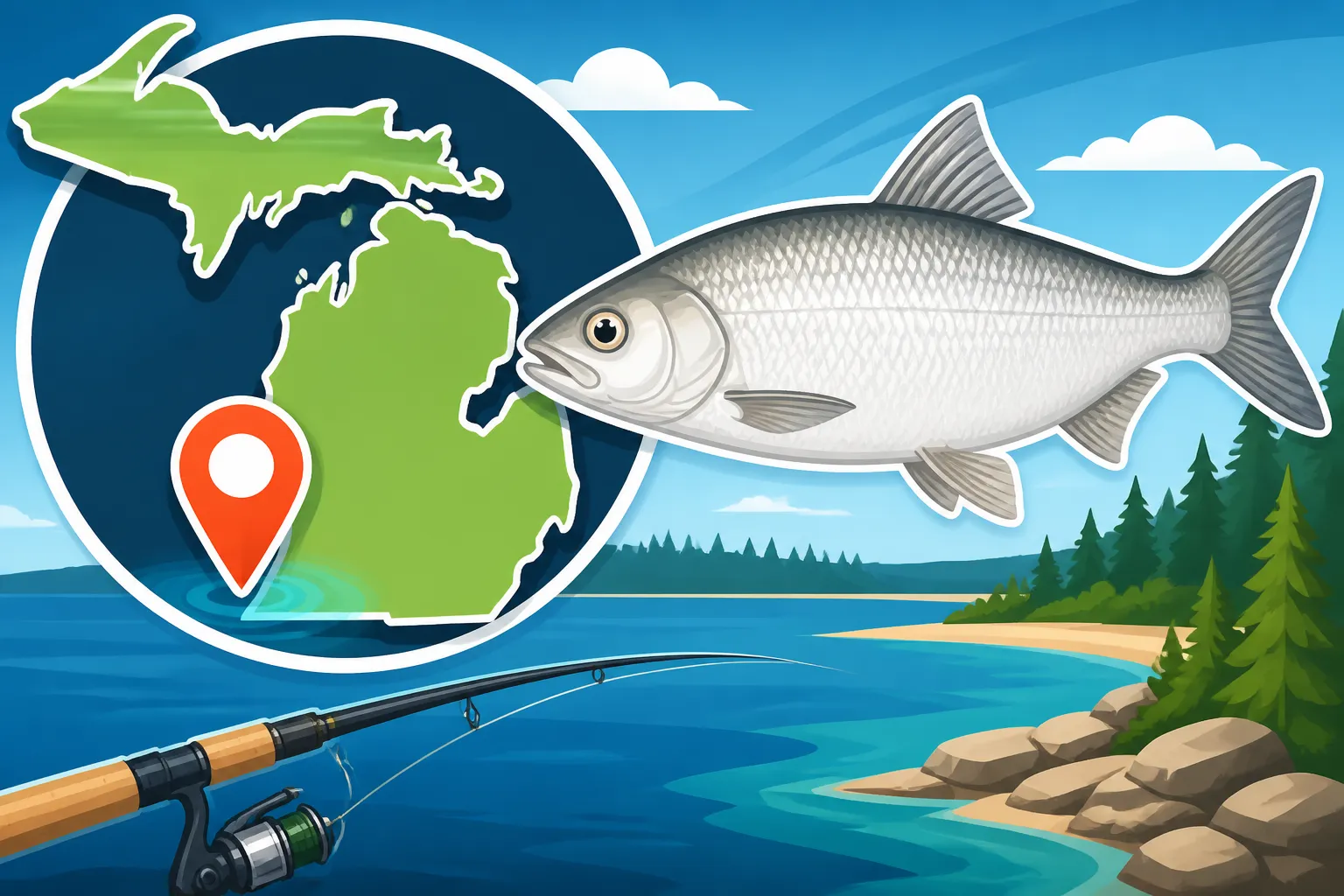
When people talk about whitefish in Michigan, they're usually referring to the Lake Whitefish (Coregonus clupeaformis). These are the superstars of our cold-water fisheries, renowned for their delicate, flaky, and exceptionally tasty white meat. They are typically silver with a slightly greenish-brown back, a small mouth, and a deeply forked tail. Lake Whitefish are primarily bottom feeders, sifting through sand, gravel, and mud for insects, crustaceans, and small mollusks.
These fish thrive in the deep, cold, oxygen-rich waters of the Great Lakes and some of Michigan's largest inland lakes. They can grow to impressive sizes, often reaching several pounds, and larger specimens can exceed 10 pounds. Anglers specifically target them not just for their culinary value, but also for the challenge they present. Successfully catching Lake Whitefish requires a good understanding of their habitat and feeding patterns, which can change significantly with the seasons. If you're wondering, you can learn more about exactly How Big Do Lake Whitefish Get.
Round Whitefish: A Smaller but Feisty Cousin
The Round Whitefish (Prosopium cylindraceum) is a less commonly targeted species, primarily because of its smaller size compared to its Lake Whitefish cousin. These fish rarely exceed 15 inches in length and are generally much leaner, often weighing less than a pound. They have a more cylindrical body shape, as their name suggests, and their mouth is slightly underslung. While they share the same cold-water preferences, they often inhabit shallower depths than Lake Whitefish, especially in more remote northern waters.
Round Whitefish are not usually the primary target for anglers, but they are a welcome bonus catch, particularly when fishing for other bottom dwellers. They are also excellent table fare, possessing a similar delicate flavor, just in a smaller package. You might encounter them when fishing rocky reefs or near drop-offs in the northern Great Lakes or deeper inland lakes. Although not as famous, they contribute to the rich biodiversity of Michigan's aquatic ecosystems.
Cisco (Lake Herring): Often Mistaken
Sometimes, anglers might mistakenly identify a Cisco, also known as Lake Herring (Coregonus artedi), as a whitefish. While technically a member of the salmon family (Salmonidae) like whitefish, cisco have some distinct differences. They generally have a more streamlined, elongated body than Lake Whitefish, and a larger, more terminal mouth. Cisco are primarily pelagic, meaning they inhabit the open water column, feeding on zooplankton and small fish, unlike the bottom-feeding nature of true whitefish.
Cisco are also highly valued for their meat and roe, and they play a crucial role in the Great Lakes food web as a forage fish for larger predators like Lake Trout and salmon. While you might catch them incidentally while trolling or vertical jigging in deeper open water, they are usually found in different parts of the water column than Lake Whitefish. Understanding these distinctions will help you refine your fishing strategies and accurately identify your catch, enhancing your overall fishing experience in Michigan.
Prime Whitefish Fishing Grounds in Michigan's Great Lakes
Michigan is truly blessed with an abundance of freshwater, and our Great Lakes are the undisputed champions when it comes to whitefish populations. These massive bodies of water provide the cold, deep, and nutrient-rich environments that whitefish need to thrive. While whitefish can be found throughout the Great Lakes, certain areas are particularly renowned as hotspots.
For a broader understanding of fishing opportunities across the region, be sure to check out our comprehensive Michigan's Great Lakes Fishing Guide.
Lake Michigan Hotspots
Lake Michigan is arguably the most popular Great Lake for whitefish angling, especially during the colder months. Its vastness and numerous deep-water structures create ideal habitat.
- Traverse Bay (Grand Traverse Bay): This area, particularly the West Arm, is a legendary whitefish destination. The deep waters of the bay, combined with rocky reefs and sudden drop-offs, provide excellent feeding grounds. During the ice fishing season, the bay becomes a hub of activity with shanties dotting the ice, often targeting whitefish with small jigs. Even in open water, anglers will find success around the many points and deep flats. If you're looking for prime spots in the area, our guide on Best Fishing Spots Near Traverse City, Michigan has more details.
- Northern Lake Michigan (e.g., Charlevoix, Petoskey, Leland): The waters extending from the harbors of Charlevoix, Petoskey, and Leland often hold significant whitefish populations. These areas feature complex underwater topography, including deep shoals and transition zones where whitefish congregate. Fishing around the mouths of rivers like the Pere Marquette or Manistee, where they meet Lake Michigan, can also be productive, especially during fall when whitefish are staging for spawning. For general shore fishing, consider exploring some of the Best Shore Fishing Spots on Lake Michigan.
- The Straits of Mackinac: This narrow waterway connecting Lake Michigan and Lake Huron is a dynamic fishing environment. Strong currents and varying depths create a unique ecosystem that attracts whitefish. The dramatic drop-offs and rocky structure around the Mackinac Bridge area make it an excellent spot for both open water and ice fishing for these bottom feeders. Understanding the currents here is key to successful angling. You can find more specific information in our guide to Straits of Mackinac Fishing.
Lake Huron Destinations
While Lake Michigan often gets the most press, Lake Huron offers fantastic whitefish opportunities, especially in its northern and central regions.
- Thunder Bay (Alpena): This large bay near Alpena is another fantastic whitefish fishery. Anglers often target the deeper portions of the bay, particularly areas with significant structure or transitions in bottom composition. The Thunder Bay National Marine Sanctuary, while protected, shows the rich biodiversity of the area, and whitefish thrive in the surrounding waters. Charter captains in Alpena often include whitefish in their mixed-bag catches, showcasing the species' abundance here.
- Saginaw Bay: Although more famous for its incredible walleye fishery, Saginaw Bay on Lake Huron also supports a healthy whitefish population, particularly in the deeper, colder waters closer to the main lake. While you might be jigging for walleye, you could very well hook into a whitefish. They tend to stick to the deeper channels and reefs within the bay. For more on this popular fishery, check out our insights on Saginaw Bay, Michigan, Walleye Fishing on Lake Huron.
- The Les Cheneaux Islands/Mackinac Island Area: The crystal-clear, cold waters surrounding the Les Cheneaux Islands and Mackinac Island in the Upper Peninsula are prime whitefish territory. This area, with its numerous islands, reefs, and relatively shallow but cold depths, offers unique opportunities. Anglers often target whitefish near points and channels between the islands, where currents bring food resources. These spots are particularly productive during the ice fishing season.
Lake Superior Opportunities
Lake Superior, the largest and deepest of the Great Lakes, is an epic fishery known for its vast cold-water habitat, which is absolutely perfect for whitefish. However, its sheer size and often challenging conditions make whitefish angling here a unique experience.
- Keweenaw Peninsula: The waters surrounding the Keweenaw Peninsula, particularly around Copper Harbor and Bete Grise Bay, are excellent for whitefish. The steep drop-offs and rocky bottoms typical of this region provide ideal habitat. Anglers often fish from boats near the shore or venture out into deeper waters, always respecting the unpredictable nature of Lake Superior. The pristine environment here ensures a robust and healthy fish population.
- Marquette and Munising Areas: The depths off Marquette and Munising also hold significant whitefish numbers. These regions feature deep-water reefs and access to colder temperatures throughout the year. While Lake Superior demands respect and often larger, more capable boats, the reward of catching its hefty whitefish is well worth the effort. It's truly an experience to fish these pristine, vast waters.
Michigan is truly a whitefish paradise, and exploring these Great Lakes hotspots can lead to some incredible fishing adventures.
| Great Lake | Prime Whitefish Locations | Best Seasons | Common Fishing Methods |
|---|---|---|---|
| Lake Michigan | Grand Traverse Bay, Charlevoix, Petoskey, Leland, Straits of Mackinac | Fall, Winter (Ice), Early Spring | Jigging, Drop-shot, Slip bobber, Trolling |
| Lake Huron | Thunder Bay, Saginaw Bay (deeper areas), Les Cheneaux Islands | Fall, Winter (Ice) | Jigging, Drop-shot, Set lines (ice) |
| Lake Superior | Keweenaw Peninsula, Marquette, Munising | Fall, Winter (Ice) | Jigging, Vertical jigging, Deep trolling |
Seasonal Strategies for Whitefish Success
Whitefish fishing isn't a one-size-fits-all endeavor; these fish change their behavior and location significantly throughout the year, primarily in response to water temperature and spawning cycles. Understanding these seasonal shifts is crucial for consistent success. If you're generally curious about the best times to hit the water, our guide to the Best Time of Year to Fish in Michigan offers a broader perspective.
Spring and Summer Tactics
As the ice retreats and water temperatures begin to rise in spring, whitefish generally remain in deeper, cooler waters, but they might make forays into shallower feeding grounds. In summer, they are strictly cold-water fish, retreating to the thermocline and deeper zones of the Great Lakes.
- Deep Water Jigging: During the spring and summer, especially in the larger bays and open waters of the Great Lakes, whitefish will be found hugging the bottom in depths ranging from 60 to over 150 feet. Vertical jigging is a highly effective technique here. Anglers use small, heavy jigs, often tipped with a piece of minnow, a wax worm, or even a specialized scent like PowerBait. The key is to present your bait right on the bottom, often with a slow lift and fall action that mimics an insect or small creature stirring up the substrate. Many dedicated whitefish anglers will use their fish finders extensively to locate schools hugging the bottom before deploying their jigs.
- Slip Bobber Rigging (Early Season/Specific Spots): While mostly a deep-water fish, early in the spring, or in specific, deeper inland lakes with whitefish populations, a slip bobber rig can be incredibly effective when whitefish move slightly shallower (say, 30-50 feet). This allows for precise depth control, presenting a small bait (like a minnow or piece of crawler) just off the bottom. This method is particularly useful from piers or boats anchored over known whitefish structure. However, it's generally less common than deep jigging for most summer whitefish scenarios.
- Targeting Cooler Inland Lakes: Some of Michigan's larger, deeper inland lakes, like Higgins Lake or Torch Lake, hold populations of whitefish. During the warmer months, these fish will be found in the deepest, coolest sections of these lakes. Anglers might find success by trolling small spoons or spinners near the bottom, or by deep-water jigging similar to the Great Lakes approach. These lakes often offer a more accessible whitefish experience for those without large Great Lakes-capable boats.
Fall and Winter Ice Fishing
Fall is a dynamic time for whitefish, as they become more active in shallower areas in preparation for spawning, often moving into depths of 20-60 feet. Winter, when the Great Lakes freeze over in certain bays, offers arguably the most accessible and popular whitefish fishery.
- Fall Spawning Runs: As autumn progresses and water temperatures drop, whitefish in many areas will stage for their spawning runs, often congregating near rocky reefs, shoals, and gravel bottoms in shallower waters. This is a prime time for boat anglers to target them using jigging spoons, small crankbaits, or even fly fishing streamers in some shallower river mouths where they might briefly venture. This active feeding period before spawning makes them more aggressive and willing to strike a variety of lures.
- Ice Fishing Bonanza: Once the ice forms, especially in large bays like Grand Traverse Bay or parts of Saginaw Bay, it's whitefish party time! Michigan offers incredible opportunities for ice fishing, and whitefish are a primary target for many. Anglers typically drill holes over known whitefish habitat—rocky reefs, sand flats near drop-offs, or transition zones. Small jigging spoons (like Swedish Pimples, Crippled Herring, or Rapalas) tipped with a single salmon egg, a piece of minnow, or a wax worm are deadly. Many anglers will set up multiple lines (within legal limits), often with a second rod rigged with a smaller finesse bait. The social aspect of ice fishing, combined with the often-frequent bites, makes it a beloved winter pastime. Our comprehensive Michigan Ice Fishing Guide provides a wealth of information for those looking to hit the hard water.
Essential Gear and Techniques for Whitefish Anglers
Catching whitefish, especially in the vastness of the Great Lakes, requires a specific approach and the right equipment. You wouldn't use a heavy catfish rod for panfish, and similarly, whitefish demand a tailored setup. Having the correct gear significantly improves your chances and enhances the overall experience.
Rods, Reels, and Line Choices
Selecting the right rod and reel combination is paramount for detecting the often subtle bites of whitefish and effectively battling them from deep water.
- Rods: For open water jigging in deep water, a sensitive medium-light to medium action spinning rod, typically 6'6" to 7'6" in length, is ideal. The sensitivity in the tip is crucial for feeling those light whitefish pecks, while enough backbone in the lower section allows for a solid hookset and control. For ice fishing, specialized ice fishing rods, usually 24 to 36 inches long with a sensitive tip, are perfect. These shorter rods allow for precise jigging motions in a small space. Many anglers prefer graphite rods for their superior sensitivity.
- Reels: A high-quality spinning reel in the 2000-3000 size range is a great choice for open water whitefish. Look for a smooth drag system, which is vital for playing a whitefish that might dive and pull line, especially when using lighter lines. For ice fishing, smaller spinning reels or even fly reels (used for line storage rather than casting) are common, allowing for quick deployment and retrieval of line.
- Line: The choice of line is critical. Many whitefish anglers swear by a low-stretch braided line as their main line, typically 6-10 lb test. The lack of stretch significantly increases sensitivity, allowing you to feel even the lightest bites in deep water. Pair this with a fluorocarbon leader of 4-8 lb test, which is nearly invisible underwater and abrasion-resistant, essential when fishing over rocky bottoms. The leader length can vary, but 3-6 feet is a common starting point. This setup is similar to what many anglers use for other deep-water species, so if you're already geared up for salmon, you might have some transferable items, though perhaps slightly heavier than ideal for whitefish. For other similar gear setups, you might find our guide to Essential Gear for Michigan Steelhead Fishing insightful, as many principles of sensitive, deep-water fishing apply.
Baits and Lures That Work
Whitefish are primarily bottom feeders, and their diet consists largely of small invertebrates. Your bait and lure choices should reflect this.
- Jigging Spoons: These are perhaps the most popular and effective lures for whitefish, especially when vertical jigging from a boat or through the ice. Spoons like the Swedish Pimple, Crippled Herring, Do-Jigger, or slender jigging Rapalas (like the Jigging Rap or Snap Rap) in sizes ranging from 1/8 to 1/2 ounce are excellent choices. Silver, gold, or glow-in-the-dark patterns are perennial favorites. The key is to tip these spoons with a small piece of bait.
- Live Bait/Cut Bait: Tipping your jigging spoon or finesse jig with a small piece of live bait drastically increases its effectiveness. A single salmon egg, a wax worm, a piece of minnow, or a small piece of nightcrawler are all proven whitefish attractors. The scent and natural action of the bait often trigger bites when artificial lures alone might not.
- Finesse Jigs/Flies: When whitefish are particularly finicky, smaller, more subtle presentations can be the ticket. Tiny lead head jigs (1/32 to 1/8 oz) tipped with a single wax worm or a small soft plastic grub are very effective. In some clear, shallower waters, certain fly patterns mimicking nymphs or small crustaceans can also tempt whitefish, particularly when fished slowly near the bottom.
- Downsized Presentations: Regardless of the specific lure, the overarching theme is downsizing. Whitefish have relatively small mouths and primarily feed on small organisms. Using excessively large baits or lures will significantly reduce your catch rate. Think small and subtle for consistent whitefish success.
Shore, Pier, and Boat Fishing Methods
Accessing whitefish requires different methods depending on whether you're fishing from land or water. Each approach has its nuances and best practices.
- Boat Fishing: This is by far the most versatile and effective way to target whitefish in Michigan's Great Lakes. Boats allow you to reach the deep-water structures and offshore reefs where whitefish congregate. Using a good fish finder is almost essential for locating schools and understanding the bottom contours. Anglers typically drift over promising areas, vertical jigging multiple rods, or anchor directly over a known hotspot. For larger Great Lakes fishing, you might consider some of the Best Boats for Michigan Fishing that can handle the conditions. Charter services on Lake Michigan and Lake Huron often specifically target whitefish, providing an excellent way for newcomers to experience this fishery without the need for their own specialized gear. Many guides available through platforms like FishingBooker specialize in these deep-water techniques, providing not just the boat and gear, but invaluable local knowledge.
- Pier Fishing: While most whitefish prefer deeper, colder waters, certain piers, especially those extending into deep bays or river mouths in the Great Lakes, can offer surprisingly good whitefish opportunities, particularly in fall and early spring. From a pier, anglers often use a slip bobber rig to present bait just off the bottom in deeper water, or they might try casting and slowly retrieving small jigging spoons. The key is to find piers that provide access to depths of at least 20-30 feet, often with rocky or sandy bottoms. These are often included in guides like Best Shore Fishing Spots on Lake Michigan.
- Shore Fishing (Limited): True shore fishing for whitefish is generally more challenging due to their deep-water preferences. However, during fall spawning aggregations, whitefish might move into shallower rocky areas or even briefly into certain river mouths. In these rare instances, casting small jigging spoons or even fly fishing with streamers can be effective. It’s not the primary method, but it can be a rewarding bonus for persistent anglers.
- Ice Fishing: As mentioned, ice fishing is a highly popular and effective method. Anglers use portable or permanent ice shanties over known whitefish grounds. Jigging small spoons or specialized ice jigs is the main technique. The use of electronics, like flashers or small portable fish finders, is widespread among ice anglers to detect fish near the bottom and monitor their bait presentation. This is where you'll find the most concentrated whitefish action throughout the winter months, offering a unique social and productive fishing experience.
Navigating Regulations and Conservation Efforts
Fishing for whitefish in Michigan, like any other species, comes with specific rules and regulations designed to protect the resource and ensure sustainable fishing for generations to come. It’s not just about catching fish, it’s about being a responsible steward of our natural waters.
Understanding Michigan's Whitefish Rules
The Michigan Department of Natural Resources (DNR) sets the rules for fishing, and these are outlined annually in the Michigan Fishing Regulations Handbook. While whitefish are generally managed as a healthy population, specific regulations can vary by body of water and change annually.
- Size and Bag Limits: Whitefish typically have a statewide daily possession limit, which usually ranges from 10 to 12 fish per day, and a minimum size limit that is often around 10 to 14 inches, depending on the specific water body. It is absolutely crucial to consult the current year's Michigan Fishing Regulations Handbook, available both online on the DNR website and in print at most license retailers, before heading out. These details are critical, and ignoring them can lead to significant fines. You can always refer to the detailed Michigan Fishing Regulations Every Angler Should Know for broader context.
- Gear Restrictions: While whitefish are primarily targeted with hook and line, specific gear restrictions might apply in certain areas or during particular seasons. For instance, some areas might have limitations on the number of lines an angler can use, especially during ice fishing. Always check for any special regulations specific to the lake or bay you plan to fish.
- License Requirements: Of course, to fish for whitefish or any other species in Michigan, you must possess a valid Michigan fishing license. Residents and non-residents alike are required to have one, with different options available for annual or short-term licenses. These funds directly support conservation efforts and fishery management in the state. Make sure you understand the nuances of the Michigan Fishing License Guide for Residents and Nonresidents.
- Commercial Fishing: It's also worth noting that Lake Whitefish are a significant commercial fishery in Michigan, particularly on the Great Lakes. This is a highly regulated industry, and their operations do not generally conflict with recreational angling, but rather highlight the abundance and economic importance of the species.
Contributing to Sustainable Fisheries
As recreational anglers, we play a vital role in ensuring the health of Michigan's whitefish populations for the future. Our actions on the water have a direct impact.
- Responsible Harvest: Always adhere to bag and size limits. These aren't arbitrary numbers; they are scientifically determined to allow fish populations to reproduce and grow, maintaining a healthy balance. Taking only what you need and being mindful of your harvest ensures more fish for everyone in the long run. If you're targeting whitefish specifically for their delicious fillets, consider taking only enough for a few meals rather than filling your freezer to capacity.
- Catch and Release Practices: If you catch a whitefish that is undersized or if you’ve already reached your legal limit, practicing proper catch and release is essential. Handle fish gently, minimize their time out of water, and use de-hooking tools if necessary. Releasing fish carefully, especially those caught in deep water, helps ensure their survival. While whitefish are known to suffer from barotrauma (swim bladder expansion) when brought up quickly from extreme depths, careful handling and rapid release, or knowing how to properly vent a fish if necessary and legal, can improve survival rates for those intended for release.
- Reporting and Education: Stay informed about changes in regulations and fishery health by following the Michigan DNR. Participate in angler surveys if available, as your input can help inform management decisions. Teach younger anglers about the importance of conservation and respectful fishing practices. Platforms like FishingBooker often promote responsible angling through their charter network, emphasizing adherence to local regulations and sustainable practices. By supporting informed and ethical fishing, you contribute directly to the ongoing health of Michigan’s incredible whitefish fishery.
Disclaimer
Fishing conditions and regulations in Michigan are subject to change. Always consult the most current Michigan Department of Natural Resources (DNR) fishing guide before heading out on the water. This information is provided for general guidance and informational purposes only and does not constitute legal or professional advice. Anglers are responsible for knowing and adhering to all applicable rules and regulations.