St. Joseph River Steelhead Access Points
Trying to pin down reliable access points for steelhead on a river as mighty and popular as the St. Joseph can feel like a treasure hunt without a map. It’s frustrating to drive all that way, excited for a day on the water, only to find packed parking lots or private land blocking your way to those prime steelhead runs. This guide is here to cut through that frustration, providing you with detailed, actionable information on the best public access points along the St. Joseph River in Michigan, ensuring you spend more time fishing and less time searching.
The Allure of the St. Joseph River for Steelhead
The St. Joseph River is a jewel in Michigan's crown, especially for those of us obsessed with steelhead. This isn't just any river; it's a critical migratory highway for these incredible fish, drawing them in from Lake Michigan each year for their spawning runs. The sheer size and flow of the St. Joe, combined with its diverse structure of riffles, runs, and deep pools, create an ideal habitat that keeps anglers coming back season after season. But with a river this big, knowing where to get on the water is half the battle.
The river's extensive system supports robust runs of both Skamania (summer-run) and winter/spring steelhead, making it a year-round destination for dedicated anglers. Unlike some smaller, more temperamental streams, the St. Joe's consistent flow and deeper channels often make it more forgiving during fluctuating weather conditions. However, its popularity also means that certain prime spots can see heavy pressure, especially during peak runs, so understanding your access options is paramount to a successful outing. For a broader understanding of the species, you might be interested in our guide on Michigan Steelhead Run Timing.
Key Public Access Points for Steelhead on the St. Joseph River
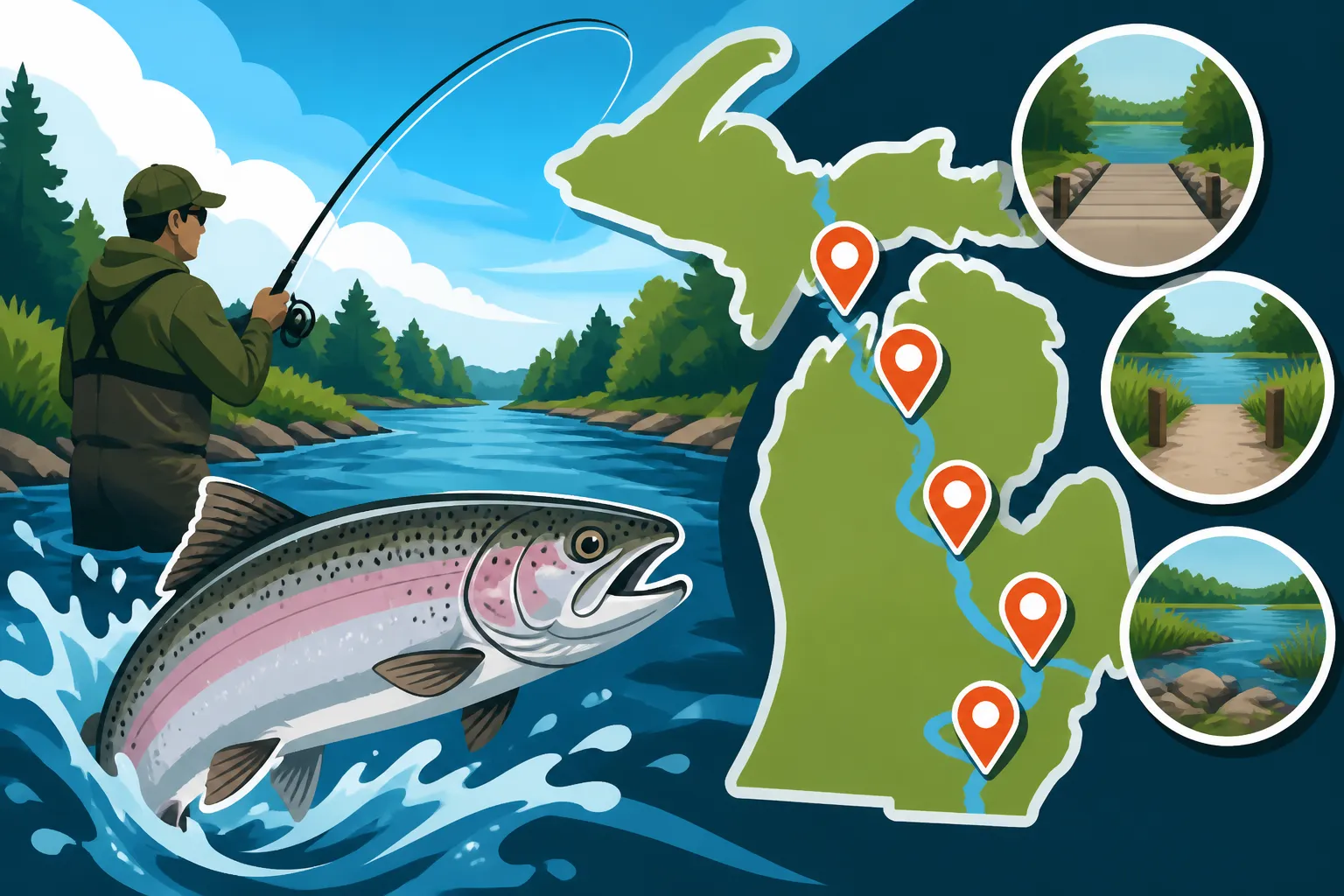
Michigan's Department of Natural Resources (DNR) and local municipalities have done a fantastic job of providing numerous public access points along the St. Joseph River. However, the quality and type of access can vary wildly from one spot to the next. Understanding what each location offers in terms of parking, boat launches, and wading opportunities is key to planning your trip.
Berrien Springs Dam and Fish Ladder
Located near the village of Berrien Springs, the area around the hydroelectric dam is arguably the most famous and heavily trafficked access point on the entire St. Joseph River system. This is where the magic often begins, as migratory fish, including steelhead, are funneled through the fish ladder on their journey upstream.
The Berrien Springs access offers extensive parking, making it convenient even on busy days. Below the dam, you'll find numerous opportunities for shore fishing and wading, especially when water levels are cooperative. Anglers often congregate here, casting spoons, spinners, or drifting spawn bags for steelhead that stack up, waiting to ascend the ladder. The roar of the dam is a constant companion, but it’s a small price to pay for access to such a productive stretch of water. Many local guides, found on platforms like FishingBooker, often launch nearby or guide clients in this famous area. Above the dam, boat access opens up to a long stretch of river that holds fish, particularly during different stages of the run.
Buchanan Access
Moving upstream from Berrien Springs, the charming town of Buchanan offers another excellent set of access points, primarily centered around the city parks and boat launches. Buchanan provides a slightly different fishing experience than the dam, often with a bit more solitude in certain areas, though it can still get busy.
Pears Mill Park and its surrounding areas offer several spots for shore anglers and waders. The river here presents a mix of riffles and deeper runs, perfect for drift fishing or swinging flies. There are also public boat launches that provide access to good stretches of the river, allowing anglers to cover more water and target different holding lies. When you're considering the best approach for these mid-river sections, our guide on How to Fish for Steelhead in Michigan offers some valuable techniques. Parking is generally available, but always check local signage, especially in residential areas near the river.
Niles Area Access
The city of Niles, often called the "City of Four Flags," sits on a significant bend of the St. Joseph River and boasts several public access areas that are popular with steelhead anglers. This stretch of river is characterized by a mix of urban and semi-rural settings, offering diverse fishing environments.
Ferry Street Park and Riverfront Park in Niles are prime examples. These parks offer good bank access and often have walking paths that parallel the river, allowing anglers to explore different runs. For those looking to launch a boat, there are public ramps available, providing access to extensive stretches of river both upstream and downstream from the city center. These areas are fantastic for casting traditional gear or even fly fishing when conditions allow. If you're planning a trip and want to maximize your chances, booking a local guide through FishingBooker can provide insights into the specific holding patterns of steelhead in the Niles area.
Mottville Township Park
Further upstream, past Niles, you'll find Mottville Township Park, a somewhat less crowded but highly productive access point. This spot is particularly favored by anglers looking for a quieter experience and good wading opportunities, especially during lower water flows.
Mottville offers ample parking and direct access to the river. The character of the river here tends to be a bit shallower with more pronounced gravel bars and riffles, making it excellent for wading anglers using techniques like drift fishing with beads or spawn, or swinging smaller fly patterns. It’s also a great spot for those who prefer to explore a stretch of river on foot. Given the slightly more remote feel, it's a good idea to bring all your necessary Essential Gear for Michigan Steelhead Fishing when heading to Mottville.
South Bend Area (Indiana)
While technically across the state line in Indiana, the St. Joseph River through South Bend is an integral part of the overall Michigan steelhead fishery and is heavily utilized by Michigan anglers. The river here has numerous access points, including public parks and boat launches, and it's where many of the Skamania (summer-run) steelhead are primarily targeted.
Pinhook Park, Rum Village Park, and the areas around the Twin Branch Dam in Mishawaka (just upstream from South Bend) offer excellent fishing. South Bend also features several major fish ladders, similar to Berrien Springs, which create natural holding areas for migratory fish. Access is generally well-maintained with good parking. Because it's in Indiana, anglers must ensure they have an Indiana fishing license in addition to their Michigan one if they plan to fish these waters. Knowing the general Michigan Fishing Regulations Every Angler Should Know is a given for Michigan waters, but always remember to check the specific regulations for the state you are actively fishing in.
Navigating Access and Conditions
Understanding the nuances of each access point is only part of the equation. River conditions, angler pressure, and local regulations all play a significant role in a successful steelhead trip on the St. Joseph River.
River Flow and Water Levels
The St. Joseph River is a large, dam-controlled system, which means that water levels and flow rates can fluctuate. High water can make wading dangerous and unfishable, pushing fish into different lies or making them harder to detect. Conversely, very low water can concentrate fish but also make them spooky and expose more riverbed, potentially limiting access for boats. Always check local river gauges (like those provided by the USGS or local power companies) before heading out. A good rule of thumb is to look for stable or slightly falling water after a rise. When considering the best time to fish, keeping an eye on these factors alongside broader patterns like the Best Time to Fish for Steelhead in Michigan will greatly improve your chances.
Angler Etiquette and Crowds
During peak steelhead runs, especially in the spring and fall, popular access points like Berrien Springs can get very crowded. It’s important to practice good angler etiquette: respect other anglers' space, avoid cutting lines, and be mindful of your casting area. If a spot is packed, consider exploring some of the less-known access points or try fishing during off-peak hours (early morning or late evening). The St. Joseph River is big enough for everyone, but patience and courtesy go a long way.
Boat vs. Shore Access
Deciding whether to fish from a boat or from shore depends largely on your preferred technique and the specific access point. Many stretches of the St. Joe are perfectly suited for wading or shore casting, especially around riffles and bends. However, a boat (whether a drift boat, jet boat, or even a kayak) can unlock vast stretches of productive water that are inaccessible to shore anglers, allowing you to cover more ground and target deeper runs. If you're thinking about using a boat, make sure you understand all the Michigan Boat Registration Requirements. Some anglers even hire local guides who use their own boats to navigate the river effectively, which can be easily arranged through services like FishingBooker.
Here's a quick overview of some of the key access points:
| Access Point | Location | Primary Access Type | Key Features | Best For |
|---|---|---|---|---|
| Berrien Springs Dam | Berrien Springs | Shore, Wading, Boat | Fish ladder, heavy congregation of fish | Early season runs, high traffic |
| Buchanan City Parks | Buchanan | Shore, Wading, Boat | Diverse runs, some quieter spots | Drift fishing, fly fishing, boat access |
| Niles Ferry Street Park | Niles | Shore, Wading, Boat | Urban riverfront, extensive bank access | Casting, general river exploration |
| Mottville Township Park | Mottville | Shore, Wading | Shallower, gravel bars, less crowded | Wading, fly fishing, solitude |
| Pinhook Park (IN) | South Bend (Indiana) | Shore, Wading, Boat | Fish ladders, Skamania (summer-run) steelhead | Summer steelhead, year-round potential |
Gear and Techniques for St. Joseph Steelhead
The St. Joseph River's diverse character calls for a versatile approach to gear and techniques. Steelhead fishing here can involve everything from heavy baitcasting setups to delicate fly rods.
Rods, Reels, and Line
For general steelhead fishing on the St. Joe, a medium-heavy spinning rod (8-10 feet) paired with a reliable spinning reel spooled with 10-15 lb test monofilament or braid is a solid choice. Many seasoned anglers prefer longer rods (11-13 feet) for float fishing or centerpinning, which allow for better line control and longer drifts in the strong current. Fly anglers will typically reach for 8-10 weight fly rods, often 10-12 feet long, for nymphing, swinging streamers, or using indicator setups. If you're looking to upgrade or simply get started, our comprehensive guide on Best Rods and Reels for Michigan Fishing can help you make an informed decision.
Baits and Lures
Steelhead in the St. Joseph River respond to a wide array of presentations. Natural baits like cured salmon eggs (spawn bags) are consistently effective, especially during colder water periods. Live or artificial minnows can also produce strikes. For artificials, brightly colored spoons (like Little Cleos or Koho spoons), inline spinners (such as Mepps or Rooster Tails), and soft plastic beads mimicking eggs are all popular choices. During the warmer months, especially for Skamania, chrome and blue or orange spoons are often deadly.
Fly anglers will find success with various nymph patterns (stoneflies, caddis, squirmy wormies), egg patterns, and larger streamers (e.g., Clouser Minnows, Woolly Buggers) that imitate baitfish. Experimentation is key, as what works one day might not work the next.
Planning Your St. Joseph River Steelhead Adventure
A successful trip to the St. Joseph River requires more than just knowing where to go; it involves careful planning. Consider the time of year, your preferred fishing style, and local conditions.
Seasonal Considerations
The St. Joe sees steelhead runs virtually year-round. The fall run typically starts in October, with fish pushing into the river behind salmon. Winter fishing can be tough but rewarding, with resident steelhead holding in deeper pools. Spring is prime time, as the main run of chrome-bright fish enters the river for spawning, usually from March through April. Summer offers the unique challenge of Skamania steelhead, which are known for their acrobatic fights and can be found in the lower river sections. Each season presents different conditions and fish behavior, so tailoring your approach to the Michigan Fishing Seasons Explained is crucial.
Consider a Guided Trip
If you're new to the St. Joe, or to steelhead fishing in general, consider hiring a local guide. These experts spend hundreds of days on the water each year and can drastically cut down your learning curve. They know the best access points for current conditions, the hot spots, and the most effective techniques. Platforms like FishingBooker are an excellent resource for finding reputable guides who specialize in St. Joseph River steelhead, offering a variety of trips from drift boat excursions to wade-fishing clinics. A guided trip can be an invaluable investment, especially if your time on the water is limited.
Disclaimer
Fishing conditions and regulations can change frequently. Always consult the latest Michigan Department of Natural Resources (DNR) fishing guide or website for the most current rules, regulations, and any emergency orders before heading out. This guide is for informational purposes only and should not replace official sources.