Best Michigan River for a Fall Steelhead Run
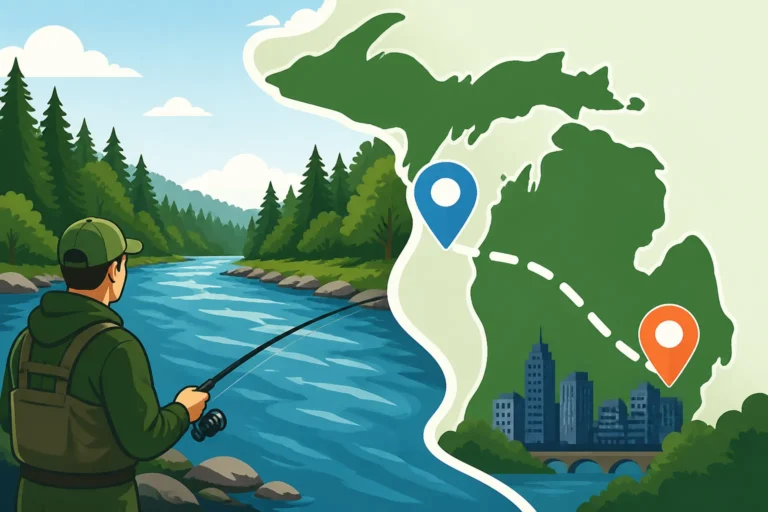
There's nothing quite like the crisp autumn air, the vibrant changing leaves, and the powerful tug of a chrome-bright steelhead at the end of your line. For many anglers, the thought of navigating Michigan's legendary rivers during the fall steelhead run can be daunting, wondering where to even begin among so many incredible options. This guide is dedicated to helping you pinpoint the best Michigan rivers for an unforgettable fall steelhead experience, ensuring you're equipped with the knowledge and confidence to chase these magnificent fish.
Why Michigan is a Steelhead Paradise in the Fall
Michigan, with its thousands of miles of cold, clean rivers and its proximity to the vast waters of the Great Lakes, truly becomes a steelhead angler's dream come true as summer fades. The unique geography and robust stocking programs create an environment where these incredible fish thrive, offering some of the most thrilling freshwater fishing opportunities in North America.
The Allure of Fall Steelhead
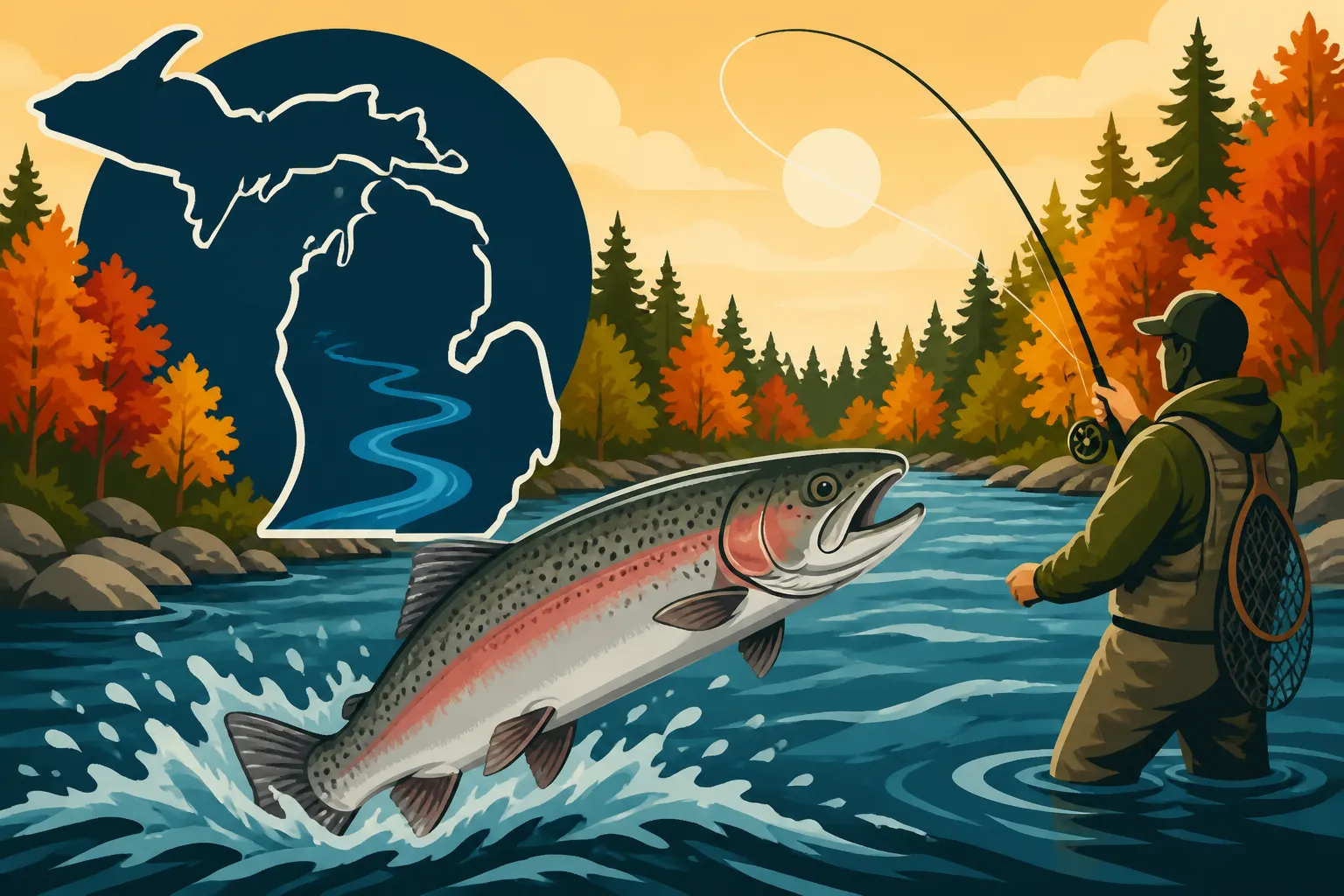
Imagine standing in a serene river, surrounded by the fiery reds and golds of autumn, casting your line into prime steelhead habitat. Fall steelhead fishing isn't just about the catch; it's about the entire experience. These fish, often called "chrome missiles" because of their brilliant, unblemished silver scales when they first enter the rivers, are incredibly powerful fighters. They make blistering runs, acrobatic jumps, and test every ounce of your tackle and skill. Unlike their spring counterparts, fall steelhead often feed more aggressively and can be less pressured, offering a truly wild and rewarding angling pursuit. The mild temperatures also make for a much more comfortable fishing experience than battling winter winds.
What really sets fall steelhead apart is their incredible strength and beauty. They've spent months gorging themselves in the bountiful Great Lakes, packing on muscle and developing that distinctive chrome sheen. When they hit your bait or fly, it’s an explosion of energy that will get your heart pounding. For many, it's the pinnacle of river fishing, blending the solitude of nature with the excitement of a truly challenging sport fish.
Understanding the Steelhead Life Cycle in Michigan Rivers
To truly appreciate and effectively target fall steelhead, it helps to understand their fascinating life cycle. Steelhead are an anadromous form of rainbow trout, meaning they hatch in freshwater rivers, migrate to the Great Lakes (acting much like an ocean), grow large, and then return to their natal rivers to spawn. The fall run, typically starting in September and often peaking in October and November, sees these fish entering the rivers for a variety of reasons.
While the primary spawn occurs in the spring, a significant number of "early run" or "fall run" steelhead enter the rivers months in advance. These fish might be staging, exploring potential spawning grounds, or simply seeking refuge from colder lake temperatures or increasing predatory pressure in the big water. Some believe they're attracted by the scent of decaying salmon carcasses and their eggs, providing an easy protein source. Whatever the exact trigger, these fish are strong, active, and a blast to catch. Knowing this behavior helps you understand where to find them – often in deeper pools, behind gravel bars, or in current seams where they can rest and ambush food.
The timing of this run is also crucial. While the earliest fish might show up in late August, the main push usually happens once water temperatures start to dip consistently into the 50s Fahrenheit, often after significant rain events that raise river levels. This makes monitoring local conditions and forecasts essential for successful fall steelhead fishing. You can find more specific details on the various runs by checking out our guide on Michigan Steelhead Run Timing.
Top Michigan Rivers for a Legendary Fall Steelhead Run
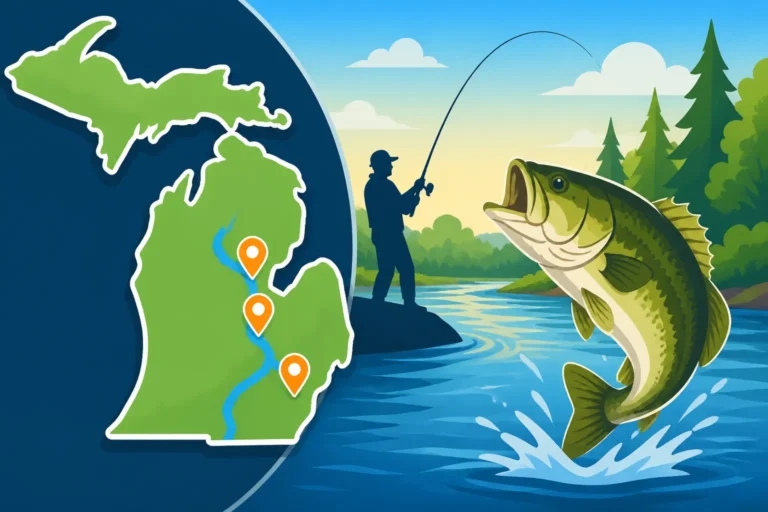
Michigan is blessed with numerous rivers that host incredible fall steelhead runs. While many smaller streams see pushes of fish, a few stand out for their consistent numbers, excellent access, and diverse fishing opportunities. These are the rivers that draw anglers from across the country, and for good reason.
The Mighty Manistee River
The Manistee River, particularly the section below Tippy Dam, is arguably Michigan's most famous steelhead destination. Its broad, powerful currents and extensive gravel beds make it ideal habitat for both spawning and holding fish. The fall run here is legendary, often starting in early September with the first pushes of steelhead following Chinook and Coho salmon.
The Manistee offers a variety of fishing experiences. You can drift its waters in a McKenzie-style drift boat, covering miles of prime water, or explore its many public access points for wade fishing. Popular spots include the stretches around High Bridge, Bear Creek, and the area directly below Tippy Dam. Anglers often find success with egg patterns, stoneflies, and small crankbaits in the fall. The sheer size and wild nature of the Manistee make it a top choice for a truly immersive fall steelhead experience. Local guides, often booked months in advance, will tell you the Manistee rarely disappoints. Planning a trip? Check out Manistee River Steelhead and Salmon Fishing in Michigan for more detailed information on this remarkable river.
The Legendary Pere Marquette River
For those who appreciate history and a more intimate river setting, the Pere Marquette (or "PM" as it's affectionately known) holds a special place. It was the first river in Michigan to be stocked with steelhead back in the late 1800s, and it remains a premier destination. The PM is designated as a "wild trout" stream in many sections, which means specific regulations apply, including restrictions on artificial lures and often a catch-and-release mandate in certain areas. This river is known for its incredible natural beauty and the challenge it presents to anglers.
The fall steelhead run on the Pere Marquette begins with the salmon in late August and early September, with steelhead moving in behind them. Its tighter bends, clearer water, and abundant log jams make it a fantastic river for fly fishing, especially with swung flies or indicator nymphing. Anglers often target runs and pools using egg patterns, stonefly imitations, and flesh flies. The stretch from Baldwin down to Scottville is particularly productive. While it can be challenging, landing a wild Pere Marquette steelhead is an achievement many anglers cherish. Our guide on Pere Marquette River Fly Fishing in Michigan offers more in-depth advice for tackling this historic waterway.
The Consistent Muskegon River
The Muskegon River is one of Michigan's largest river systems, boasting impressive flows and a consistent fall steelhead run. Thanks to its ample size and relatively stable water levels, it remains fishable even when other rivers might be blown out. The section below Croton Dam near Newaygo is the most popular stretch for steelhead, offering excellent opportunities for both boat and wade anglers.
Steelhead typically start showing up in good numbers in September, continuing strongly through October and November. The Muskegon is known for its robust numbers of both summer-run and fall-run steelhead, often providing a longer season of opportunity. Drift fishing with beads, spawn bags, or small jigs under floats are highly effective techniques here. For fly anglers, swinging flies or nymphing also produces fish. The river's reliable nature and diverse holding water make it a favorite for many, and you'll find plenty of charter captains operating here. Learn more about optimal timing and locations in our guide on Muskegon River Michigan Steelhead Run Timing.
The Productive St. Joseph River
Often overlooked by those focused on the "northern" rivers, the St. Joseph River in southwest Michigan offers an outstanding fall steelhead fishery closer to the population centers of Chicago and Detroit. The river below the Berrien Springs dam is particularly famous for its fish ladder, which concentrates steelhead and salmon, making for accessible and exciting fishing.
The fall run on the St. Joe usually kicks off in late September and hits its stride through October and November. This river is well-suited for a variety of techniques, including float fishing with spawn bags, beads, and jigs, as well as fly fishing. Its relatively slower, broader sections also allow for some effective pulling of plugs or back-trolling. The accessibility and consistent action make the St. Joseph a fantastic option, especially for anglers looking for a shorter drive. You can find more in-depth information on techniques and access points in our article about St. Joseph River Steelhead Fishing in Michigan.
Here's a quick comparison of these fantastic rivers:
| River Name | Key Characteristics | Primary Techniques | Peak Fall Months | Notable Features / Tips |
|---|---|---|---|---|
| Manistee River | Large, powerful, extensive gravel | Drifting, wading, fly fishing | Sept – Nov | Legendary run, follows salmon, multiple access points. |
| Pere Marquette River | Wild & scenic, restrictive regulations (some areas) | Fly fishing (swung flies, nymphing) | Sept – Nov | First stocked steelhead river, catch-and-release focus. |
| Muskegon River | Large, stable flows, consistent numbers | Float fishing, drifting, fly fishing | Sept – Dec | Reliable even in tougher conditions, good for all skill levels. |
| St. Joseph River | Southern Michigan, accessible, fish ladder | Float fishing, pulling plugs, fly fishing | Late Sept – Nov | Excellent access at Berrien Springs, good for walk-in anglers. |
Essential Strategies for Fall Steelhead Success
Catching fall steelhead consistently requires a combination of the right gear, effective techniques, and the ability to read the river. These fish are smart and powerful, so being prepared is key.
Gear Up for the Challenge
Selecting the right equipment can make all the difference when battling a powerful steelhead. Generally, you'll want longer rods for better line control and shock absorption, paired with reliable reels and strong line.
- Rods: For float fishing or centerpinning, a long, sensitive rod (10-13 feet, medium-light to medium action) is ideal. This length allows for better line mending and fighting power. For fly fishing, a 9-10 foot, 7 or 8-weight rod is a good all-around choice. You can learn more about specific rod choices in Best Rod Length for River Steelhead.
- Reels: A smooth-dragging spinning reel in the 2500-4000 series is perfect for conventional setups. For fly fishing, a large arbor reel with a strong drag is crucial for managing runs. Centerpin reels, while requiring practice, offer unparalleled line control for drift fishing.
- Line: A good quality fluorocarbon or monofilament main line (8-12 lb test) with a fluorocarbon leader (6-10 lb test) is standard. For fly fishing, a weight-forward floating line is versatile, with specialized nymphing or spey lines for specific techniques.
- Waders & Boots: Don't skimp on quality here. Breathable chest waders are essential for staying dry and comfortable in cold water. Felt-soled or rubber-soled wading boots with studs offer superior grip on slippery river bottoms. Our guide on Best Waders for River Fishing can help you choose the right pair.
Remember, Michigan weather in the fall can be unpredictable. Layering clothing, bringing waterproof outerwear, and wearing warm hats and gloves are vital for staying comfortable throughout your day on the river.
Proven Techniques for Michigan Steelhead
There are several highly effective ways to target fall steelhead, and the best choice often depends on the river, water conditions, and angler preference.
- Float Fishing / Centerpinning: This is perhaps the most popular and effective method for river steelhead. It involves suspending a bait (like a spawn bag or bead) or a jig under a float, allowing it to drift naturally downstream with the current. The float signals even the most subtle takes. Centerpin reels, designed specifically for this technique, offer incredible line control for long, drag-free drifts. We have detailed guides on Centerpinning for Michigan Steelhead and Float Fishing for Michigan River Steelhead if you're interested in mastering these methods.
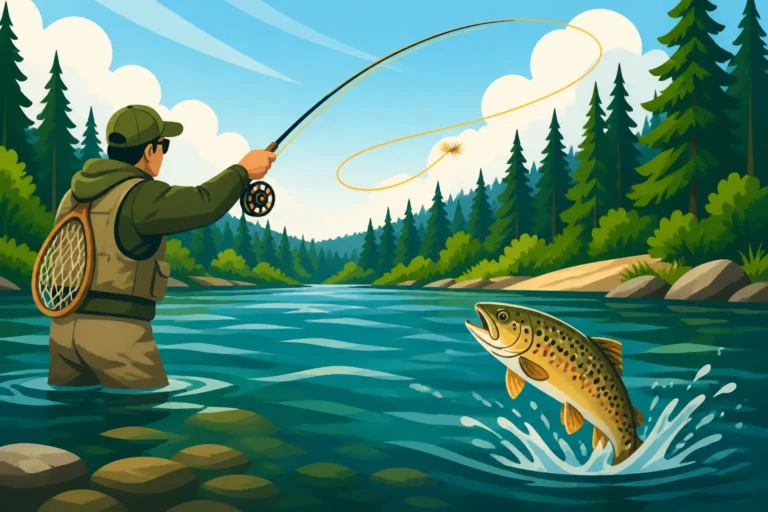
- Fly Fishing: From indicator nymphing with egg patterns and stoneflies to swinging traditional steelhead flies with a spey rod, fly fishing for fall steelhead is a revered art form. It's often most effective in clearer water and can be incredibly rewarding. Patience and precise casting are key. Check out Fly Fishing Techniques for Michigan Steelhead for expert tips.
- Drift Fishing: Also known as "bottom bouncing," this technique uses a weight to keep your bait near the river bottom, allowing it to tumble naturally downstream. This is particularly effective in faster, deeper runs. Small spawn bags or beads are often used as bait. You can learn more about this approach in What Is Drift Fishing for Steelhead.
- Casting Spinners/Spoons/Crankbaits: While less common for fall steelhead compared to bait presentations, aggressive fish will sometimes hit artificial lures. Small, bright spinners or spoons (like Little Cleos or Koho spoons) can be effective in faster water, especially when fish are actively moving.
Reading the River and Conditions
Successful steelhead anglers are keen observers of their environment. The river itself tells a story, and learning to read it can drastically improve your catch rate.
- Water Levels and Flow: After a significant rain, rivers will rise and often become colored. While this can sometimes turn fish on by stirring up food, excessively high or muddy water can shut down the bite. Conversely, very low, clear water can make fish spooky. Ideal conditions are usually stable, slightly stained water levels. Always be mindful of changing conditions for safety, especially if wading. Our guide on How to Read River Flow for Steelhead Fishing is a great resource.
- Water Temperature: Steelhead are cold-blooded, and water temperature dictates their metabolism and activity levels. Fall steelhead generally prefer water temperatures in the 40s and 50s Fahrenheit. A sudden drop or rise can affect their behavior.
- Fish Holding Areas: Look for current seams, where fast water meets slow water; deep pools, where fish rest; tailouts of pools, where they might feed; and structure like log jams or submerged rocks. These areas provide cover and ambush points. Don't overlook the "soft water" directly behind logs or large rocks, as fish often tuck into these areas out of the main current.
Planning Your Fall Steelhead Adventure
A successful fishing trip involves more than just knowing where to go and what to use; it's also about preparing properly and being a responsible angler.
Timing Your Trip Just Right
While the fall steelhead run generally spans from September through December, the peak timing can vary greatly from river to river and even year to year, depending on weather and water conditions. Generally, the best action occurs from mid-October to mid-November.
- Early Fall (September – Early October): Expect the first pushes of steelhead to enter the rivers, often following the large runs of Chinook and Coho salmon. These fish are typically aggressive and can be found throughout the lower and middle sections of the rivers.
- Mid-Fall (Mid-October – Mid-November): This is often considered the prime window for consistent fall steelhead action. More fish are in the rivers, and cooler water temperatures make them active. River conditions are generally stable, and the fall foliage is at its peak. This is when you'll find the most concentrated numbers. Our guide on When Do Steelhead Run in Michigan Rivers offers a more detailed seasonal breakdown.
- Late Fall (Late November – December): As winter approaches, fishing can slow down, but dedicated anglers can still find good numbers of fish, especially during warmer spells. Fish tend to congregate in deeper, slower pools as water temperatures drop.
It's always a good idea to check local fishing reports, call tackle shops, or consult with a guide like those you can find on FishingBooker before heading out. They'll have the most up-to-date information on river conditions and fish activity.
Respecting Regulations and the Resource
Michigan's fisheries are a precious resource, and it's up to all of us to protect them. Always be aware of and abide by current fishing regulations.
- Fishing License: Every angler 17 years of age and older needs a valid Michigan fishing license. Whether you're a resident or non-resident, daily or annual, make sure you have the correct one. You can get yours easily online or at local retailers. For a complete overview, see our Michigan Fishing License Guide for Residents and Nonresidents.
- Bag and Size Limits: Pay close attention to the specific bag and size limits for steelhead and other trout species, as these can vary by river and even by section of a river. Steelhead often have a possession limit as part of the combined trout and salmon limit. Make sure you understand the nuances by reviewing Michigan's Combined Trout and Salmon Daily Limit and Michigan Fishing Regulations Every Angler Should Know.
- Catch-and-Release Practices: Many anglers practice catch-and-release, especially for wild steelhead or during seasons when fish are spawning. If you plan to release fish, handle them with care: keep them in the water as much as possible, use a knotless rubber net, and minimize handling time.
- Respectful Angling: Always be courteous to other anglers, whether you're sharing a drift boat run or a stretch of riverbank. Pack out everything you pack in, and leave no trace. This helps ensure that these incredible fisheries remain healthy and enjoyable for everyone.
Planning your trip, whether it's a solo adventure or a guided excursion booked through a platform like FishingBooker, requires careful consideration of all these factors. A little preparation goes a long way in ensuring a memorable and responsible fall steelhead experience in Michigan.
Disclaimer
Fishing conditions and regulations in Michigan can change frequently. Always consult the latest Michigan Department of Natural Resources (DNR) fishing guide or website for the most up-to-date rules and emergency orders before heading out on the water. This information is for general guidance and educational purposes only.