Night Fishing Techniques for Walleye
You’ve spent countless hours under the blazing Michigan sun, casting, retrieving, and often wondering why those elusive walleye just aren’t biting. It’s a common frustration, especially when you know they’re in the lake but seemingly uninterested in your perfectly presented bait. What many anglers eventually discover is that the darkness often holds the key to unlocking some of Michigan's best walleye fishing, transforming those tough daytime struggles into incredibly productive nights. This guide will walk you through everything you need to know to successfully chase walleye under the stars, from the specific gear that makes a difference to the techniques that truly shine after sunset.
Why Walleye Fishing at Night is a Game Changer
Fishing at night might seem daunting at first, but for walleye, it's often their prime time to hunt. These fascinating fish are perfectly adapted for low-light conditions, giving them a distinct advantage over their prey, and often, over daytime anglers. Understanding their nocturnal habits is the first step to consistently putting them in the boat.
Walleye's Nocturnal Nature and Light Sensitivity
Walleye possess a special reflective layer in their eyes called the tapetum lucidum, similar to what you see in cats. This biological adaptation allows them to gather more light in dim conditions, giving them superior vision when the sun dips below the horizon. During the day, bright light can actually be uncomfortable for them, often driving them to deeper, darker waters or into dense cover. This is why you might struggle to find them in shallow flats during midday.
But once dusk settles in, and certainly after dark, walleye become significantly more active. They'll push into shallower waters, moving from their daytime haunts to feed aggressively on minnows, young perch, and other baitfish that become disoriented or less aware in the darkness. This shift in behavior makes them much more accessible and willing to strike, creating incredible opportunities for anglers willing to embrace the night. It's truly a different fishery, offering a level of excitement and success that can be hard to match during daylight hours.
Prey Movement and Ambush Opportunities After Dark
Just as walleye utilize the cover of darkness, so too do many of their prey species. However, walleye are apex predators in these low-light conditions. Baitfish that might scatter and evade during the day become easier targets as their own vision diminishes, and they venture out from protective cover. Walleye often position themselves along drop-offs, weed edges, or structure, waiting patiently for an unsuspecting school of shiners or perch to swim by.
The reduced visibility also means that walleye are less wary of boat traffic or shadows overhead. They become bolder, more confident in their hunting strategy. This translates into more aggressive bites and less finicky behavior, which is a welcome relief for any angler who's experienced the frustrating "tap-tap-miss" bites of daytime walleye. Understanding this dynamic is crucial for success; you're not just fishing in the dark, you're tapping into a fundamental shift in the entire aquatic ecosystem.
Essential Gear for Michigan Night Walleye Fishing
Venturing out after dark requires more than just your usual fishing setup. Safety, visibility, and the right tools are paramount to a successful and enjoyable night on the water. Don't cut corners on these essentials; they truly make a difference.
Lighting Solutions and Visibility Aids
One of the most critical aspects of night fishing is, unsurprisingly, light. But it's not just about seeing; it's about being seen and having the right kind of light for the job. You'll need a combination of hands-free lighting, ambient boat lighting, and reflective elements.
A good headlamp is non-negotiable. Look for one with multiple settings, including a red light option. Red light preserves your night vision better than white light and is less likely to spook fish. Many quality headlamps can be found on Amazon, offering different brightness levels and battery lives. I personally use a Coast headlamp that’s rechargeable and very durable. For boat lights, a portable LED lantern or a strip of LED lights along the gunwales can provide enough ambient light to tie knots, rig baits, and move around safely without being overly bright. Always ensure your boat's navigation lights are functioning correctly and are visible from all directions, as required by Michigan boating laws. Furthermore, consider reflective tape on your life jackets, oars, or any other items you might need to find quickly in the dark.
Rods, Reels, and Line for Night Sensitivity
While your daytime walleye setup might work, optimizing your rods, reels, and line for night fishing can significantly improve your feel for subtle bites. Walleye often hit more softly at night, and without visual cues, you're relying entirely on sensitivity.
A medium-light to medium-heavy fast-action rod, typically 6'6" to 7'6" in length, is ideal. The fast action tip helps detect those light taps, while the backbone provides enough power to set the hook and fight a good-sized walleye. Pair this with a smooth spinning reel in the 2500-3000 series, spooled with a sensitive braided line like 10-15 lb test PowerPro. Braid has virtually no stretch, transmitting even the lightest bite directly to your hands. Many anglers will then add a 6-10 lb fluorocarbon leader, about 3-5 feet long, to the end of their braid. Fluorocarbon is nearly invisible underwater, provides some shock absorption, and is more abrasion-resistant around structure. This combination ensures maximum sensitivity while maintaining strength for tough fights. For specific recommendations, check out a guide on the Best Rods and Reels for Michigan Fishing.
Navigation and Safety Equipment
Safety should always be your top priority, especially when operating a boat in the dark. Navigating unfamiliar waters at night can be incredibly dangerous without the proper equipment.
Beyond your vessel's standard navigation lights, consider a GPS unit with up-to-date mapping. This will help you stay on course, avoid hazards, and mark productive fishing spots. Many modern fish finders, like those from Humminbird or Lowrance, come with integrated GPS and detailed mapping, making them indispensable tools for night fishing. Always have a fully charged cell phone in a waterproof case, and ideally, a marine-band radio for emergencies. A strong, handheld spotlight or high-beam flashlight is essential for scanning the water for buoys, markers, or floating debris that might appear suddenly. And of course, never leave shore without wearing an appropriately sized life jacket, or at least having one readily accessible for everyone on board. It’s always a good idea to refresh yourself on Michigan Boating Laws for Anglers before heading out.
Prime Locations and Conditions for Night Walleye
Just because it's dark doesn't mean walleye are everywhere. They still prefer specific types of structure and respond to certain environmental conditions. Knowing where to focus your efforts will drastically increase your chances of success.
Identifying Walleye Holding Structure in the Dark
At night, walleye often move from deep water to shallower feeding grounds, but they still relate to structure. The key is finding the transitional areas where deeper water meets shallower flats or points. These are their highways for nocturnal feeding.
Look for distinct features like rock piles, weed lines, drop-offs, and submerged humps. On larger bodies of water like Lake St. Clair or Saginaw Bay, long points that extend into the lake and then drop off can be particularly productive. River mouths and channels, especially where there's a current break, also attract vast numbers of baitfish, which in turn attract walleye. Use your fish finder during daylight hours or at least with a strong spotlight once you're on the water to mark these areas. Pay close attention to any breaks in the bottom contour or changes in substrate. Walleye will often patrol these edges, ambushing unsuspecting prey as it moves between different depths. Knowing where to start is half the battle; many guides on Michigan's Best Walleye Waters often highlight these types of structures.
The Impact of Moon Phases and Water Clarity
While darkness is generally good for walleye, not all dark nights are created equal. The moon phase and water clarity play significant roles in how walleye behave and where you might find them.
A new moon, meaning very little or no moonlight, often provides the darkest conditions, encouraging walleye to be extremely aggressive and roam widely in shallower water. These can be some of the best nights for numbers of fish. Conversely, a full moon can sometimes make walleye a bit warier, as the increased ambient light penetration might make them feel more exposed. On these brighter nights, they might hold slightly deeper or closer to denser cover. However, a full moon can also make visual navigation easier for anglers, which is a trade-off. As for water clarity, walleye generally prefer stained or murky water. This is because their excellent low-light vision gives them an even greater advantage over prey in these conditions. In very clear water, even at night, they might still be a bit more cautious. When you're dealing with clearer lakes, focus on areas with some wind chop, which breaks up light penetration and can make fish less spooky.
Top Night Walleye Techniques
Now that you know why and where to fish, let's talk about the how. Certain techniques consistently outperform others when the sun goes down, capitalizing on the walleye's nocturnal feeding habits.
Jigging with Glow Jigs and Blade Baits
Jigging is an incredibly effective technique for night walleye, especially when you're targeting specific structures or suspended fish. The key is to use lures that capitalize on the low light.
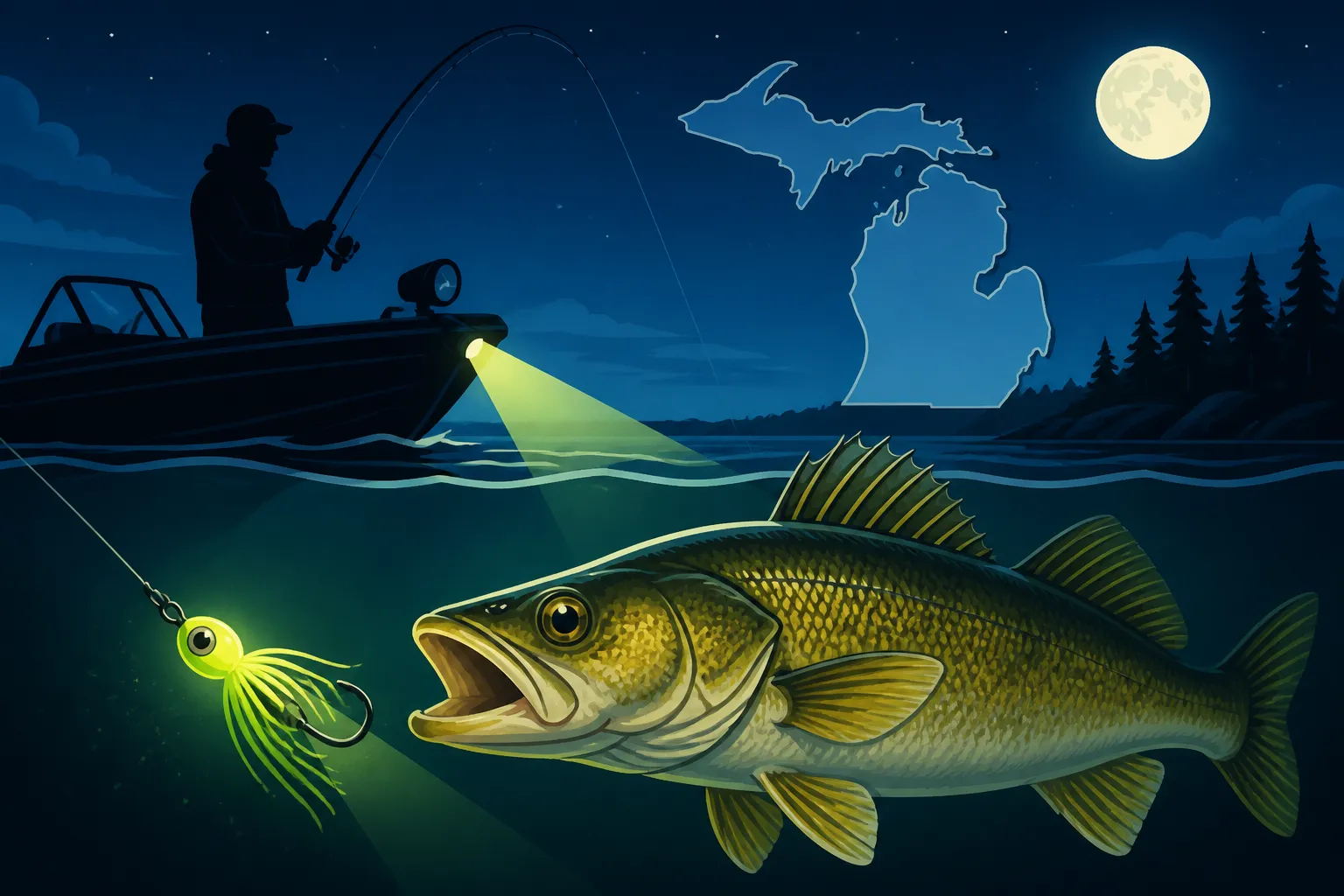
Glow-in-the-dark jigs, often tipped with a piece of live bait like a minnow or a scented soft plastic, are a staple. Charge them frequently with a bright flashlight or a UV light to maximize their glow. The visual flash of the glowing jig descending and rising through the water column, combined with the scent or action of the bait, is often irresistible to walleye. Vertical jigging directly over marked fish or structure works exceptionally well. Another fantastic option is blade baits. These vibrating lures mimic injured baitfish and create a lot of commotion, which walleye can easily detect with their lateral line in the dark. Drop them to the bottom, give a sharp lift, and let them fall on a semi-slack line; most strikes occur on the fall. For more on this specific technique, consider reading about How to Jig for Walleye in Michigan. Remember, subtle presentations often outfish aggressive ones at night.
Slow Trolling with Crankbaits and Crawler Harnesses
Trolling is a fantastic way to cover water and find active fish, and it's equally effective at night for walleye, sometimes even more so. The goal here is usually a slow, methodical presentation.
Shallow-diving crankbaits that run 5-15 feet deep are often perfect for night trolling, especially over shallow flats or along weed edges where walleye move to feed. Look for crankbaits with rattles, as the noise helps walleye locate them in the dark. Colors that glow or have reflective properties, even in subdued moonlight, can also be highly effective. Popular options include Berkley Flicker Shads or Rapala Shad Raps. Many anglers also find success with crawler harnesses, especially in areas with a healthy population of baitfish. Troll these slowly, just above the bottom, often with the addition of a bottom bouncer or snap weights to get them to the desired depth. Scent can be a huge advantage at night, so don't hesitate to add scent sprays to your lures or use real nightcrawlers on your harnesses. Speed is key: think slow, often 1.0 to 1.8 mph, to give walleye ample time to react and strike. Many great options for these lures can be found on Amazon.
Slip Bobber Fishing with Live Bait
For targeting specific points, weed edges, or isolated pieces of structure, slip bobber fishing with live bait is hard to beat at night. This passive yet highly effective method allows you to present bait precisely and naturally.
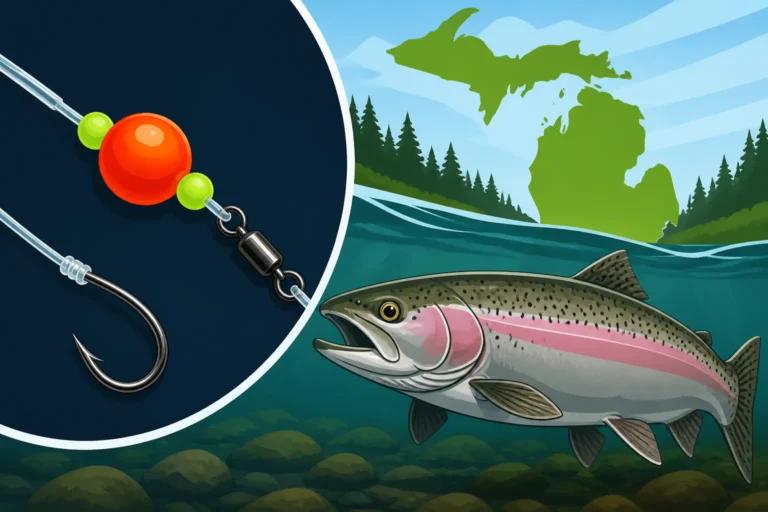
The setup is simple: a slip bobber, a bead, a bobber stop, a small weight, and a hook baited with a lively minnow or a plump nightcrawler. The beauty of the slip bobber is that you can adjust your depth easily, allowing your bait to suspend right in the walleye's strike zone. Use lighted bobbers, which are readily available and incredibly helpful for seeing bites in the dark. These often have small LED lights that illuminate the bobber. Cast your rig to your desired location and watch the bobber intently. When it goes down, give the fish a moment to take the bait before setting the hook. This technique is particularly effective around submerged structure or along the deeper edges of shallow flats. It allows you to present a natural meal to opportunistic walleye that might be cruising for an easy meal. This method often pairs well with understanding Best Bait for Michigan Walleye, particularly live offerings.
Safety First: Navigating the Dark Waters
While the allure of night fishing for walleye is strong, the inherent risks of being on the water after dark cannot be overstated. Prioritizing safety is non-negotiable for both you and your fellow anglers.
Pre-Trip Planning and Communication
Before you even think about launching your boat, a thorough pre-trip plan is essential. This isn't just about packing your tackle box; it's about minimizing risks and ensuring help can reach you if needed.
Always check the weather forecast for wind, storms, and temperature changes. Conditions can shift rapidly in Michigan, especially on the Great Lakes. Inform someone reliable of your exact fishing location and your expected return time. This could be a family member or a friend. Let them know if your plans change. Make sure your boat is in prime working order, with a full tank of gas, functioning lights, and all required safety gear. Double-check your depth finder and GPS, ensuring they are loaded with current maps. Pack extra batteries for all your electronics and lights. Bringing a cooler with plenty of water and snacks is also a good idea. A guide on Michigan Fishing Regulations Every Angler Should Know can help ensure you’ve covered all your bases for a safe and legal trip.
Essential On-Water Safety Practices
Once you’re out on the water, vigilance becomes your constant companion. The dark can obscure even familiar landmarks and create optical illusions, making caution your most valuable tool.
Maintain a slower, more deliberate speed than you would during the day. Blind spots are real, and obstacles can appear out of nowhere. Continually scan the water with a powerful spotlight for markers, buoys, other boats, or debris. If you're on a larger body of water, be aware of commercial traffic lanes. Ensure every passenger, including yourself, is wearing a PFD (Personal Flotation Device), especially when the boat is underway. Cold water temperatures, even in summer, can quickly incapacitate someone who falls overboard. Avoid alcohol; it impairs judgment and severely compromises your ability to react to emergencies. Stay aware of your surroundings and communicate with your fishing partners. Remember, teamwork makes the dream work, and safety is a team effort.
Maximizing Your Night Walleye Success
Beyond the basic gear and techniques, there are always those little extra tips and tricks that seasoned night anglers swear by. These often come from years of experience and can turn a good night into an unforgettable one.
Stealth and Minimal Light Exposure
One of the biggest advantages of night fishing is the element of surprise you have over the walleye. Don't squander it by being loud or overly illuminated.
Walleye are still sensitive to vibrations and sudden, bright lights, even at night. Approach your fishing spots slowly and quietly. Use your trolling motor instead of your main engine when nearing your target. If you're wading or shore fishing, move with care. When you need light, use your red headlamp setting as much as possible. Avoid shining bright white lights directly into the water for extended periods, as this can easily spook fish. Keep conversation low, and avoid dropping heavy objects in the boat. Think like a predator yourself – subtle, patient, and precise. The less you disturb the environment, the more comfortable the walleye will be to bite.
Scent and Sound Attractors
With reduced visibility, walleye rely heavily on their other senses, particularly scent and their lateral line (which detects vibrations and pressure changes). Smart anglers leverage this.
Incorporating scent into your night fishing strategy can be a game-changer. Use scented soft plastics, or apply commercial scent attractants like Pro-Cure or Garlic Nightcrawler to your jigs, crankbaits, or live bait. These scents disperse in the water, creating a trail that walleye can follow. On the sound front, crankbaits with rattles or blade baits that vibrate aggressively create the kind of noise and displacement that can draw walleye in from a distance. Experiment with different rattles and vibrations; sometimes a subtle click is better than a loud clatter. Even the gentle splash of a slip bobber hitting the water can sometimes pique a walleye's curiosity, mimicking a struggling baitfish. These sensory cues become amplified in the dark, giving you an edge.
When to Call it a Night
Knowing when to pack up is just as important as knowing when to start. Sometimes, the fish just aren't cooperating, or conditions change. Don't let frustration override good judgment.
If the bite dies down for an extended period, despite trying different locations and techniques, it might be time to call it. Walleye feeding windows can be intense but sometimes short-lived. Also, always monitor weather conditions. If a storm rolls in unexpectedly, or heavy fog reduces visibility to dangerous levels, it's crucial to prioritize safety and head back to shore. Fatigue can also become a factor after hours in the dark. A tired angler is a less safe and less effective angler. Respect your own limits and those of your fishing partners. There's always another night to fish. And remember, before you even leave for your trip, ensure you have the appropriate Michigan Fishing License Guide for Residents and Nonresidents in order.
| Aspect | Day Fishing | Night Fishing |
|---|---|---|
| Walleye Behavior | Often deep, relating to cover, less aggressive | Moves shallow, more aggressive, utilizes low-light vision |
| Prey Behavior | Active, evasive, harder for walleye to ambush | Less wary, disoriented, easier for walleye to ambush |
| Primary Senses | Vision, lateral line, scent | Lateral line, scent, low-light vision amplified |
| Key Gear Differences | Standard tackle, sunglasses, sunscreen | Headlamp (red light), navigation lights, safety gear, glow lures |
| Technique Focus | Vertical jigging, deep trolling, casting to structure | Slip bobbers, slow trolling shallow, vertical glow jigging |
| Visibility | High, easier navigation, spotting structure | Low, requires extra caution, GPS, spotlight, takes practice |
| Safety Concerns | Sunburn, dehydration, general boating hazards | Navigation hazards, cold water, fatigue, other unlit boats |
This table provides a concise comparison to highlight why adapting your strategy for night fishing is so crucial for success.
Disclaimer
Fishing involves inherent risks, including but not limited to drowning, injury from hooks or equipment, and exposure to the elements. Always prioritize safety, wear appropriate personal flotation devices, understand and adhere to all local and state regulations, and inform others of your plans. This guide is for informational purposes only and does not substitute for personal judgment, experience, or professional guidance.