Best Waders for Cold River Fishing
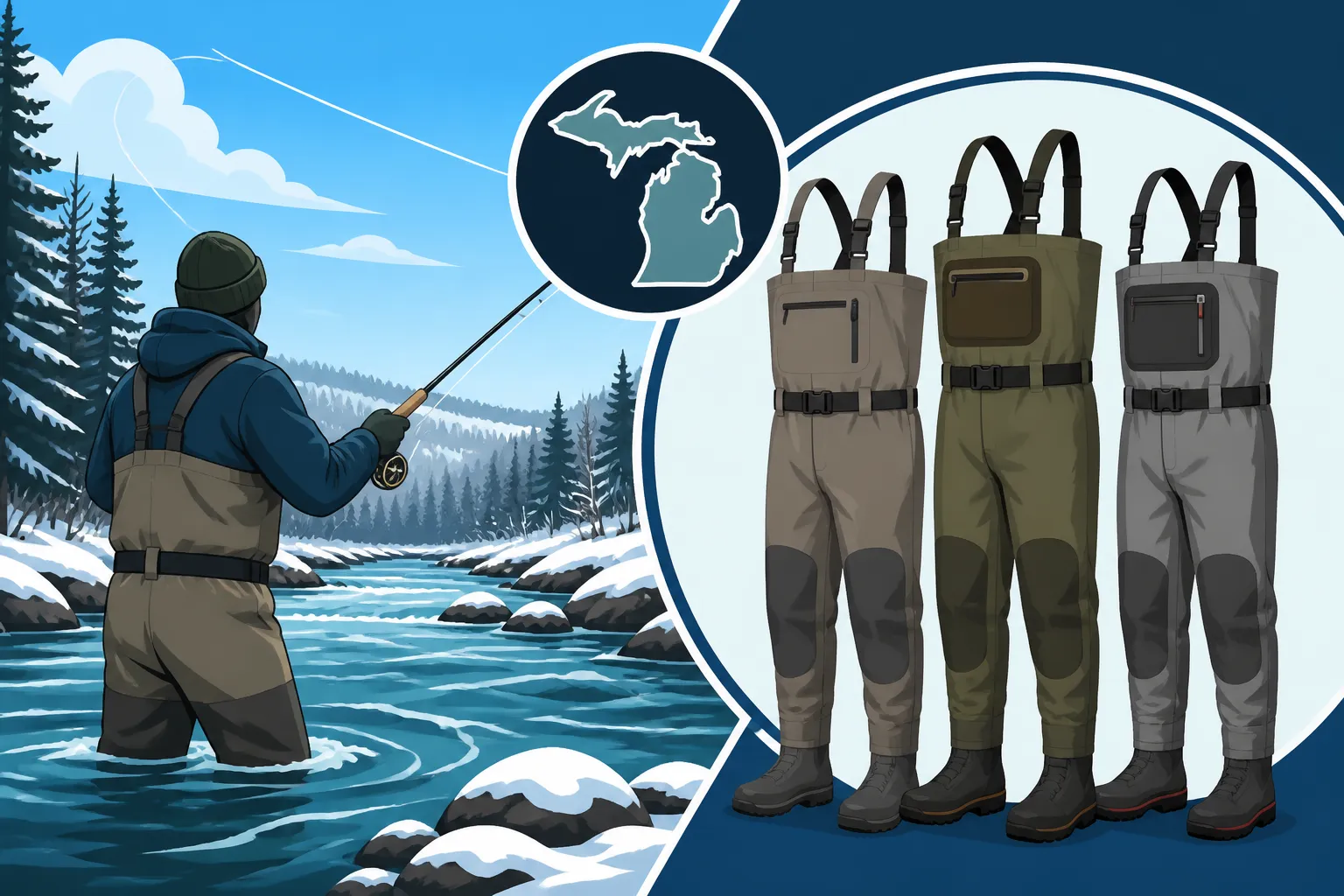
There’s nothing quite like the crisp air and serene beauty of a Michigan river in late fall or early spring, or even a mild winter day. The steelhead are running, the trout might be active, and the world feels quiet, save for the rush of the water. But that peaceful scene can quickly turn into a miserable ordeal if your feet and legs are freezing solid. We’ve all been there, shivering uncontrollably, trying to focus on our drift when all we can think about is getting back to the truck for warmth. This guide is all about helping you conquer those cold Michigan waters by choosing the absolute best waders, ensuring your time on the river is spent enjoying the fishing, not enduring the cold.
Why Cold River Waders Are Non-Negotiable in Michigan
When you're out on Michigan's rivers, especially those famous for trout and steelhead like the Pere Marquette River Fly Fishing in Michigan or the Au Sable River Trout Fishing in Michigan, you’re not just battling the air temperature. The water itself holds a whole different kind of chill that demands serious respect. Many an angler has underestimated this, thinking a mild autumn day means a mild river, only to find themselves numb from the waist down within minutes.
The Brutal Reality of Michigan's Water Temperatures
It’s a common misconception that if the air temperature is, say, 45 or 50 degrees, the water will be a pleasant coolness. Oh, if only that were true! Michigan’s rivers, especially those fed by springs or deep lakes, maintain surprisingly consistent and cold temperatures year-round. During the prime steelhead and salmon runs in fall, winter, and spring, the water can easily hover in the low 30s to low 40s. Even on a sunny 50-degree day, wading into 38-degree water without proper insulation is a recipe for disaster. The water saps your body heat many times faster than air, making adequate protection absolutely crucial. You might start a morning feeling great, but as the hours tick by and that icy water keeps swirling around your legs, fatigue and discomfort set in quickly.
Beyond Comfort: Safety and Performance
While being comfortable is a huge factor in enjoying your time on the water, the importance of good cold-water waders extends far beyond mere coziness. Hypothermia is a very real risk when spending extended periods in frigid water, even if you don't feel like you're "swimming." The slow, steady loss of body heat can impair judgment, coordination, and your ability to react to sudden slips or falls. Think about trying to tie on a tiny fly or navigate slippery rocks when your fingers are numb and your body is shaking. It’s impossible to fish effectively, let alone safely. Quality waders act as a vital barrier, allowing your core temperature to remain stable. This means you can stay focused on the subtle takes, the tricky currents, and the beautiful fish, rather than constantly battling the cold. It truly transforms a miserable outing into a memorable one, and potentially a dangerous one into a safe one.
Understanding Wader Types and Materials for Cold Water
When you step into the world of waders, you’ll quickly find there are two main categories: neoprene and breathable. Both have their merits for cold water, but understanding their fundamental differences is key to choosing the right pair for your Michigan adventures.
Neoprene Waders: The Traditional Cold-Water Workhorse
Ah, neoprene waders. These are often what come to mind when people think of cold-water fishing. Made from the same material as wetsuits, neoprene provides excellent inherent insulation. The thickness, usually measured in millimeters (mm), directly relates to the warmth. You'll typically find them in 3mm, 3.5mm, or 5mm options. A 5mm neoprene wader is an absolute tank for battling the coldest conditions, making it a popular choice for ice fishing or standing in frigid rivers during deep winter steelhead runs.
The pros of neoprene are obvious: they are incredibly warm, generally very durable against punctures and abrasions, and often less expensive than high-end breathable options. They also tend to be quite buoyant, which can be a comfort in deeper waters. However, they aren't without their drawbacks. Neoprene doesn't breathe. At all. This means that if you're doing a lot of walking to get to your fishing spot, or if the air temperature rises, you'll sweat inside them, leading to clamminess and eventually, a chill when you get back into the cold water. They can also be bulky, restricting movement and making long hikes uncomfortable. For anglers who plan to stand relatively still in truly icy conditions, perhaps on a smaller river or for a short winter outing, neoprene can be a fantastic, budget-friendly option found readily at places like Bass Pro Shops.
Breathable Waders: Modern Innovation for Dynamic Anglers
Breathable waders represent the pinnacle of modern wader technology, and for good reason. These waders are typically constructed from multi-layered synthetic fabrics that are waterproof but also allow moisture vapor (i.e., sweat) to escape. Think of high-performance rain jackets – same concept. Brands use various proprietary membranes and fabric technologies, with names like GORE-TEX, Toray, or H2No, to achieve this balance.
The primary advantage of breathable waders for cold river fishing is their versatility and comfort. While they don't offer the same inherent insulation as neoprene, their breathability means you can layer up underneath them according to the conditions without getting clammy. This "layering system" is incredibly effective. For instance, on a frigid morning, you might wear heavy fleece pants under your waders. As the day warms up, you can shed a layer and still remain comfortable and dry. This adaptability makes them ideal for Michigan's notoriously fickle weather, especially during the long Michigan Steelhead Run Timing periods that span multiple seasons. They also offer much better mobility and are significantly lighter, making long hikes to remote sections of the Manistee River Steelhead and Salmon Fishing in Michigan or the Muskegon River Michigan Steelhead Run Timing much more enjoyable. The main "con" is often the higher price point, but for many serious anglers, the comfort and performance are worth the investment. You can find a huge selection of breathable waders, often with customer reviews, on Amazon or at specialty fly shops.
Material Deep Dive: GORE-TEX and Beyond
When we talk about breathable waders, the material science behind them is fascinating and crucial. At the core is a membrane with microscopic pores that are too small for liquid water to pass through, but large enough for water vapor to escape. GORE-TEX is probably the most famous brand, known for its exceptional waterproofing and breathability, often found in high-end waders. However, many other companies have developed excellent proprietary materials that perform very well.
These fabrics are often described by their "layers" – usually 3-layer or 4-layer constructions. More layers generally mean more durability and sometimes improved breathability, but also typically come with a higher price tag. A 3-layer wader might be perfectly suitable for occasional use and lighter wading, while a 4-layer or even 5-layer wader (often with extra reinforcement in high-wear areas) is designed for serious, all-day abuse in tough conditions. Look for terms like "DWR coating" (Durable Water Repellent) on the exterior fabric, which helps shed water and prevent the fabric from "wetting out." Pay attention to seam construction as well; welded seams are generally more durable and less prone to leaks than traditional sewn seams. Understanding these material specifics can help you make an informed decision and invest in a pair of waders that will truly stand up to the rigors of Michigan's Great Lakes Fishing Guide and its tributary rivers.
Key Features to Look for in Cold River Waders
Once you've decided between neoprene and breathable (or perhaps even decided to own both for different scenarios), it’s time to dig into the specific features that will make a significant difference in your cold-water fishing experience. These aren't just bells and whistles; they are often critical elements for comfort, durability, and practicality.
Insulation and Layering Capacity
For neoprene waders, insulation is inherently built in. You'll typically choose a 3mm or 5mm thickness based on how cold the water you anticipate wading in will be. For Michigan's chilliest days and icy waters, a 5mm neoprene wader is often preferred, providing a substantial thermal barrier.
With breathable waders, insulation is primarily achieved through your layering system. This means you need waders that offer enough room to comfortably wear thick fleece pants or other synthetic insulating layers underneath without feeling restricted. When trying on breathable waders, always wear the thickest layers you anticipate using. You should be able to sit, squat, and lift your knees high without feeling a pull in the crotch or shoulders. The beauty of breathable waders is this adaptability; on a warmer day, you might just wear thin base layers, and on a truly frigid day, you can pile on the warmth. Look for waders that specifically mention an "athletic cut" or "articulated knees" to ensure maximum mobility with layers underneath.
Bootfoot vs. Stockingfoot: Making the Right Choice
This is one of the most fundamental decisions when buying waders, and it has significant implications for cold-water performance and comfort in Michigan.
-
Bootfoot Waders: These have insulated rubber boots permanently attached to the wader legs.
- Pros: Incredible convenience – just slip them on and go. Often heavily insulated in the boot, providing excellent warmth for your feet. No gravel entering your boots.
- Cons: Less ankle support than wading boots. The boots can be bulky and heavy for walking. The fit might not be as precise, leading to potential blisters if not sized correctly. Traction can also be a limiting factor, as you're reliant on the sole pattern of the attached boot.
- Best For: Anglers who primarily fish from a boat, or who have very short walks to their wading spots. Excellent for truly cold conditions like Michigan Ice Fishing Guide or winter river fishing where minimal walking is involved and maximum warmth is desired.
-
Stockingfoot Waders: These feature integrated neoprene booties that you wear your separate wading boots over.
- Pros: Superior fit and comfort from your wading boots, which offer better ankle support and often much better traction on slippery riverbeds. Much lighter and more packable for longer hikes. Allows for customization of wading boots (felt, rubber, studded).
- Cons: Requires purchasing separate wading boots. More steps to get ready. Gravel can get between the neoprene bootie and your wading boot if not properly guarded.
- Best For: Anglers who do a lot of walking, need superior traction on varied river bottom terrains, or prefer the customized fit of their own wading boots. This is often the preferred choice for dedicated river anglers pursuing steelhead and trout in Michigan's faster-flowing, rockier rivers.
For most cold river fishing in Michigan, where footing can be treacherous and walks to prime spots might be lengthy, stockingfoot waders paired with high-quality, insulated wading boots with good traction (Best Wading Boots for Michigan Rivers) often provide the best combination of safety, comfort, and performance.
Durability and Reinforcement
Cold river fishing means navigating rough terrain, thorny bushes, slippery rocks, and potentially even ice. Your waders need to be tough. Look for models with reinforced knees and seats, often made from a tougher denier fabric or an extra layer of the wader material. This is crucial for kneeling to release a fish, sitting on cold riverbanks, or simply brushing against sharp objects.
Seam construction is another critical durability factor. High-quality waders often feature welded seams, which create a stronger, more waterproof bond than traditional stitching and taping. Look for robust gravel guards that fit snugly over your wading boots to prevent sand, pebbles, and debris from entering, which can cause wear and tear on your neoprene booties and discomfort. A solid, durable wading belt is also essential, not only for comfort and keeping the waders up but also as a safety feature to help prevent water from rushing in should you take an unexpected plunge.
Practical Features for Anglers
Beyond the core function, thoughtful design features can significantly enhance your cold-water fishing experience:
- Handwarmer Pockets: These are a game-changer! Fleece-lined, pass-through pockets on the chest are invaluable for warming up numb fingers, especially on those brutally cold days. Many brands offer zippered, water-resistant pockets on the chest for storing essentials like a phone, fishing license (a Michigan Fishing License Guide for Residents and Nonresidents is essential!), or a small fly box.
- Accessory Attachment Points: D-rings, tool docks, and tippet spool holders keep your essential gear close at hand without fumbling around in your vest or pack.
- Adjustable Suspenders: Comfortable, easily adjustable suspenders prevent shoulder fatigue and ensure a proper fit, whether you're wearing light or heavy layers. Many modern waders feature buckle systems that allow them to be easily converted from chest waders to waist-high waders for warmer conditions or shallow wading.
- Internal Organization: Small internal zippered pockets are great for keeping keys, wallets, or other small valuables secure and dry.
Consider what you need on the river and look for waders that incorporate those features. You can compare different models and their features quite easily by browsing product descriptions on major retailers like Bass Pro Shops or Amazon.
Sizing, Fit, and Maintenance for Longevity
Investing in a good pair of waders for cold river fishing is a significant decision, and getting the most out of them involves more than just picking the right type and features. Proper sizing, smart layering, and diligent maintenance are equally crucial for comfort, performance, and extending the life of your gear.
Getting the Right Fit: Don't Skimp
This is perhaps the most important, yet often overlooked, aspect of wader selection. An ill-fitting wader will be uncomfortable, restrict movement, and ultimately, compromise its thermal performance and durability. If waders are too tight, they can restrict blood flow (making you colder) and put undue stress on seams, leading to leaks. If they're too baggy, the excess material can bunch up, create friction points, and make wading cumbersome and potentially dangerous by snagging on underwater debris.
When trying on waders, especially breathable models you plan to layer under, always wear the heaviest base and mid-layers you anticipate using. You should be able to:
- Squat fully: Mimic bending over to pick up a net or release a fish.
- Lift your knees high: Imagine climbing over logs or steep banks.
- Walk naturally: Ensure there’s no chafing or excessive rubbing.
- Reach overhead: Check that the suspenders aren't digging in or pulling uncomfortably.
For stockingfoot waders, ensure the neoprene booties fit snugly around your feet without being tight. Too much excess material in the foot can cause bunching in your wading boots and lead to blisters. Most manufacturers provide detailed sizing charts based on chest, inseam, and foot size. Don't just guess your size; measure yourself carefully!
Essential Layering Strategies
For breathable waders, your layering system is your secret weapon against the cold. Forget cotton – it absorbs moisture and holds it against your skin, making you cold once wet. Instead, focus on technical fabrics:
- Base Layer (against skin): Moisture-wicking materials are paramount. Think merino wool or synthetic thermal underwear. These pull sweat away from your body, keeping you dry and warm.
- Mid-Layer (insulation): Fleece pants or synthetic puff pants are excellent choices. The thickness of this layer will vary depending on the water and air temperature. For truly frigid Michigan rivers, heavy fleece is non-negotiable.
- Socks: Again, merino wool or synthetic blend socks are best. Wear a thin liner sock if you’re prone to blisters, and a thicker insulating sock over it. Make sure your socks aren't so thick that they cramp your feet in your wading boots.
This system allows you to adapt to changing conditions. You can start with multiple layers and shed one if you warm up from hiking, or add an extra layer on those days when the Free Fishing Weekend in February truly lives up to its name.
Care and Storage for Your Investment
Your waders are an investment, and proper care will dramatically extend their lifespan and performance.
- Rinse After Use: Always rinse your waders, especially if you've been in saltwater (though most Michigan river fishing is freshwater) or murky water. This removes dirt, debris, and any chemicals that could degrade the fabric.
- Thorough Drying: This is critical. Hang your waders upside down first to allow the interior to dry completely, especially the neoprene booties. Then, flip them right side up to allow the exterior to air dry. Never store damp waders; they will develop mildew, which not only smells terrible but also damages the fabric and can compromise the waterproof membrane. Avoid direct heat sources like heaters or direct sunlight for extended periods, as this can break down materials.
- Proper Storage: Store your waders in a cool, dry place away from direct sunlight. Hang them from the suspenders or waist to avoid creasing, which can stress seams. If storing for an extended period, ensure they are absolutely bone dry.
- Patching and Repairs: Accidents happen. Small punctures can often be repaired with a wader repair kit (often a patch of the wader material and a special adhesive). Keep one handy. Learning how to identify and patch small leaks can save you from having to buy a new pair prematurely.
By following these guidelines, your cold-river waders will keep you warm, dry, and comfortable, ensuring you can focus on the thrilling pursuit of fish in Michigan's magnificent waterways for many seasons to come.
| Feature | Neoprene Waders | Breathable Waders |
|---|---|---|
| Primary Advantage | Superior inherent insulation | Excellent breathability and layering versatility |
| Warmth | Very warm, especially 5mm thickness | Achieved through layering; adaptable to conditions |
| Comfort | Can be bulky, less mobility, can cause sweating | Lightweight, great mobility, reduces clamminess |
| Durability | Very puncture-resistant, robust | High-end fabrics are durable, multi-layer designs |
| Weight | Heavier and bulkier | Lighter and more packable |
| Best Use Cases | Very cold stationary fishing, ice fishing | Active wading, long hikes, varied weather |
| Cost | Generally more affordable | Often higher price point for quality models |
| Foot Type Options | Often bootfoot; some stockingfoot options exist | Primarily stockingfoot (requires separate boots) |
| Maintenance | Must dry thoroughly to prevent mildew | Must dry thoroughly to maintain breathability |
Disclaimer
This article is for general informational purposes only and does not constitute professional advice. Laws, prices and regulations vary by location and change over time. Consult a qualified professional for guidance on your specific situation.