What Do Yellow Perch Eat
If you've ever spent a beautiful Michigan day out on the water, whether it's the vast expanse of Lake St. Clair or a quiet inland lake, chasing those delicious yellow perch, you've probably asked yourself: "What exactly are these fish eating?" It’s a common question, and honestly, it’s one of the most crucial pieces of the puzzle when it comes to consistently catching them. Understanding the diet of yellow perch in Michigan is like having a secret weapon in your tackle box, guiding your bait choices and helping you find those prime fishing spots. This guide will dive deep into the diverse and changing menu of Michigan's beloved yellow perch, helping you understand their preferences from tiny fry to plump adults.
The Dynamic Diet of Michigan Yellow Perch
Yellow perch (Perca flavescens) are opportunistic feeders, meaning they'll eat just about anything that fits in their mouth and looks appetizing. But their diet isn't static; it shifts dramatically throughout their lives and changes with the seasons, water conditions, and available food sources. This adaptability is part of what makes them so successful in Michigan's varied waters.
Zooplankton: The Foundation of Their Early Life
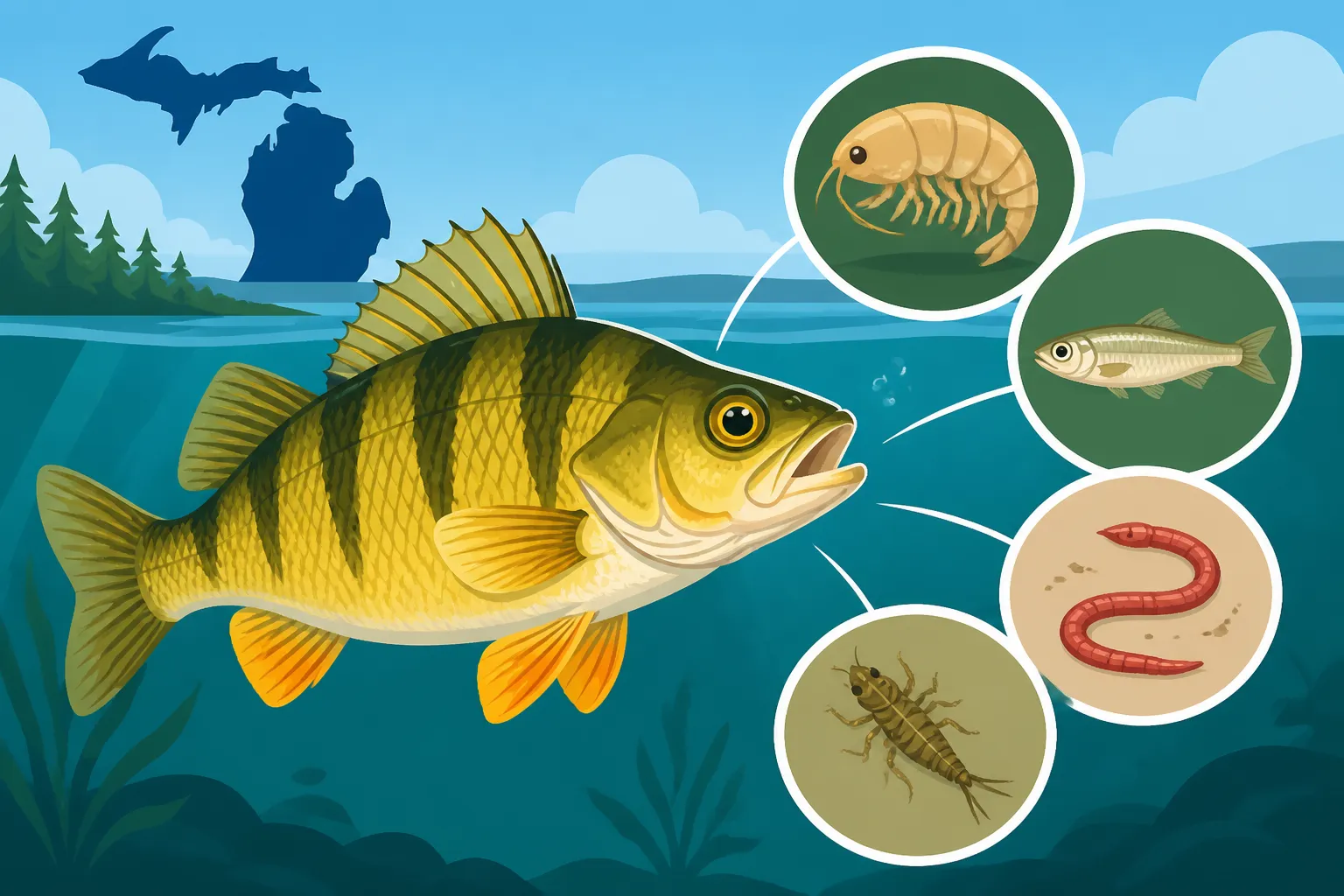
Imagine being a tiny, newly hatched fish, barely an inch long. You're too small to eat anything substantial, but luckily, the water around you is teeming with microscopic organisms called zooplankton. These tiny crustaceans and rotifers – things like copepods and cladocerans – form the absolute bedrock of a young yellow perch's diet.
When yellow perch first hatch, they are highly vulnerable and rely entirely on these minuscule creatures for survival and growth. Think of zooplankton as the equivalent of baby formula for fish. They drift through the water column, often congregating in nutrient-rich areas, and provide the necessary protein and energy for perch fry to develop quickly. You'll find these juvenile perch schooling in shallow, sheltered bays, especially where aquatic vegetation offers both protection and a rich buffet of these tiny organisms. If you're targeting very small perch, you're essentially looking for areas rich in zooplankton, which are often overlooked by anglers focused on bigger prey.
Aquatic Insects: A Constant Buffet
As yellow perch grow, they graduate from purely microscopic fare to something a bit more substantial: aquatic insects. And let me tell you, Michigan's lakes and rivers are absolute treasure troves of these critters! From the wiggly larvae living in the mud to the nymphs clinging to submerged weeds, insects are a consistent and reliable food source for perch of all sizes, especially those in the mid-range.
Common aquatic insects on a yellow perch's menu include mayfly nymphs, caddisfly larvae, and midge larvae. These insects spend a significant portion of their life cycle underwater, and perch are masters at rooting them out. You'll often find perch foraging along the bottom or near weed beds, where these insects are most abundant. The availability of specific insects can also be seasonal. For instance, during a massive mayfly hatch, perch will gorge themselves, sometimes to the exclusion of other food sources. Understanding these "hatches" can give you a significant edge. If you see signs of a major insect emergence, try to mimic those insects with your lures or bait. What Counts as an Artificial Lure Under Michigan's Trout Rules might give you an idea of how specific regulations define lures, which can be useful when selecting insect imitations.
Small Fish: The Protein Power-Up
Once yellow perch reach a certain size, typically around 6-8 inches or larger, their diet often undergoes another significant shift: they become piscivorous, meaning they start actively hunting and eating other fish. This is when they really start to pack on the pounds and become those plump, desirable catches.
What kind of fish do they target? Usually, it's anything smaller and easier to catch. Common prey fish include various species of minnows (like emerald shiners or fatheads), darter, gobies, and even the young of other game fish. In some waters, especially the Great Lakes, small smelt can be a major food source. It's not uncommon for larger perch to even cannibalize smaller perch – it's a dog-eat-dog world out there! When perch transition to eating fish, they often move to deeper waters or more open areas where baitfish schools congregate. This dietary shift profoundly impacts how and where you should fish for larger perch, moving your focus from insect-heavy weed beds to deeper water structures or areas where baitfish are schooling. If you're looking for Michigan Yellow Perch Size and Limit, remember that the bigger ones often prefer a meal of fish.
Seasonal Shifts in Yellow Perch Feeding Habits
Just like us, yellow perch don't eat the same way all year round. Michigan's distinct four seasons mean significant changes in water temperature, light penetration, and food availability, all of which directly influence what, when, and where perch choose to feed.
Springtime Feasting: Post-Spawn Hunger
Ah, spring in Michigan! After the ice melts and the water slowly warms, yellow perch engage in their annual spawning ritual. Once this energy-intensive process is over, they are absolutely ravenous. Their bodies are depleted, and they need to replenish their energy reserves quickly. This post-spawn hunger makes them incredibly aggressive feeders.
In spring, you'll find perch primarily feasting on a combination of readily available insect larvae that are becoming more active with the warming water, and small minnows. They'll often move into shallower areas, especially bays and flats that warm up faster, seeking both the rising water temperatures and the burgeoning food sources. This is a fantastic time for anglers, as perch are less finicky and more willing to chase a bait. Targeting them right after the spawn, often in late April or early May, can lead to some truly epic catches. Understanding these seasonal patterns is key, and our Michigan Spring Fishing Season Guide has more details on what to expect.
Summer's Bounty: Abundance and Variety
Michigan summers are a time of plenty, and yellow perch take full advantage of the warm water and abundant food sources. Their metabolism is high, meaning they need to eat frequently, and the sheer variety of prey available makes their diet incredibly diverse.
During summer, perch will feed on everything from zooplankton and aquatic insects to crayfish, leeches, and, of course, small baitfish. You'll find them relating heavily to cover – think dense weed beds, submerged timber, and rocky bottom structures. These areas provide both ambush points for hunting and rich environments for their prey. On large bodies of water like Lake St. Clair or Saginaw Bay, perch might roam deeper basins, following schools of minnows. If you're on a smaller inland lake, targeting weed lines and drop-offs will be your best bet. Because of the sheer variety of food, summer perch can sometimes be a bit more selective, so presenting a natural-looking bait or lure becomes even more crucial.
Autumn Prep: Packing on the Pounds
As the crisp air of autumn descends upon Michigan, yellow perch enter a crucial phase of their feeding cycle: bulking up for the long, lean months of winter. The water temperatures start to drop, signaling to the fish that they need to accumulate fat reserves.
During this period, perch will significantly increase their consumption, often favoring larger, more calorie-dense meals. This means a heavy focus on minnows and larger invertebrates. You'll often find them schooling tightly, moving from shallower summer haunts to deeper waters as the temperatures continue to fall. They'll still forage along the bottom but will actively chase schools of baitfish in open water. This can be an excellent time for anglers, as perch are often concentrated and aggressively feeding. Look for them on the edges of deep flats, near drop-offs, and around offshore humps where baitfish might be congregating. Yellow Perch Fishing in Michigan in the fall can be incredibly rewarding.
Winter's Chill: Sustenance Under the Ice
When Michigan lakes and rivers finally lock up with ice, the feeding activity of yellow perch slows down, but it certainly doesn't stop. Their metabolism drops significantly in the cold water, but they still need to eat to survive.
During winter, perch tend to stick to more easily accessible prey. This means a greater reliance on benthic (bottom-dwelling) invertebrates like midge larvae, bloodworms, and small crustaceans, which they can pick off the lakebed. Small, slow-moving minnows that might be sluggish in the cold water also become prime targets. You'll find them schooling in deeper sections of lakes, often near the bottom, over soft mud or hard-bottomed areas that hold concentrations of their winter food sources. Ice fishing for yellow perch is incredibly popular in Michigan, and understanding their winter diet is paramount to success. Small jigs tipped with a wax worm or minnow head are classic choices, perfectly mimicking their winter prey. For a comprehensive look, check out our Michigan Ice Fishing Guide and How to Catch Yellow Perch Through the Ice in Michigan.
Matching the Hatch: Best Baits and Lures for Michigan Perch
Now that we understand what yellow perch eat, the next logical step is to figure out how to present something appealing to them. Choosing the right bait or lure is all about "matching the hatch" – imitating what they're naturally feeding on.
Live Bait: Irresistible Natural Offerings
When it comes to yellow perch, live bait is almost always a surefire bet. Nothing beats the natural scent, movement, and taste of the real thing.
- Minnows: Hands down, small minnows are the king of perch baits, especially for targeting larger fish. Emerald shiners, fatheads, and rosy reds are all excellent choices. They perfectly mimic the small baitfish that larger perch actively hunt. You can rig them on a small jig, a plain hook under a bobber, or even on a simple dropper rig. The struggling action of a live minnow is often irresistible to hungry perch.
- Worms: For a more general approach, or when targeting medium to smaller perch, worms are incredibly effective. Pieces of nightcrawlers or full red wigglers are fantastic. They imitate insect larvae and other bottom-dwelling invertebrates. These are particularly great when perch are foraging along the bottom or in weed beds.
- Wax Worms, Grubs, and Maggots: These insect larvae imitations are absolute staples for ice fishing and also work wonders in open water, especially when tipped on small jigs. They perfectly mimic the smaller invertebrates that perch forage for, especially in colder water when metabolism is slower. You can often find a good selection of specialized bait containers and aerators for keeping your live bait fresh on Amazon, making your fishing trip much more convenient.
Artificial Lures: Mimicking Natural Prey
While live bait is hard to beat, artificial lures can be incredibly effective, especially when you need to cover more water, want to practice catch-and-release more easily, or simply prefer the challenge of fooling a fish with hardware.
- Small Jigs: These are perhaps the most versatile artificial lures for yellow perch. Think tiny teardrop jigs, vertical "pimple" jigs, or small Swedish Pimple spoons. Tipping these jigs with a piece of live bait (like a minnow head, a wax worm, or a grub) creates an irresistible combination of visual appeal, action, and scent. They mimic both small minnows and larger insect larvae.
- Spinnerbaits and Spoons: Very small inline spinners or tiny casting spoons can be excellent for covering water and attracting active perch, especially in summer. They flash and vibrate, mimicking a fleeing baitfish.
- Small Crankbaits: Micro-crankbaits or small lipless crankbaits can also be effective when perch are aggressively chasing baitfish. Choose natural colors that resemble common minnows.
- Soft Plastics: Tiny soft plastic lures, like micro tubes, grubs, or small paddle-tail swimbaits, can be deadly when fished on a light jig head. They offer a subtle, natural presentation that perfectly mimics insect larvae, small crustaceans, or even tiny fish fry. The beauty of artificials is the endless variety of colors and actions available. You can literally spend hours browsing through different options on Amazon to find the perfect lure for any condition. For more detailed advice, read our guide on Best Bait for Yellow Perch in Michigan.
Finding the Food: Where Perch Hunt in Michigan Waters
Knowing what perch eat is only half the battle; the other half is knowing where to find that food. Yellow perch are structure-oriented fish, and they'll always be close to where their next meal is located.
Weeds, Structure, and Bottom Contours
If you want to find yellow perch, start by looking for areas that concentrate their food sources and offer them protection. These are often the same places.
- Weed Lines and Beds: Aquatic vegetation, especially dense weed beds, are natural nurseries for zooplankton and a haven for countless aquatic insects. Small minnows also seek refuge and food within these weeds. Perch will patrol the edges of these weed lines, moving in and out to ambush prey. This is particularly true in shallower bays and flats of many Michigan lakes. Think about Lake St. Clair or the shallow parts of Houghton Lake; dense weeds are often perch magnets.
- Drop-offs and Ledges: Where a shallow flat suddenly drops into deeper water, you've found a classic perch hotspot. These drop-offs act as highways for baitfish and invertebrates moving between depths, making them prime ambush points for perch. The transition zones often hold a diverse range of food.
- Submerged Timber and Rock Piles: Fallen trees, brush piles, and rocky reefs or humps provide excellent cover for both perch and their prey. Crayfish and many insects hide among rocks, and minnows use timber for protection. Perch will often suspend around these structures, waiting to dart out and grab a meal.
- Soft vs. Hard Bottoms: Different bottom compositions attract different food sources. Soft, mucky bottoms often hold abundant bloodworms and midge larvae, while hard, rocky bottoms might host more crayfish and other invertebrates. Perch will move between these areas depending on what they're foraging for. When exploring, keep an eye on your fish finder for these distinct bottom types. For finding good fishing areas in general, our Best Perch Fishing Spots in Michigan can offer some excellent starting points.
Water Column Considerations
While perch are often associated with the bottom, they don't always stay there. Their position in the water column can change dramatically based on where their food is.
- Following Zooplankton Blooms: In larger lakes, particularly in open water, zooplankton can sometimes form massive blooms. Schools of young perch, especially, will rise in the water column to feed on these. If you're seeing signs of baitfish or tiny organisms higher up, don't be afraid to experiment with your depth.
- Chasing Baitfish Schools: When larger perch are targeting minnows, they might be found suspended in open water, actively chasing schools of baitfish. Your fish finder will be your best friend here, helping you locate these suspended schools of prey and, hopefully, the larger perch feeding on them. This is often the case in Michigan's Great Lakes, where perch can be found both deep and suspended. Our Michigan's Great Lakes Fish Species Guide discusses many of these open-water dynamics. Always remember that perch are creatures of habit, but those habits are dictated by their stomach!
To give you a clearer picture, here's a quick summary of what yellow perch eat, broken down by life stage and general conditions:
| Life Stage / Condition | Primary Diet Components | Typical Locations for Feeding | Common Baits / Lures |
|---|---|---|---|
| Fry / Juvenile | Zooplankton (copepods, cladocerans) | Shallow, protected bays with aquatic vegetation | Small jigs, tiny plastics (mimicking zooplankton) |
| Small Perch | Aquatic Insects (larvae, nymphs), Zooplankton | Weed beds, shallow flats, along the bottom | Worms, wax worms, small jigs (tipped with bait) |
| Medium Perch | Aquatic Insects, Small Minnows, Crayfish | Weed lines, drop-offs, submerged structures, open water schools | Minnows, worms, jigs, small spinners, soft plastics |
| Large Perch | Minnows, Smaller Fish, Crayfish, Large Insects | Deeper water, structure (rock piles, timber), baitfish schools | Minnows, larger jigs, small crankbaits |
| Spring (Post-spawn) | Insect larvae, Minnows | Shallower warming flats, weed edges | Minnows, worms, jigs |
| Summer | Diverse: Insects, Minnows, Crayfish, Zooplankton | Weed beds, drop-offs, open water following bait | Minnows, worms, jigs, spinners, crankbaits, plastics |
| Autumn | Minnows, Larger Invertebrates | Deeper edges of flats, humps, baitfish schools | Minnows, larger jigs, spoons |
| Winter (Ice Fishing) | Benthic Invertebrates, Slow Minnows | Deep basins, soft or hard bottom, bottom structure | Wax worms, minnow heads, small jigs, tip-ups |
Understanding what yellow perch eat is more than just trivia; it's a fundamental key to becoming a more successful angler in Michigan. These adaptable fish shift their diets throughout their lives and with the changing seasons, responding directly to the availability of food. By paying attention to the environment, observing what other anglers are catching, and knowing what's likely on the perch's menu for that specific day and location, you can significantly improve your chances of a great catch. So next time you're heading out, take a moment to consider what those perch are likely munching on – your tackle box choices will thank you!
Disclaimer
This article is for general informational purposes only and does not constitute professional advice. Laws, prices and regulations vary by location and change over time. Consult a qualified professional for guidance on your specific situation.