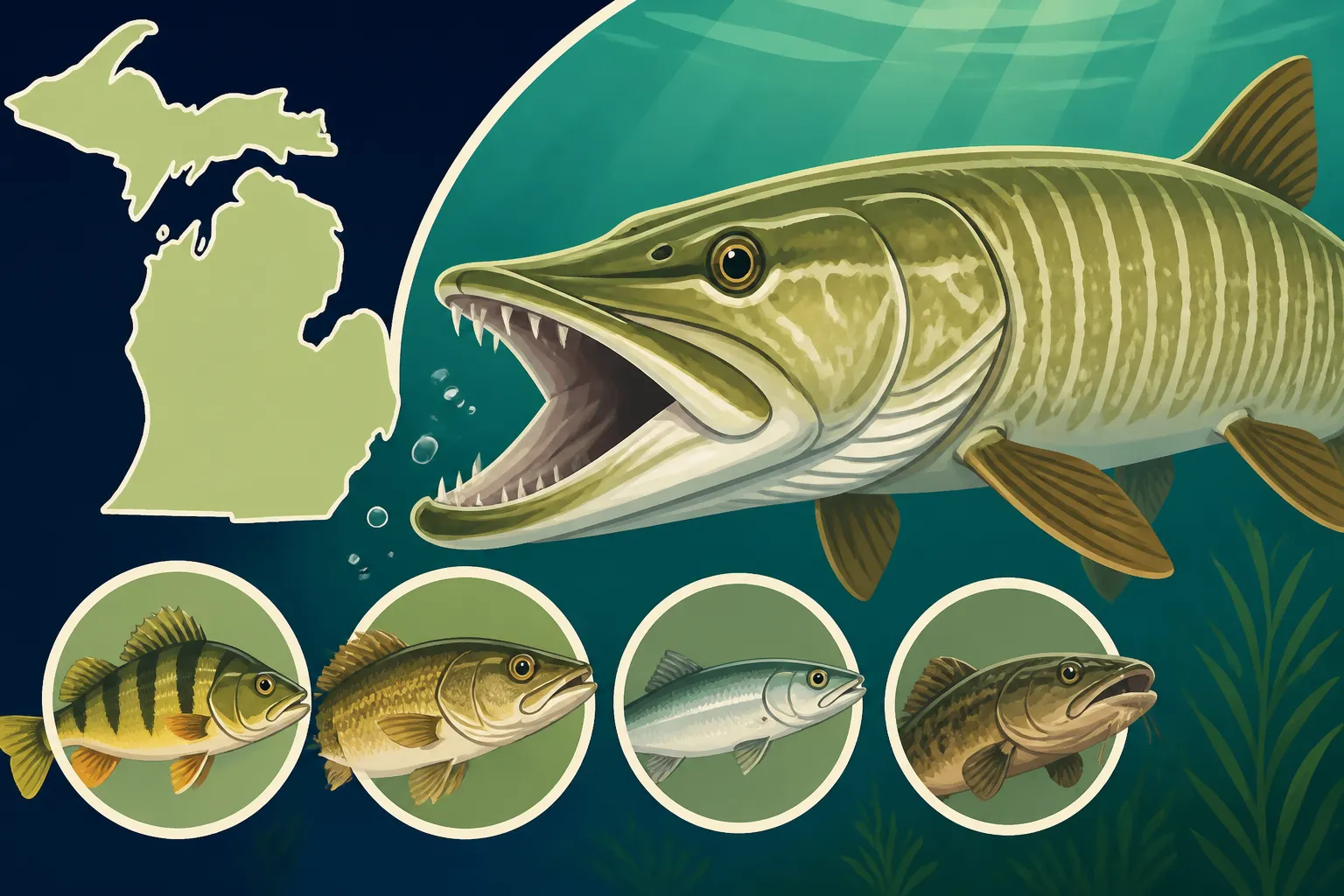
What Do Muskellunge Eat
It's incredibly frustrating when you're out on the water, targeting a legendary fish like the muskellunge, and you just can't seem to figure out what they're biting on. Understanding what these elusive predators eat is the absolute cornerstone of successfully hooking one, as their diet directly influences where they'll be, what they'll strike, and even what time of day they're most active. This guide will dive deep into the fascinating and often surprising diet of Michigan's muskellunge, helping you crack the code on what these apex predators are truly after.
The Muskellunge: An Apex Predator's Primary Diet
Let's be clear: muskellunge, or "muskies" as we affectionately call them here in Michigan, are primarily piscivores. That's a fancy way of saying they eat fish. A lot of fish. They aren't picky eaters in the traditional sense, but they are opportunistic, meaning they'll go for whatever is most readily available and provides the most caloric bang for their buck. Their entire existence revolves around being a top-tier predator, designed for explosive ambushes and devouring substantial meals.
Favorite Fishy Feasts in Michigan Waters
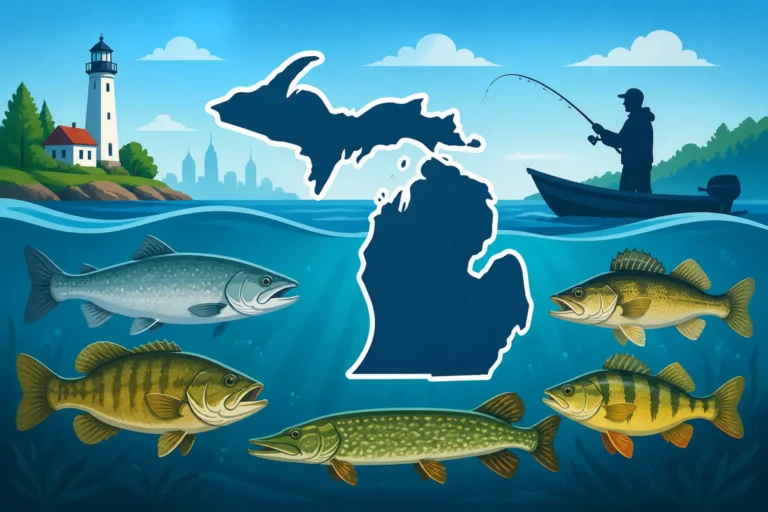
When you think about a muskie's diet, imagine a menu featuring the plentiful species found in our Michigan lakes and rivers. Their diet is heavily influenced by the ecosystem they inhabit. If a lake is teeming with suckers, you can bet muskie are feasting on them. If walleye are abundant, they're on the menu.
One of their go-to meals, especially in systems like the St. Clair River or Lake St. Clair, are various forms of suckers. These slower-moving, high-fat fish are like prime rib for a muskie. Large shiners, ciscoes, yellow perch, and various sunfish are also high on the list. In many northern Michigan lakes, whitefish can be a significant food source. Smallmouth and largemouth bass are also not safe from a hungry muskie, particularly when they're transitioning through shallow waters or congregating. It’s a classic case of "eat big to get big," and muskies certainly exemplify that mantra. Anglers often find that understanding what species are prevalent in a specific muskie habitat is key to selecting the right imitation lures.
The Ambush Specialist
Muskies aren't typically "chase-down" predators over long distances like some other fish. Instead, they are masters of ambush. They use dense weed beds, submerged timber, rock piles, and sharp drop-offs as their hunting grounds, patiently waiting for an unsuspecting meal to swim by. When they strike, it's a sudden, violent burst of speed, often engulfing their prey head-first. This method means they're not necessarily targeting the fastest fish, but rather the most vulnerable or those that happen to present themselves within the muskie's strike zone. This predatory behavior also means that a muskie's strike is often extremely aggressive, something every muskie angler lives for!
Factors Influencing a Muskie's Menu Choices
While fish are the staple, a muskie's diet isn't static. It's a dynamic, ever-changing selection based on a variety of environmental cues, their own biology, and the availability of prey. Understanding these variables can give you a significant advantage when trying to entice one of these toothy critters.
Seasonal Shifts and Metabolic Demands
Just like us, muskies have different feeding patterns throughout the year. As the water temperatures change, so do their metabolism and the availability of their prey.
- Spring: After the long, cold winter and post-spawn recovery, muskies are often ravenous. They're looking to regain lost energy, and while they might not be chasing massive baits immediately, they'll target anything easy to catch. Shallow bays and warmer flats are key areas where baitfish congregate.
- Summer: As the water warms, muskies can be a bit more lethargic, often retreating to cooler, deeper waters or dense cover during the heat of the day. Their feeding might be less frequent but still intense. They’ll often prefer areas with good cover and ambush points.
- Fall: This is often considered the prime time for muskie fishing in Michigan, and for good reason! As water temperatures begin to drop, muskies enter a "feeding frenzy" phase. They know winter is coming, and they need to pack on as much weight as possible. During this time, they will actively pursue larger prey items and are often found in transition areas, following schools of baitfish moving from deeper summer haunts to shallower areas. This is when truly gigantic baits become most effective. You'll often hear about anglers throwing massive bucktails or oversized crankbaits during the fall. Best Season for Muskellunge Fishing in Michigan definitely requires paying attention to these seasonal changes.
Habitat and Prey Availability
The specific body of water a muskie calls home plays a huge role in its diet. A muskie in Lake St. Clair might have a different primary diet than one in a remote Upper Peninsula inland lake.
- Great Lakes & Large Inland Lakes: In vast systems like Lake St. Clair, muskies have access to huge populations of yellow perch, gizzard shad, suckers, and even whitefish. They adapt to feed on whatever biomass is most prevalent. These lakes often support larger baitfish, leading to larger muskies that demand bigger meals. Lake St. Clair Muskellunge Fishing is a prime example of this environment.
- Rivers: River muskies often feed on species common to flowing water, such as various shiners, chubs, suckers, and even smaller walleye or bass. The current can also make certain prey items more vulnerable.
- Weed Beds vs. Open Water: Muskies lurking in dense weed beds might ambush smaller panfish or baitfish hiding in the vegetation. Those in open water, often near baitfish schools or structural elements, might be targeting pelagic species like ciscoes or larger perch.
The Size Factor: Big Fish, Big Meals
It's pretty straightforward: bigger muskies need bigger meals to sustain their massive bodies. While a juvenile muskie might make do with a 6-inch sucker, a 50-inch leviathan is going to be looking for something significantly more substantial, perhaps a 12 to 20-inch meal. This is why targeting trophy muskies often involves throwing truly enormous baits. It's not just about the size of the lure, but the perceived size of the meal it represents. A muskie isn't going to expend precious energy chasing down a tiny morsel when it can wait for a substantial meal. How Big Does a Muskellunge Get in Michigan directly correlates with the size of their prey.
Beyond Fish: Opportunistic Feeding Habits
While fish are undeniably the primary food source for muskies, these formidable predators are also incredibly opportunistic. If something edible, and seemingly vulnerable, crosses their path, they won't hesitate to strike. This is where their diet can get a little wild and truly highlights their role as an apex predator at the top of the food chain.
Amphibians and Reptiles
Don't be surprised if a muskie has a taste for things that aren't scaly and finned. Frogs, particularly larger bullfrogs, are common targets, especially in areas with lily pads or emergent vegetation where frogs might be present. In some situations, even snakes crossing the water or turtles too small to defend themselves could become a meal. These aren't daily occurrences, but they demonstrate the muskie's willingness to consume whatever nutritious prey presents itself.
Birds and Small Mammals
This is where the stories get really interesting! Muskies have been documented eating ducklings, goslings, and even adult waterfowl that are injured or struggling on the surface. Imagine the surprise of seeing a muskie explode on a baby duck! Similarly, small mammals like mice, voles, or even young muskrats attempting to swim across a channel can become muskie food. While not a regular part of their diet, it underscores their predatory instinct and brute strength. If it's struggling in the water and appears edible, a muskie might just take a shot.
Insects and Other Invertebrates (Primarily Juveniles)
While adult muskies almost exclusively eat fish and larger prey, very young, juvenile muskies might start out feeding on larger insects, crayfish, or other invertebrates. As they grow, their diet quickly shifts to small fish, progressively moving up the food chain to the larger prey their adult bodies demand. It's a rapid transition from insectivore to piscivore as they mature and their predatory capabilities develop.
Here’s a look at some common muskie prey items and the environments where you might find them:
| Prey Type | Examples | Typical Habitat | Seasonal Importance | Angler Imitation (Lure Type) |
|---|---|---|---|---|
| Baitfish | Suckers, Ciscoes, Shiners, Perch, Walleye | Weeds, Rock, Drop-offs, Open Water | Year-round, crucial in fall for bulking up | Crankbaits, Jerkbaits, Swimbaits, Soft Plastics |
| Game Fish | Bass (Smallmouth/Largemouth), Pike, Panfish | Weeds, Cover, Structure | Variable, often opportunistic | Topwater, Jerkbaits |
| Amphibians | Frogs (Bullfrogs) | Lily pads, Emergent Vegetation | Summer, particularly warm evenings | Topwater Frogs, Poppers |
| Waterfowl | Ducklings, Goslings | Surface, Shallow Bays | Spring/Early Summer (nesting season) | Large Topwater Baits (rare) |
| Small Mammals | Mice, Voles, Young Muskrats | Surface, Shoreline | Opportunistic, especially near shore or crossing water | Large Topwater Baits (rare) |
| Invertebrates | Crayfish, Large Insects | Bottom, Weeds | Juvenile muskies primarily, rare for adults | Jig & Craw combos (small) |
Angler Application: Using Diet Knowledge to Catch Muskies
Knowing what muskies eat isn't just academic; it's the core of effective muskie fishing. Every lure you tie on, every retrieve you make, every location you choose, should ideally be informed by what you understand about their diet and predatory behavior. Michigan Muskellunge Fishing Techniques really hinge on this understanding.
Matching the Hatch (or the Meal)
The concept of "matching the hatch" isn't just for trout anglers. Muskie anglers often try to imitate the prevalent forage fish in a particular body of water. If you know a lake is full of large yellow perch, throwing a perch-colored crankbait or swimbait makes a lot of sense. If suckers are abundant, a large, slow-moving glide bait that mimics a wounded sucker can be deadly.
- Lure Selection: This is perhaps the most direct application. Best Lures for Muskellunge are often chosen because they accurately imitate muskie prey. Large bucktails simulate fleeing baitfish, crankbaits dive and wobble like injured fish, and jerkbaits dart erratically. For targeting muskies, you'll want robust, high-quality lures, and reputable online retailers like Amazon offer a wide selection of these specialized baits from various manufacturers. Just remember to check reviews for durability and effectiveness.
- Size Matters: As we discussed, larger muskies eat larger meals. Don't be afraid to throw truly enormous baits, especially during the fall feeding frenzies. A 10-inch or even 12-inch swimbait or glide bait isn't uncommon when pursuing trophy fish. The adage "go big or go home" certainly applies to muskie fishing.
- Color and Action: Sometimes, muskie are attracted more by a lure's action than its exact color. A bait that has an erratic, wounded-fish action can trigger a strike even if the color isn't a perfect match. Other times, a subtle, natural presentation is key. On a bright, sunny day with clear water, natural baitfish colors might be best. In stained water or low light, brighter, more contrasting colors (like chartreuse or firetiger) can be more effective at getting noticed, as they stand out against the background, much like a struggling prey item might. You can find a huge array of color patterns for popular muskie lures on sites like Amazon, allowing you to experiment.
Understanding Location and Timing
Muskies will be wherever their food is. This seems simple, but it's often overlooked. If the baitfish are holding on a certain weed line, the muskies will be nearby. If schools of suckers are moving into shallower spawning areas, muskies will follow.
- Structure and Cover: Think about where baitfish hide and feed. Muskies will patrol these areas. Rock piles, deep weed edges, submerged timber, sharp breaks, and current seams are all prime muskie territory because that's where their food is concentrated or vulnerable.
- Time of Day: While muskies can strike at any time, many anglers report peak feeding windows around dawn and dusk, or during periods of changing weather (e.g., before a front moves in). These low-light conditions often make baitfish feel more comfortable moving into open areas, and muskies take advantage of the reduced visibility for their ambushes.
- Water Temperature: Baitfish are often temperature-sensitive. Understanding their preferred water temperatures helps predict their location, which in turn helps predict muskie location. In colder water, both muskies and their prey might be deeper and more lethargic. In warmer water, they might be shallower and more active. When you're looking for specialized gear to handle different fishing conditions, don't forget to check out what's available on Amazon for temperature gauges, fish finders, and other electronics.
The Importance of a Good Fight and Release
Because muskies are such powerful predators and a vital part of the ecosystem, catch-and-release is strongly encouraged in Michigan. Landing a muskie quickly and ensuring a healthy release is crucial for the future of the fishery. Their powerful jaws and sharp teeth require specialized handling tools, like long-nose pliers, jaw spreaders, and a large, rubberized net. Many anglers find excellent muskie release tools on Amazon, ensuring they're prepared for proper handling. How to Catch and Release a Muskellunge is an essential read for anyone targeting these magnificent fish.
Ultimately, cracking the code on what muskellunge eat is a continuous learning process. Each body of water, each season, and even each day can present different challenges and opportunities. By observing your environment, understanding the local forage, and applying that knowledge to your lure choices and fishing locations, you'll be well on your way to a successful muskie encounter here in Michigan.
Disclaimer
This article is for general informational purposes only and does not constitute professional advice. Laws, prices and regulations vary by location and change over time. Consult a qualified professional for guidance on your specific situation.