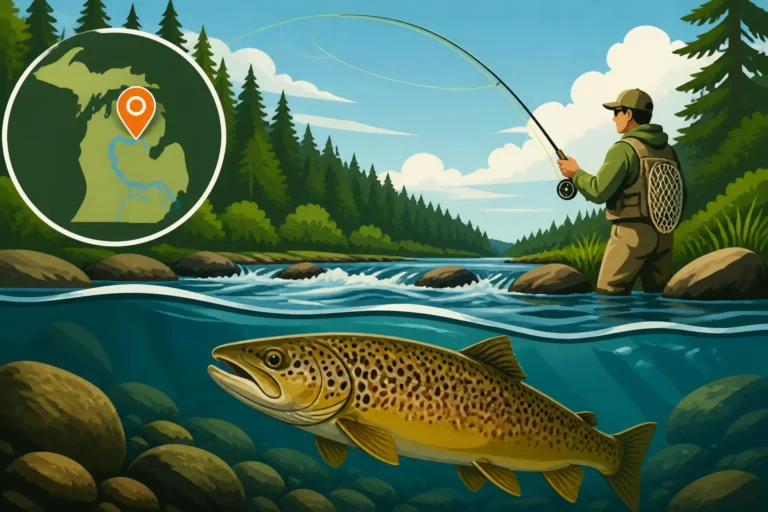
Best Time of Year to Fish the Pere Marquette River
One of the biggest head-scratchers for anglers is figuring out the prime time to hit a specific river, especially one as legendary and dynamic as Michigan's Pere Marquette. With its diverse fisheries and ever-changing conditions, pinning down the "best" time can feel like a moving target, leaving many wondering if they've missed the boat (or the bite!). This guide aims to clear up that confusion, offering a detailed, season-by-season breakdown of what you can expect when fishing the Pere Marquette River, ensuring you plan your trip for maximum success.
Spring Fishing on the Pere Marquette: Steelhead and the Trout Opener
Spring on the Pere Marquette is a tale of two fantastic fisheries: the tail end of the renowned steelhead run and the much-anticipated opening of trout season. As the snow melts and river flows pick up, the Pere Marquette transforms, offering distinct opportunities for anglers willing to brave the often-unpredictable Michigan weather.
Early Spring Steelhead Action
When late winter gives way to early spring, usually from March through April, the Pere Marquette is still very much a steelhead haven. These chrome bright fish, often referred to as "chromers," are making their way upstream from Lake Michigan to spawn. Conditions can be challenging, with cold water, potential ice chunks, and fluctuating water levels, but the rewards are truly spectacular. Anglers typically focus on the lower and middle sections of the river, from Ludington up past Baldwin, where the main runs occur. Techniques like float fishing with spawn bags or beads, drift fishing with small crankbaits, or even swinging flies on spey rods can be incredibly effective. Many anglers find that booking a guided trip through services like FishingBooker during this intense period can significantly increase their chances of success, as local guides know the prime holding water and current hot baits. Understanding Michigan Steelhead Run Timing can give you a crucial edge, as the timing of the run can vary slightly year to year based on water temperatures and flow.
Late Spring Trout Opener Excitement
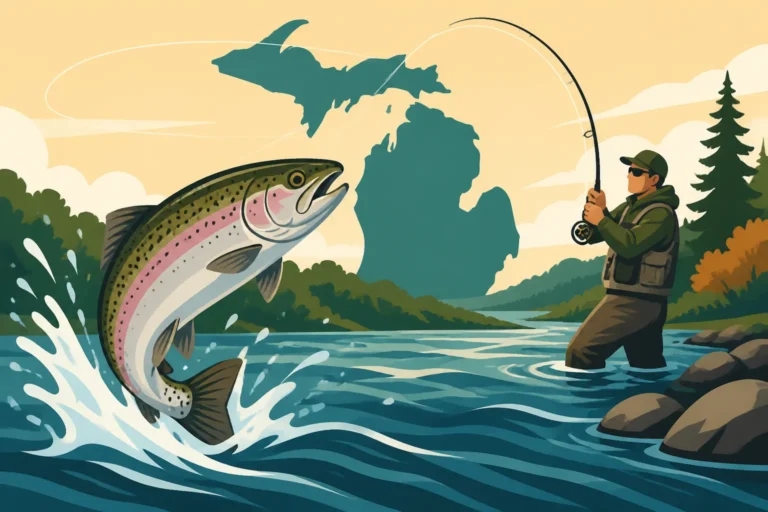
As April draws to a close and May begins, a significant shift occurs on the Pere Marquette. While some steelhead might still be lingering, the focus quickly turns to resident trout, particularly brown trout and rainbow trout. The traditional "trout opener" on the last Saturday of April marks a joyous occasion for many fly anglers. Above the M-37 bridge near Baldwin, the Pere Marquette is a designated "flies-only" and "catch-and-release" section, offering a world-class experience for dedicated fly fishers. Below this bridge, traditional gear is allowed, providing diverse opportunities. The river comes alive with insect hatches, and trout become more active, feeding eagerly on nymphs, emergers, and eventually dry flies. This is an excellent time to explore Pere Marquette River Fly Fishing in Michigan, targeting hungry browns in their spring feeding frenzy. Keep in mind that Michigan Fishing Regulations Every Angler Should Know for trout streams are often more stringent than general regulations, especially concerning tackle and catch limits.
Summer Fishing on the Pere Marquette: Warm Waters and Diverse Bites
Summer on the Pere Marquette River brings warmer temperatures, lush greenery, and a more relaxed pace. While the large migratory salmon and steelhead runs are absent, the river still offers fantastic fishing, particularly for resident trout and an often-overlooked smallmouth bass fishery in its lower reaches.
Prime Dry Fly Trout Fishing
Once the water temperatures stabilize in June, July, and August, the upper Pere Marquette becomes a dry fly angler's paradise. Hatches of insects like Hendricksons, Sulphurs, Caddis, and eventually Tricos provide consistent surface activity, drawing beautiful brown and rainbow trout to the top. Mornings and evenings are often the most productive times, with cooler air and water temperatures spurring trout into aggressive feeding. Wading the shallow runs and riffles or floating silently in a drift boat allows anglers to present delicate dry flies to wary fish. It’s a truly immersive experience, demanding precision casts and careful presentations. Fly anglers should consider their Best Fly Fishing Gear for Trout Rivers to maximize their success during these delicate presentations. The tranquility of casting to rising fish under a canopy of trees is a quintessential Michigan summer experience.
Smallmouth Bass Action in the Lower River
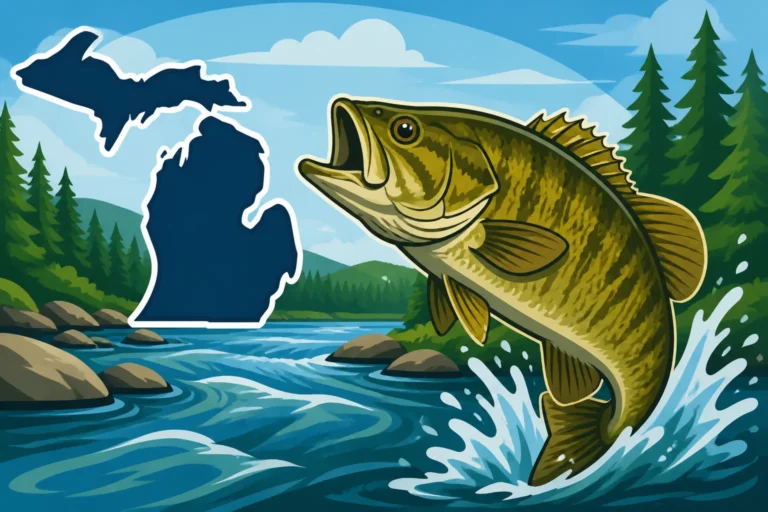
Many forget that the lower Pere Marquette, especially below the M-37 bridge and closer to its confluence with Lake Michigan, holds a robust population of smallmouth bass. As river temperatures rise, these bronze bombers become incredibly aggressive, readily hitting topwater lures, crankbaits, and soft plastics. This provides an exciting alternative for anglers looking for a different challenge or when trout fishing might be slower during the hottest parts of the day. Smallmouth on the Pere Marquette are strong fighters, often jumping and pulling hard, making for memorable battles. This section of the river also offers opportunities for northern pike and even the occasional rogue walleye, adding to the variety. If you're looking to explore this lesser-known fishery, contacting a local guide, perhaps found through FishingBooker, can point you to the best smallmouth haunts.
Fall Fishing on the Pere Marquette: Salmon Spectacle and Steelhead Return
Fall is arguably the most famous and anticipated season on the Pere Marquette River, drawing anglers from across the country. It's a time of immense energy and spectacle as large migratory fish flood the system. The vibrant autumn colors only add to the allure, creating a truly unforgettable fishing experience.
Chinook and Coho Salmon Runs
From late August through October, the Pere Marquette comes alive with the powerful runs of Chinook (King) and Coho salmon. These magnificent fish, driven by their spawning instinct, migrate upstream from Lake Michigan in impressive numbers. The lower and middle sections of the river, particularly between Ludington and Baldwin, become prime real estate for salmon anglers. Drifting skein (salmon eggs), fishing with large flies, or casting crankbaits are popular and effective methods. The sheer power of a Pere Marquette King salmon on the end of your line is something every angler should experience at least once. It’s important to familiarize yourself with Michigan Salmon Species Explained to understand the nuances of each species' run timing and behavior. The river can get crowded during the peak of the salmon run, so patience and etiquette are essential.
The Anticipation of Fall Steelhead
As the salmon runs begin to wane in October and November, the first wave of "fall-run" steelhead starts entering the Pere Marquette. These early steelhead, often aggressive and fresh from Lake Michigan, follow the salmon upstream, eager to gorge on loose salmon eggs. This transition period, when both salmon and steelhead can be present, offers incredible mixed-bag fishing opportunities. Anglers targeting fall steelhead will use similar techniques to their spring counterparts, such as float fishing or drift fishing, often with a focus on egg patterns or natural spawn. The Pere Marquette is particularly celebrated for its long, sustained steelhead runs, meaning good fishing can persist well into winter. Learning How to Fish for Steelhead in Michigan during this period is key to success.
Winter Fishing on the Pere Marquette: Hardy Anglers, Rewarding Bites
Winter on the Pere Marquette is a quiet, serene time, often overlooked by all but the most dedicated anglers. While the crowds thin out, the fishing can remain incredibly productive, especially for steelhead. The challenge of cold weather is often rewarded with powerful fights from fresh, healthy fish in a tranquil setting.
Chasing Winter Steelhead
Even with snow on the banks and ice forming along the edges, the Pere Marquette maintains an open flow thanks to its stable groundwater input, making it an ideal winter steelhead fishery. From December through February, "winter-over" steelhead, those that entered the river in the fall but haven't spawned yet, continue to provide excellent fishing. New waves of steelhead also continue to push in from Lake Michigan throughout the winter, especially during warmer spells. The key to winter steelhead fishing is often a slower presentation and focusing on deeper, slower-moving pools where fish conserve energy. Centerpinning, float fishing, and nymphing with small egg patterns or stoneflies are highly effective. Dressing in layers and utilizing proper gear, such as the Best Waders for River Fishing, is crucial for comfort and safety in the frigid conditions.
Stealthy Winter Trout Opportunities
While winter steelhead get most of the attention, don't forget about the resident brown and rainbow trout. In the catch-and-release, flies-only section of the upper river, these trout remain active, though their feeding windows might be shorter. They often hug the bottom in deeper pockets and slow runs, feeding opportunistically on nymphs and larval insects. Anglers willing to brave the cold can experience incredibly rewarding days, often having entire sections of the river to themselves. Presentations need to be subtle and drifts precise, but catching a beautiful Pere Marquette brown trout amidst a snowy landscape is an experience not soon forgotten. It's a testament to the river's resilience and year-round productivity. Remember that Michigan Trout Species Explained can help identify your catch.
Summary of Seasonal Opportunities
To help you visualize the best times, here’s a quick overview of what the Pere Marquette River offers throughout the year.
| Season | Primary Target Species | Key Fishing Activity / Techniques | Prime Months | Considerations |
|---|---|---|---|---|
| Early Spring | Steelhead | Float fishing, drift fishing, swinging flies, spawn bags, beads | March – Early May | Cold water, variable flows, steelhead spawning |
| Late Spring | Resident Trout | Dry fly, nymphing, streamers (flies-only section), trout opener | Late April – May | Increased insect hatches, trout becoming active |
| Summer | Resident Trout, Smallmouth Bass | Dry fly, nymphing (upper river); topwater, crankbaits, plastics (lower river) | June – August | Warmest water, best dry fly fishing, smallmouth aggressive |
| Early Fall | Chinook/Coho Salmon | Drifting skein, large flies, crankbaits, curing eggs | Late August – October | Peak salmon run, crowded conditions, powerful fish |
| Late Fall | Fall Steelhead | Float fishing, drift fishing, egg patterns, beads, nymphs | October – November | Salmon dying off, steelhead migrating in |
| Winter | Winter Steelhead, Resident Trout | Slow presentations, deep pools, egg patterns, nymphs | December – February | Cold weather, fewer anglers, serene setting, strong fish |
For a more general overview of fishing across the state, you might want to read our article on Michigan Fishing Seasons Explained.
Planning Your Pere Marquette Adventure
Successfully planning a trip to the Pere Marquette River hinges on understanding its seasonal rhythms and aligning your expectations with what each time of year offers. Whether you're chasing the chrome flash of a steelhead, the delicate sip of a rising trout, or the powerful run of a salmon, the "PM" delivers.
Beyond just knowing when to go, preparing adequately is paramount. This means having the right gear, understanding the river's specific regulations (especially important on Michigan's famous blue-ribbon trout streams), and respecting other anglers and the environment. Consider exploring Michigan's Combined Trout and Salmon Possession Limit if you plan to keep any fish, although many anglers prefer to practice catch and release, especially for trout.
For those new to the Pere Marquette or looking to maximize their experience, hiring a local guide is invaluable. Guides not only know the river's intricate channels and current hotspots but can also provide insights into techniques and tackle that are currently working best. Services like FishingBooker can connect you with experienced Pere Marquette guides who live and breathe this incredible fishery. They can provide a personalized experience, whether you're targeting specific species or learning new techniques for How to Catch Brown Trout in Michigan Rivers. A local expert can truly transform a good fishing day into a truly great one.
Ultimately, the "best time" to fish the Pere Marquette River is subjective and depends entirely on what you want to experience. Every season offers its own unique charm and angling opportunities, ensuring that this legendary Michigan waterway remains a year-round destination for dedicated anglers.
Disclaimer
Fishing conditions, regulations, and fish behavior can change based on weather, water levels, and biological factors. Always consult the latest Michigan Department of Natural Resources (MDNR) fishing guide before heading out, and prioritize safety on the water. This article is intended for informational purposes only.