Houghton Lake Fishing Guide: Michigan’s Largest Inland Lake
Trying to tackle Michigan's largest inland lake, Houghton Lake, can feel like staring at an ocean and wondering where to even begin. It’s a massive body of water, over 20,000 acres, and its sheer size can be intimidating for any angler, whether you're a seasoned veteran or just starting out. This comprehensive guide is designed to cut through the confusion, offering you realistic, in-depth insights into everything you need to know to fish Houghton Lake successfully, from understanding its unique features to mastering the best techniques for its popular species.
Getting to Know Houghton Lake: Michigan's Inland Giant
Houghton Lake isn't just a big lake; it's an ecosystem, a community, and a true angler's paradise, albeit one that demands respect and a bit of local knowledge. Situated in Roscommon County, it's a relatively shallow lake, with an average depth of about 7.5 feet and a maximum depth reaching around 20-22 feet. This shallow nature means it warms up faster in the spring and cools down quicker in the fall, influencing fish behavior and seasonal patterns significantly. The expansive, sandy, and weedy flats make it prime habitat for a variety of species, but also means fish can be spread out, making finding them a real challenge without a good plan.
Understanding the Lake's Geography and Structure
Houghton Lake's geography plays a huge role in its fishing potential. The lake has several distinct areas that fish congregate in depending on the season and time of day. You've got the vast open flats, which transition into deeper channels and holes, and numerous points and bays. The north side generally features more developed shoreline, while the south side, particularly near Prudenville, offers more marshy areas and inlets. Understanding these micro-climates and structural elements is key to locating fish.
For instance, the eastern shore near the community of Houghton Lake often sees more boat traffic, but also has some great structure. Heading towards the west and north, you'll find more secluded spots, often with denser weed beds that attract pike and bass. The extensive shoreline also offers countless public access points and areas where shore anglers can find success, though a boat certainly opens up more possibilities on this immense body of water.
Navigating the Major Bays and Inlets
Several notable bays and inlets feed into Houghton Lake, each offering unique fishing opportunities. Denton Creek, for example, flows into the lake on the northeast side and can be a fantastic spot for early season pike and panfish as water warms up. The Cut, connecting Houghton Lake to Higgins Lake (though not directly fishable between the two without a portage), is a popular waterway with boat traffic but can hold fish in its deeper sections and along its edges.
Then you have the numerous small coves and sheltered areas, especially on the southern end, which provide crucial spawning grounds and refuge for smaller fish, attracting predators. Anglers often find success by focusing on these areas during specific times of the year, particularly during spawning seasons when fish are concentrated. It's not just about the middle of the lake; the edges and inflows are equally vital.
What Lies Beneath: Key Fish Species in Houghton Lake
Houghton Lake boasts a fantastic variety of fish species, making it a popular destination for anglers targeting different catches. While it's famed for its walleye and yellow perch, you'll also find abundant northern pike, both largemouth and smallmouth bass, and a healthy population of panfish like bluegill and crappie. Each species has its own habits, preferred habitats, and best times to target them, so let's dive into what makes each one special in Houghton Lake.
Walleye: The King of Houghton Lake
Walleye are undoubtedly the star of Houghton Lake. Known for their delicious fillets and challenging bite, they draw anglers from all over the state. In Houghton Lake, walleye thrive in the lake's relatively shallow, fertile waters, especially over sandy bottoms and near weed edges. They tend to be most active during low-light conditions – dawn, dusk, and even into the night – but can be caught during the day, particularly on cloudy days or when fishing deeper spots.
Successful walleye anglers often employ trolling with crankbaits or crawler harnesses during warmer months. Jigging with minnows or soft plastics is also highly effective, especially when you locate a school of fish. Many anglers focus their efforts on the "Middle Grounds" or the deeper pockets where walleye congregate. Remember that Michigan has specific Michigan Walleye Size and Possession Limits that anglers must adhere to, so always check the latest regulations before heading out.
Northern Pike and Bass: Aggressive Predators
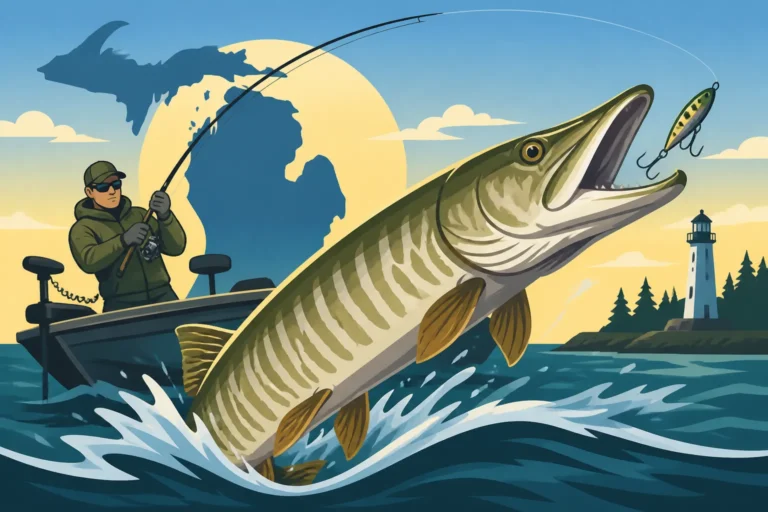
Houghton Lake is also a prime destination for northern pike and both species of bass. Northern pike are ambush predators that love to hang out in dense weed beds, waiting for an unsuspecting meal to swim by. They can grow quite large here, offering thrilling fights. Targeting pike often involves casting large spoons, spinnerbaits, or even live bait (where permitted) into and around weed lines. You'll find them scattered throughout the lake, but especially in the shallower, weedy bays. If you're looking for bigger pike, focusing on the edges of the thickest cabbage weeds can be very productive. To learn more about where these toothy critters thrive, check out our guide on the Best Michigan Lakes for Northern Pike.
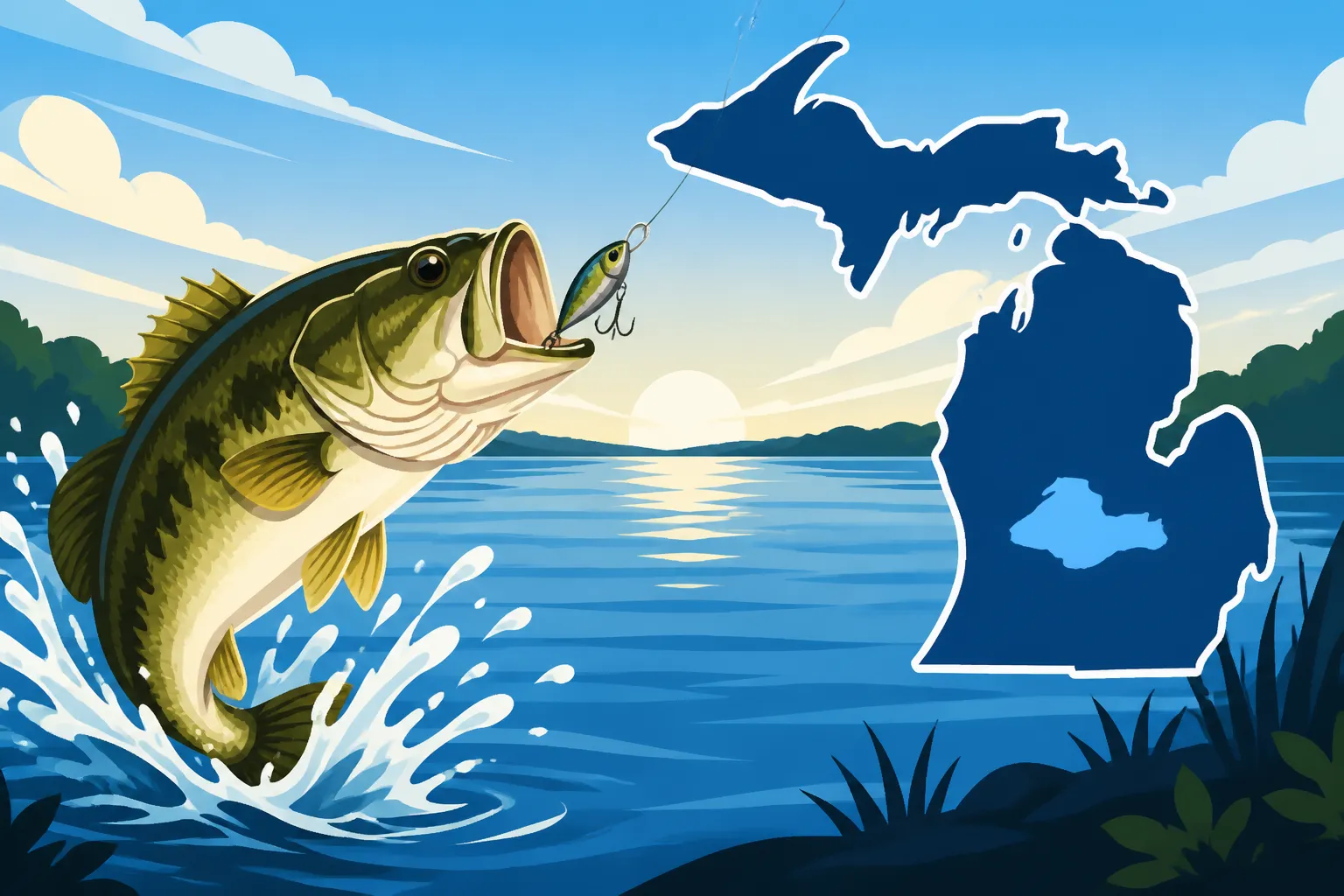
Largemouth and smallmouth bass also call Houghton Lake home. Largemouth bass prefer the same dense cover as pike, often hiding under lily pads or in thick submerged vegetation. Topwater lures, jigs, and soft plastics worked slowly through cover are excellent choices. Smallmouth bass, on the other hand, typically prefer harder bottoms, rocky areas, and points, and can often be found near deeper breaks. Crankbaits, drop-shot rigs, and tube jigs are fantastic for smallmouth. Both bass species offer exciting sport, especially during the warmer months when they are most active. Anglers should be aware of the Michigan Smallmouth and Largemouth Bass Daily Limit to stay compliant.
Yellow Perch and Panfish: Abundant and Delicious
For those seeking a more relaxed fishing experience or looking to fill a cooler with tasty fillets, Houghton Lake's yellow perch and other panfish populations are outstanding. Yellow perch are incredibly abundant and can be found nearly everywhere in the lake, from shallow weed beds to deeper flats. They often school up, so once you find one, you're likely to find more. Worms, minnows, and small jigs are classic perch baits, and they are a staple for ice anglers on Houghton Lake.
Beyond perch, bluegill and crappie provide excellent panfish action. Bluegill are often found in shallow, weedy areas, especially around docks and submerged brush, and readily bite on small pieces of worm or tiny artificial baits. Crappie, particularly black crappie, tend to suspend in open water or near submerged structure and can be caught with small minnows or jigs. These species offer fantastic opportunities for families and novice anglers alike, providing consistent action throughout much of the year. Always refer to the Michigan Daily Bag Limits by Species for specific regulations before your trip.
Finding Your Fishing Hotspot: Best Areas and Access on Houghton Lake
Knowing what fish are in the lake is only half the battle; the real challenge on such a vast body of water is knowing where to find them. Houghton Lake has many fantastic spots, some well-known, others requiring a bit more exploration. Access is generally good, with numerous public boat launches and plenty of shoreline for anglers without a boat.
Prime Locations for Different Species
For walleye, many seasoned anglers gravitate towards the Middle Grounds, a large, relatively flat area in the center of the lake that ranges from 8-12 feet deep. This expanse offers plenty of subtle structure where walleye cruise for food. The deeper cuts and channels around the Houghton Lake Flats (especially the west and east flats) are also prime walleye territory, particularly during transitions like early morning or late evening. Trolling these areas with deep-diving crankbaits can be very effective.
Pike and largemouth bass, as mentioned, are ambush predators, so focus your efforts on the extensive weed beds found throughout the lake, especially in the shallower bays and along the western and northern shorelines. Look for distinct weed edges, pockets within the weeds, or submerged timber. The areas around Denton Creek and the bays near Prudenville are often fertile grounds for these species. Smallmouth bass tend to favor the slightly deeper, harder bottom areas and points, so target transitions from soft to hard bottom.
Perch and panfish can literally be found almost anywhere. During open water season, look for them schooling up in weed pockets, near docks, or suspended over deeper flats. In winter, they are a primary target for ice anglers, often found near break lines and areas with slightly softer bottoms adjacent to weeds.
Public Access Points and Boat Launches
Houghton Lake offers several excellent public access points, making it easy for both boaters and shore anglers to get on the water.
- Houghton Lake State Park: Located on the north shore, this park offers a boat launch, picnic areas, and shoreline access. It’s a popular spot and can get busy, especially on weekends.
- Denton Creek Road Launch: Situated on the northeastern side of the lake, this launch provides access near Denton Creek, a promising area for pike and early season fish.
- Prudenville Launch: Found on the southeast side, this launch provides good access to the southern bays and is often a good starting point for exploring the broader lake.
- Village of Houghton Lake (West Higgins Lake Road): There are various municipal and county-managed access points around the lake, providing smaller boat launches and shoreline fishing opportunities. A quick search on the Michigan DNR website or a local map will pinpoint the most current and detailed options.
For those planning to bring their own vessel, it's worth noting that Houghton Lake is well-suited for a variety of boats. Whether you have a small fishing boat, a pontoon, or even a larger runabout, you can comfortably navigate its waters. For recommendations on what types of vessels are best for Michigan's diverse waters, check out our guide on Best Boats for Michigan Fishing. If you don't have your own boat, don't worry! Many local liveries offer rentals, and for those looking for an extra edge, especially if you're new to the lake, hiring a local guide can be invaluable. Websites like FishingBooker can connect you with experienced Houghton Lake captains who know the lake's every secret and can put you right on the fish.
Tackling the Seasons: Year-Round Fishing Strategies on Houghton Lake
Houghton Lake is truly a year-round fishery, with each season offering unique challenges and rewards. From the excitement of spring thaw to the serenity of ice fishing, understanding seasonal patterns is crucial for consistent success. The shallow nature of the lake means water temperatures fluctuate more rapidly, which directly impacts fish behavior.
Spring Fishing: The Wake-Up Call
Spring on Houghton Lake is all about the spawn and the post-spawn recovery. As the ice melts and water temperatures begin to rise (typically into the 40s and low 50s Fahrenheit), fish become increasingly active. Walleye, northern pike, and perch will move into shallower areas, especially near river mouths, inlets, and warmer bays, to spawn. This is a fantastic time for targeting these species.
For walleye, focus on these shallow, warming areas using jigs tipped with live minnows or soft plastics, or by slowly trolling small crankbaits. Pike will be aggressive and can be caught casting spoons or spinnerbaits along emerging weed lines. Panfish will also be moving shallow, making for some excellent action with small jigs and wax worms. This early season bite can be incredibly productive as fish feed heavily after the long winter, but remember that some species may have closed seasons during their spawn, so always check the Michigan Fishing Regulations Every Angler Should Know for current rules.
Summer Fishing: Chasing the Warm Water Bite
As summer progresses and water temperatures climb into the 60s and 70s, fish patterns shift. Walleye will move to deeper areas of the lake during the day, often suspending over the middle grounds or congregating on subtle break lines. Night fishing for walleye becomes extremely popular and productive, with anglers trolling crankbaits or jigging vertically under lights. Daytime walleye anglers often have success by locating schools with their electronics and then jigging.
Largemouth and smallmouth bass will be highly active, seeking cover in the dense weed beds and around submerged structures. Topwater action can be phenomenal in early mornings and late evenings. Northern pike remain in the weeds but might move to slightly deeper edges as the heat of summer sets in. Perch and panfish are still abundant, often schooling in deeper weed pockets or near transitions. If you're planning a trip and need to line up a charter, exploring options on platforms like FishingBooker early can help secure your spot, especially during peak summer season.
Fall Fishing: The Pre-Winter Feast
Fall is a transition period on Houghton Lake, often characterized by cooler temperatures and fish feeding aggressively in preparation for winter. As water temperatures begin to drop, many species will start to move shallower again, similar to spring, but with a different urgency. Walleye, in particular, can offer a fantastic bite as they gorge themselves. Trolling crankbaits along break lines and points, or jigging with larger baits, can be very effective.
Pike will be very active in the weeds, and bass can still be found, though they may become more sluggish as temperatures continue to fall. Perch and panfish will also concentrate, making for some excellent schooling action. The fall colors around Houghton Lake make for a beautiful backdrop to some truly fantastic fishing, but be prepared for rapidly changing weather conditions.
Winter Fishing: Ice Fishing Paradise
Houghton Lake truly shines as an ice fishing destination, drawing thousands of anglers each winter. The lake's relatively shallow depth means it freezes solid quickly and reliably, creating a vast, easily accessible fishing playground. The ice fishing season typically runs from December through March, but always prioritize safety and check local ice conditions. To ensure you're fishing at the right time, be sure to consult our guide on Michigan Ice Fishing Season Timing.
Walleye, northern pike, and yellow perch are the main targets through the ice. Walleye anglers often set up tip-ups with live minnows or jig with spoons and lipless crankbaits, often focusing on the middle grounds or areas with subtle depth changes. For those looking to brave the cold, our guide on How to Catch Walleye Through the Ice in Michigan offers advanced tips. Pike are also excellent targets for tip-ups, especially near the remaining green weed beds. Perch fishing can be outstanding, with anglers using small jigs tipped with wax worms or minnow heads. The social aspect of ice fishing, with shanties dotting the frozen lake, adds to the unique charm of a Houghton Lake winter trip. For a full rundown on staying safe and successful on the hard water, check out our comprehensive Michigan Ice Fishing Guide. Consider checking FishingBooker for available guides who can put you on the fish, especially if you're targeting elusive winter walleye.
Essential Gear and Techniques for Success on Houghton Lake
Success on Houghton Lake, like any large body of water, hinges on having the right gear and employing effective techniques for the target species and conditions. Given its size and diverse fishery, a versatile approach is often best.
Rods, Reels, and Line: The Foundation of Your Setup
For general multi-species fishing on Houghton Lake, a medium-action spinning rod, 6'6" to 7' in length, paired with a 2500 or 3000 size spinning reel, is a fantastic all-around choice. Spool this setup with 8-12 lb monofilament or fluorocarbon for a good balance of strength and sensitivity. Braided line (15-20 lb) with a fluorocarbon leader is also an excellent option, especially for jigging and feeling subtle bites, or if you're targeting pike in thick cover.
If you're specifically targeting walleye, especially while trolling, a medium-heavy baitcasting setup with a line counter reel and 10-14 lb monofilament can be very beneficial for precise depth control. For northern pike, consider a heavier action rod (medium-heavy to heavy) and a strong braided line (30-50 lb) to handle their sharp teeth and powerful runs. Always use a steel or heavy fluorocarbon leader when fishing for pike to prevent bite-offs.
Baits and Lures: Matching the Hatch
Houghton Lake offers a smorgasbord of bait and lure options that work.
- Walleye: Live bait is often king. Minnows (shiners, fatheads), nightcrawlers (often on crawler harnesses), and leeches are incredibly effective. For artificials, crankbaits (like Rapala Shad Raps, Berkley Flicker Shads, or custom painted divers) in natural colors (perch, shiner) or bright colors (firetiger, chartreuse) work well. Jigging spoons and soft plastics (grubs, paddle tails) on a jig head are also excellent, especially in deeper water. Want more detail? Check out our guide on Best Bait for Michigan Walleye.
- Northern Pike: Large spoons (Daredevils, Five of Diamonds), spinnerbaits (with large Colorado or Willow blades), and big swimbaits are go-to lures. Live suckers or large shiners on a quick-strike rig can also be devastatingly effective where legal.
- Bass (Largemouth & Smallmouth): For largemouth, plastic worms, jigs with trailers, spinnerbaits, and topwater lures (frogs, poppers) are popular. Smallmouth will hit crankbaits, tube jigs, drop-shot rigs, and creature baits.
- Perch and Panfish: Small jigs (1/32 to 1/16 oz) tipped with wax worms, spikes, minnow pieces, or small soft plastics are unbeatable. Slip bobber rigs with a hook and a piece of nightcrawler or a minnow are also highly effective.
Specialized Techniques for Houghton Lake
Given the lake's unique characteristics, some techniques stand out:
- Trolling the Flats: For walleye in summer, trolling crankbaits or crawler harnesses across the vast flats, especially the Middle Grounds, is a staple. Experiment with speed, depth, and lure colors until you find what the fish are hitting. Using planer boards can help spread your lines and cover more water.
- Jigging Pockets: Whether through open water or ice, vertically jigging spoons or minnow-imitating baits in deeper pockets or over schools of fish marked on your electronics is a highly productive walleye and perch technique.
- Working Weed Edges: For pike and largemouth bass, meticulously casting or slowly retrieving lures along the edges of weed beds, or even punching through dense mats, can trigger aggressive strikes.
- Ice Fishing Tip-Ups: During winter, tip-ups set with live minnows are essential for walleye and pike, allowing you to cover a wider area and wait for a fish to take the bait while you actively jig nearby.
Navigating the Rules: Important Michigan Fishing Regulations
Fishing in Michigan, especially on a popular lake like Houghton, means understanding and adhering to the state's fishing regulations. These rules are put in place by the Michigan Department of Natural Resources (DNR) to protect fish populations and ensure sustainable fishing for everyone. While many rules are statewide, some lakes might have specific regulations, so always double-check the latest Michigan Fishing Regulations Digest before heading out.
Licensing Requirements
The very first thing you need, before even casting a line, is a valid Michigan fishing license. Anyone 17 years of age or older needs a license to fish in Michigan's public waters. This applies whether you're a resident or a nonresident, fishing from shore, a boat, or through the ice. The revenue generated from license sales directly funds conservation efforts, stocking programs, and habitat restoration, so it's a vital contribution to keeping Michigan's fisheries healthy.
You can easily purchase a license online through the DNR eLicense system, via the Michigan DNR Hunt Fish App, or in person at many bait shops, sporting goods stores, and DNR customer service centers across the state. Remember, your license year runs from March 1st to March 31st of the following year, regardless of when you purchase it. Don't let your license expire; it's easy to renew each spring! For a complete breakdown, check out our Michigan Fishing License Guide for Residents and Nonresidents or our guide on Michigan Fishing License Renewal Each Spring.
Bag and Size Limits
Michigan implements bag and size limits for most game fish to manage populations and allow fish to reach maturity. These limits can vary by species and even by specific bodies of water. For Houghton Lake, the statewide limits generally apply, but it's always wise to confirm.
- Walleye: Usually a specific daily possession limit (e.g., 5 fish) and a minimum size limit (e.g., 15 inches). There might be slot limits on other lakes, but typically not on Houghton Lake.
- Northern Pike: Often has a daily limit (e.g., 5 fish) and a minimum size (e.g., 24 inches), with some exceptions on certain lakes.
- Bass (Largemouth and Smallmouth): Typically a combined daily limit (e.g., 5 fish) and a minimum size (e.g., 14 inches), with a closed season during spawning.
- Yellow Perch and Panfish: These typically have generous daily limits (e.g., 25 fish for perch, bluegill, crappie), often with no minimum size.
These limits are designed to prevent overfishing and maintain healthy fish stocks. Always measure your fish carefully and release anything that doesn't meet the legal requirements promptly and safely. Consult our detailed guides on Michigan Daily Bag Limits by Species, Michigan Walleye Size and Possession Limits, and Michigan Smallmouth and Largemouth Bass Daily Limit for the most up-to-date information.
Other Important Regulations
Beyond licenses and limits, there are other crucial regulations to keep in mind:
- Fishing Methods: Be aware of restrictions on the number of lines you can use (typically three lines per angler in open water, more for ice fishing with tip-ups, but check specifics). Also, understand rules regarding bait (e.g., use of live minnows, restrictions on certain types of bait in trout streams).
- Ice Fishing Specifics: When ice fishing, ensure you're aware of spear fishing rules, shanty registration (if applicable), and guidelines for removing shanties by specific dates to prevent them from falling through the ice. Always prioritize ice safety.
- Aquatic Invasive Species: Michigan is vigilant about preventing the spread of aquatic invasive species. Always clean, drain, and dry your boat, trailer, and gear thoroughly after leaving the water, especially when moving between different lakes. This includes draining livewells and bilges.
Failing to follow regulations can result in fines and loss of fishing privileges. It's truly in every angler's best interest to be well-informed and fish responsibly. The Michigan DNR provides a free annual fishing digest, available online and at license retailers, which is your go-to resource for all current rules.
Houghton Lake Species and Best Seasons
Here’s a quick glance at some of the key species in Houghton Lake and when they are typically most active for anglers:
| Species | Primary Location | Best Seasons | Common Techniques |
|---|---|---|---|
| Walleye | Middle Grounds, deeper flats, break lines, inlets | Spring, Summer (night), Fall, Winter (ice) | Trolling crankbaits/harnesses, Jigging, Tip-ups |
| Northern Pike | Dense weed beds, shallow bays, weed edges | Spring, Summer, Fall, Winter (ice) | Casting spoons/spinnerbaits, Live bait (tip-ups) |
| Yellow Perch | Weed pockets, docks, subtle breaks, entire lake | Spring, Summer, Fall, Winter (ice) | Small jigs, Live bait (minnows, worms), Tip-ups |
| Largemouth Bass | Thick weed beds, lily pads, submerged timber | Spring, Summer, Early Fall | Topwater, Jigs, Soft plastics, Spinnerbaits |
| Smallmouth Bass | Hard bottom, rocky areas, points, deeper breaks | Spring, Summer, Early Fall | Crankbaits, Drop-shot, Tube jigs |
| Bluegill | Shallow weeds, docks, brush piles | Spring, Summer, Fall, Winter (ice) | Small jigs, Worms, Small flies |
| Crappie | Suspended over structure, brush, weed edges | Spring, Summer, Fall, Winter (ice) | Small minnows, Jigs, Small tubes |
This table provides a general overview, but fish patterns can change based on weather, water temperature, and forage availability. Adaptability is always a key trait of a successful angler.
Disclaimer
Please note that fishing conditions, regulations, and access points can change. Always consult the latest Michigan Department of Natural Resources (DNR) fishing guide or website for the most current rules and information before planning your trip. The advice provided here is for informational purposes and should not be considered legal counsel.