Higgins Lake Fishing Guide
Ever stared out at a vast, beautiful lake like Higgins Lake, utterly overwhelmed by its size and wondering where on earth to even begin fishing? It's a common feeling, especially with such a deep, clear body of water that can seem both incredibly inviting and incredibly intimidating all at once. This guide is here to cut through that confusion, offering you the practical, real-world insights you need to confidently tackle Higgins Lake and significantly improve your chances of a successful and enjoyable fishing trip.
Discovering the Unique Charm of Higgins Lake
Higgins Lake, nestled in the heart of Michigan's northern Lower Peninsula, isn't just another pretty body of water; it's a genuine gem with characteristics that make it stand out from many other inland lakes. Many anglers flock to nearby Houghton Lake, Michigan's largest inland lake, but Higgins offers a distinctly different, equally rewarding experience. It's famous for its crystal-clear water, impressive depth, and a diverse fishery that can challenge even seasoned pros while rewarding newcomers with unforgettable catches. But its beauty also hides its complexities – that clarity means fish can be spooky, and that depth means finding them can be a puzzle.
Unpacking the Lake's Geography and Depth
Higgins Lake is truly a geological marvel in Michigan. Formed by glacial activity, it boasts an incredible maximum depth of over 135 feet, making it one of the deepest inland lakes in the entire state. This profound depth plays a huge role in its ecology and, by extension, its fishing opportunities. The lake spans roughly 9,900 acres, giving anglers ample room to explore, but also requiring a strategic approach to cover water effectively. While some shallower bays exist, a significant portion of the lake plummets quickly into deep, cold trenches, which are crucial habitats for cold-water species like trout and salmon, especially during the warmer months. These deep zones also offer thermal refuge and a consistent food supply, drawing in predators and their prey.
Understanding the lakebed contours is essential. The northern and southern ends feature extensive shoals and drop-offs, while the central basin is largely a deep, expansive bowl. This varied topography means you can find everything from weed beds in shallower areas to rocky structure and vast open water in the deeper sections. This kind of structure creates distinct ecosystems within the lake, demanding different tactics depending on where you're fishing and what you're targeting.
Water Clarity and Its Impact on Fishing
One of Higgins Lake's most defining features is its exceptional water clarity. You can often see down 20 to 30 feet or more on a calm day, revealing incredible underwater landscapes. This clarity is a double-edged sword for anglers. On one hand, it's absolutely breathtaking – you can often spot fish cruising or see structure with remarkable detail, which is a rare treat. On the other hand, it makes the fish incredibly wary. They have a much wider field of vision and can easily detect lures, lines, and even your boat from a distance. This means stealth becomes paramount. You need to be mindful of your boat's shadow, consider using lighter lines or fluorocarbon leaders, and often present your baits more subtly than you might in murkier waters.
The clear water also influences fish behavior, especially during bright sunny days when fish tend to move deeper or seek cover in dense weed beds or shaded areas. This is why early morning, late evening, or even night fishing can be so productive on Higgins Lake, as the reduced light penetration makes fish feel more comfortable moving into shallower feeding grounds. It also means that lure color and presentation become even more critical; natural, subtle colors often outperform flashy, aggressive patterns, though sometimes a bright, attention-grabbing lure can trigger a reaction strike if presented precisely.
The Diverse Species Calling Higgins Lake Home
Higgins Lake is a true multi-species destination, offering something for every type of angler. Whether you're chasing trophy-sized predators or looking for a steady bite of panfish, you'll find it here. Knowing what to expect and when to target them is key to a successful outing. This diversity is what truly makes the lake a unique experience for Michigan fishing.
Coldwater Species: Lake Trout, Salmon, and Splake
For those who love chasing cold-water giants, Higgins Lake is a dream come true. It's renowned for its thriving populations of Lake Trout, and it’s also stocked with Brown Trout and Steelhead (Rainbow Trout), as well as a hybrid species called Splake. These fish thrive in the lake's deep, cold waters, especially as the summer heat sets in and drives them down to comfortable thermal layers.
Lake Trout are the apex predators in these depths, growing to impressive sizes. It's not uncommon to hear tales of "lakers" pushing double-digit weights. Fishing for them often involves deep trolling with downriggers or heavy weights, or vertical jigging over known underwater structures and humps. Early spring and late fall can also find them shallower as the water temperature cools. You'll need robust gear and a good fish finder to locate these deep-water behemoths.
Splake, a cross between a male brook trout and a female lake trout, are another exciting target. They combine the fighting spirit of a brook trout with the size potential of a lake trout, making for a challenging and rewarding catch. They also inhabit similar deep, cold environments, though they can sometimes be found slightly shallower than their purebred lake trout cousins. Brown Trout and Steelhead, while present, tend to be more elusive in the main lake, often congregating near cold-water inflows or structure. Knowing the Michigan's Combined Trout and Salmon Possession Limit is crucial here, as regulations can be quite specific about how many of each species you can keep.
Warmwater Species: Walleye, Pike, and Bass
While the cold-water species often steal the spotlight, Higgins Lake also offers fantastic opportunities for warm-water anglers. Walleye, Northern Pike, and both Largemouth and Smallmouth Bass are present and can provide some thrilling action.
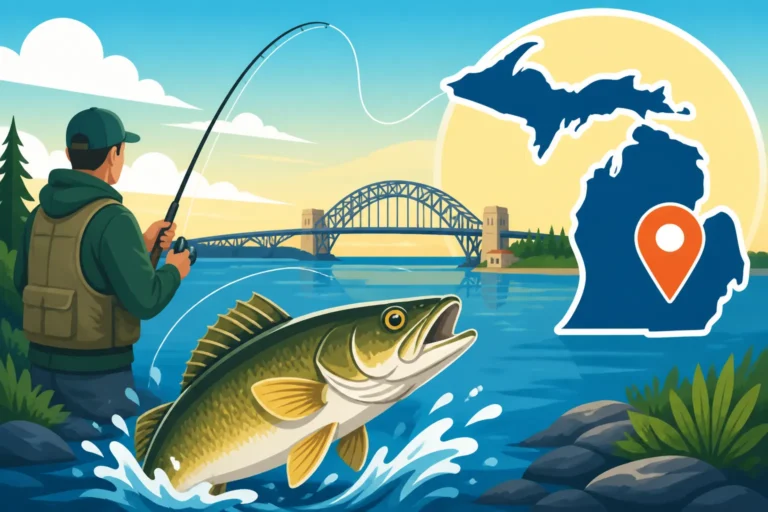
Walleye are a prized catch, known for their delicious fillets and challenging nature. On Higgins Lake, they tend to relate to drop-offs, humps, and the edges of weed beds, especially during low-light conditions. Early morning, late evening, and night fishing are prime times for these elusive fish. Many anglers find success trolling crankbaits along contours, jigging blade baits or soft plastics on structure, or drifting with live bait like shiners or nightcrawlers. Being familiar with the Michigan Walleye Size and Possession Limits is essential to stay compliant.
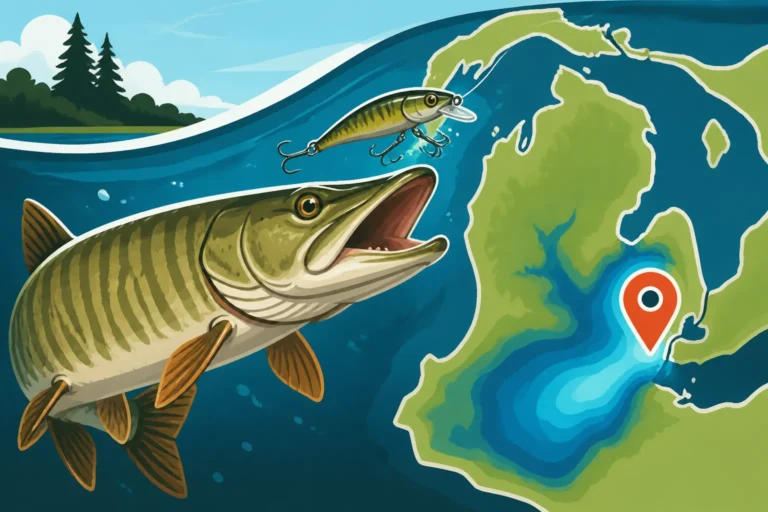
Northern Pike are another aggressive predator that calls Higgins Lake home. They love hanging out in the thicker weed beds and shallower bays, ambushing unsuspecting prey. Casting large spoons, spinnerbaits, or even substantial crankbaits near these weed lines can elicit explosive strikes. Just be prepared for their sharp teeth with a good leader!
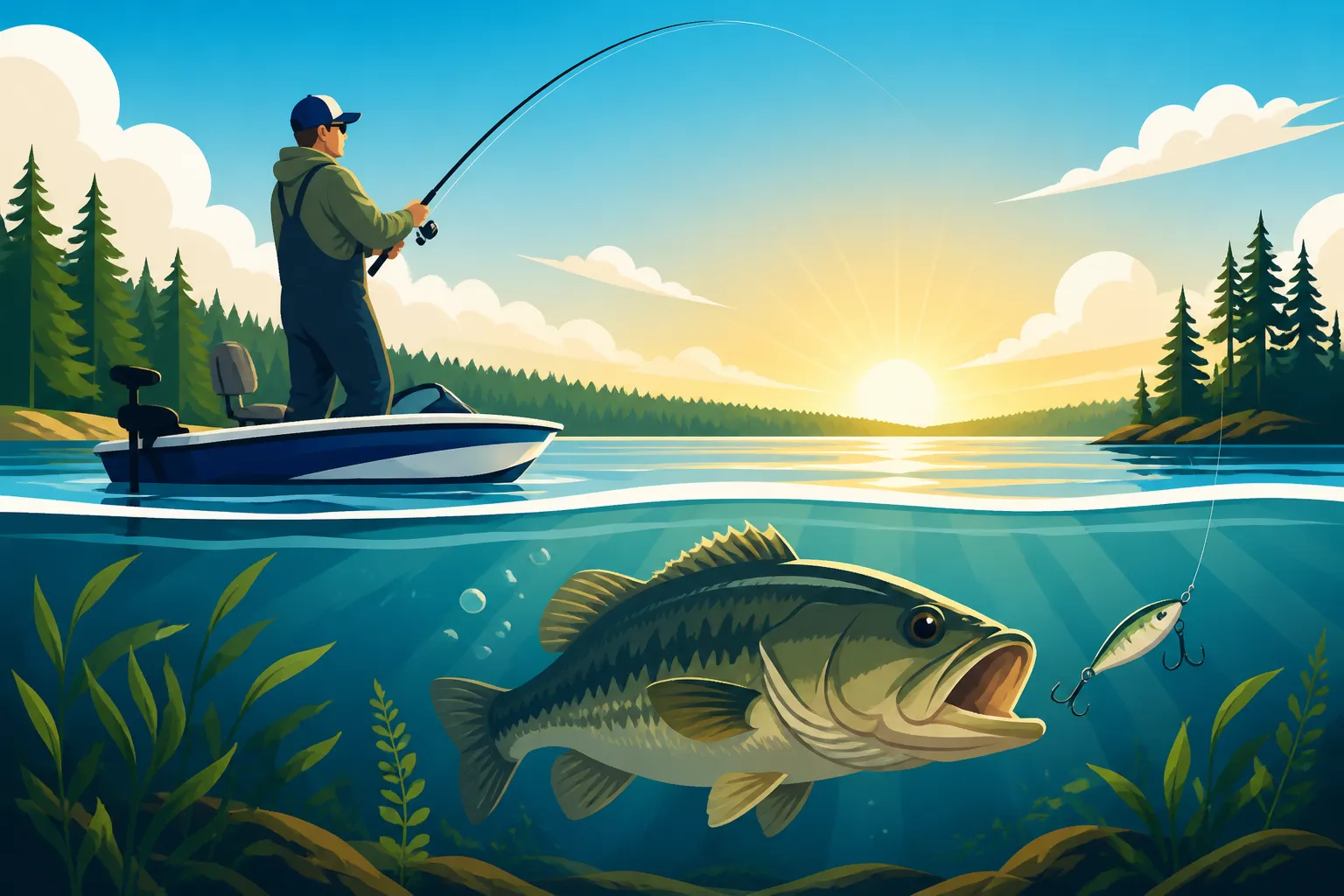
Both Largemouth and Smallmouth Bass are also found in Higgins. Largemouth prefer the shallower, more vegetated areas, offering classic bass fishing opportunities with topwater lures, soft plastics, and spinnerbaits. Smallmouth, on the other hand, gravitate towards rocky points, deeper humps, and clean gravel bottoms, where they can be targeted with tube jigs, drop shots, or crankbaits.
Panfish: Perch, Bluegill, and Crappie
Don't overlook the panfish on Higgins Lake! Yellow Perch, Bluegill, and a smattering of Crappie offer consistent action, especially for families or those looking for a relaxed day on the water. These species are often found in shallower water, around docks, submerged timber, and weed beds.
Yellow Perch are particularly popular, and Higgins Lake can produce some impressive "jumbo" perch. They often school up, so once you find one, you're likely to find more. Jigging small tear-drop jigs tipped with wax worms or minnows, or simply using a bobber with a worm, can be incredibly effective. Perch can be found throughout the lake, from shallower weed beds to deeper flats, often suspending off the bottom in deeper water during the colder months. Learning the best bait for perch is often a game-changer for consistently catching them.
Bluegill and Crappie tend to stick to the warmer, shallower areas, particularly during the spring and early summer. Look for them around lily pads, fallen trees, and shallow weed lines. Small jigs, tiny spinners, or live bait like crickets or worms under a bobber are usually all it takes to entice a bite. These fish provide excellent fun for all ages and are a great way to introduce newcomers to the joys of fishing.
Essential Techniques for Higgins Lake Success
Fishing a large, clear, and deep lake like Higgins requires a thoughtful approach. What works in a murky, shallow pond simply won't cut it here. Mastering a few key techniques and adapting them to the unique conditions of Higgins Lake will dramatically improve your catch rates.
Deep Water Trolling for Trout and Salmon
When targeting the elusive Lake Trout, Brown Trout, Steelhead, and Splake that inhabit Higgins Lake's chilly depths, deep water trolling is often the most effective method. This isn't your casual cast-and-retrieve; it's a methodical, gear-intensive approach designed to present lures at specific depths where these cold-water species are actively feeding.
You'll need a boat equipped with downriggers. These devices allow you to precisely control the depth of your lure, sending it down to 60, 80, or even 100+ feet where the fish are holding. Planer boards are also incredibly useful for spreading out your lines, covering a wider swath of water, and keeping your lures away from the boat's prop wash, which can spook wary fish. The choice of lure is critical, too. Spoons like those from manufacturers such as Michigan Stinger or Dreamweaver are highly popular, mimicking baitfish that trout and salmon feed on. Crankbaits that dive deep can also be effective. Pay close attention to your fish finder; it's your best friend for locating schools of baitfish and the larger predators that follow them. Trolling speeds vary, but generally, 2-3 mph is a good starting point, adjusting based on lure action and fish activity. Remember, subtle changes in speed or direction can often trigger a strike.
Vertical Jigging Over Structure
Another incredibly productive technique, particularly for Lake Trout and Walleye in deeper water, is vertical jigging. This method requires precise boat positioning and a good understanding of the lakebed contours, often aided by advanced sonar. Instead of covering vast distances, you're targeting specific humps, drop-offs, and underwater points where fish are known to congregate.
Once you locate promising structure and mark fish on your sonar, position your boat directly over them. Then, drop a heavy jig, blade bait, or a spoon-style lure straight down to the depth where the fish are holding. The retrieve involves a series of lifts and drops, mimicking an injured baitfish. The key is to impart action to the lure while keeping it in the strike zone. You might use a sharp jigging motion, a subtle quiver, or a combination of both. Pay close attention to your line; sometimes a bite will feel like nothing more than a slight "tick" or added weight. This technique can be highly effective year-round, including during the Michigan ice fishing guide season when anglers use similar methods through the ice. It’s a more active, hands-on style of fishing that many anglers find incredibly rewarding.
Shallow Water Finesse for Bass and Panfish
While deep water gets a lot of attention, the shallower areas of Higgins Lake also offer fantastic fishing, particularly for Smallmouth and Largemouth Bass, as well as an abundance of Yellow Perch and Bluegill. However, due to the lake's exceptional clarity, finesse is often the name of the game.
For bass, especially in clear water, presenting lures naturally and subtly is key. For Smallmouth Bass on rocky points and gravel flats, consider using light line (6-8 lb test fluorocarbon) and techniques like drop-shotting, Ned rigs, or small tube jigs. These presentations keep your bait in the strike zone longer and offer a very natural look. For Largemouth Bass hiding in the denser weed beds and lily pads, weedless presentations are crucial. Soft plastic worms, creature baits, or frogs are excellent choices, allowing you to cast into heavy cover without snagging. During low-light periods, topwater lures can be incredibly exciting as bass explode on the surface.
For panfish, especially the wary Yellow Perch, light tackle is non-negotiable. Small jigs (1/32 to 1/16 oz) tipped with a single wax worm, a piece of minnow, or a soft plastic micro-bait under a sensitive bobber are highly effective. The key is to use a light wire hook and a minimal amount of weight to allow the bait to fall naturally. On Higgins Lake, you'll often find schools of perch roaming deeper flats or along the edges of weed beds in 15-30 feet of water, so even shallow-water panfishing can sometimes mean deeper depths here. For more consistent action, especially when perch are plentiful, don't be afraid to try some of the best bait for perch recommendations.
Navigating Access Points and Boating on Higgins Lake
Getting on and around Higgins Lake is generally straightforward, but understanding the public access points, boating regulations, and practical considerations will ensure a smooth and enjoyable trip. It’s a popular lake, so knowing the ropes helps avoid any unnecessary headaches.
Public Boat Launches and Shoreline Access
Higgins Lake offers several well-maintained public boat launches managed by the Michigan Department of Natural Resources (DNR). These launches provide easy access for boats of all sizes, from small fishing boats to larger cruisers. The two primary public launches are:
- North Higgins Lake State Park Boating Access Site: Located on the northern side of the lake, this is a large, popular launch with multiple ramps, ample parking, and often facilities like restrooms. It provides excellent access to the deeper northern basin.
- South Higgins Lake State Park Boating Access Site: Situated on the southern end, this site also features multiple ramps and extensive parking, offering good access to the lake's southern reaches, which have a mix of shallower bays and deep water.
Beyond these main state park launches, there are a few smaller, less formal public access points or roadside pull-offs that can accommodate smaller boats, kayaks, or provide limited shore fishing opportunities. However, the vast majority of shoreline around Higgins Lake is privately owned, limiting direct shore fishing. If you're planning a trip and need a rental, services like FishingBooker can help you find local charters or guides who launch from these public access points, eliminating the need to bring your own boat. Always check the DNR website or local signage for any specific rules or fees associated with launch sites, especially during peak season.
Boating Regulations and Safety Tips
Boating on Higgins Lake, like any large body of water, comes with specific regulations and safety considerations. The Michigan Boat Registration Requirements apply here, so ensure your vessel is properly registered and equipped.
Key Regulations to Remember:
- Speed Limits: There are often designated "no wake" zones near shore, around launches, and in specific bays. Pay attention to buoys and signage. While much of the lake is open for higher speeds, responsible operation is always expected.
- Life Jackets: All vessels must have U.S. Coast Guard-approved life jackets for each person on board. Children under 6 years of age must wear a life jacket when on the open deck of any vessel while underway.
- Registration & Numbering: Your boat registration numbers must be properly displayed on the bow, and your annual registration decal affixed correctly. For more details, consult a full guide on Michigan boat registration requirements.
- Safety Equipment: Beyond life jackets, ensure you have other required safety gear such as a whistle or horn, fire extinguisher, visual distress signals, and navigation lights for night operation.
Safety Tips for Higgins Lake:
- Watch the Weather: Higgins Lake is large and can get rough quickly, especially with strong winds. Keep an eye on weather forecasts and be prepared to head in if conditions deteriorate.
- Navigational Awareness: Despite its clarity, submerged hazards like stumps or rock piles can exist, especially near shore or around undeveloped areas. A good depth finder and GPS can be invaluable.
- Respect Other Users: Higgins Lake is popular for fishing, swimming, and recreational boating. Maintain safe distances from other boats and swimmers, and always operate courteously.
- Cold Water Safety: Even in summer, the deep waters of Higgins Lake are cold. If you plan to swim or wade, be mindful of potential hypothermia, especially in spring and fall.
Kayak and Canoe Fishing Opportunities
For those who prefer a quieter, more intimate fishing experience, Higgins Lake offers excellent opportunities for kayak and canoe fishing. These smaller craft allow you to access shallower areas that larger boats can't reach and offer a stealthy approach, which is a huge advantage in such clear water.
Kayakers and canoeists can launch from the state park sites, but also from many smaller, less formal access points. The numerous bays and coves on the lake, particularly those with weed beds or submerged timber, are ideal for these smaller vessels, allowing you to quietly paddle into prime bass and panfish territory. When fishing from a kayak or canoe, remember to:
- Wear a Life Jacket: It's always advisable, especially on a large lake.
- Stay Visible: Consider adding a safety flag to your craft, especially if you'll be in areas with motorized boat traffic.
- Anchor Responsibly: A small anchor can be very useful for holding position over a promising spot without drifting.
- Pack Light but Smart: Bring essential gear, water, and snacks. Dry bags are your friend.
Whether you're trolling the depths in a powerboat or quietly paddling in a kayak, Higgins Lake provides an incredible backdrop for any angler.
Gear Recommendations for Higgins Lake Anglers
Having the right gear is crucial when fishing Higgins Lake. Its diverse fishery, deep clear waters, and variety of target species mean you'll likely need a range of tackle. Don't worry, you don't need to break the bank, but being prepared with appropriate rods, reels, lines, and lures will make a significant difference in your success and enjoyment.
Rod and Reel Setups for Different Species
Matching your rod and reel to your target species and fishing technique is fundamental.
-
For Deep Water Trolling (Lake Trout, Salmon, Splake): You'll want heavy-duty trolling rods, typically 7-9 feet in length, with a medium-heavy to heavy action. These rods need enough backbone to handle heavy weights, downriggers, and the powerful runs of large trout and salmon. Pair them with large, robust baitcasting reels (like a Penn or Daiwa) capable of holding a substantial amount of heavy monofilament (e.g., 20-30 lb test) or braided line (30-50 lb test) for less stretch and better depth control. Line counters on your reels are a huge advantage for replicating successful depths.
-
For Walleye and Pike (Casting & Jigging): A versatile medium-heavy spinning or casting rod, around 6'6" to 7'6" in length, will serve you well. For spinning gear, a 2500-4000 series reel spooled with 10-20 lb braided line and a fluorocarbon leader (10-15 lb test) is a good choice. This setup provides the sensitivity for jigging and the power to handle larger fish. For pike, a robust 7-foot medium-heavy casting rod with a good baitcaster and 15-20 lb monofilament or braid is perfect for throwing larger spoons and spinnerbaits.
-
For Bass (Finesse & Power): For Smallmouth Bass and clear-water finesse tactics, a medium-light to medium power spinning rod (6'6"-7') with a fast action is ideal. Pair it with a 2000-2500 series spinning reel spooled with 6-8 lb fluorocarbon or 10-15 lb braid with a fluorocarbon leader. For Largemouth Bass in heavy cover, a medium-heavy casting rod (7'-7'6") with a fast action, coupled with a sturdy baitcasting reel and 15-20 lb fluorocarbon or 30-50 lb braid, will give you the power to pull fish out of weeds.
-
For Panfish (Perch, Bluegill, Crappie): Light tackle is key here. A 5-6 foot ultra-light or light power spinning rod with a fast or moderate-fast action, paired with a small 1000-1500 series spinning reel, is perfect. Spool it with 4-6 lb monofilament or very light braid (6-10 lb) with a light fluorocarbon leader (2-4 lb). This sensitive setup allows you to feel the lightest bites and maximize the fun of catching smaller fish.
Lure and Bait Selection for Higgins Lake
The clarity of Higgins Lake means that lure color, action, and presentation are often more critical than in murkier waters.
-
For Coldwater Species:
- Trolling Spoons: Brands like Michigan Stinger, Dreamweaver, or Warrior Lures in silver, blue/silver, green/silver, or natural baitfish patterns are highly effective. Size selection depends on the baitfish profile you're trying to imitate.
- Jigs: Heavy spoons (e.g., K-B spoons) and blade baits (like Silver Buddies) in silver, white, or chartreuse are great for vertical jigging.
- Live Bait: Large shiners or smelt can be deadly when still fishing or slow-trolling for lake trout.
-
For Walleye:
- Crankbaits: Deep-diving crankbaits in natural baitfish colors (perch, shiner) or chrome/blue work well for trolling. Brands like Rapala or Berkley are solid choices.
- Jigs: Jigs tipped with minnows, nightcrawlers, or soft plastics in perch, white, or chartreuse are go-to for jigging structure. Learning how to jig for Michigan walleye can greatly improve your success.
- Bottom Bouncers/Crawler Harnesses: Effective for drifting over flats.
-
For Pike:
- Spoons: Large, brightly colored spoons (red/white, silver, chartreuse) are classic pike attractors. Daredevil is a perennial favorite.
- Spinnerbaits: Large spinnerbaits with tandem blades in white, chartreuse, or black/red.
- Jerkbaits: Erratic jerkbaits can trigger aggressive strikes.
-
For Bass:
- Smallmouth: Tube jigs (green pumpkin, watermelon), drop-shot worms (natural colors), Ned rigs, small crankbaits (crawfish patterns), and swimbaits.
- Largemouth: Soft plastic worms, creature baits, jigs with trailers, topwater frogs/poppers, and spinnerbaits (white, chartreuse).
-
For Panfish:
- Jigs: Tiny tungsten or lead jigs (1/32 to 1/16 oz) in various colors (black, pink, chartreuse, white), tipped with wax worms, spikes, minnow pieces, or small soft plastic micro-baits.
- Bobbers: Small, sensitive bobbers are a must for detecting light bites.
- Live Bait: Wax worms, spikes, red worms, and small minnows are consistently effective.
Remember to consider line visibility. Fluorocarbon leaders are highly recommended for all species due to Higgins Lake's clarity, as they are nearly invisible underwater.
Essential Electronics and Safety Equipment
Beyond rods, reels, and lures, a few other items are non-negotiable for a safe and productive trip to Higgins Lake.
- Fish Finder/GPS Combo: Absolutely crucial for finding structure, marking fish, and navigating the vastness of the lake. Modern units with side-imaging or down-imaging capabilities are incredibly helpful in clear water. A good GPS unit will help you mark productive spots and safely navigate back to the launch.
- Downriggers: If you're serious about deep-water trolling for trout and salmon, downriggers are a must.
- Cooler: For keeping your catch fresh and your drinks cold.
- Landing Net: A large, rubberized net is ideal for safely landing larger fish, especially those with sharp teeth like pike or the delicate mouthparts of a trout. For the truly massive fish, like large lake trout or the occasional muskellunge (if found), a big cradle net is best for safe handling and release.
- First Aid Kit: Always smart to have on board.
- Sun Protection: Sunglasses, hat, and sunscreen are essential given the clear water and open expanses.
- Proper Apparel: Layers are key, as weather can change quickly. Waterproof outer layers are always a good idea.
- Communication Device: A fully charged cell phone and/or a marine radio for emergencies.
By equipping yourself with the right gear and familiarizing yourself with these techniques, you'll be well on your way to a memorable fishing adventure on Higgins Lake. If you’re ever in doubt about what to bring, consider booking a trip through a service like FishingBooker, where guides often provide all the necessary gear and expertise for a hassle-free experience.
Navigating Regulations and Conservation on Higgins Lake
Responsible fishing is paramount on Higgins Lake, not just for the health of the fishery but for the enjoyment of all who use this precious resource. Understanding and adhering to Michigan's fishing regulations and practicing strong conservation habits are critical to ensuring Higgins Lake remains a vibrant fishing destination for generations to come.
Understanding Michigan's Statewide and Lake-Specific Rules
Michigan has comprehensive fishing regulations, and Higgins Lake often has specific nuances due to its unique ecosystem and management goals. Before every fishing trip, it is absolutely essential to consult the current Michigan Fishing Regulations Digest. You can usually find the latest version online via the Michigan DNR website, or pick up a physical copy at any license retailer. Key areas to pay attention to include:
- Michigan Fishing License Guide for Residents and Nonresidents: Everyone aged 17 and older needs a valid Michigan fishing license. There are different costs and types depending on your residency status and how long you plan to fish. Ensure yours is current.
- Daily Bag and Size Limits: These vary significantly by species and can sometimes have lake-specific exceptions. For example, Walleye may have a statewide minimum size limit, but Higgins Lake might have a different slot limit or a protected harvest window. Pay close attention to these details for Lake Trout, Salmon, Splake, Walleye, Pike, Bass, and Perch. Exceeding limits can result in hefty fines and loss of privileges.
- Season Dates: While many species are open year-round on the Great Lakes, inland lakes often have specific opening and closing dates for certain species, especially trout and salmon, to protect spawning populations. While Higgins has a year-round season for trout, it's still vital to check for any species-specific variations.
- Gear Restrictions: Most often, general hook and line rules apply, but always confirm. For example, some waters may have artificial lure-only restrictions for certain trout species during specific times.
Ignoring regulations, even unintentionally, can lead to unpleasant encounters with law enforcement. It's not just about avoiding a ticket; it's about being a responsible steward of the fishery.
Best Practices for Catch and Release
For many anglers on Higgins Lake, especially those targeting larger game fish like Lake Trout, Salmon, Pike, and Bass, catch-and-release is a common and highly valued practice. Proper handling of fish ensures their survival and contributes to a healthy population for the future.
- Minimize Fight Time: While it's fun to battle a fish, try to bring it in as quickly as possible, especially in warmer water conditions. An exhausted fish has a much lower chance of survival.
- Use Barbless Hooks: Pinching down barbs on your hooks makes removal much easier and less damaging to the fish's mouth.
- Handle Fish Gently: Wet your hands before touching the fish to protect its protective slime coat. Avoid squeezing vital organs or gills. If possible, keep the fish in the water while unhooking it.
- Support Large Fish: When holding larger fish for a photo, support their weight horizontally, especially around their belly and tail. Never hold a large fish vertically by the jaw, as this can severely damage its spine and internal organs.
- Quick Release: Unhook the fish quickly and release it gently, headfirst, allowing it to swim away under its own power. If a fish seems lethargic, hold it upright in the water and gently move it back and forth to force water over its gills until it regains strength.
- Cut the Line: If a hook is deeply ingested or difficult to remove, it's often better to cut the line as close to the hook as possible. The hook will usually corrode away or be expelled.
Even if you plan to keep your catch, practicing good handling is important. A fish that has been properly cared for will taste better and be of higher quality.
Supporting Michigan's Fisheries and Conservation Efforts
Our beautiful Michigan fisheries, including Higgins Lake, don't just happen by accident. They are the result of ongoing conservation efforts, habitat management, and strategic stocking programs funded largely by fishing license sales and excise taxes on fishing equipment.
- Purchase Your License: Every time you buy a fishing license, you are directly contributing to the conservation and management of Michigan's aquatic resources. These funds go towards fish stocking, habitat restoration, scientific research, and law enforcement.
- Report Violations: If you witness poaching or other illegal fishing activities, report them to the DNR's Report All Poaching (RAP) line. This helps protect the resource from those who don't respect the rules.
- Participate in Cleanups: Occasionally, local groups or state parks may organize shoreline cleanups. Participating is a great way to give back and ensure the beauty of Higgins Lake endures.
- Educate Others: Share your knowledge about responsible fishing practices and regulations with fellow anglers, especially newer generations.
- Consider Local Organizations: Support local conservation organizations focused on the Higgins Lake watershed. These groups often work on specific projects to improve water quality and fish habitat.
By understanding the rules, practicing ethical angling, and supporting conservation, we can all play a part in preserving Higgins Lake as a premier Michigan fishing destination for many years to come.
Disclaimer
Fishing inherently carries risks, including but not limited to changing weather conditions, personal injury, and equipment malfunction. Always exercise caution, adhere to all local, state, and federal regulations, and prioritize your safety while on the water. The information provided in this guide is for informational purposes only and should not be considered a substitute for official regulations or professional safety advice.