Is the Au Sable River Good for Fly Fishing?
For any angler who has ever dreamed of the perfect cast, the rhythmic hum of a fly line, and the thrilling tug of a wild trout, the question often arises: Is the Au Sable River truly the fly fishing paradise it's made out to be? The good news is, for generations of dedicated fly fishers and newcomers alike, the Au Sable isn't just good for fly fishing; it's legendary, offering an unparalleled experience, though not without its nuances that this guide will thoroughly explore.
The Legendary Waters of the Au Sable River
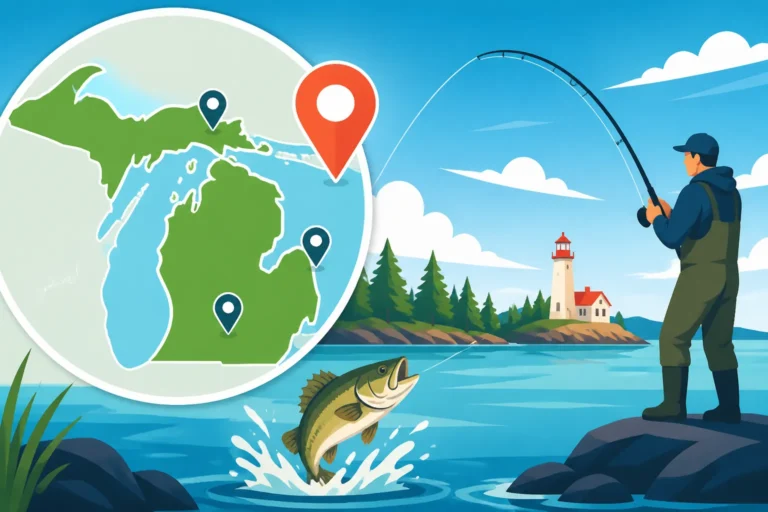
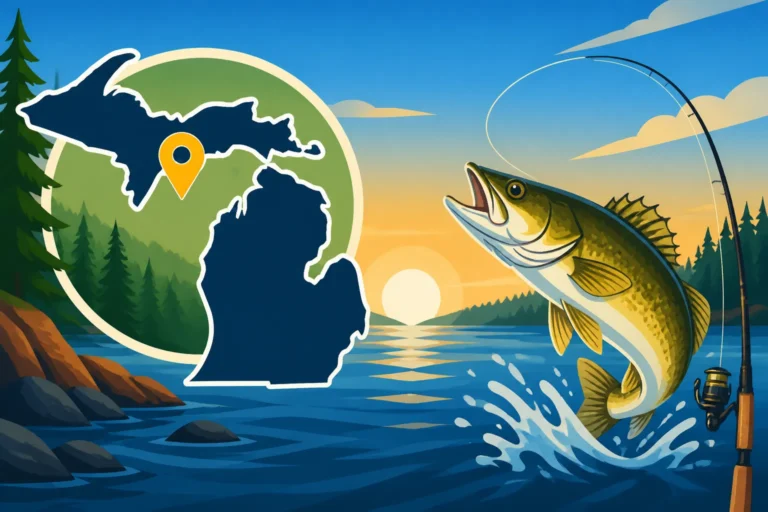
Mention "Au Sable" to a fly angler, and you'll likely see their eyes light up with recognition. This isn't just any river; it's a cornerstone of American fly fishing, particularly in the Midwest. Flowing through the heart of Michigan's Lower Peninsula, the Au Sable isn't just one river but a system of diverse branches, each offering its own unique challenges and rewards to those who seek its bounty with a fly rod. Its reputation wasn't built overnight, but through decades of conservation efforts, dedicated anglers, and, of course, a healthy, thriving trout population.
A Rich History of Angling Excellence
The Au Sable's fame as a fly fishing destination traces back over a century. Early anglers recognized the pristine nature of its cold, clear waters and the abundance of native brook trout. As fishing pressure increased and logging practices impacted the watershed in the late 19th and early 20th centuries, conservationists and dedicated anglers, including the legendary George Griffith, stepped up to protect this precious resource. Their foresight led to the implementation of progressive fishing regulations, including catch-and-release sections and specific gear restrictions, long before such measures were commonplace. This proactive approach helped preserve the river's wild character and its ability to sustain robust populations of not only native brook trout but also thriving populations of brown and rainbow trout, which were later introduced. Today, the Au Sable continues to be a living testament to successful conservation, drawing enthusiasts from all over the world.
The Different Branches and Their Personalities
The Au Sable River system is vast and varied, comprising a Mainstream and several distinct branches: the North Branch, South Branch, and smaller tributaries. Each section offers a different experience, catering to various skill levels and preferences. The Mainstream below Grayling is often the most accessible and popular, featuring wider stretches and a mix of public and private access. It holds a healthy population of brown trout, with some impressive specimens lurking in its deeper runs and log jams.
The North Branch of the Au Sable, particularly its upper reaches, is renowned for its wild brook trout and challenging, intimate water. This section is often tighter, requiring accurate casting and careful wading, making it a true test for experienced fly anglers. The South Branch, while perhaps less famous than the North, still offers fantastic fly fishing, especially for brown trout. It tends to be a bit more forgiving than the North Branch in places, with some open stretches allowing for easier casting, but still maintains that classic Michigan trout stream feel. Understanding these distinctions is key to planning your trip and setting your expectations, as fishing on the North Branch is a vastly different endeavor than floating a wider section of the Mainstream.
What Makes the Au Sable a Fly Fishing Paradise?
It's not just hype; the Au Sable River possesses a unique combination of environmental factors that contribute to its status as a premier fly fishing destination. From its consistent water temperatures to its diverse invertebrate life, every element seems to conspire to create an ideal habitat for trout and an engaging experience for anglers. This isn't a river you just "fish"; it's a river you learn and immerse yourself in.
Optimal Water Conditions for Trout
One of the primary reasons the Au Sable excels as a trout fishery is its consistently cold and clean water. Much of the river is spring-fed, particularly in its upper reaches and tributaries. These constant inflows of cold groundwater keep water temperatures stable throughout the year, even during the hottest Michigan summers. Trout, especially species like the Michigan Trout Species Explained, thrive in these conditions, which maintain high dissolved oxygen levels crucial for their survival and growth. This pristine water clarity also makes for challenging but rewarding sight-fishing opportunities, where anglers can spot feeding trout before making their cast. Furthermore, the riverbed composition, often a mix of gravel, sand, and submerged woody debris, provides excellent spawning grounds and habitat complexity for trout throughout their life cycle.
Abundant Insect Hatches and Diverse Forage
A healthy trout stream needs a healthy food supply, and the Au Sable delivers in spades. The river is famous for its prolific insect hatches, which drive trout feeding frenzies and provide endless opportunities for fly anglers to "match the hatch." Throughout the spring, summer, and fall, a succession of mayflies, caddisflies, and stoneflies emerge, often in incredible numbers. Iconic hatches include the Hendrickson in spring, various sulphurs and Isonychia through summer, and the massive Hexagenia limbata (Hex) hatch in late June and early July, which brings out large trout after dark.
Beyond insects, the Au Sable's trout also feast on a diverse array of other forage. Sculpins, various baitfish, crayfish, and even terrestrial insects like grasshoppers and ants all contribute to the trout's diet. This varied food source means that even when a major hatch isn't occurring, there are still plenty of options for anglers willing to experiment with different fly patterns and techniques. For those interested in deeper dives into specific species, guides like Brown Trout in Michigan Rivers and Brook Trout in Michigan Rivers offer invaluable insights.
A Healthy Population of Wild Trout
What truly sets the Au Sable apart is its impressive population of wild, self-sustaining trout. While some stocking occurs in certain areas, particularly on the Mainstream for recreational purposes, the river's reputation is built on its robust wild fish. Anglers here can expect to encounter strong, vibrant Rainbow Trout and Steelhead What's the Difference, feisty brook trout, and the prized brown trout, many of which grow to respectable sizes. The genetic integrity of these wild populations is a testament to the river's health and the ongoing conservation efforts by the Michigan Department of Natural Resources (DNR) and local angling groups. Catching a truly wild, stream-bred trout on a dry fly is an experience that keeps anglers coming back year after year, reinforcing the river's status as a genuine angling treasure.
Key Areas and Techniques for Fly Fishing the Au Sable
Getting started on a river as storied and diverse as the Au Sable can feel a little daunting, but with a bit of local knowledge and the right approach, you'll be well on your way to a memorable fly fishing adventure. Understanding where to go, what to use, and how to approach the water can make all the difference, especially when you're looking for those truly special moments.
Navigating the Holy Water and Beyond
Perhaps the most famous stretch of the Au Sable is the "Holy Water" – a designated Blue Ribbon trout stream section of the Mainstream near Grayling. This special regulation water is strictly catch-and-release, flies-only, and known for its exceptionally clear water and large, wary brown trout. It's a challenging but incredibly rewarding section, often requiring long leaders, delicate presentations, and keen observation. If you plan to fish this or other similar special regulation areas, it's absolutely crucial to consult the Michigan Fishing Regulations Every Angler Should Know to ensure you're compliant.
Beyond the Holy Water, the Au Sable offers miles upon miles of equally compelling water. Below Mio, the river widens and deepens, becoming more suitable for floating trips in drift boats or rafts, which can be an excellent way to cover more water and access less-pressured stretches. The North Branch offers smaller, intimate water best fished by wading, where stealth and short, accurate casts are paramount. The South Branch also has some excellent wade-fishing opportunities, particularly in its upper and middle sections. Each bend and riffle holds potential, and exploring new sections is part of the adventure, but always be mindful of public access points and private property boundaries. For those seeking specific locations, the Best Fishing Spots on the Au Sable River in Michigan guide can provide excellent starting points.
Essential Flies and Presentation Strategies
Matching the hatch is often the name of the game on the Au Sable, so having a good selection of dry flies imitating the prevalent insects is essential. In spring, Hendricksons, Blue-winged Olives, and various caddis patterns are staples. Summer brings an explosion of Sulphurs, Isonychia, Light Cahills, and, of course, the infamous Hex. During the late summer and fall, terrestrials like hoppers, ants, and beetles can be incredibly effective, along with October Caddis. For sub-surface fishing, nymph patterns like pheasant tails, hare's ears, prince nymphs, and caddis larvae imitations are consistently productive. Streamers mimicking sculpins, baitfish, and crayfish can entice larger trout, especially when fished aggressively or during low-light conditions.
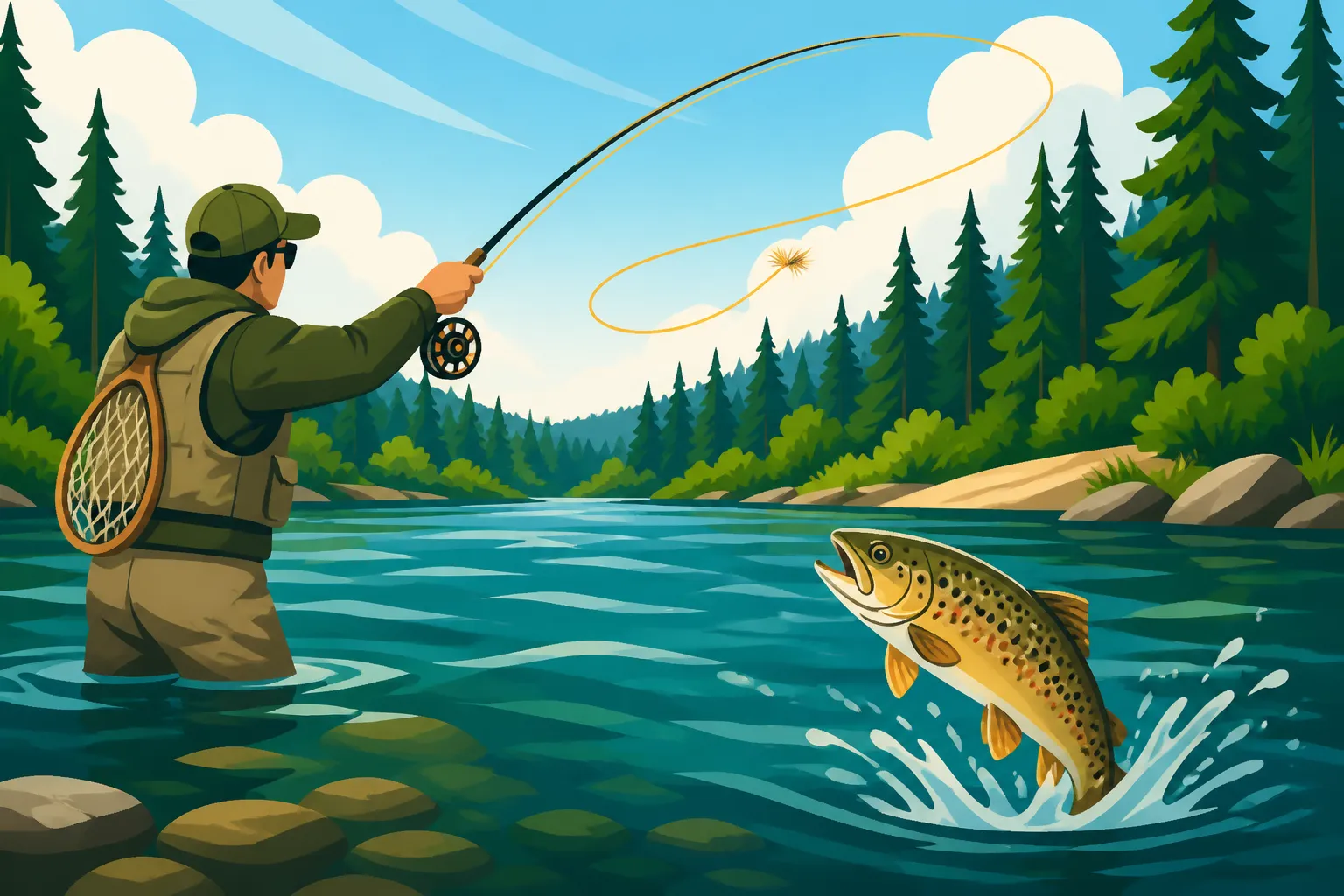
Presentation is just as important as fly selection. Trout in the Au Sable, particularly in the clear, pressured sections, are notoriously selective and easily spooked. Long, delicate casts, drag-free drifts, and precise mends are critical for success. For beginners, focusing on these fundamental Fly Fishing Techniques for Michigan Trout Streams will yield better results than simply trying to cast as far as possible. Understanding the currents and how they affect your line and fly is a continuous learning process on this river.
Guided Trips and Local Expertise
For those new to the Au Sable, or even seasoned anglers looking to refine their skills and explore new water, hiring a local guide can be an invaluable investment. A professional guide not only knows the river intimately—where the fish are holding, what they're eating, and the most effective techniques—but can also help you navigate complex regulations and provide expert instruction. They often have access to private stretches of water or know lesser-fished public areas, dramatically increasing your chances of success and enjoyment.
Many excellent guides operate on the Au Sable and can be found through local fly shops or online platforms. Websites like FishingBooker can connect you with experienced Au Sable River guides who specialize in fly fishing, offering various trip types, from wade trips to drift boat excursions. They’re a fantastic resource for planning, especially if you're traveling from out of state and want to maximize your time on the water. A guide can also help you understand the nuances of things like How to Catch Brown Trout in Michigan Rivers or How to Catch Rainbow Trout in Michigan Rivers on this specific river system.
Challenges and Considerations for Au Sable Fly Fishers
While the Au Sable is indeed a fly fishing paradise, it's also a highly revered and popular destination, which brings its own set of challenges. Being aware of these aspects can help you manage your expectations and ensure a more enjoyable and responsible experience on the water. It’s about more than just casting a line; it’s about being part of a larger angling community and respecting the resource.
Crowds and Pressure During Peak Season
The Au Sable's popularity means it can get crowded, especially during prime hatches and on weekends. The "Holy Water" and other easily accessible public stretches are particularly susceptible to fishing pressure. If you're seeking solitude, you might need to explore lesser-known sections, visit during weekdays, or consider fishing during off-peak hours like early mornings or late evenings. Patience and courteousness are key when fishing crowded waters. Give other anglers plenty of space, and if you arrive at a spot already being fished, move on to avoid interfering with their experience. Fishing with a guide booked through services like FishingBooker can sometimes help you find less-pressured spots, as they often know hidden gems or have access agreements.
Navigating Complex Regulations
Michigan's fishing regulations, particularly for its trout streams, can be quite complex, with special regulations varying by river section. Size limits, bag limits, gear restrictions (e.g., flies-only, single-hook artificials), and season dates can change from one bridge crossing to the next. For instance, the year-round open season on the Great Lakes is a stark contrast to specific inland stream regulations, as detailed in Michigan's Great Lakes Year-Round Trout Season. It is absolutely essential to carry a current copy of the Michigan Fishing Regulations Digest (available online from the DNR or at license retailers) and to read it carefully before heading out. Ignorance of the law is no excuse, and violations can result in significant fines and penalties. Understanding the rules is not only about avoiding trouble but also about contributing to the conservation efforts that keep the Au Sable healthy.
The Importance of Conservation and Ethics
The Au Sable River is a delicate ecosystem, and every angler plays a role in its preservation. Practicing responsible catch-and-release is paramount, especially in special regulation areas. This means using barbless hooks, minimizing fight time, handling fish gently with wet hands, and releasing them quickly. Avoid dragging fish onto dry banks or subjecting them to excessive photography, which can stress them unnecessarily.
Beyond fish handling, practicing good river etiquette is crucial. Pack out all trash, respect private property, and be mindful of your impact on the stream bank and riparian vegetation. Consider using Best Fly Fishing Gear for Trout Rivers that includes gear designed for minimal impact. Supporting local fly shops and guides also contributes to the local economy and conservation efforts, as these businesses often play a vital role in protecting the river. The future of Au Sable fly fishing depends on the collective commitment of its visitors to treat it with the respect it deserves.
Here's a quick overview of what you can expect from the different branches of the Au Sable for fly fishing:
| Au Sable River Section | Primary Target Species | Typical Water Characteristics | Best Approach | Key Considerations |
|---|---|---|---|---|
| Mainstream (Upper) | Brown, Rainbow, Brook | Clear, moderate flow, mixed depths | Wading, smaller drift boats | "Holy Water" special regs, high pressure during peak |
| Mainstream (Lower) | Brown, Rainbow | Wider, deeper, slower flow | Drift boat, some wading | Good for streamer fishing, can be less crowded |
| North Branch | Brook, smaller Brown | Narrow, intimate, faster riffles | Wading, stealth is key | Requires precise casting, dense cover |
| South Branch | Brown, some Rainbow | Varies from narrow to wider | Wading, smaller drift boats | Good all-around fishing, diverse habitat |
Remember, the Best Time to Fish the Au Sable River can vary greatly depending on the specific branch and your target species or preferred technique, whether it's dry fly, nymphing, or streamer fishing.
Disclaimer
The information provided in this guide is for general informational purposes only and does not constitute legal advice. Fishing regulations, licensing requirements, and fees are subject to change. Always consult the most current Michigan Department of Natural Resources (DNR) fishing regulations and obtain the appropriate licenses before engaging in any fishing activities. Ensure you understand and abide by all local, state, and federal laws.