How Far Is the Manistee River From Grand Rapids
For many anglers living in Grand Rapids, the urge to chase chrome-bright steelhead or elusive brown trout on Michigan's famous Manistee River is a powerful call. However, a common frustration arises when planning: just how far is that journey, and what should you expect regarding travel time and logistics? This comprehensive guide is here to demystify the trip, providing precise distances, estimated drive times, insights into popular river access points, and crucial tips to ensure your Manistee River fishing adventure from Grand Rapids is as smooth and successful as possible.
Understanding the Distance and Drive Time to the Manistee River from Grand Rapids
The Manistee River is a long and winding waterway, stretching for miles across Michigan's Lower Peninsula. The exact distance from Grand Rapids, and consequently the drive time, depends significantly on which section of the river you're aiming for. It’s not a one-size-fits-all answer, but rather a spectrum of options.
The Straightforward Answer: Miles and Minutes
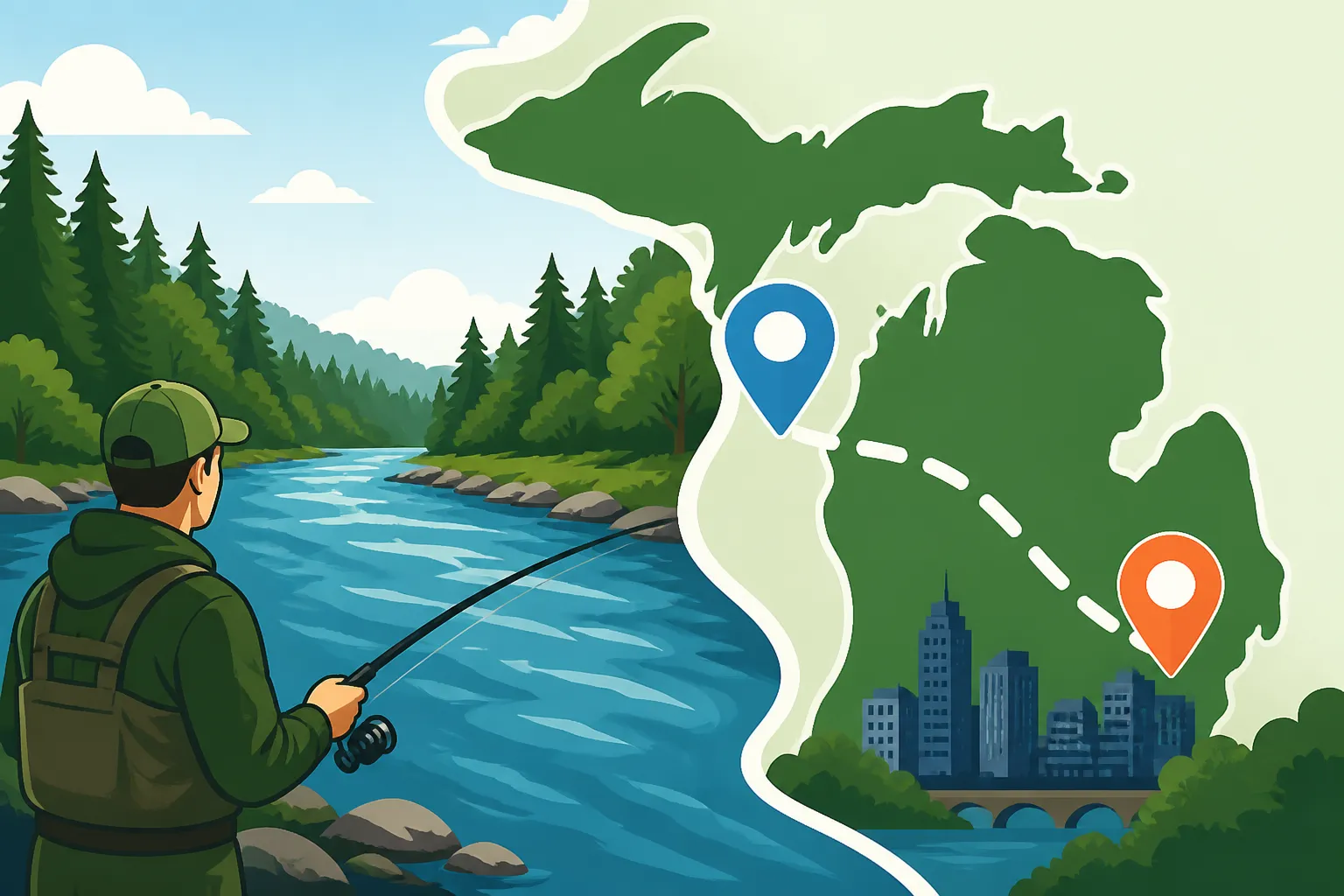
Generally speaking, if you're departing from Grand Rapids and heading to one of the more popular fishing destinations on the Manistee River, you're looking at a drive of roughly 80 to 110 miles. This typically translates to an estimated 1 hour and 30 minutes to 2 hours and 15 minutes of pure driving time, assuming good road conditions and moderate traffic.
For instance, if your sights are set on the lower Manistee River, especially the areas around Tippy Dam or the city of Manistee, you're looking at the longer end of that spectrum, closer to 100-110 miles. This journey often takes around 1 hour and 45 minutes to 2 hours and 15 minutes. These sections are renowned for their incredible salmon and steelhead runs, drawing anglers from across the state and beyond. Further upstream, places like Wellston or Brethren, which access more of the middle and upper river, might shave a few miles off the total, bringing it closer to the 80-90 mile mark and potentially under two hours. The middle river offers fantastic trout fishing and a different kind of solitude.
It's important to visualize the route: you'll generally be heading north on US-131, which is a fairly straightforward highway that makes the journey relatively simple. However, once you exit the main highway, you'll be on smaller state routes and county roads, often winding through charming small towns and picturesque forests, which can be part of the adventure.
Factors Influencing Your Travel Time
While the mileage provides a baseline, several real-world elements can drastically alter your actual time behind the wheel. It's never just about the distance; it's about the journey itself.
First and foremost is traffic. Leaving Grand Rapids during rush hour, especially on a Friday afternoon as everyone heads north for the weekend, can add significant time to your trip, particularly on the initial stretches of US-131. Similarly, during peak tourist seasons like summer weekends or during major fishing events, the roads leading to popular Manistee River access points can become quite busy. What might be a smooth 90-minute drive on a Tuesday morning could easily stretch to two and a half hours on a Friday evening.
Road conditions are another critical factor, especially if you're planning a trip during the colder months. Michigan winters can be unpredictable, and heavy snowfall or ice can slow travel to a crawl, even on major highways. While the Manistee River offers incredible winter steelhead opportunities, driving to those spots requires extra caution and can easily add an hour or more to your travel time. Always check weather and road reports before you head out. Additionally, construction zones, though less common on these routes than in urban areas, can pop up and cause unexpected delays.
Finally, your specific destination on the Manistee River matters. Are you heading to the mouth of the river near Lake Michigan, or are you driving further upstream to a more secluded stretch? The lower river, especially the sections accessible via the city of Manistee or near Tippy Dam, will generally be a longer drive than, say, hitting a spot near Mesick or Fife Lake on the upper reaches. Plotting your exact access point on a GPS is crucial for an accurate time estimate.
To give you a clearer picture, here's a rough comparison to popular Manistee River fishing destinations from Grand Rapids:
| Destination on Manistee River | Approximate Distance from Grand Rapids | Estimated Drive Time (Good Conditions) | Primary Fishing Focus |
|---|---|---|---|
| Manistee (City/River Mouth) | 105 miles | 1 hour 50 minutes – 2 hours 15 minutes | Salmon, Steelhead, Lake Michigan Coho |
| Tippy Dam Recreation Area | 95 miles | 1 hour 45 minutes – 2 hours | Salmon, Steelhead |
| Wellston (Middle River) | 90 miles | 1 hour 35 minutes – 1 hour 55 minutes | Trout, Steelhead |
| Brethren (Middle River) | 85 miles | 1 hour 30 minutes – 1 hour 50 minutes | Trout, Steelhead, Smallmouth Bass |
| Mesick (Upper River) | 80 miles | 1 hour 25 minutes – 1 hour 45 minutes | Trout, Smallmouth Bass |
These are estimates, of course, and personal driving style, vehicle, and number of stops will also play a role.
Key Access Points Along the Manistee River for Grand Rapids Anglers
Once you've decided to make the trip from Grand Rapids, knowing where to go on the Manistee River is the next crucial step. This magnificent river offers a variety of experiences, from powerful, wide-open sections near its mouth to intimate, winding stretches further upstream. Each area caters to different angling preferences and target species.
Lower Manistee River Access
For many anglers making the journey from Grand Rapids, the lower Manistee River is the primary draw, especially during the renowned salmon and steelhead runs. This section, roughly from Tippy Dam down to Lake Michigan, is where much of the river's fame originates.
One of the most iconic spots is the Tippy Dam Recreation Area. Located near the town of Brethren, Tippy Dam is a powerhouse of activity, especially in spring and fall. The area below the dam becomes a magnet for staging salmon and steelhead, drawing significant crowds. You'll find ample parking, boat launches, and access for wade fishing along the banks. It's a fantastic place to witness Michigan's vibrant fishing culture in full swing. Anglers here often employ various techniques, including drift fishing with spawn bags or beads, casting spinners and crankbaits, or even fly fishing with nymph patterns. The sheer volume of fish moving through here makes it a high-octane experience, though it requires patience and good etiquette due to the number of fellow anglers. If you're looking for serious salmon and steelhead action, this is a prime destination. More detailed information on targeting these species can be found in our guide on Manistee River Steelhead and Salmon Fishing in Michigan.
Further downstream, as the river widens and flows into Lake Michigan at the city of Manistee, you'll find other excellent access points. The Manistee Riverwalk, especially near the harbor, provides great opportunities for shore fishing, particularly during the fall salmon run when fish are staging before heading upstream. Boat launches in Manistee offer access to the river mouth and even Lake Michigan itself, where anglers often troll for Chinook and Coho salmon. This area offers a different vibe than the dam, with more urban amenities and diverse fishing options, including smallmouth bass and walleye in the warmer months. If you're wondering Where to Fish the Manistee River for Steelhead, the lower stretches are undoubtedly a go-to.
Middle and Upper Manistee River Access
While the lower river steals much of the spotlight, the middle and upper sections of the Manistee River offer a more tranquil, traditional river fishing experience, often targeting different species or presenting unique challenges. For those driving from Grand Rapids seeking solitude and pristine waters, these areas are a true gem.
The middle section of the Manistee, particularly around Wellston and Mesick, is celebrated for its fantastic resident trout population. Here, the river flows through dense forests, with more twists, turns, and varying depths. Brown trout and rainbow trout thrive in these cooler, oxygen-rich waters. Access might be through designated public land, small parking areas, or even via canoe/kayak put-ins that allow you to float and wade through miles of untouched water. Spots like the High Banks or access points above Hodenpyl Dam offer incredible scenery and a chance to truly immerse yourself in nature. Fly anglers, in particular, flock to these sections, seeking challenging dry fly opportunities in summer or swinging streamers for larger browns. To explore specific tactics for this environment, check out our guide on Best Fly Fishing Access on the Manistee River.
Moving even further upstream into the upper Manistee, the river becomes narrower and more intimate. While still home to trout, these sections can also offer good opportunities for smallmouth bass in the warmer months. These areas are often less pressured and provide a true wilderness experience. Access might require a bit more effort, sometimes involving gravel roads or short hikes, but the reward is often a peaceful day on the water with minimal company. This is where the patient angler, perhaps with a smaller drift boat or a pair of waders, can find incredible satisfaction in exploring untouched bends and hidden pockets. The beauty of the Manistee is its versatility, offering something for every angler, regardless of their preferred species or fishing style.
Why Anglers Make the Trip: The Manistee River's Allure
The Manistee River isn't just another body of water; it's a legendary fishery that holds a special place in the hearts of Michigan anglers. The journey from Grand Rapids, whether it's 80 miles or 110, is more than just a drive; it's a pilgrimage to a place renowned for its incredible fishing opportunities and natural beauty.
World-Class Fishery Reputation
The Manistee River's reputation as a world-class fishery is well-earned, primarily due to its spectacular runs of anadromous fish and robust populations of resident species. For many, the river is synonymous with steelhead (migratory rainbow trout) and salmon.
The annual fall salmon run is an epic event, drawing thousands of anglers. From late August through October, Chinook and Coho salmon surge from Lake Michigan into the river to spawn. These powerful fish offer an incredible fight, and catching a chrome-bright King Salmon is an experience many anglers chase year after year. Following the salmon, the fall steelhead run begins, often lasting through the winter and into spring. These acrobatic fish provide thrilling action, challenging anglers with their strength and aerial displays. Michigan's diverse Michigan Salmon Species Explained and the incredible Michigan Steelhead Run Timing ensure there's always something to chase.
Beyond the migratory species, the Manistee is also famous for its resident trout populations. The cold, clear waters of the upper and middle river provide ideal habitat for brown trout and rainbow trout. These fish are typically targeted by fly anglers, who revel in the challenge of outsmarting wary wild trout. These sections are a testament to healthy river ecosystems and dedicated conservation efforts. Our guide on Michigan Trout Species Explained delves deeper into these magnificent fish.
The river's productivity is a result of several factors: its consistent flow, excellent water quality, abundant insect life, and extensive stocking programs by the Michigan Department of Natural Resources (DNR). These elements combine to create an environment where fish thrive, offering unparalleled opportunities for anglers.
Diverse Fishing Opportunities
What makes the Manistee River truly special, and worth the drive from Grand Rapids, is the sheer diversity of fishing experiences it offers. It's not just a "trout stream" or a "salmon river"; it's a multifaceted fishery that caters to a wide range of angling styles and preferences.
For those who love the art of fly fishing, the Manistee is a dream come true. Its upper and middle sections are classic trout waters, perfect for presenting dry flies, nymphs, or streamers. The river's varied structure—from long, smooth runs to fast-moving riffles and deep pools—provides endless opportunities to test your skills. During the steelhead and salmon runs, fly anglers switch to larger flies, often swung on two-handed spey rods or stripped through deeper pockets. The challenge of matching the hatch or enticing a powerful steelhead on a delicate fly rod is an unparalleled thrill.
Spin fishing is equally popular and effective, particularly for salmon and steelhead. Anglers frequently use methods like drift fishing with natural baits (like spawn bags or beads), casting various spoons, spinners, or crankbaits, and even jigging in deeper holes. The adaptability of spin tackle allows anglers to cover different water types and depths, making it highly productive, especially during migratory runs. You'll often see anglers wading or fishing from small boats, meticulously working their way through productive stretches.
Beyond the main attractions, the Manistee River also offers opportunities for smallmouth bass in its warmer sections, particularly in the summer months. These feisty fish provide exciting topwater action and aggressive strikes, adding another layer of diversity to the river's offerings. Whether you prefer the solitude of a quiet trout stream, the excitement of a full-blown salmon run, or the challenge of sight-fishing for smallmouth, the Manistee delivers. This incredible variety ensures that no matter what time of year you make the journey from Grand Rapids, there's a rewarding fishing experience waiting for you.
Planning Your Manistee River Fishing Adventure from Grand Rapids
A successful fishing trip from Grand Rapids to the Manistee River isn't just about the drive; it's about preparation. Taking the time to plan ensures you maximize your enjoyment and comply with all necessary regulations. After all, nobody wants a beautiful day on the river ruined by a forgotten license or inadequate gear.
Essential Preparations Before You Go
Before you even think about packing your gear into the car, there are a few critical items to tick off your list, especially when venturing to a destination as popular and regulated as the Manistee.
First and foremost, you absolutely need a Michigan fishing license. This is non-negotiable for anyone aged 17 and older. You can purchase these online through the Michigan DNR website, at a local sporting goods store in Grand Rapids, or even at many bait shops near the Manistee River. Ensure you buy the correct type of license, whether it's an annual resident or non-resident license, or a 24-hour option if you're just planning a quick trip. Understanding How to Buy a Michigan Fishing License and the various Michigan Fishing License Guide for Residents and Nonresidents is crucial to avoid any unwelcome fines. Always carry proof of your license, either digital or a physical copy, while fishing.
Next, consider your fishing gear. The Manistee River is known for powerful fish, so sturdy rods, reels, and appropriate line are essential. For steelhead and salmon, a medium-heavy spinning or baitcasting rod (8-10 feet) paired with a reel spooled with 10-20 lb monofilament or braid is common. Fly anglers will often use 8-10 weight rods for anadromous species and 5-7 weight rods for resident trout. Don't forget waders and wading boots – much of the best fishing involves getting into the water. A good tackle box should include a variety of lures, baits, and terminal tackle appropriate for your target species and the river conditions. Our guide on Essential Gear for Michigan Steelhead Fishing can provide more specific recommendations.
Beyond tackle, pay close attention to the weather forecast for the Manistee River area. Michigan weather, especially near the Great Lakes, can change rapidly. Dress in layers, bringing waterproof outer shells, even if the forecast looks clear. Comfortable, moisture-wicking clothing is key. Finally, think about accommodation. If you're planning an overnight or multi-day trip, book a cabin, hotel, or campsite in advance, especially during peak fishing seasons or holidays. Towns like Manistee, Wellston, and Cadillac offer various lodging options. Packing snacks, drinks, and a first-aid kit is also a smart move.
Utilizing Resources for a Seamless Trip
To truly make your Manistee River trip from Grand Rapids seamless and successful, leveraging available resources is highly recommended. The more information you have, the better equipped you'll be to adapt to river conditions and find productive water.
Start by checking online resources for river conditions. Websites like the USGS water data portal can provide real-time flow rates, gauge heights, and water temperatures for the Manistee River. This information is invaluable for understanding how fish might be behaving and what techniques could be most effective. A sudden drop or rise in water levels can significantly impact fishing. Local fishing forums and social media groups dedicated to Michigan fishing can also offer recent reports and tips from fellow anglers.
If you're new to the Manistee or want to maximize your chances of success, consider hiring a local fishing guide. A good guide knows the river intimately, understands fish movements, and can put you on fish faster than you might find them yourself. They also provide all the necessary gear and offer invaluable instruction. Platforms like FishingBooker make it incredibly easy to find and book experienced guides and charter services operating on the Manistee River. You can browse various guide profiles, read reviews, and find the perfect match for your target species and preferred fishing style, ensuring you connect with someone who truly knows the ropes. Whether you're interested in fly fishing for trout or casting for fall salmon, FishingBooker can connect you with the expertise needed for a memorable outing.
Don't underestimate the value of local bait and tackle shops in the towns surrounding the Manistee. These shops, often family-owned, are a treasure trove of current information. The folks working there live and breathe local fishing, and they can tell you what's biting, what baits are working, and even point you to less-pressured access points. Plus, it's a great place to pick up any forgotten items or specialty tackle. Before heading out, taking a few minutes to read up on the current Michigan Fishing Regulations Every Angler Should Know will prevent any legal headaches. With a bit of planning and the right resources, your fishing trip from Grand Rapids to the Manistee River can be an incredibly rewarding experience.
Disclaimer
The information provided in this guide is for general informational purposes only and is subject to change. Always consult the official Michigan Department of Natural Resources (DNR) regulations and guidelines before fishing. Fishing conditions, including fish presence, water levels, and weather, can vary significantly. Anglers are responsible for their own safety and for adhering to all local, state, and federal laws.