Best Jig Color for Michigan Walleye
One of the most common frustrations for any Michigan walleye angler is standing at the tackle shop, staring at an overwhelming wall of jig colors, and wondering: "Which one is actually going to work today?" It feels like a gamble every time, and the truth is, walleye can be incredibly finicky. This comprehensive guide is here to demystify the art of choosing the best jig color for Michigan walleye, helping you understand why certain colors shine in specific conditions and giving you the confidence to make the right choice when you're out on the water.
Understanding Walleye Vision and Behavior
Before we even talk about specific colors, it’s crucial to understand how walleye perceive their underwater world. They're not like us; their vision is uniquely adapted to their predatory lifestyle in often murky or deep environments. Getting inside their "heads," so to speak, is the first step to choosing the right jig.
How Walleye See Color
Walleye have eyes that are truly marvels of evolution. Unlike many fish, their eyes contain a tapetum lucidum, a reflective layer behind the retina. This is the same adaptation you see in nocturnal animals like cats, and it's what gives walleye their incredible low-light vision. They can see much better in dim conditions than many other species, giving them an advantage when hunting during twilight hours or in deeper, darker water.
When it comes to color, walleye possess both rods and cones in their retinas, meaning they can perceive color. However, their sensitivity to different wavelengths of light changes with depth and water clarity. Red light, for instance, is absorbed very quickly by water. In just a few feet of water, a vibrant red jig can appear dull gray or black to a walleye. Blue and green light, on the other hand, penetrate much deeper. This means that a jig's "true" color underwater isn't always what it looks like in your hand. This is a critical point that many anglers overlook, assuming a bright red jig stays bright red as it sinks.
Factors Affecting Walleye Color Preference
Walleye aren't just reacting to a jig's color in isolation; a whole host of environmental factors influence what colors they prefer on any given day. Ignoring these variables is like trying to guess the weather without looking outside.
First up is water clarity. In clear lakes like Torch Lake or Higgins Lake, walleye can see jigs from a greater distance, and they often prefer more natural, subtle presentations that mimic their prey. In contrast, murky or stained waters, common in parts of Saginaw Bay after a heavy rain or many river systems, demand brighter, more contrasting colors to stand out.
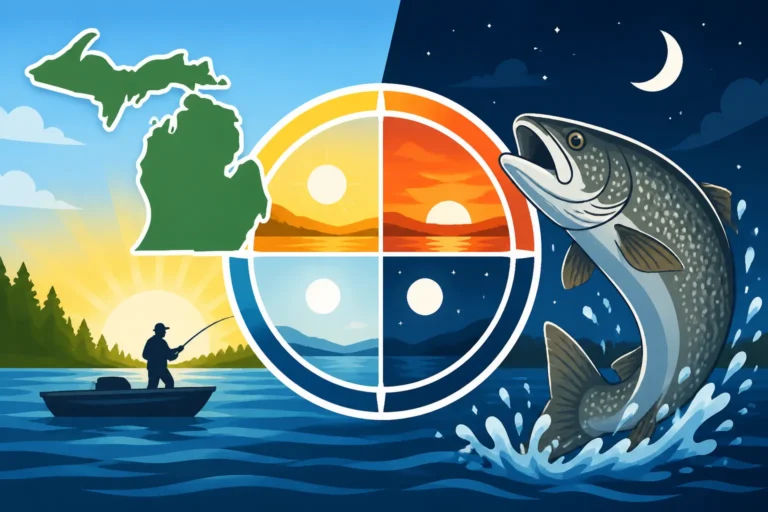
Depth plays a huge role due to light absorption, as mentioned. The deeper you go, the more quickly colors vanish from the spectrum. What looks vibrant at the surface might be a drab silhouette at 20 feet. Then there are light conditions: sunny days might call for different colors than cloudy, overcast days. On a bright, bluebird day, a subtle, natural presentation might be key to avoid spooking fish. When the sky is dark and heavy, a bright, glow-in-the-dark jig might be just the ticket.
The forage base in a particular body of water is another significant factor. If walleye in a specific lake are primarily feeding on emerald shiners, a jig color that mimics that baitfish will often be more effective. If they're chowing down on crayfish, browns and oranges might be better. Finally, seasonal changes and water temperature can also influence activity levels and, consequently, color preference. Early spring walleye, often sluggish in cold water, might respond to slower movements and subtle colors, while aggressive summer fish might smash anything fast and flashy.
Top Jig Colors for Michigan Walleye Across Conditions
Navigating the vast array of jig colors can be daunting, but by understanding the principles of walleye vision and environmental factors, we can categorize and prioritize effectively. It's not about having every color, but knowing when to reach for the right one.
Bright and Bold: When to Go Fluorescent
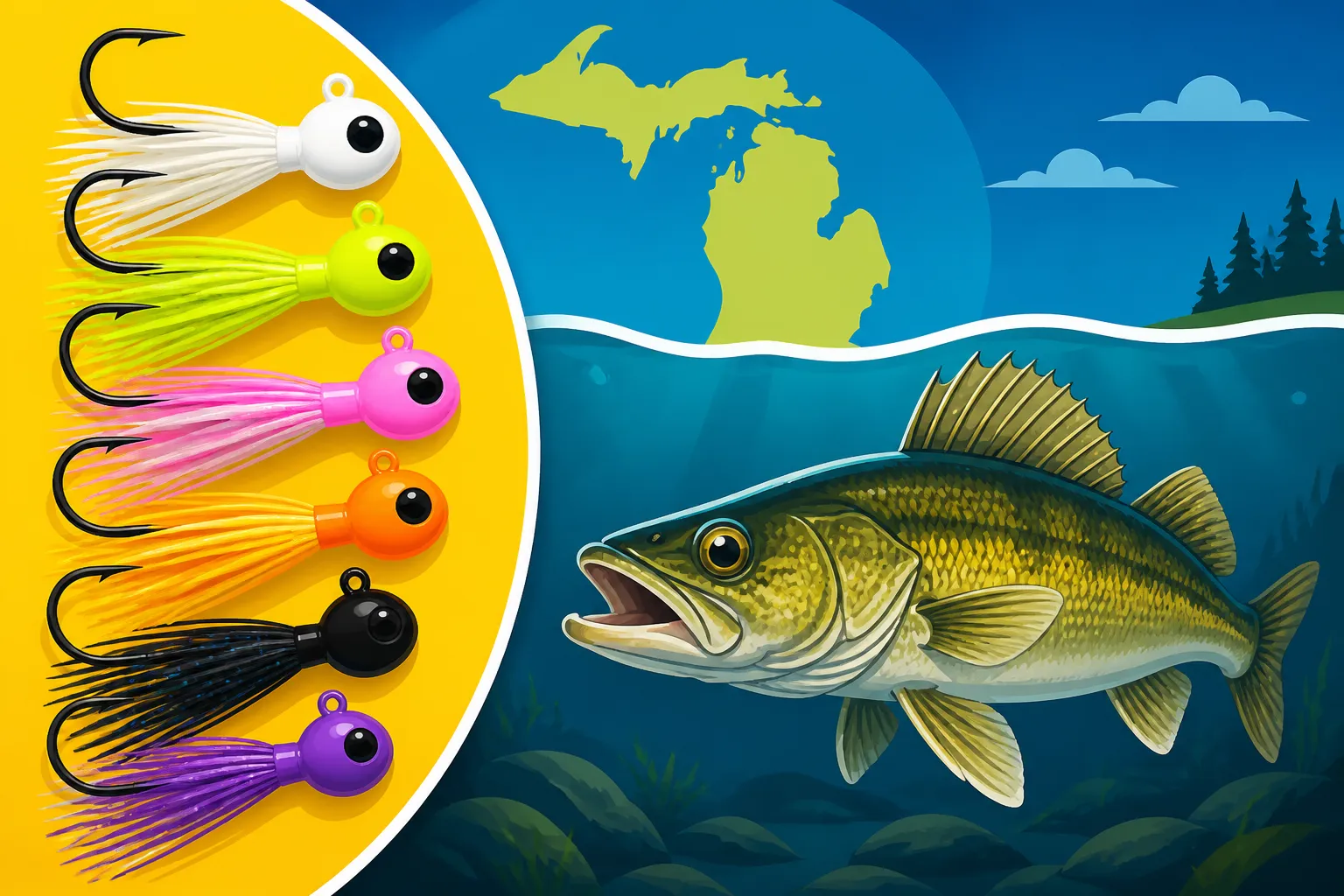
When the conditions are less than ideal for visual clarity, that's your cue to break out the bold, fluorescent colors. Think chartreuse, bright orange, hot pink, and vibrant greens. These colors are fantastic for several key scenarios:
- Stained or Murky Water: Waters that are muddy, tannin-stained, or cloudy due to algae blooms or recent rain often require jigs that practically scream for attention. The intense hues of fluorescent colors penetrate turbid water better and create a stark contrast that walleye can pick up on, even if the "true" color perception is limited. For instance, after a spring thaw or heavy rainfall, river systems and bays like Saginaw Bay often get a good color to them. A chartreuse jig, tipped with a minnow or a soft plastic, can be absolutely deadly here.
- Low Light Conditions: Early mornings, late evenings, and even under heavy cloud cover, when natural light is scarce, are prime times for bright jigs. Walleye are already adapted for low light, but giving them an extra visual cue can make all the difference. Many anglers swear by glow-in-the-dark jigs for these periods, especially if the water is also deep.
- Deep Water: As discussed, deeper water filters out many colors. However, some fluorescent pigments, particularly chartreuse and some greens, retain their visibility better at depth compared to reds or oranges. If you're targeting walleye hunkering down in 20, 30, or even 40 feet of water in the Great Lakes or deep inland lakes like Higgins or Torch, a bright jig can cut through the gloom. You'll often find these deeper fish are less spooky and more willing to hit something flashy, especially if it's tipped with an active bait.
Natural and Subtle: Matching the Hatch
On the flip side, there are times when discretion is the better part of valor. For clear water and wary walleye, natural and subtle jig colors are your best bet. These include shades of green, brown, white, black, and silver.
- Clear Water, Bright Days: Imagine fishing on a calm, sunny day on a crystal-clear lake like Torch Lake. Walleye here can be incredibly spooky, spotting your line or unnatural-looking lures from a distance. In these conditions, jigs that closely mimic the natural forage – like a light green jig resembling a perch fry, or a silver jig imitating a shiner – will often draw more strikes. The key is to blend in, not stand out.
- Mimicking Natural Forage: This is often referred to as "matching the hatch." If you know walleye are feeding on specific baitfish like shiners, gobies, or perch, choose a jig color that closely matches their appearance. For example, a brown or olive green jig might imitate a goby in the Detroit River, while a black and silver combination could mimic a minnow. Many anglers even check the stomach contents of the first walleye they catch to confirm the forage and adjust their jig color accordingly.
- Shallow Water: In shallower water, especially during low light, fish can see a full spectrum of colors. However, under brighter conditions, they're often more wary. A natural presentation can be less alarming. Think about fishing a shallow flat on Lake St. Clair for smallmouth bass – walleye in similar clear, shallow scenarios might prefer the same subtle approach.
Versatile Classics: Always in the Tackle Box
Every angler has those "go-to" colors that seem to produce fish no matter what. For walleye, a few classic colors are always a good bet to have on hand, often acting as excellent starting points or fallback options.
- Black: Don't underestimate the power of black. In many conditions, especially stained water or low light, black creates a strong silhouette against the lighter sky above. This silhouette is easy for walleye to see, even if they aren't perceiving "color" as we do. It’s also incredibly versatile, mimicking leeches, dark baitfish, or even crayfish.
- White: Another staple, white jigs can be incredibly effective. They mimic dead or dying baitfish, creating a visible flash in many water clarities. In clear water, a white jig can look like a shiner, while in stained water, it provides excellent contrast. It's often fantastic for ice fishing, where it can be seen from a distance against the ice ceiling.
- Combinations: Often, the best jig isn't a single solid color, but a combination. Black and chartreuse is a legendary walleye combination, offering the silhouette of black with the undeniable drawing power of chartreuse. Blue and silver, white and red, or green and orange are other popular mixes that combine the best of both worlds – natural tones with a pop of attraction. These combinations allow you to present a more complex visual cue to the walleye, giving them multiple reasons to strike. When in doubt, a black and chartreuse jig is almost always a solid starting point for a Michigan walleye angler.
Matching Jig Color to Michigan Water Bodies and Seasons
Michigan offers an incredible diversity of walleye fisheries, from the vast Great Lakes to thousands of inland lakes and countless rivers. What works well in one spot might fall flat in another, and the seasons add another layer of complexity.
Great Lakes Walleye Color Considerations
The Great Lakes offer some of the most phenomenal walleye fishing in the country, but they are also incredibly varied in terms of water clarity, depth, and forage.
- Lake St. Clair and Detroit River: These waters are world-renowned for their incredible walleye populations. While the Detroit River can get murky with spring runoff, Lake St. Clair is generally clearer, especially away from the river mouths. For walleye here, subtle natural colors like greens, whites, and silvers, mimicking the abundant emerald shiners and gobies, often shine. However, if the river is pushing dirty water, don't hesitate to go with chartreuse or orange. For insights into one of the most productive areas, you might want to explore Detroit River Perch Fishing Spots which often includes walleye bycatch.
- Saginaw Bay (Lake Huron): Saginaw Bay is a walleye factory, but it's typically shallower and often has stained or turbid water, especially after wind or rain. This is prime territory for bright and bold colors. Chartreuse, bright orange, and fluorescent green are absolute confidence colors here. The walleye in Saginaw Bay are often aggressive and react well to flashy presentations. For more on this productive fishery, check out Saginaw Bay, Michigan, Walleye Fishing on Lake Huron.
- Lake Erie (Michigan Waters): Michigan's portion of Lake Erie, particularly the Western Basin, is another walleye mecca. Like Saginaw Bay, it's often shallower and can be turbid, especially during windy conditions. This makes bright and contrasting colors incredibly effective. Chartreuse, fire tiger (a mix of orange, yellow, and black stripes), and pink are popular choices, especially when drifting with jigs tipped with minnows or soft plastics.
- Deeper Great Lakes (Lake Michigan, Lake Huron, Lake Superior): When targeting walleye in the deeper sections of these vast lakes, light penetration becomes a major factor. While trolling with crankbaits is common, if you're jigging deep structure, you'll want colors that retain visibility. Blues, greens, and even some glow colors can be effective. Consider the significant depth when choosing your jig color for Lake Michigan's deep water walleye, as reds and oranges will quickly become muted.
Inland Lake and River Walleye Color Strategies
Michigan's inland waters present a microcosm of diverse conditions, from the gin-clear depths of Torch Lake to the tannin-stained rivers of the Upper Peninsula.
- Clear Inland Lakes: Lakes like Torch Lake, Higgins Lake, and Burt Lake are known for their exceptional clarity. Here, subtlety is key. Natural greens, browns, whites, and silvers that mimic the local baitfish (perch, smelt, shiners) are typically most effective. Jig size and presentation often matter more than bold color in these environments. If you're keen on exploring these waters further, a Higgins Lake Fishing Guide can provide more detail.
- Stained Inland Lakes and Rivers: Many smaller inland lakes and rivers throughout Michigan, particularly in forested areas, have tannin-stained water that gives it a tea-like color. These conditions often call for brighter colors, similar to Saginaw Bay. Chartreuse, orange, and even fluorescent pink can provide the necessary contrast to grab a walleye's attention. Rivers like the Muskegon or Grand, especially during periods of high flow, might benefit from this approach.
- Structure-Oriented Fishing: Many inland walleye relate to specific structures like humps, drop-offs, weed edges, or rock piles. The color choice here might depend on the surrounding environment. If the structure is dark, a lighter jig might offer contrast. If it's bright and sandy, a darker jig might stand out. The goal is to make your jig visible against the background.
Seasonal Color Shifts for Walleye
Walleye behavior and preferred forage change throughout the year, and so too can their jig color preferences.
- Spring Opener: As water temperatures are still quite cold, walleye are often sluggish and concentrated in shallower spawning areas or nearby deeper staging zones. The water can be cold and often murky due to runoff. This is an excellent time for bright, slow-moving jigs. Chartreuse, orange, and white are popular as they stand out and can entice a tentative strike. Many anglers look forward to the Lower Peninsula Trout and Walleye Opener for these opportunities.
- Summer: As water temperatures rise, walleye become more active and spread out. They might be in deep water during the day and move shallower at night. In clear water, natural colors that match baitfish are often best. In stained water, brightness still wins. Summer is when walleye are often most aggressive, so don't be afraid to experiment with brighter or flashier jigs, especially when targeting them at night. For specific techniques, remember Jigging Techniques for Michigan Walleye are key.
- Fall: As water temperatures drop again, walleye feed heavily in preparation for winter. Water clarity might improve. Both natural and bright colors can be effective, depending on the day and water conditions. Fall can be a great time for combination colors, giving the fish a lot to look at.
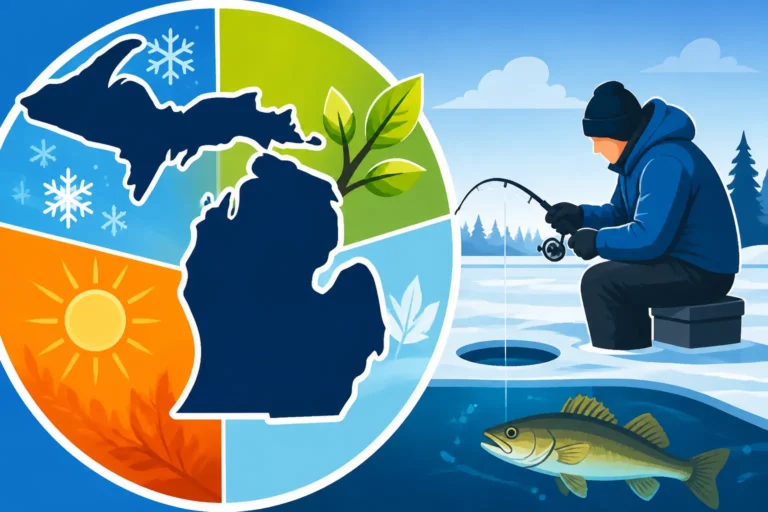
- Ice Fishing: During ice fishing season, water clarity under the ice can be exceptional, but light levels are low. Glow jigs are immensely popular and effective, especially for night fishing or in deeper water. Chartreuse, white, and various glow combinations are top producers. The glow attracts fish from a distance, and the jig's action closes the deal. The best colors for perch through the ice also often work well for walleye, so if you're targeting both, consider versatile choices.
Experimentation and Local Knowledge: The Ultimate Guide
While understanding the science behind walleye vision and the impact of environmental factors is incredibly helpful, fishing is never an exact science. The most effective approach always involves a bit of informed guesswork, hands-on experimentation, and leveraging the wisdom of those who fish your chosen waters regularly.
The Importance of Trial and Error
No matter how much research you do or how many guides you read, there will be days when the "rules" seem to fly out the window. Walleye are creatures of instinct and mood, and what worked yesterday might not work today. This is where active experimentation comes into play.
Start with a few confidence colors based on the conditions. If you're in murky water, begin with chartreuse or orange. In clear water, try a natural green or white. If you're not getting bites after a reasonable amount of time or moving to a new spot, don't be afraid to switch it up. Change not just the color, but also the size, retrieve speed, and jigging action. Keep a log if you're serious; noting conditions, colors, and success rates can help you build your own localized patterns over time. The angler who is willing to adapt and experiment is almost always the one who will find success.
Leveraging Local Wisdom and Online Resources
One of the best resources for determining current hot colors is your local bait and tackle shop. These folks are on the front lines, talking to anglers coming off the water every day. They know what's been working, what's been selling, and what the local walleye are keying in on. Don't be shy; walk in, describe your fishing spot and conditions, and ask for their advice. They often have the most up-to-date intel for that specific body of water.
Beyond local shops, online fishing forums, social media groups dedicated to Michigan fishing, and local fishing reports can be invaluable. Anglers often share their successes and failures, including details about jig colors. While you should always take online advice with a grain of salt, it can provide excellent starting points or confirm patterns you're already observing. Remember, you can easily find a wide range of jig colors and styles on platforms like Amazon, allowing you to stock up on the recommended hues after getting the local scoop. Just be sure to cross-reference with actual reports from your specific body of water. What works on Lake St. Clair might be completely different from what's needed on the Manistee River.
| Water Clarity | Light Conditions | Preferred Jig Colors | Why They Work |
|---|---|---|---|
| Clear Water | Bright Sun | Green, Brown, White, Silver, Black | Mimics natural forage, less spooky. Creates subtle contrast. |
| Overcast/Low Light | White, Black, Blue, Natural combos | Good visibility, less aggressive contrast. Creates strong silhouette. | |
| Stained/Murky | Any | Chartreuse, Orange, Hot Pink, Fire Tiger | High contrast, vibrant hues penetrate turbid water, grabs attention. |
| Deep Water | Chartreuse, Blue, Glow-in-the-dark | These colors retain visibility best at depth where light absorption is high. | |
| Mixed Clarity | Any | Black/Chartreuse, White/Red, Green/Orange | Versatile, offers both natural and attractive elements, good starting point. |
Ultimately, the best jig color for Michigan walleye isn't a single answer, but rather a dynamic equation based on water, light, forage, season, and the fish's mood. By understanding these variables and being willing to experiment, you'll significantly increase your chances of finding those elusive walleye, no matter where you cast your line in the Great Lakes State.
Disclaimer
This article is for general informational purposes only and does not constitute professional advice. Laws, prices and regulations vary by location and change over time. Consult a qualified professional for guidance on your specific situation.